
Antique Porcelain China
When you search for antique porcelain china, you enter a field spanning delicate eighteenth-century tea wares and bold twentieth-century decorative services.
Antique Porcelain China
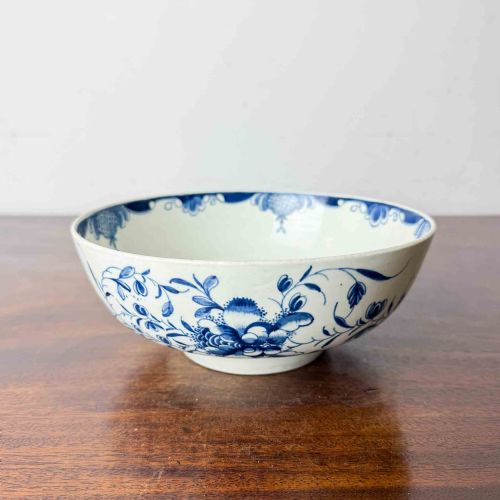
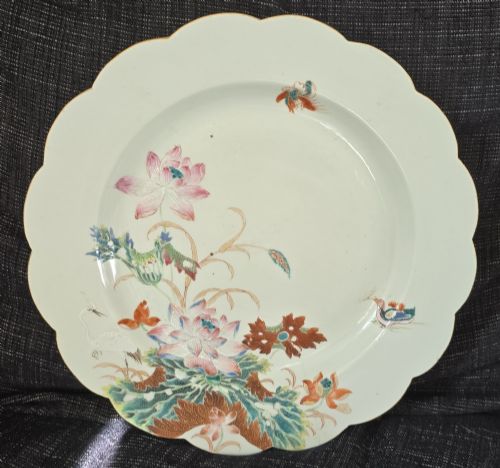
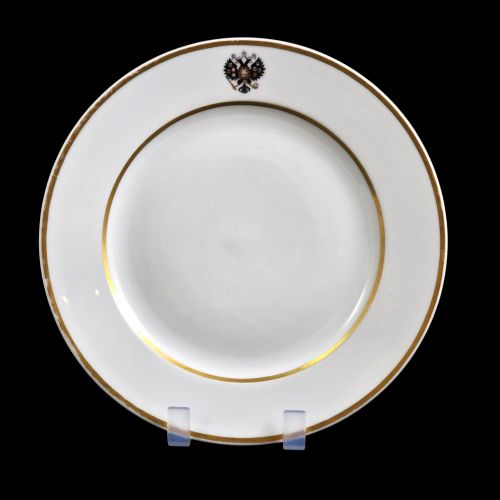
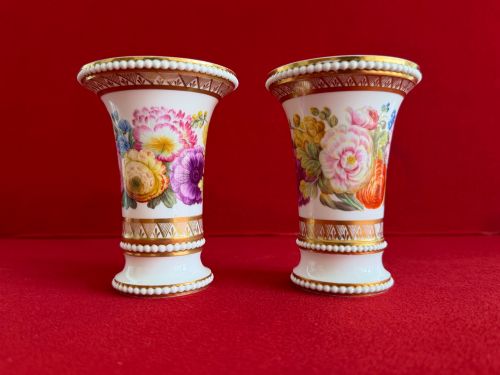
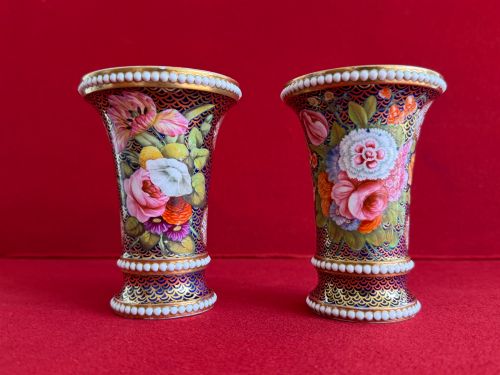
When browsing antique porcelain china, buyers encounter a diverse range of objects intended for both display and domestic utility. The selection spans the domestic elegance of Georgian and Regency tea services alongside utilitarian yet decorative bowls, plates, and vases.
The material heritage represented on this page bridges European manufactories and Asian export traditions. Pieces originate from prominent English factories, continental European kilns, and Chinese export workshops dating from the eighteenth century into the mid twentieth century.
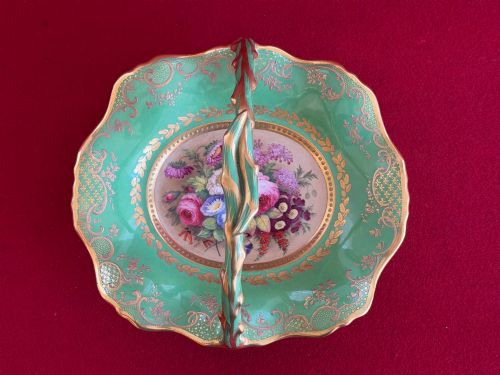
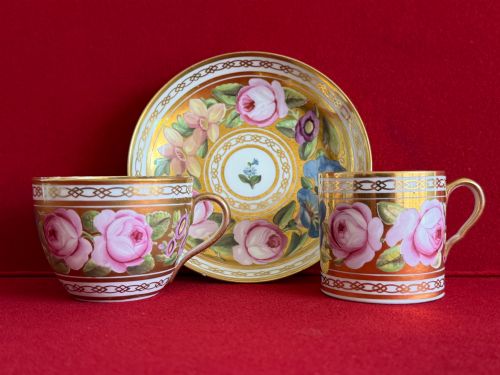
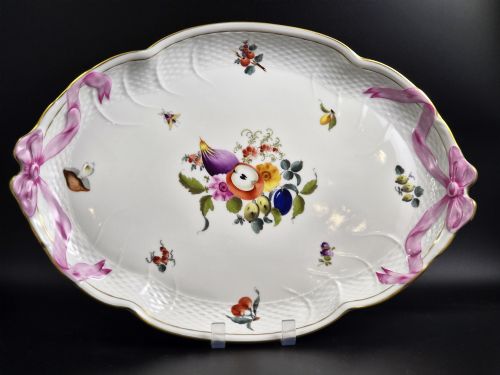
Domestic forms dominate the available selection, particularly teacups, saucers, trios, and dessert services designed for formal dining rooms. Alongside these table wares sit decorative baskets, serving dishes, spice jars, and display pieces that reflect changing domestic interiors across multiple periods.
How they were made
Potters shaped these objects using traditional clay bodies, including soft-paste porcelain and refined bone china. Manufacturers developed distinct mineral compositions to achieve varying degrees of translucency and structural stability during high-temperature firing.
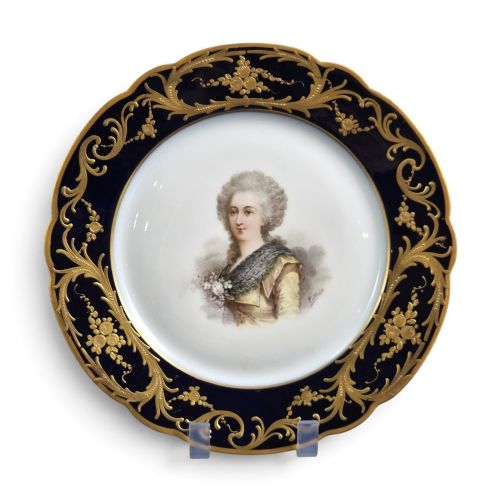
Artisans applied surface decoration through handpainted motifs, transfer printing, and polychrome enamels. Craftsmen then enriched these designs with gilding, gold leaf, and glossy glazes before subjecting the pieces to secondary kiln firings to fuse the decoration permanently to the ceramic body.
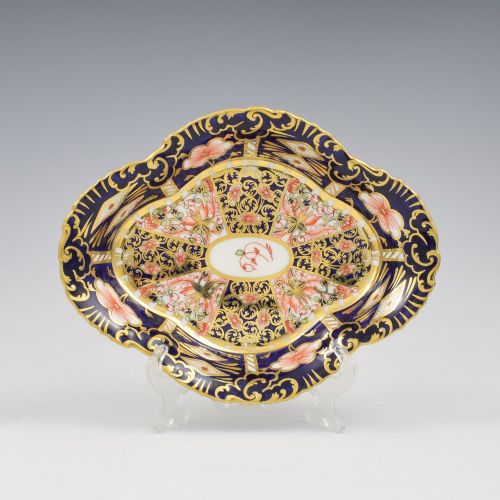
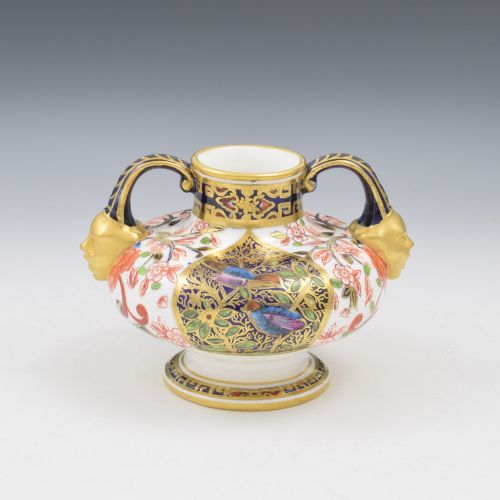
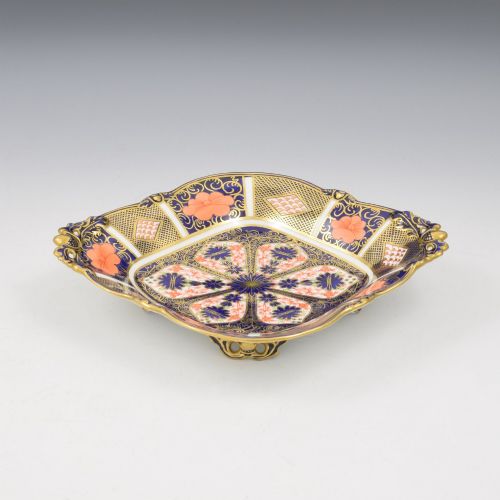
Listings feature eighteenth and nineteenth century periods alongside regional styles including Chinese Export, Regency, and Victorian Imari.
What varies in quality
The standard of a piece rests heavily on the precision of its handpainted detail and the crispness of its moulding. Superior examples exhibit deliberate brushwork and well-defined contours, whereas lesser items rely on hasty application or blurred transfer prints.
The sophistication of the glaze and the richness of the gilding further divide the range. High-grade surfaces display an even, luminous finish without heavy kiln blemishes, while the integration of cobalt blue underglazes and enamel highlights reveals the technical mastery of the originating pottery.
Royal Crown Derby·H & R Daniel·Imperial Porcelain Factory·John Rose Coalport·Flight Barr And Barr
The Antique Porcelain China Glossary
- Bone china
- A type of soft-paste porcelain containing bone ash that offers enhanced durability and a bright white body. This composition became a staple of English ceramic production during the nineteenth century.
- Imari
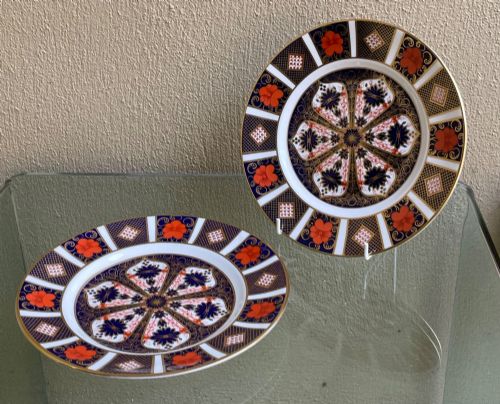
- A decorative style characterised by rich underglaze blue and iron-red enamel, often accented with gold. The aesthetic originates from Japanese export wares and heavily influenced European factories.
- Trio
- A matched set comprising a teacup, a coffee cup, and a saucer. These groupings were common in tea and breakfast services during the Georgian and Regency eras.
- Soft-paste porcelain
- An artificial ceramic paste fired at lower temperatures than hard-paste porcelain. It yields a warm, slightly creamy body frequently found in eighteenth-century English wares.
- Tazza
- A shallow ornamental bowl or plate raised on a stem and foot. Makers utilised this form for serving fruit or sweets during formal dessert courses.
Antique Porcelain China: Frequently Asked Questions
How do I identify eighteenth century pieces?
Eighteenth century pieces typically feature soft-paste bodies with subtle underglaze blue painting or handpainted polychrome floral motifs. Examining the base often reveals characteristic unglazed foot rims and early factory marks.
Makers from this era prioritized organic forms, such as leaf-shaped dishes and fluted cream jugs, rather than heavy industrial standardisation. The weight tends to feel lighter in the hand due to the specific composition of early ceramic pastes.
What is an antique dessert service?
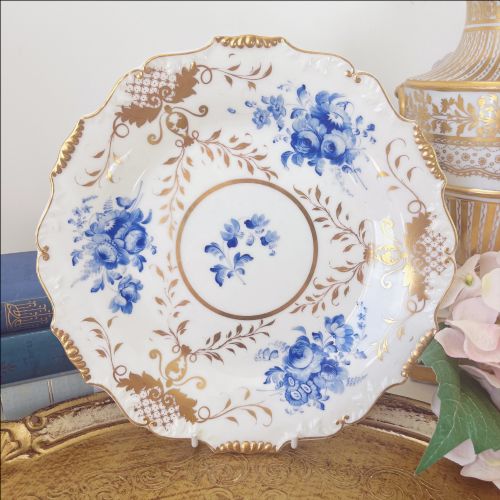
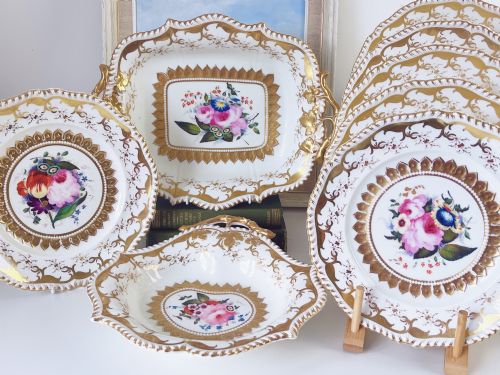
An antique dessert service is a matched grouping of plates, comports, and serving dishes intended for the final course of a formal meal. These sets frequently showcase elaborate handpainted floral designs or botanical studies.
Wealthy households displayed these services to impress guests during dining rituals in the Georgian and Victorian periods. Today, surviving sets provide insight into nineteenth-century tablescape traditions.
Are tea cups and saucers usable?
While many antique tea cups and saucers structurally retain their utility, thermal shock from boiling water can crack fragile ceramic bodies. Collectors generally prefer to preserve historical cups as display objects rather than for daily dining.
If you choose to use them, warm the interior gradually with tepid water before pouring hot liquids. Older soft-paste porcelain is especially sensitive to rapid temperature shifts.