

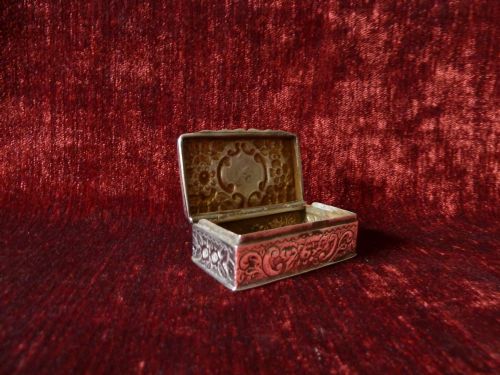


Antique Pocket Snuff Container
An antique pocket snuff container is a small personal box made to hold tobacco, and collectors prize them for their tactile materials and neat domestic craftsmanship.
Antique Pocket Snuff Container
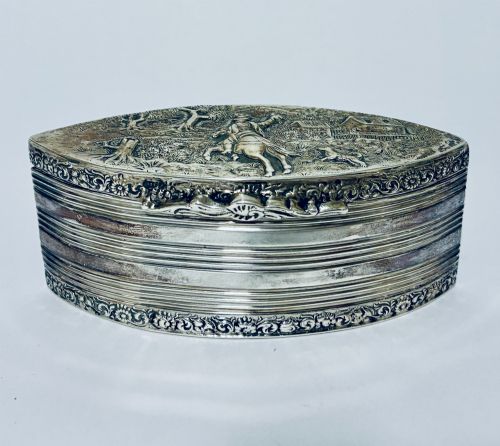
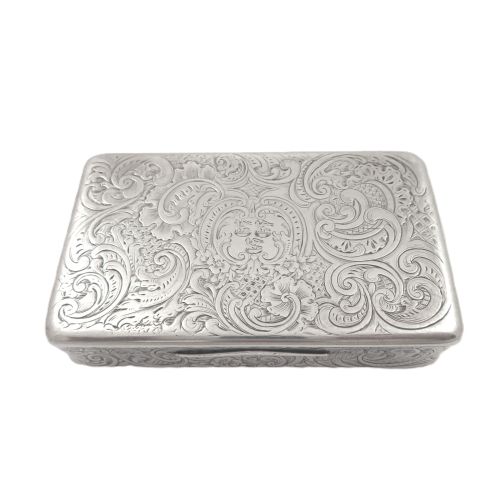
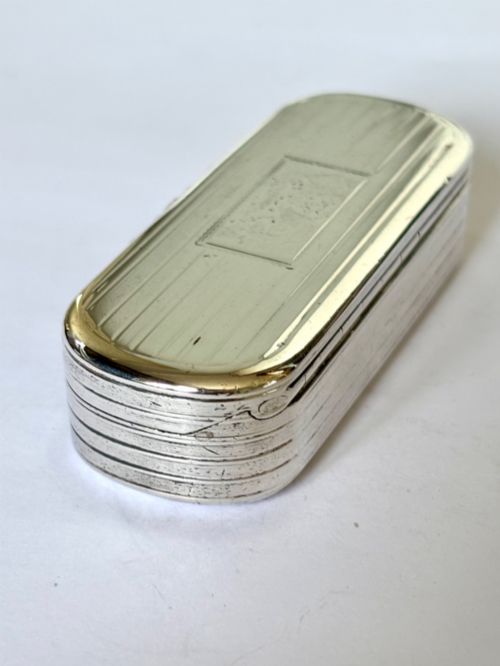
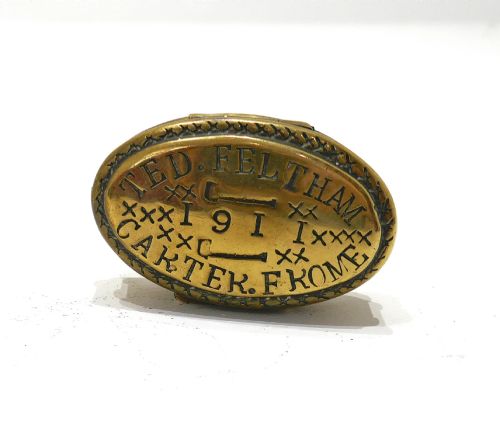
An antique pocket snuff container takes several forms, including rectangular boxes, oval vessels, and novel shapes like shoes, hands, or bellows. The pieces seen here span the Georgian, Regency, Victorian, and Edwardian periods, stretching into the early twentieth century.
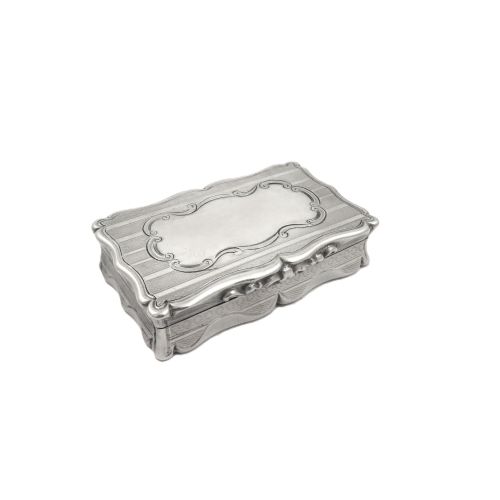
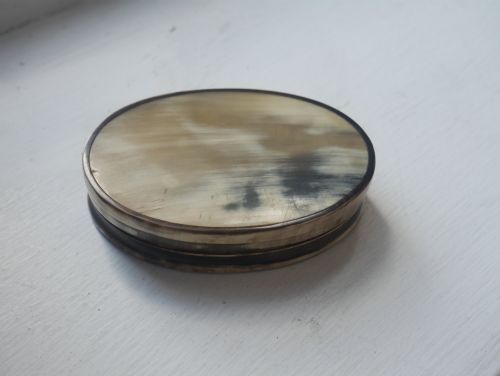
Silver and sterling silver examples appear frequently, alongside organic materials such as horn, tortoiseshell, coquilla nut, timber, and leather. Makers also utilised base metals like brass, pewter, copper, and painted tin.
Most items designed to fit in a pocket are compact snuff boxes or pill boxes, while larger Scottish forms include the snuff mull. Buyers on this page will most commonly encounter sterling silver boxes from the nineteenth century alongside turned or carved organic containers.
Materials and construction
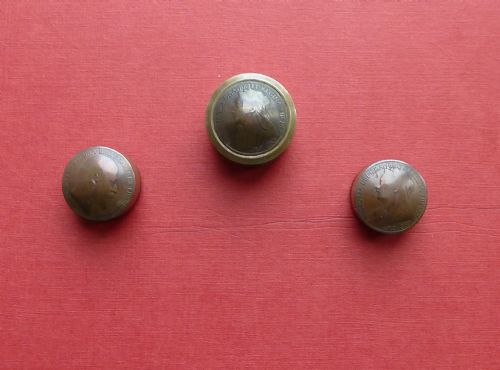
Metals such as sterling silver, brass, and pewter were shaped, hinged, and frequently decorated with detailed engraving, coin embellishments, or silver gilt finishes. Birmingham and London assay offices stamped many of the silver pieces.
Organic materials including horn, tortoiseshell, coquilla nut, and hardwood were carved, turned, or pressed into moulds to create tactile surfaces. Leather and pony skin were also fitted over rigid foundations to form pocket containers.
Makers constructed double-lidded and double-sided boxes to separate different grades of tobacco or snuff, securing lids with tight-fitting hinges.
Judging quality and character
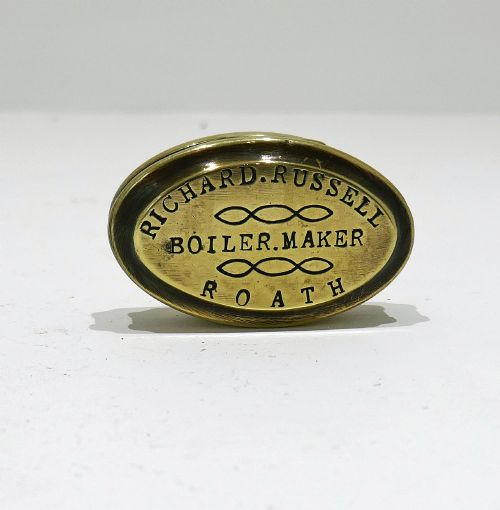
Quality rests upon the crispness of the carving in organic materials and the depth and clarity of the engraving on metalwork. Crisp details on wooden carvings and sharp lettering on inscribed brass indicate superior handwork.
The integrity of the hinges and the tightness of the lid closure define a well-made container. Superior silver examples display clear hallmarks and well-preserved gilding on the interior.
Inscribed pieces gain interest when the engraving names a specific person, date, or workshop, connecting the container directly to its nineteenth-century owner.
Robert Thornton·William Eaton
The Antique Pocket Snuff Container Glossary
- Snuff mull
- A container used for holding snuff, traditionally Scottish and often fashioned from animal horn mounted with pewter or silver.
- Snuff box
- A small pocket container with a tight lid designed to keep dry snuff fresh and ready for use.
- Silver gilt
- Silver that has been coated with a thin layer of gold on its interior surface to prevent corrosion from tobacco.
- Coquilla nut
- The hard, dark brown fruit of a South American palm tree, widely carved in the nineteenth century into small boxes and nutcrackers.
- Pressed horn
- Horn heated and pressed into metal dies to produce detailed relief decoration, such as historical scenes or portraits.
Antique Pocket Snuff Container: Frequently Asked Questions
What is an antique pocket snuff container?
An antique pocket snuff container is a small lidded vessel made to carry dry powdered tobacco in a waistcoat pocket or handbag during the eighteenth and nineteenth centuries.
These pieces were produced in a wide variety of materials, from sterling silver and brass to carved hardwoods, tortoiseshell, and horn.
How do I date a silver snuff box?
Silver snuff boxes often carry English hallmarks that include town marks, maker's marks, and date letters corresponding to specific assay office records.
Items without silver hallmarks are dated through their style, construction methods, and the specific organic materials or inscriptions used.
Were all these containers used for tobacco?
While the majority held dry snuff, some small metal boxes served as pill boxes or general trinket containers.
Larger versions sometimes featured double lids to hold different blends of tobacco or incorporated compartments for related accessories.
How should I care for organic snuff boxes?
Organic materials like horn, tortoiseshell, and wood benefit from being kept away from direct sunlight and extreme humidity to prevent warping or cracking.
Gentle dusting with a dry cloth preserves the patina without stripping the historic finish from the surface.