




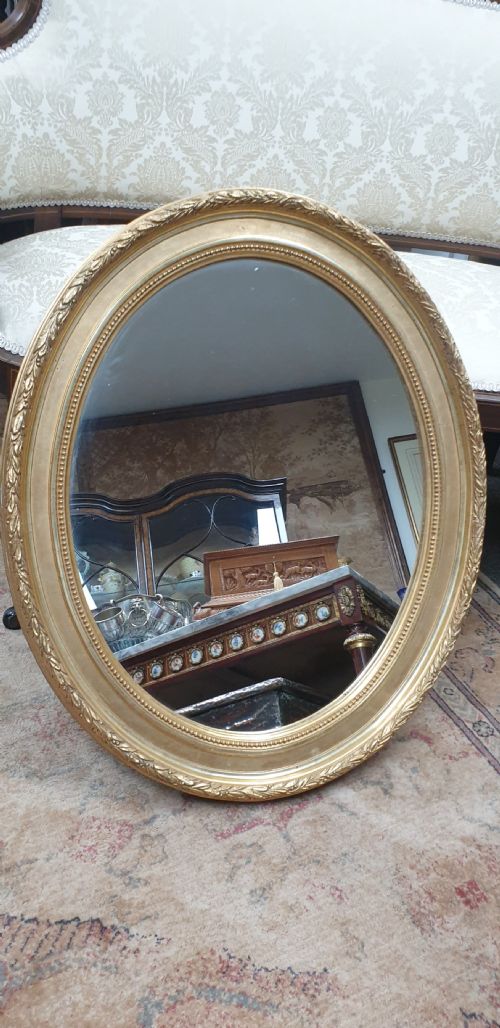


Antique Plaster Mirror
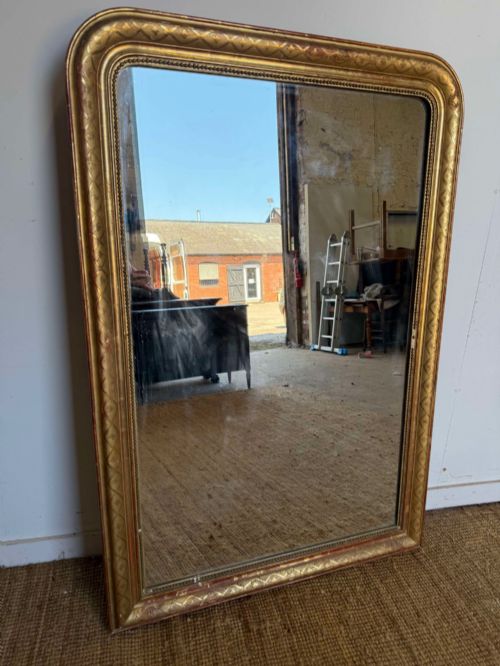
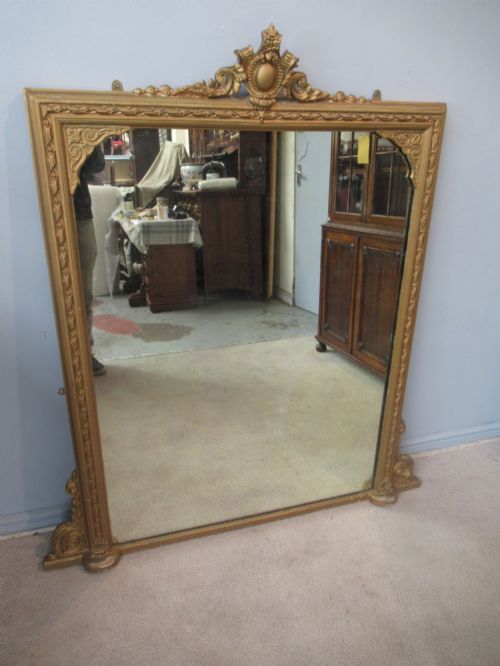
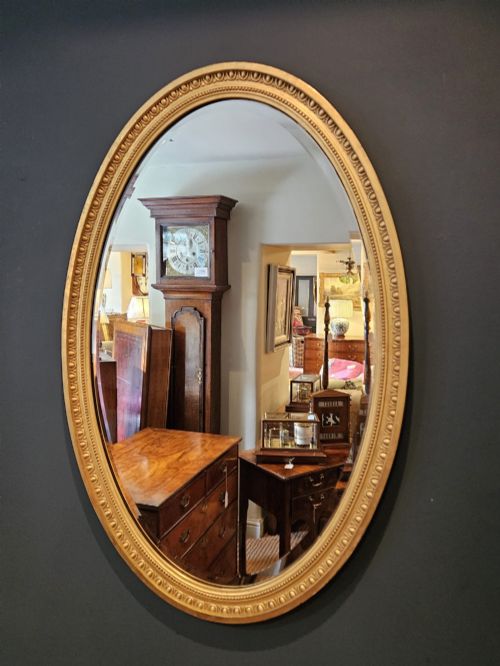
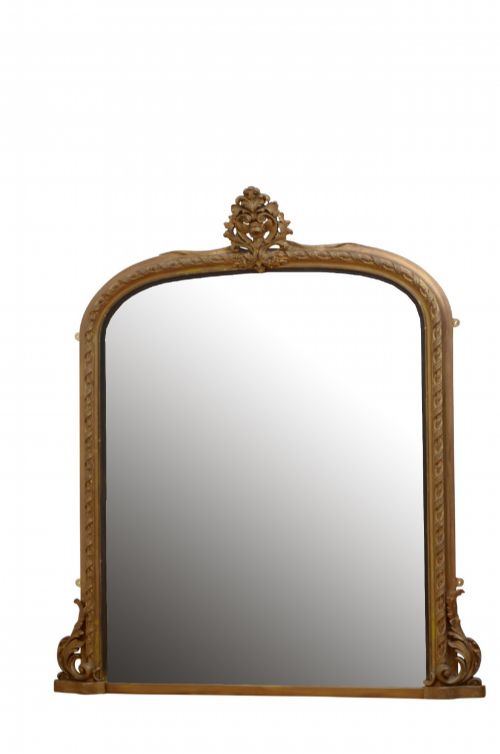
An antique plaster mirror brings instant depth and reflective light to a room, captured here in grand overmantle proportions and ornate oval frames.
Antique Plaster Mirror
An antique plaster mirror combines a sturdy wooden or composition carcass with moulded decorative details, often finished in gold leaf or gilt paint. When you search for an antique plaster mirror, you encounter substantial overmantle designs and wall-hanging frames shaped in neoclassical, Rococo revival, and Victorian styles.
The pieces appearing here span the nineteenth and twentieth centuries, originating from British, French, and Italian workshops. Overmantle mirrors dominate the selection, designed historically to sit above a fireplace and anchor a room's interior architecture.
Oval and arched formats recur frequently across the inventory, alongside rectangular frames intended for halls or principal reception rooms. Each format relies on the substantial weight of plaster and gesso to hold deep relief moulding and scrolling ornamentation.
Materials and construction methods
Maker workshops built these frames using a wooden base covered in layers of gesso and plaster to form the decorative relief. Artisans pressed or carved intricate patterns into the pliable plaster before applying gold leaf, composition, or liquid gilt finishes.
The underlying glass plates are secured within heavy wooden backboards, providing structural stability to the substantial frames. Giltwood and gilt plaster elements interact to create reflective surfaces that catch natural daylight and candlelight.
Antique Plaster Mirror Retail Price Guide 2026
Typical asking prices for plaster mirror among the pieces listed under this phrase on Sellingantiques today, from the lower quarter to the upper quarter. They describe what is for sale here now, not the wider market.
Many Victorian overmantle mirrors retain tiny traces of coal soot in their deepest plaster crevices, telling silent stories of nineteenth-century firesides.
Distinctions in craftsmanship and preservation
The quality of an antique plaster mirror rests on the crispness of the moulded relief and the depth of the original gilding. Finer pieces display sharply defined botanical or scroll motifs where the modeller's hand remains evident beneath the gold leaf.
Preservation of the surface patina dictates the character of each piece, distinguishing uniform modern restorations from aged plaster and worn gilt surfaces that show centuries of exposure.
The Antique Plaster Mirror Glossary
- Gesso
- A plaster mixture consisting of chalk, pigment, and glue used as a base for gilding on wood frames. This substance provides the smooth white ground required for laying gold leaf.
- Overmantle mirror
- A large wall mirror specifically proportioned to hang above a fireplace mantelpiece. These fixtures visually expand a room and reflect light from surrounding windows.
- Composition
- A moulded mixture of whiting, resin, glue, and linseed oil pressed into decorative ornaments. It allowed makers to produce intricate frame details faster than hand carving.
- Giltwood
- Timber that has been coated with thin sheets of gold leaf or gold paint. This material gives frames a warm, reflective metallic sheen.
- Tabernacle frame
- An architectural frame style resembling a small shrine, featuring pilasters and a pediment. These structures often house mirrors or paintings with formal symmetry.
Antique Plaster Mirror: Frequently Asked Questions
How do I hang a heavy plaster mirror?
These heavy frames require secure wall fixings attached directly to structural studs or masonry using heavy-duty brackets. The substantial weight of plaster and glass demands professional installation to ensure stability.
Distributing the load across multiple anchor points prevents strain on the original wooden frame and hanging loops.
Can I clean the original gold leaf?
Dusting gently with a soft, dry brush is the safest method for maintaining delicate gilt surfaces without removing the finish. Avoid liquid cleaners, abrasives, and chemical solvents entirely.
Moisture can penetrate microscopic cracks in the plaster and cause the underlying gesso to lift from the wood.
Where should I place an overmantle mirror?
Positioning an overmantle mirror directly above a fireplace creates a traditional focal point that draws the eye upward. This placement reflects light from opposite windows deep into the interior.
Ensure the width of the frame complements the mantelpiece beneath it for visual balance.
How do I distinguish Victorian frames?
Victorian frames often incorporate heavier proportions, deep relief moulding, and diverse historical revivals like Rococo and Neoclassical styles. Makers during this era utilised composition and plaster extensively to meet domestic demand.
Examination of the backing boards and nail types helps confirm the nineteenth-century origins of the piece.