



Antique Pink Pitcher
An antique pink pitcher brings vivid colour to a table, spanning spirited Sunderland lustre earthenwares and glowing cranberry glass vessels.
Antique Pink Pitcher
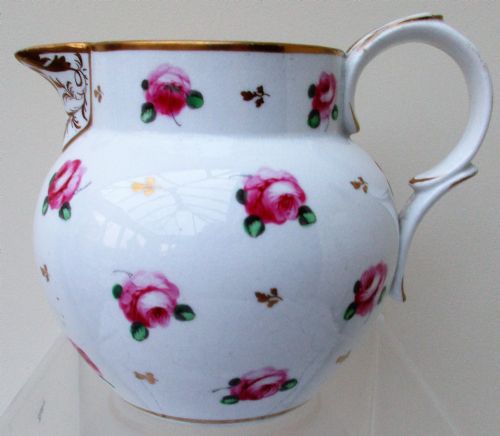
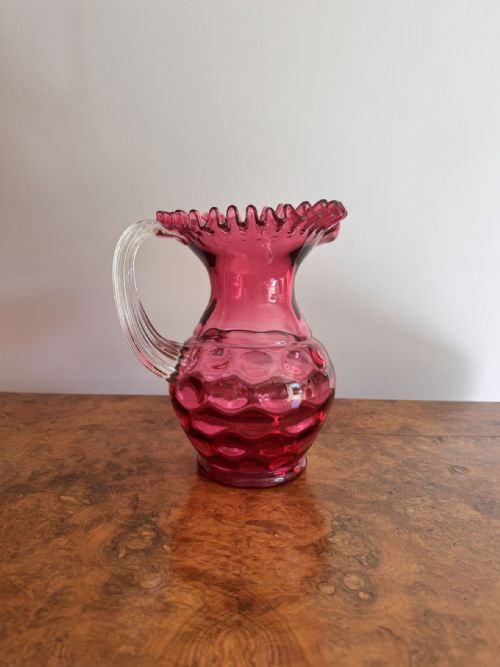
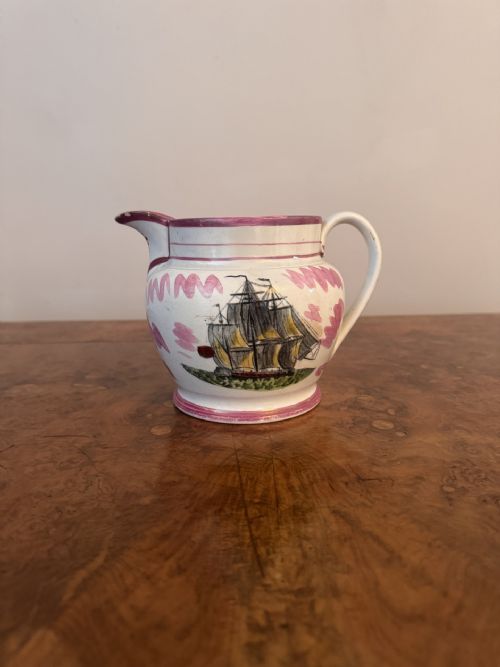
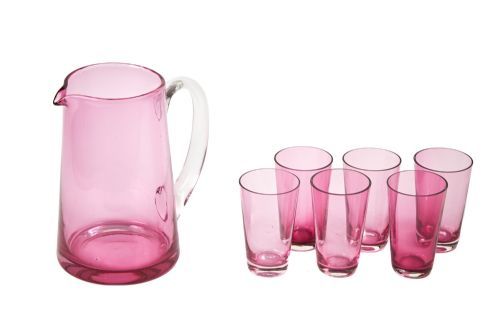
Buyers seeking an antique pink pitcher encounter a diverse array of earthenware and glass vessels spanning the Georgian, Victorian and Edwardian eras. The selection encompasses robust English pottery carrying transfer-printed maritime scenes, alongside delicate cranberry glass water jugs and creamers.
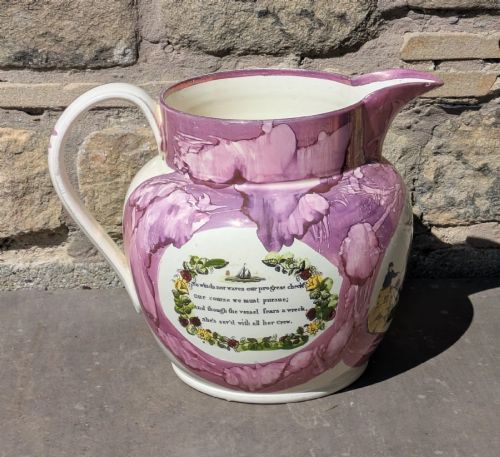
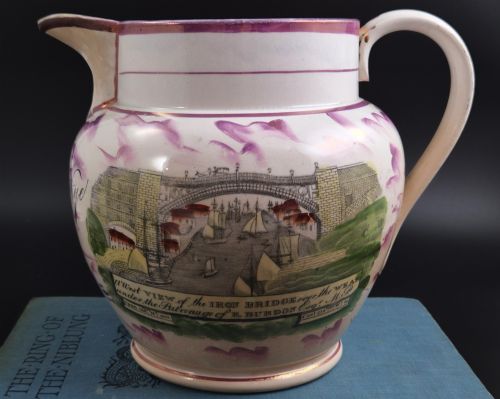
Most examples originate from nineteenth-century British potteries, particularly in Sunderland, where potters utilised distinctive pink lustre glazes. Alongside these earthenware pieces, glasshouses produced blown cranberry and Burmese glass pitchers designed for dining and display.
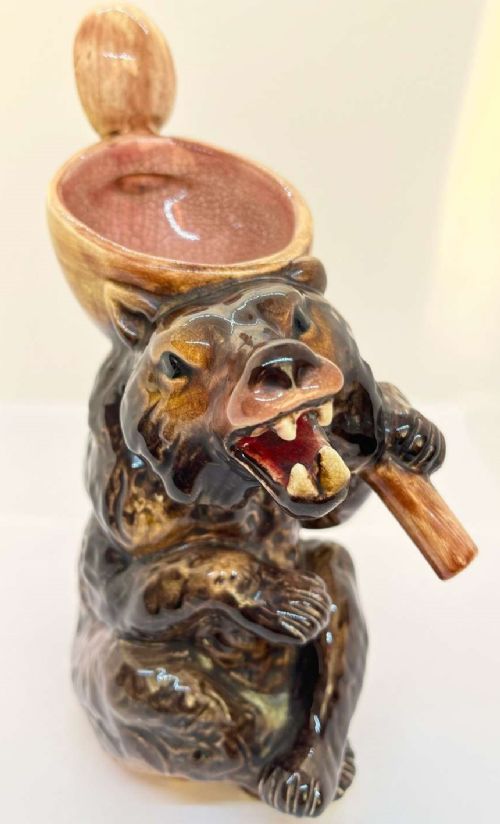
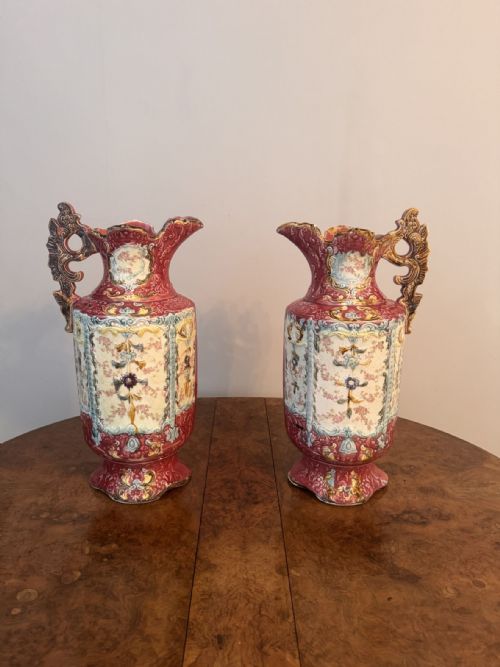
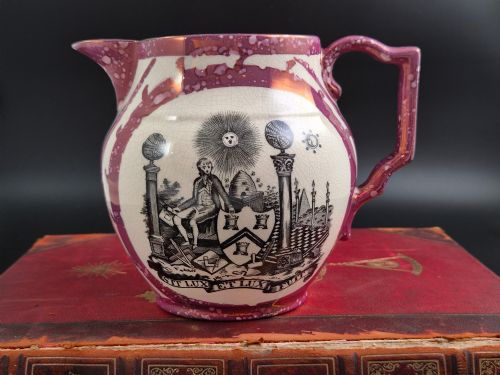
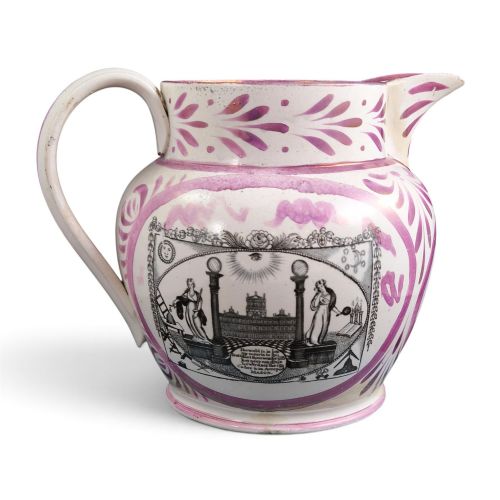
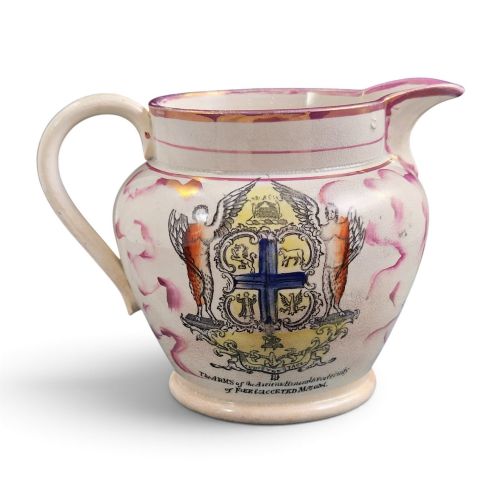
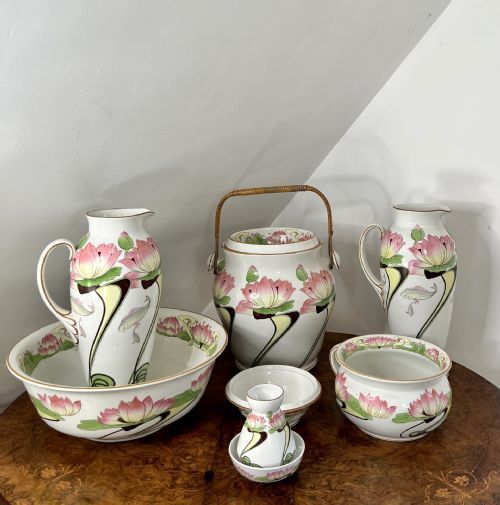
Form and function vary widely across the selection, ranging from diminutive cream jugs to large decorative ewers and commemorative Masonic vessels. Buyers frequently meet pieces featuring moulded animal motifs, poetic panels or hand-painted botanical details.
Materials and methods of production
Potters constructed earthenware jugs from clay bodies finished with opaque white glazes or pearlware before applying metallic lustre solutions. Firing these pieces introduced metallic salts that produced the characteristic pink splash and copper lustre effects seen on nineteenth-century vessels.
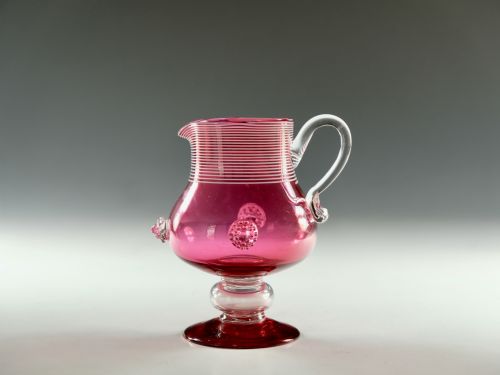
Glassmakers created cranberry glass pitchers by adding gold chloride to molten glass to achieve deep pink hues, often shaping the vessels while hot. Artisans combined free-blowing techniques with applied glass details, such as white piping or textured handles, to complete the pieces.
Antique Pink Pitcher Retail Price Guide 2026
Typical asking prices for pink pitcher among the pieces listed under this phrase on Sellingantiques today, from the lower quarter to the upper quarter. They describe what is for sale here now, not the wider market.
Listings feature earthenware, cranberry glass, porcelain and Burmese glass across Georgian, Victorian and Edwardian periods.
Distinctions in craftsmanship
Quality in earthenware pitchers rests upon the clarity of the transfer-printed transfers and the richness of the pink lustre application. Superior pieces display crisp details on maritime scenes, Masonic emblems and poetic panels without blurring or glaze pooling.
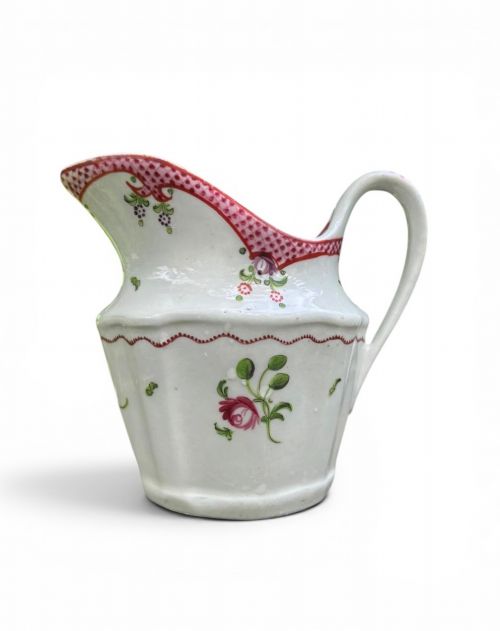
For glass vessels, excellence appears in the depth and evenness of the cranberry colour throughout the body and the skill involved in applied handles. Maker attribution and finely reticulated porcelain work also elevate the status of individual pitchers.
Holdcroft·Sunderland Garrison Pottery·New Hall·Grainger Worcester·Royal Worcester·Webb and Son·George Jones
The Antique Pink Pitcher Glossary
- Pink lustre
- A pottery decoration technique utilising metallic solutions to create a shimmering pink or purple metallic sheen on earthenware. Makers applied this technique extensively on early nineteenth-century Sunderland jugs.
- Cranberry glass
- A rich pink transparent glass produced by adding gold to the molten batch. Glassmakers shaped this material into decorative pitchers and tableware during the Victorian period.
- Pearlware
- An earthenware body developed in the late eighteenth century featuring a subtle bluish glaze that pooled in recesses. It served as a smooth canvas for transfer-printed and lustre designs.
- Majolica
- A colourful lead-glazed earthenware style popular in the Victorian era, often modelled with naturalistic plant and animal forms. Holdcroft and George Jones produced notable examples.
- Ewer
- A large pitcher with a flared spout and a curved handle, traditionally used for holding water or washing. Many Victorian examples functioned primarily as decorative display items.
Antique Pink Pitcher: Frequently Asked Questions
How are antique pink pitchers cleaned?
Wash glass and glazed earthenware gently in lukewarm water using mild detergent, avoiding abrasive cloths or soaking pieces with metallic lustre.
Dry each vessel immediately with a soft cloth to protect delicate surfaces and prevent water spotting.
What periods do these pitchers represent?
The selection spans from the eighteenth century through the Georgian and Victorian eras into the early twentieth century.
Earthenware lustre jugs largely date from the early to mid nineteenth century, while cranberry glass vessels predominantly reflect the later Victorian and Edwardian periods.
How were Sunderland lustre jugs used?
These large earthenware pitchers served practical roles in homes and inns, as well as commemorative functions for sailors, freemasons and maritime events.
Many featured patriotic poems, clipper ships or Masonic symbols to mark significant personal or historical occasions.
Can cranberry glass pitchers hold water?
Most antique cranberry glass water jugs remain entirely functional for serving beverages at the table.
Inspect the interior for any historic damage or hairline cracks before utilising them for liquid service.