



Antique Pine Standing Cupboard
An antique pine standing cupboard brings warmth and practical storage to a room, offering sturdy timber construction shaped by centuries of regional craftsmanship.
Antique Pine Standing Cupboard
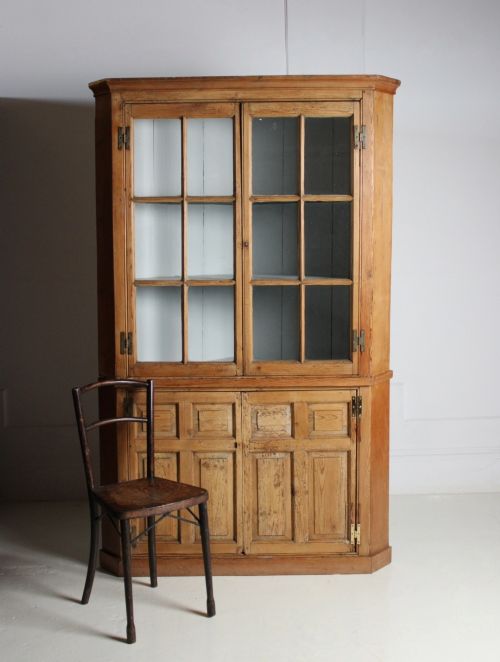
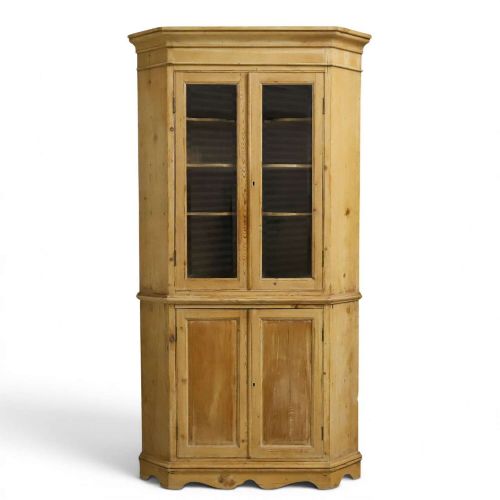
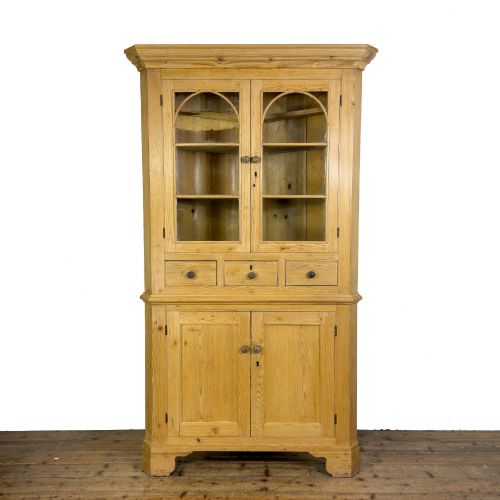
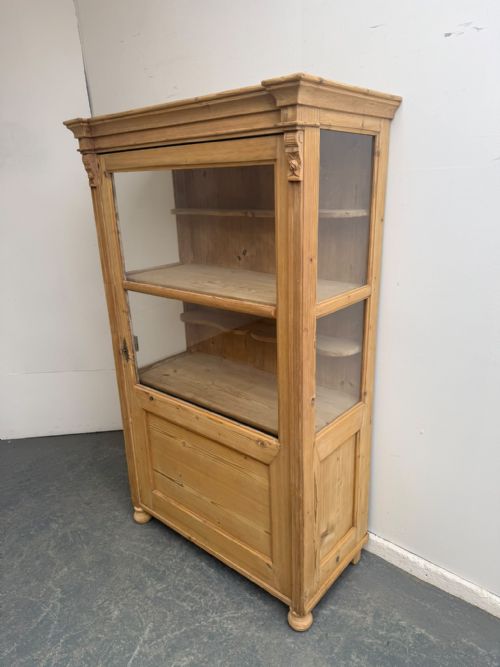
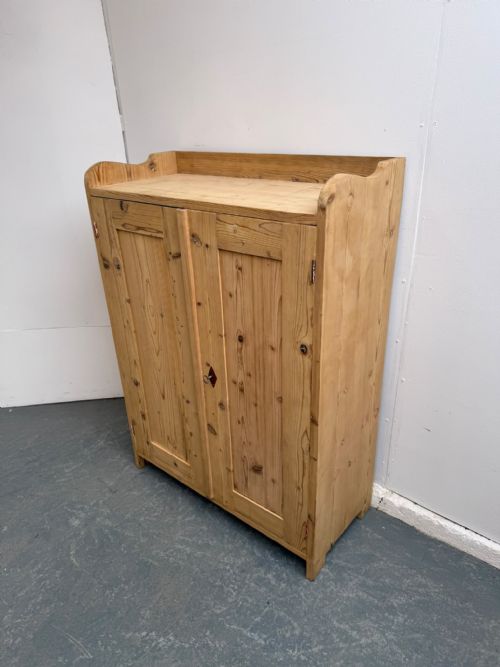
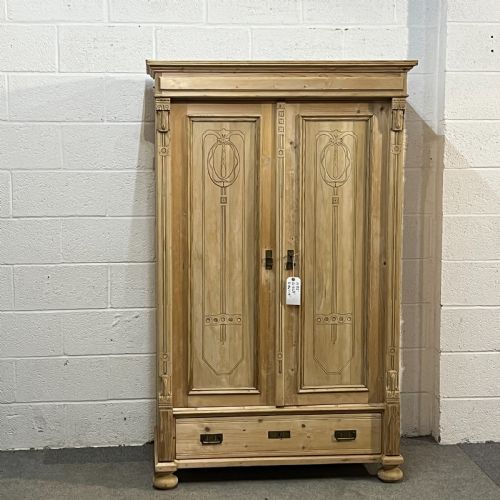
An antique pine standing cupboard encompasses tall storage furniture designed to sit directly on the floor, ranging from corner cabinets and housekeepers cupboards to glazed display pieces. These storage items appear in styles including Georgian, Victorian country, and Scandinavian country, reflecting diverse regional tastes.
The pieces listed on this page span the eighteenth, nineteenth, and early twentieth centuries, capturing shifts in domestic utility and rural design. Buyers encounter two-part forms, single and double door layouts, and specialised vessels such as food cupboards and gun cabinets.
Origins stretch across English, Welsh, Scottish, and Swedish workshops, demonstrating how different localities adapted softwoods for everyday household needs. Whether left with original painted surfaces, stripped, or waxed, each standing cupboard serves as a substantial focal point for modern interiors.
How they were made
Cabinet makers utilised pine as a versatile softwood, frequently enhancing surfaces with paint, simulated grain effects, or clear wax finishes. Construction methods often involved pegged joints, panelled doors, and solid timber backs suited to heavy domestic service.
Hardware played a functional role, with iron and brass hinges, locks, and handles securing doors and drawers. Glass panels were incorporated into glazed display cabinets and corner cupboards to protect contents while allowing visibility.
Regional variations introduced unique decorative touches, from the carved dome tops seen on mid-eighteenth-century pieces to the faux bamboo turnings of later nineteenth-century bedside cabinets and washstands.
A faux bamboo bedside cabinet from the late nineteenth century brings an unexpected botanical whimsy to traditional pine storage.
What varies in quality
The distinction between ordinary utility storage and finer cabinet work lies in the proportion, timber selection, and joinery refinement. Pieces produced by skilled provincial makers often display thoughtful architectural details, such as breakfront cornices or fielded panels.
Surface treatment significantly influences character, with surviving original paint finishes or untouched early patinas holding distinct appeal for collectors. Conversely, alterations, replaced hardware, or unsympathetic stripping can alter the integrity of an antique cupboard.
Structural completeness, such as retaining original two-part configurations, internal shelving, and functioning brass or iron locks, separates standard utilitarian survivors from exceptional examples of regional design.
The Antique Pine Standing Cupboard Glossary
- Corner Cupboard
- A standing storage unit specifically constructed to fit neatly into the ninety-degree angle of a room. These save floor space while providing vertical storage.
- Housekeepers Cupboard
- A large, tall storage piece traditionally used in substantial homes for linen, dry goods, and household provisions. They often combine multiple doors and internal shelving.
- Glazed Display Cabinet
- A standing cabinet featuring glass panels in the doors, designed to exhibit tableware or collections. This form protects delicate items from dust.
- Two-Part Form
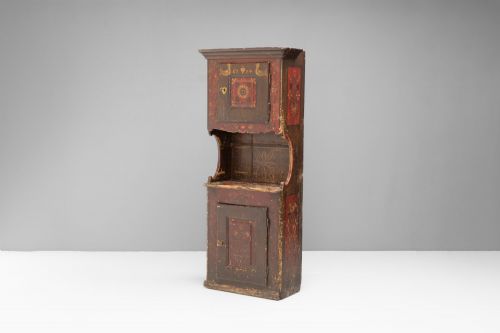
- Furniture constructed in two separate vertical sections, typically a top cabinet resting upon a base or lower cupboard. This design assisted with transport in domestic settings.
- Painted Finish
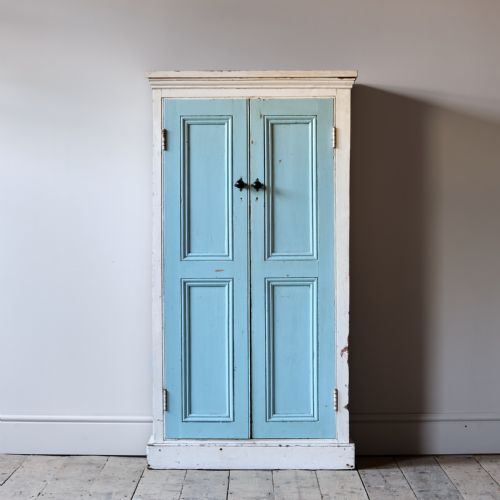
- A decorative surface coating applied to softwood, ranging from early layered lead paints to regional Scandinavian and British colour schemes. Original finishes are valued for their historic appearance.
Antique Pine Standing Cupboard: Frequently Asked Questions
Where should I place a standing cupboard?
These tall pieces suit dining rooms, kitchens, or living spaces where substantial storage is required.
Corner versions make effective use of neglected angles in smaller rooms.
How do I care for antique pine?
Maintain waxed surfaces by applying a traditional beeswax polish to nourish the softwood periodically.
Keep wooden furniture away from direct heat sources and strong sunlight to prevent warping.
What is a two-part cupboard?
A two-part cupboard is built in separate upper and lower modules that stack together for stability.
This construction method made moving heavy furniture through narrow doorways much easier.
Are painted pine cupboards original?
Many regional pieces retain historic or original painted finishes applied to protect and decorate the softwood.
Scandinavia and rural Britain frequently utilised paint rather than polishing the timber.