


Antique Pine Food Pantry
An antique pine food pantry is a utilitarian storage piece that brings honest, rustic charm and practical depth to any kitchen.
Antique Pine Food Pantry
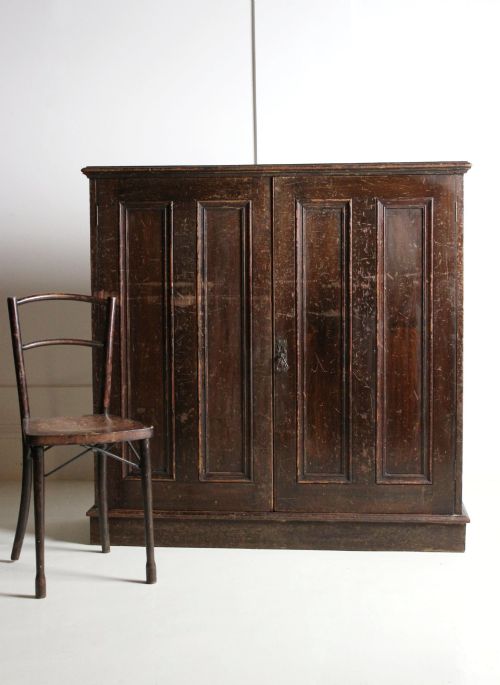
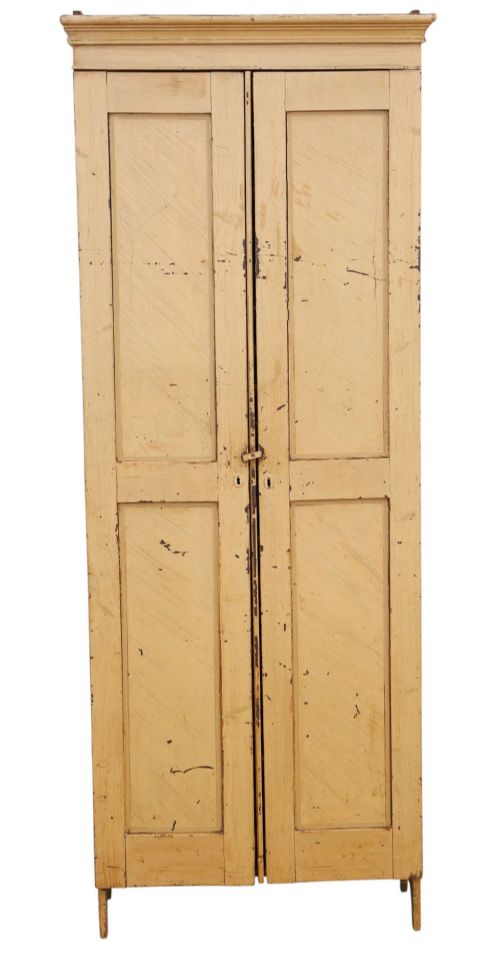
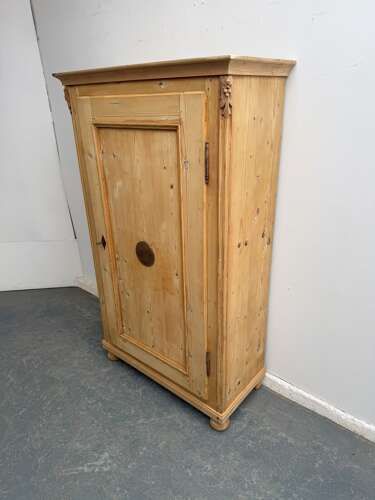
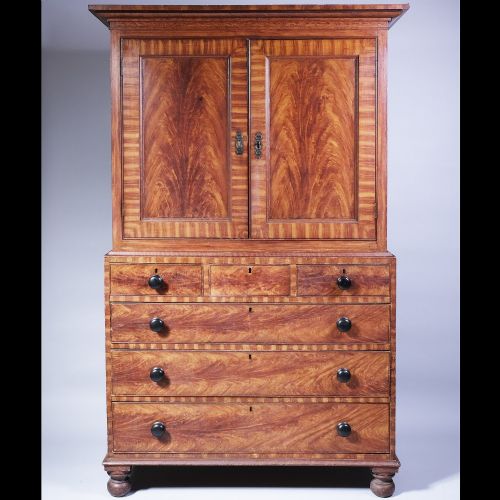
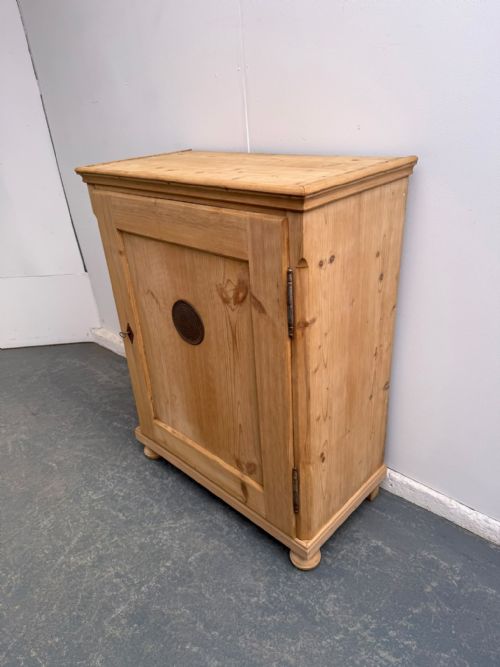
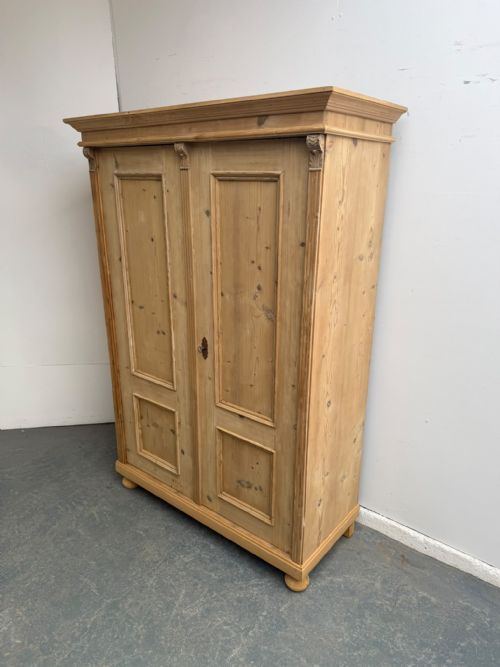
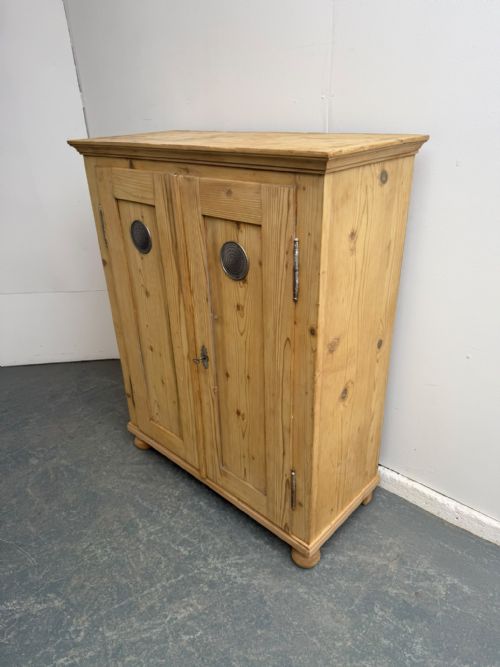
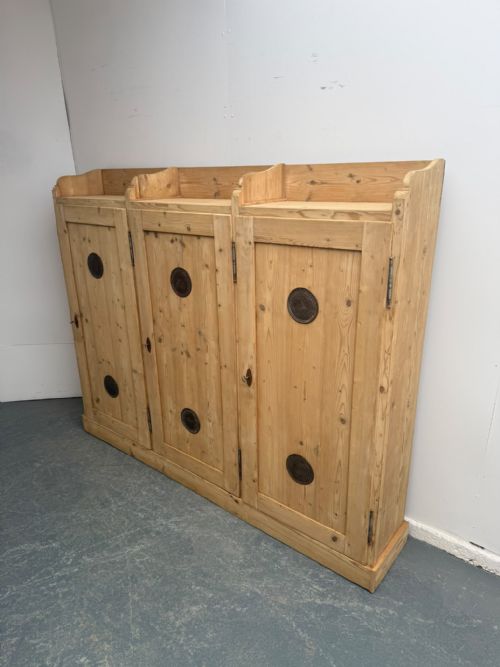
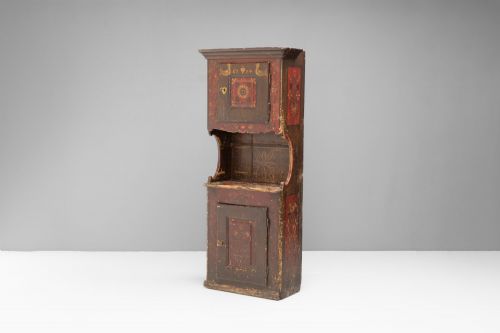
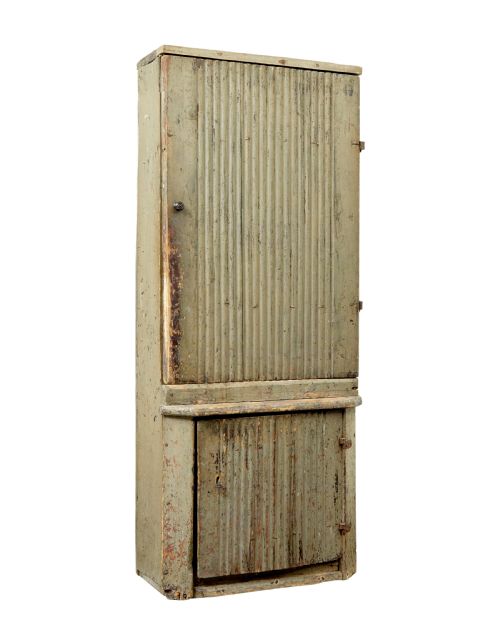
When you search for an antique pine food pantry, you encounter robust storage pieces designed originally for domestic provisions and provisions storage. The examples appearing on this page span several centuries, reaching from the eighteenth century through the Victorian era and into the early twentieth century.
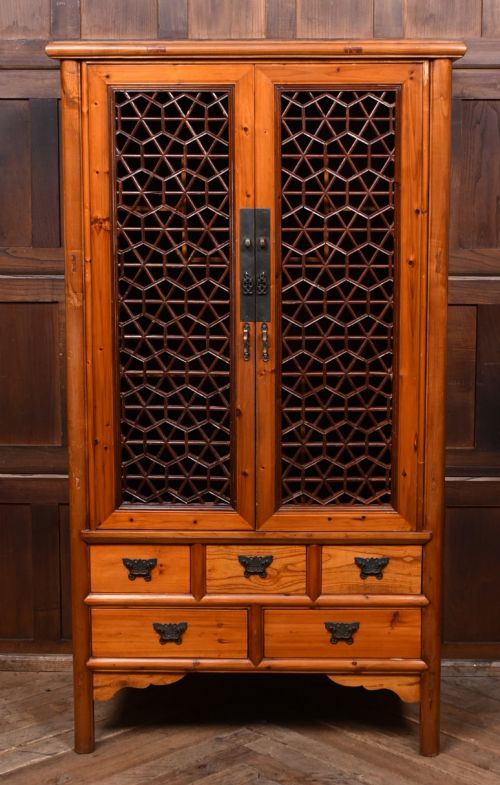
Most pieces you meet here take the form of tall cupboards, housekeepers cupboards, larder cupboards, and linen presses. They reflect vernacular traditions from English, Scandinavian, East European, and Japanese workshops.
Makers built these items using straightforward architectural lines, often incorporating single or double doors, drawers, and ventilated panels for airflow. Buyers look to these items for genuine utility and the warmth of aged timber.
Materials and construction methods
The primary material across these listings is solid pine, sometimes supplemented by cedar and supported by iron, brass, and metal hardware. Carpenters constructed frames to endure daily domestic use, relying on visible joints and straightforward paneling.
Surface finishes vary significantly, ranging from bare wax to historic paint layers, scumble glazes, and cream finishes. Ventilation is frequently achieved through pierced or vented panels that kept stored provisions fresh before refrigeration.
Some cupboards were explicitly designated for bread and cheese, keeping midnight snacks safe from household mice.
Distinctions in quality and build
Quality in these utility pieces rests upon the integrity of the timber, the retention of original surface treatments, and the proportion of the carcass. Pieces retaining their early paintwork or original scumble hold greater visual interest than stripped examples.
Construction details such as dovetailed drawers, original brass or iron hinges, and undisturbed backboards separate standard utilitarian boxes from finer vernacular work. The balance between practical proportion and untouched patination dictates the standing of each piece.
The Antique Pine Food Pantry Glossary
- Scumble painted
- A decorative technique involving a translucent glaze dragged over a lighter base coat to imitate grain. This finish was common in nineteenth-century country furniture.
- Vented cupboard
- A storage piece featuring pierced panels or wire mesh in the doors. This design permitted air circulation around food stores.
- Housekeepers cupboard
- A large multipurpose storage unit traditionally used for household linens, dry goods, and tableware. These pieces often combine upper shelving with lower drawers.
- Vernacular furniture
- Domestic items made by local tradesmen using regional traditions rather than high-style metropolitan designs. Pine food cupboards are prime examples of this tradition.
Antique Pine Food Pantry: Frequently Asked Questions
What is an antique pine food pantry used for today?
These cupboards serve wonderfully as kitchen larders, linen stores, or freestanding wardrobes in modern homes. Their deep shelves and internal compartments provide ample capacity for everyday storage.
Placed in a dining room or hallway, they introduce generous storage while grounding the space with historic timber textures.
How do I care for a painted pine cupboard?
Painted and scumbled surfaces require gentle cleaning with a soft, dry cloth rather than harsh chemical polishes. Keeping the timber away from direct heat sources prevents the wood from warping and protects old paint layers.
Waxed pine surfaces benefit from occasional application of quality beeswax to nourish the wood and maintain a soft sheen.
How can I tell an eighteenth-century cupboard from a Victorian one?
Eighteenth-century examples often display hand-planed surfaces, pegged joints, and vernacular proportions tied closely to regional workshops. They tend to have simpler internal configurations and heavier timber.
Victorian pieces frequently incorporate machine-sawn elements, standardised hardware, and sometimes standardised drawer construction alongside applied mouldings.
Why do some food cupboards have vented doors?
Vented doors were essential for air circulation before mechanical refrigeration existed. They allowed cool air to reach bread, cheese, and cured meats stored inside.
This ventilation prevented condensation buildup and kept perishable provisions fresh for longer periods within the dark interior.