


Antique Pine Farmhouse Desk
An antique pine farmhouse desk brings honest utility and warm timber grain straight into a working interior.
Antique Pine Farmhouse Desk
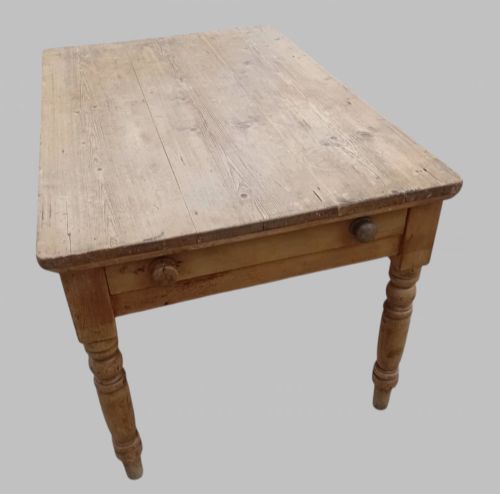
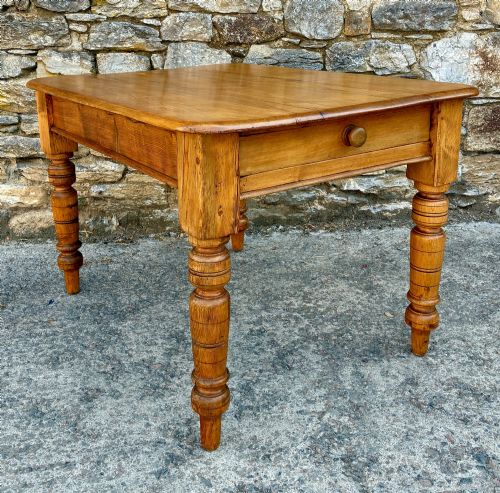
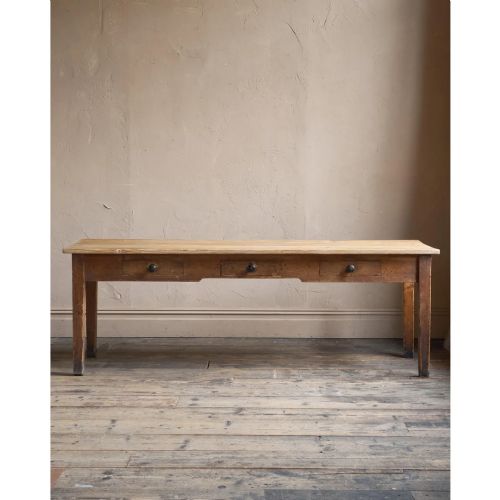
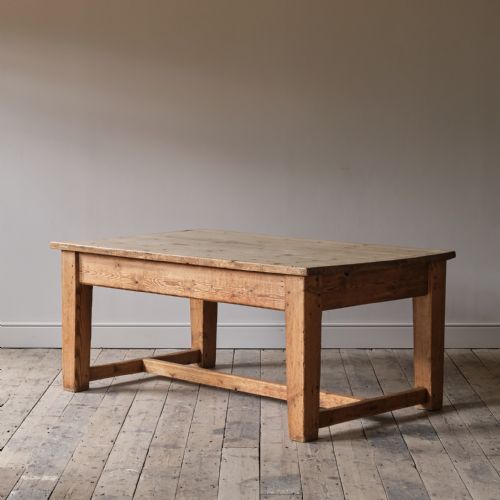
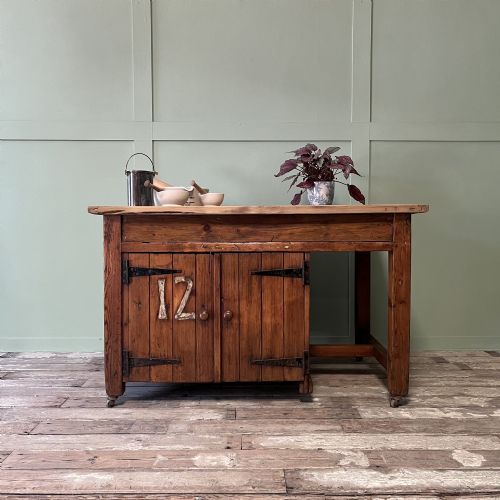
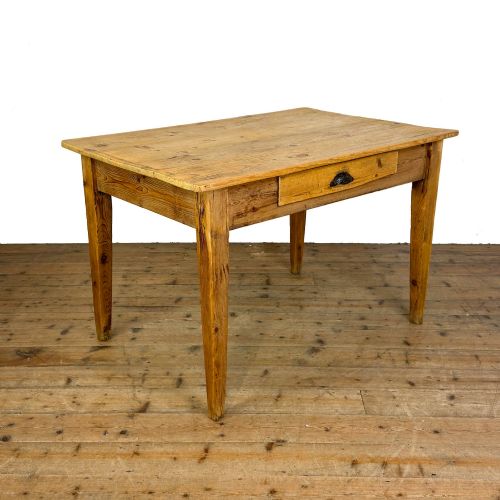
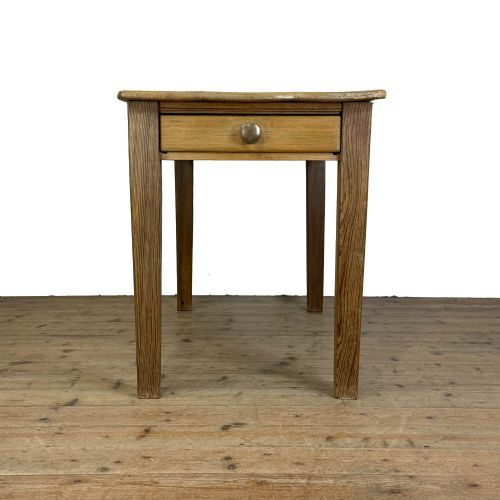
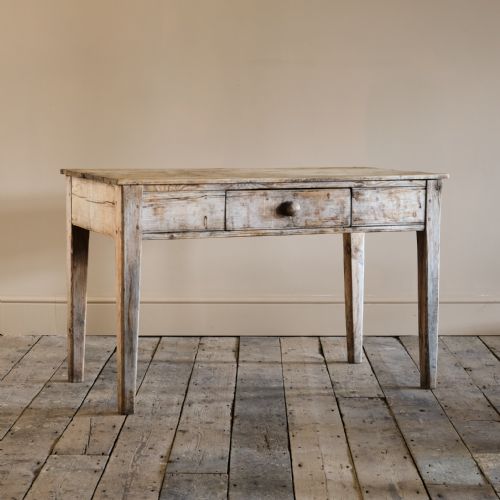
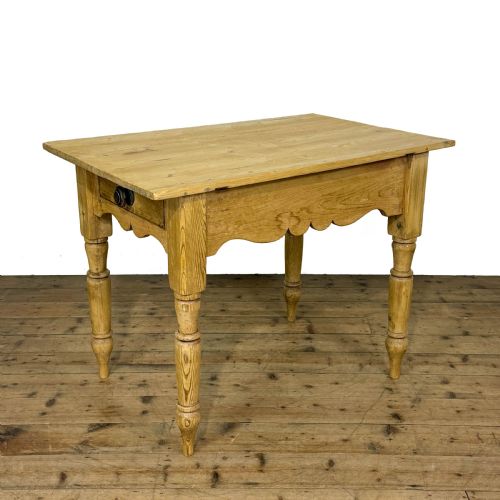
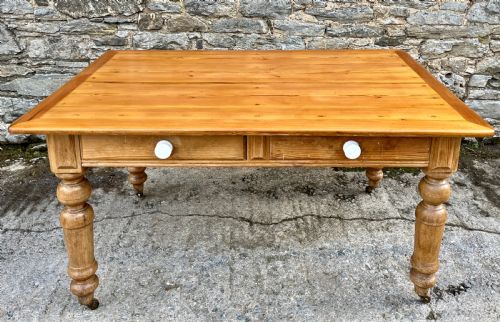
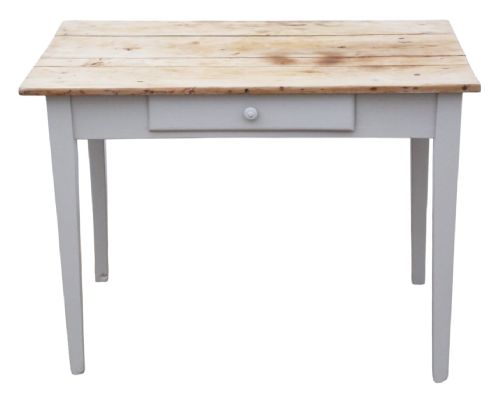
When searching for an antique pine farmhouse desk, buyers encounter robust everyday tables and work surfaces adapted from nineteenth-century kitchens, sculleries, and workshops. The pieces appearing here span the nineteenth century, the Victorian era, and the early twentieth century, taking forms such as scrub-top kitchen tables, tavern tables, and prep tables with fitted drawers.
Most examples hail from English, French, and Scandinavian traditions, displaying regional characteristics like trestle bases, painted legs, or unadorned timber tops. While primarily built for heavy domestic labour, these sturdy tables function reliably as writing desks and study surfaces in modern rooms.
Materials and construction
Makers utilised solid pine and mixed timber for the primary structures, occasionally combining oak or iron elements for added stability. Surfaces frequently feature scrubbed tops designed for heavy daily cleaning, paired with turned or square legs.
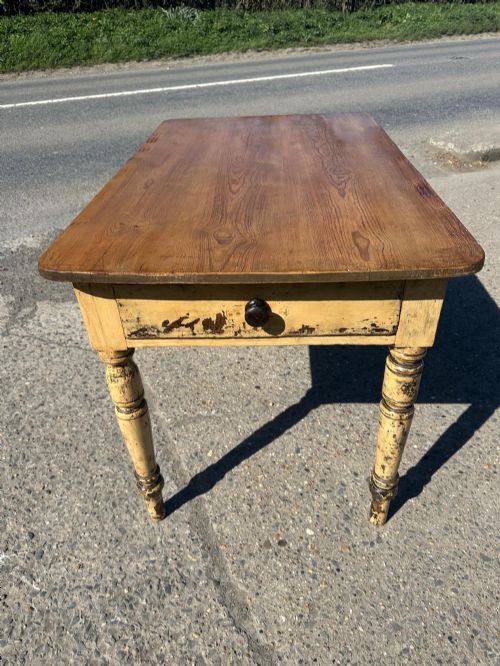
Secondary materials include brass fittings on select bases and original paint finishes, such as traditional Falu red or distressed green, applied directly to the timber frames and drawer fronts.
Listings feature pieces spanning the nineteenth century up to 1920, incorporating materials like pine, oak, iron, paint, and brass across various regional table forms.
Assessing quality in country furniture
Quality rests primarily in the integrity of the timber and the honesty of the construction, distinguishing honest working tables from later adaptations. Superior pieces maintain their original proportions, uncompromised scrub tops, and functional drawers equipped with traditional wooden runners.
The character of the surface finish dictates visual appeal, separating tables bearing honest patination and original paint from those stripped down indiscriminately. Structural soundness in the joints and trestle supports ensures the piece handles daily writing tasks without wobble.
The Antique Pine Farmhouse Desk Glossary
- Scrub top
- A bare wooden table surface repeatedly scoured with water and sand to keep it hygienic. This process leaves a pale, smooth grain with deep character.
- Trestle table
- A table comprising two or more supports connected by a horizontal beam. This design provides sturdy legroom underneath.
- Falu paint
- A traditional deep red paint originating from copper mines in Sweden. It preserves softwood effectively and develops a matte finish over decades.
- Scullery table
- A utility table built for heavy kitchen chores like food preparation and washing. These pieces often feature deep storage drawers.
- Tavern table
- A compact, sturdy table designed for commercial alehouses and domestic dining. They typically feature thick plank tops and robust legs.
Antique Pine Farmhouse Desk: Frequently Asked Questions
How do I use a farmhouse table as a desk?
These tables offer generous surface areas and comfortable knee clearance suited for daily writing and laptop work. Pairing the piece with a supportive chair creates a functional workspace.
Ensure the working height aligns comfortably with your seating. Adding a desk lamp illuminates the timber grain effectively.
Are these tables sturdy enough for daily work?
Solid pine and heavy timber construction provide reliable stability for writing and computer use. Traditional joinery keeps the frames rigid over years of service.
Checking the leg joints and trestle stability ensures the surface remains level. Regular care preserves the timber frame against constant pressure.
How do I clean a scrubbed pine top?
A damp cloth with mild soap removes everyday dust and light marks safely. Avoid harsh chemical cleaners that strip the natural oils from the soft timber.
Dry the surface thoroughly after cleaning to prevent moisture damage. Natural beeswax nourishes the grain over time.
What periods do these pieces come from?
The selection spans the nineteenth century, the Victorian era, and the early twentieth century. Makers built these items for demanding domestic and commercial environments.
Construction details and wood patination help distinguish the exact era. Each period reflects regional working practices across England, France, and Scandinavia.