
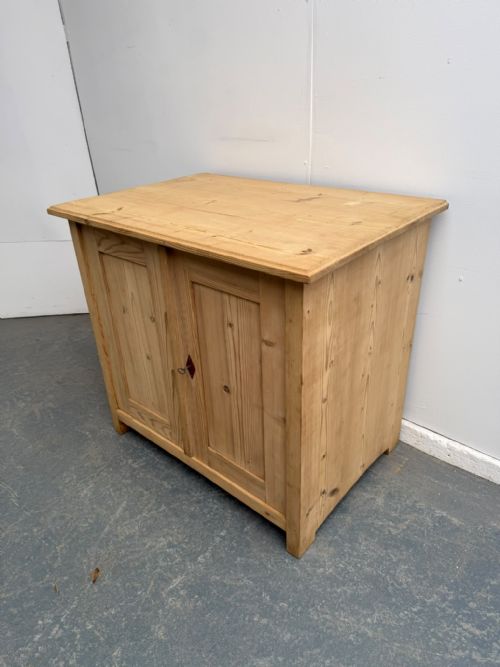
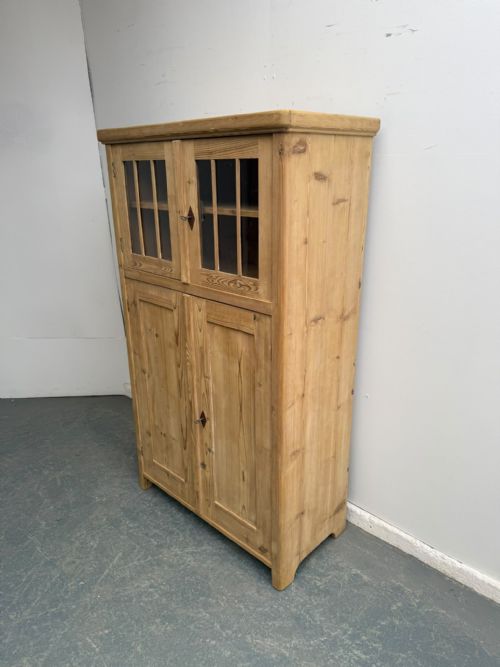
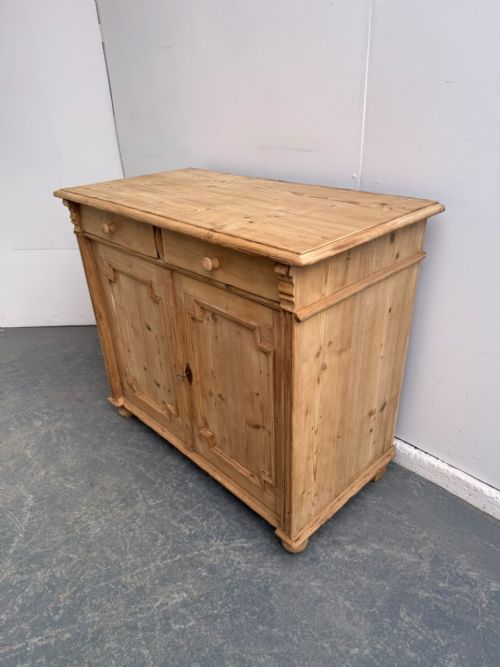
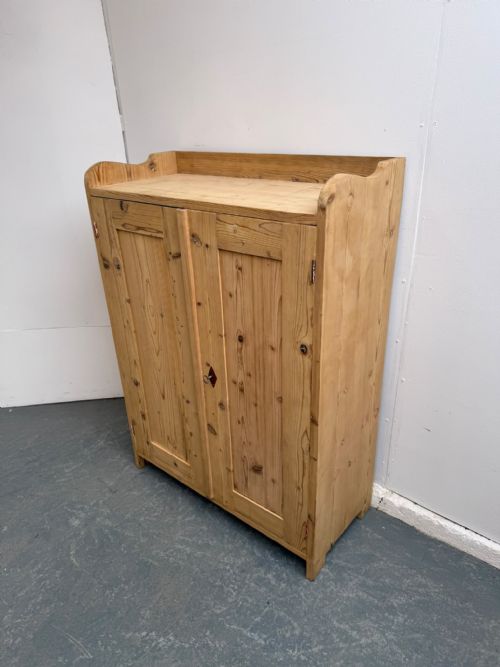
Antique Pine Dresser Unit
An antique pine dresser unit brings honest utility and warm grain to domestic spaces, combining practical storage with time-worn character.
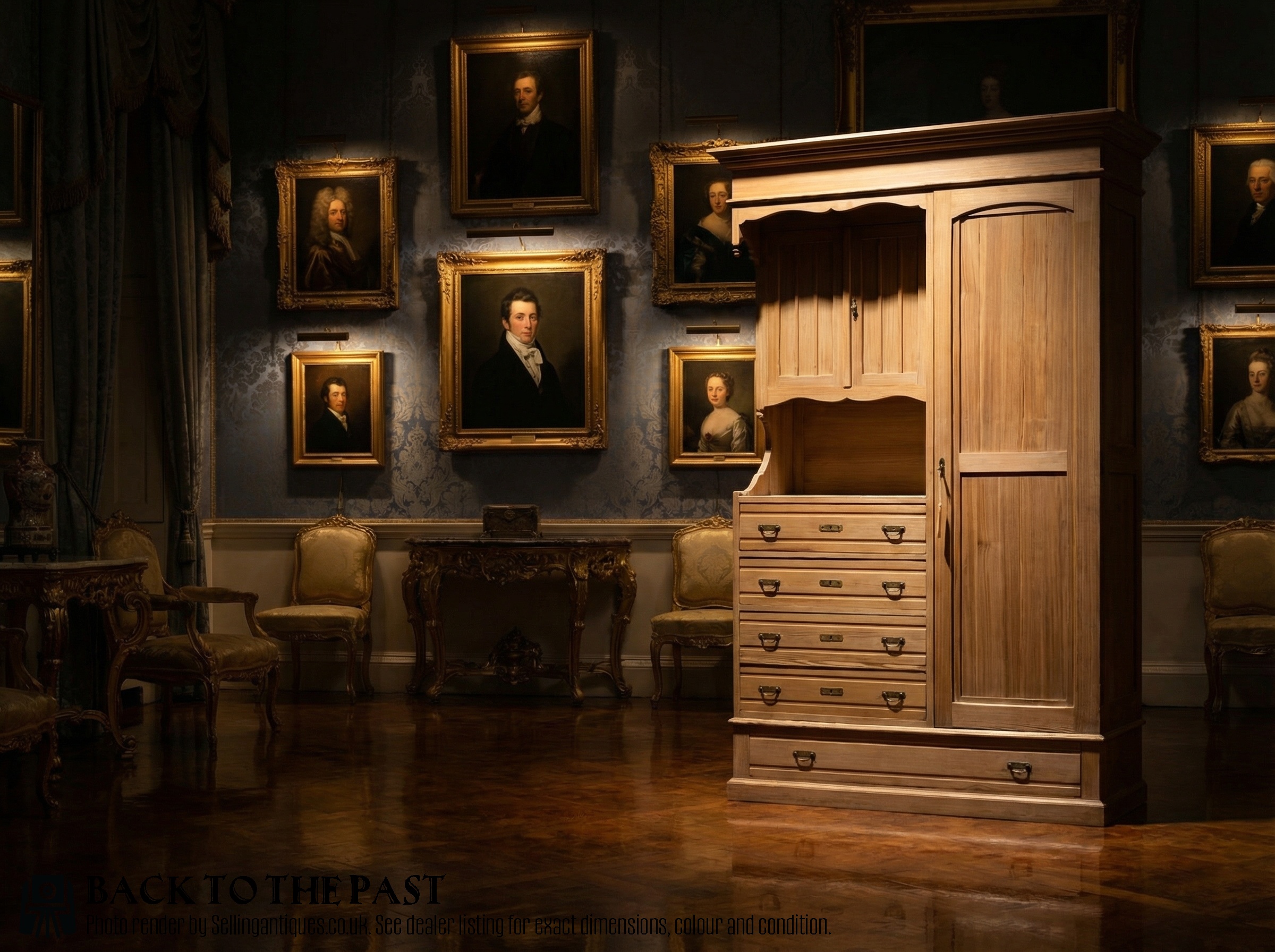
Antique Pine Dresser Unit
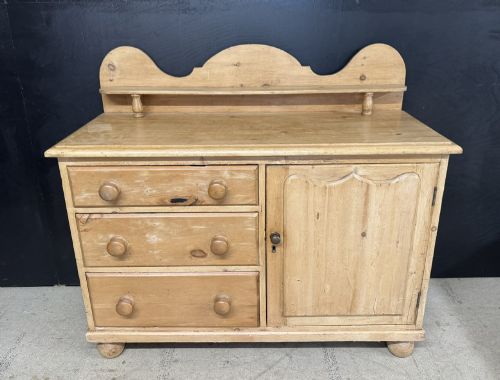
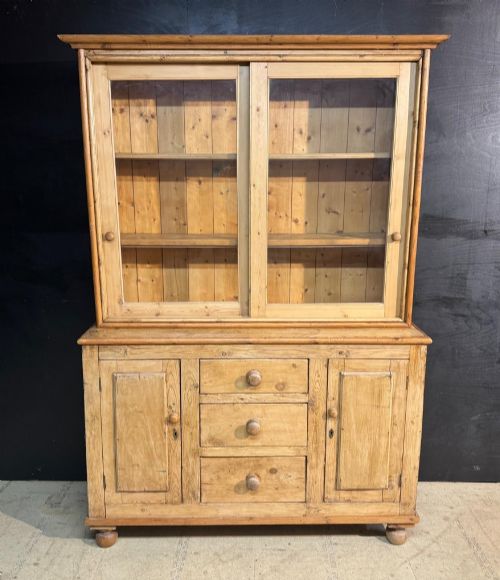
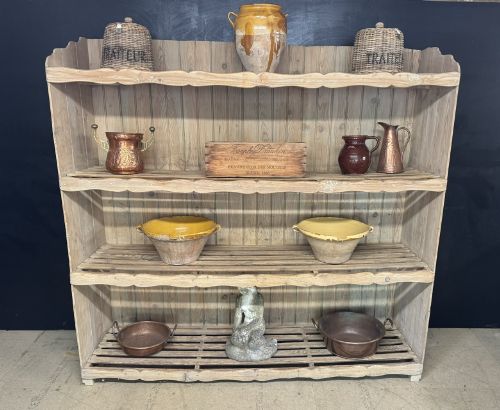
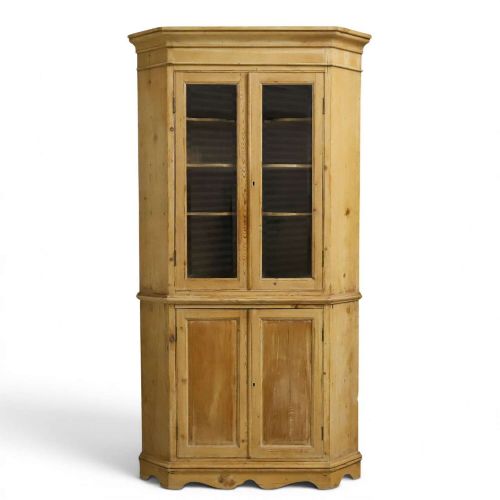
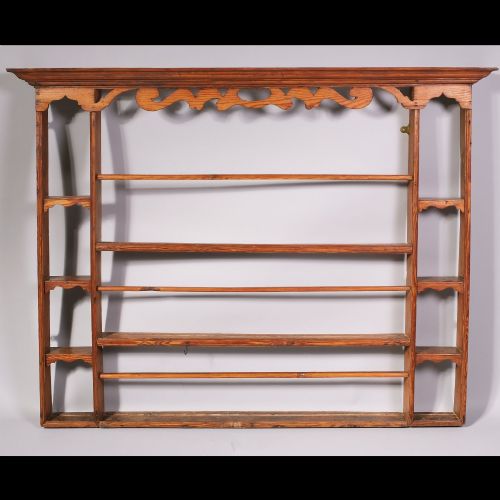
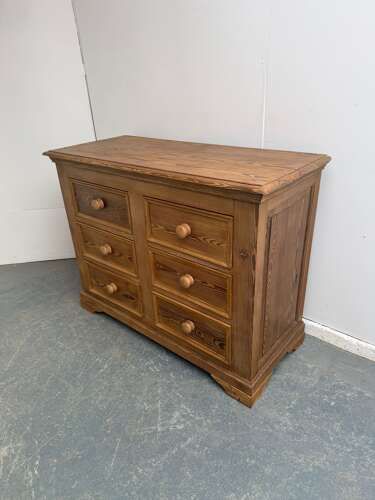
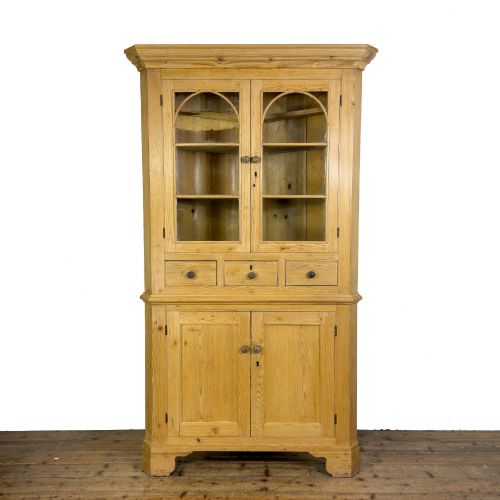
An antique pine dresser unit encompasses a variety of practical wooden storage forms, from kitchen dresser bases and plate racks to corner cabinets and multi-drawer chests. When exploring these listings, buyers most frequently encounter pieces originating from the Victorian and Georgian periods, alongside 19th-century continental examples.
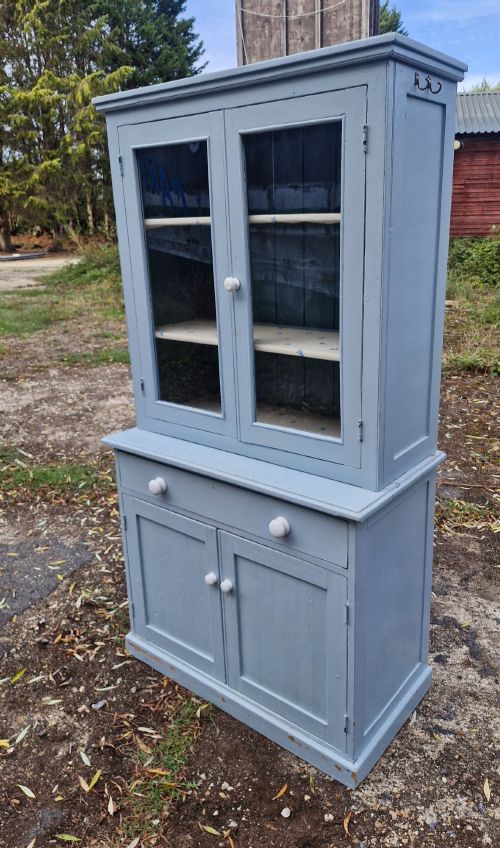
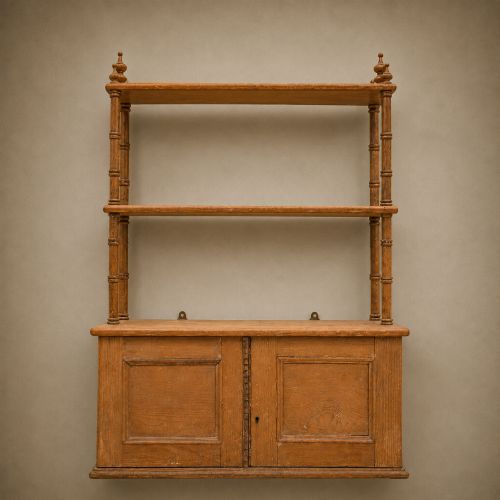
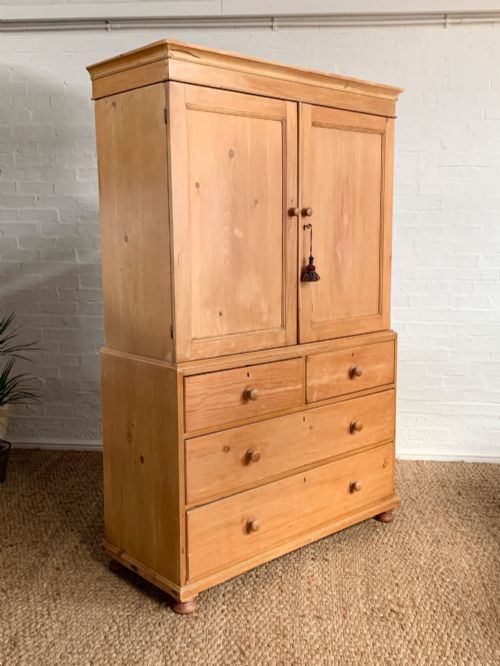
These items serve as functional furniture designed for domestic storage and display, utilising natural timber or painted finishes. The selection ranges from compact wall shelves with cupboards to large multi-door storage cabinets and housekeepers cupboards.
Regional variations appear across English, French, Irish, and Hungarian origins, showing distinct approaches to country craftsmanship and utility. Pieces frequently combine storage drawers, glazed doors, open shelving, and cupboards within a single footprint.
Assessing quality in antique pine
Quality rests in the integrity of the original construction, the balance of proportions, and the survival of authentic surface treatments like early paint or scumble work. Pieces retaining their original hardware, glass panes, and structural fittings demonstrate higher integrity.
The sophistication of the joinery and the selection of the timber grain distinguish finer examples from standard utility pieces. Alterations, heavy surface stripping, or mismatched replacements affect the overall coherence of the unit.
Some nineteenth-century chests of drawers arrived with hidden compartments designed to keep family secrets safe from prying eyes.
The Antique Pine Dresser Unit Glossary
- Pitch pine
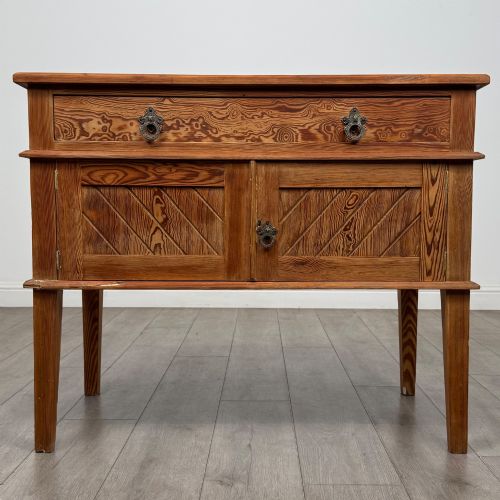
- A dense variety of pine noted for its prominent growth rings and resinous content. It provides a harder, more durable surface than standard softwoods.
- Scumble pine
- Pine treated with a translucent glaze or paint layer manipulated with tools to create faux wood grains or decorative patterns. This technique was common in folk art and regional furniture.
- Dresser base
- The lower section of a kitchen dresser, typically featuring a combination of drawers and cupboards beneath a solid top. It functions independently as a sideboard or preparation surface.
- Housekeepers cupboard
- A large storage piece traditionally used in substantial homes for linen and provisions. These units often feature multiple doors and internal shelving.
- Plate rack
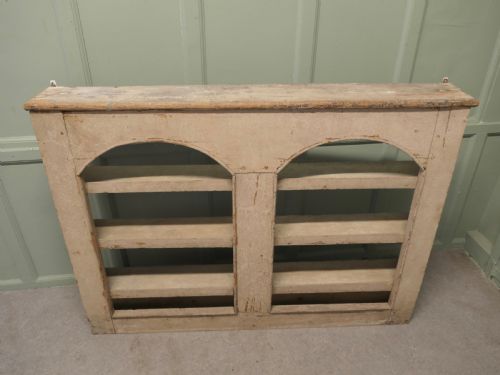
- Open wooden shelving designed specifically to display plates upright against a wall. They frequently incorporate smaller cupboards or hooks below.
Antique Pine Dresser Unit: Frequently Asked Questions
How do I care for antique pine?
Maintain waxed surfaces by applying a traditional beeswax polish periodically to nourish the softwood and preserve the sheen. Avoid placing wooden furniture near direct heat sources or in areas with high humidity to prevent warping.
Dust regularly with a soft, dry cloth. Protect the timber from moisture rings by using coasters and mats beneath any objects placed on the surface.
Were these pieces painted originally?
Many utility pieces received coats of paint or scumble finishes to protect the softwood and brighten farmhouse interiors. Paint was often applied to conceal knots or less desirable grain patterns in standard pine.
Stripped pine has become popular in modern interiors, but surviving original paintwork offers significant historical value and decorative charm. Identifying traces of early pigment helps determine the age and provenance of a unit.
How do I date an antique pine unit?
Examine construction methods, tool marks, and hardware to establish the era of manufacture. Hand-cut dovetails, handmade nails, and original backboards provide reliable clues to eighteenth or nineteenth-century origins.
Compare the style and proportions against known regional forms from periods such as the Georgian or Victorian eras. Secondary woods used in drawer linings also assist in confirming the period.