


Antique Pierced Metal
These antique pierced metal pieces range from hearth fenders to tables, forged with openwork designs to catch the eye and let warmth through.
Antique Pierced Metal
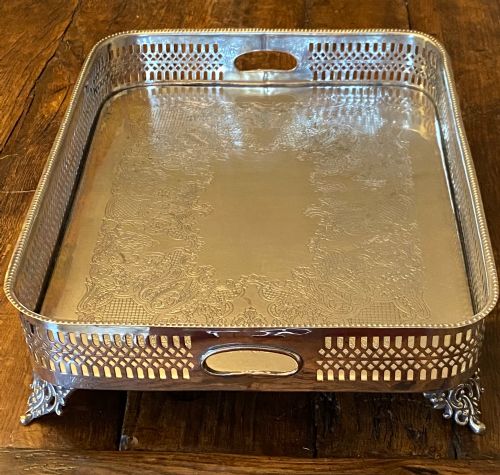
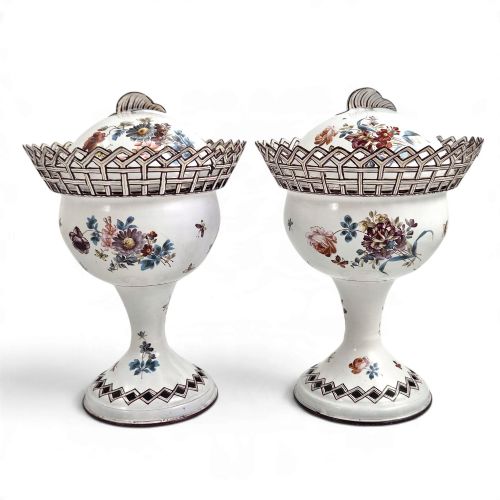
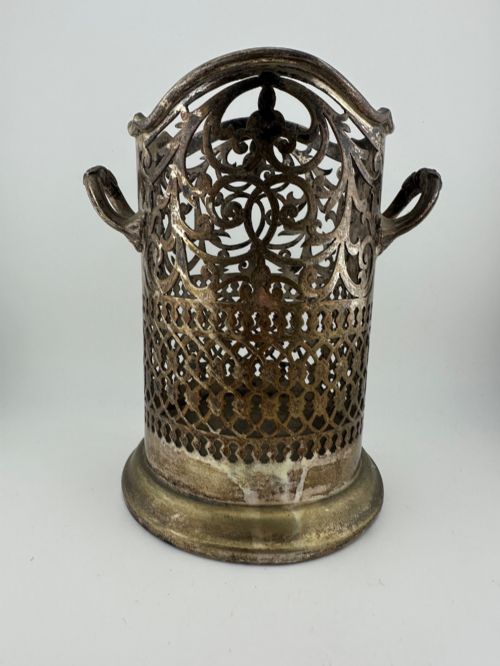
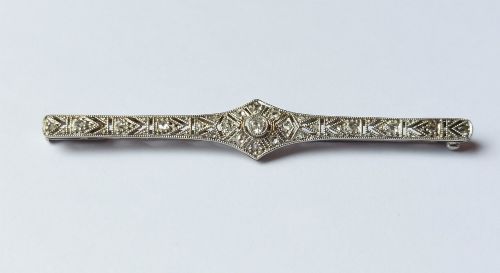
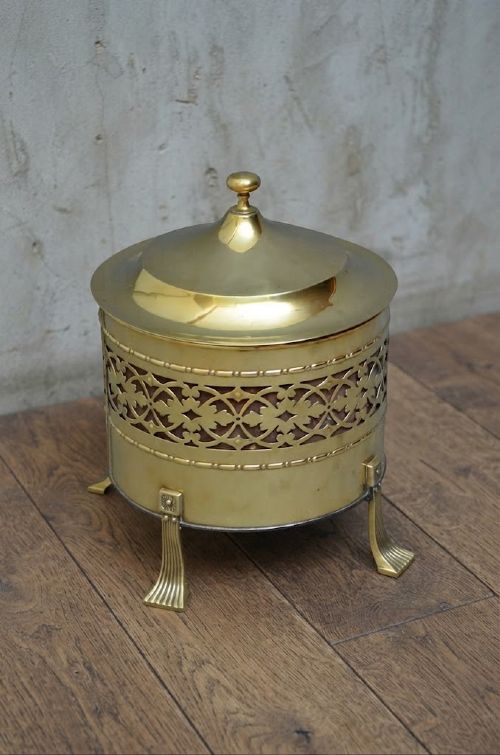
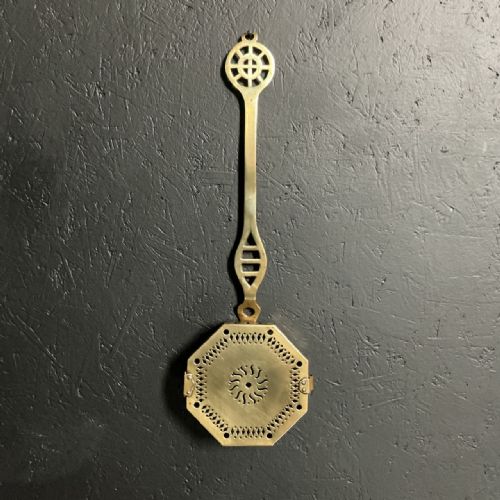
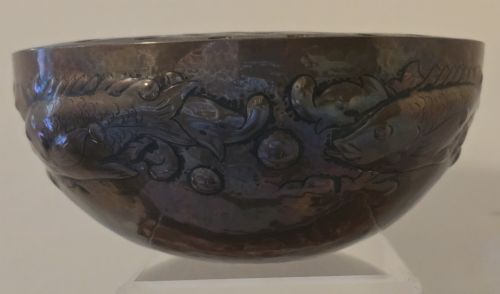
When you search for antique pierced metal, you encounter domestic items where openwork and fretwork form the primary decoration. The selection spans hearth furniture such as fire fenders and footmen, alongside tables, trays, and vessels.
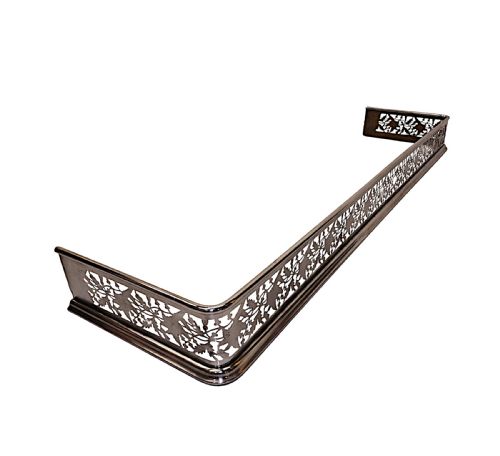
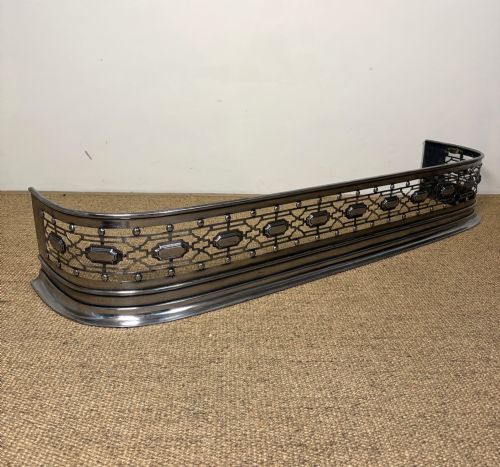
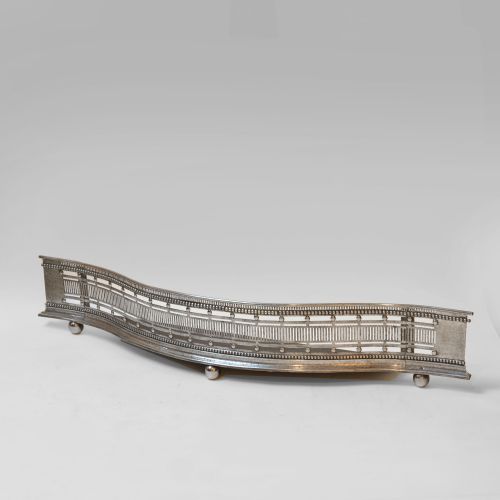
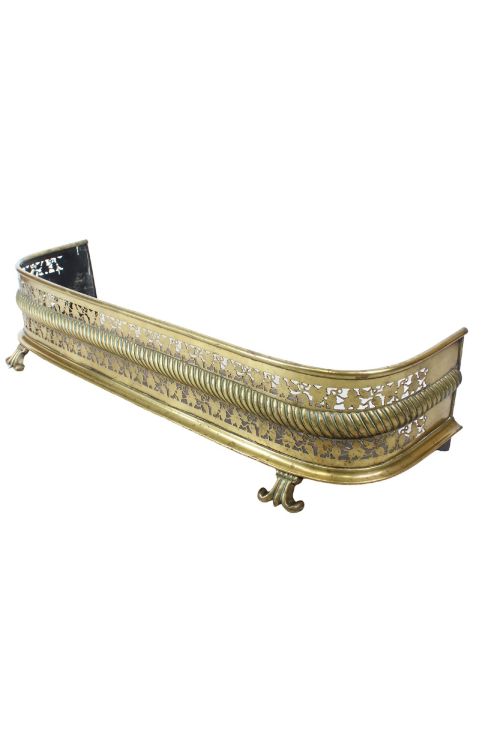
Fireplace accessories dominate the domestic range, particularly brass and steel fenders from the Victorian and Georgian periods. These items feature slotted or cut-out borders designed to sit before an open fire.
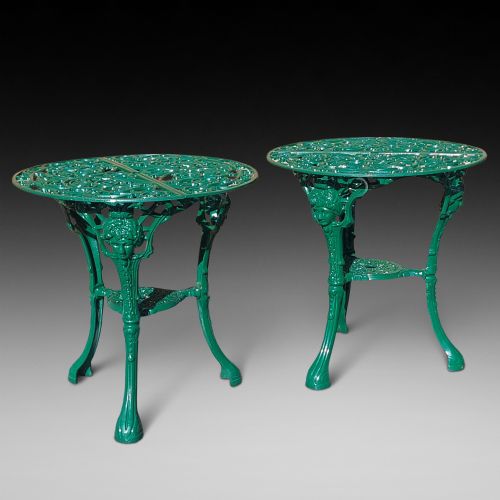
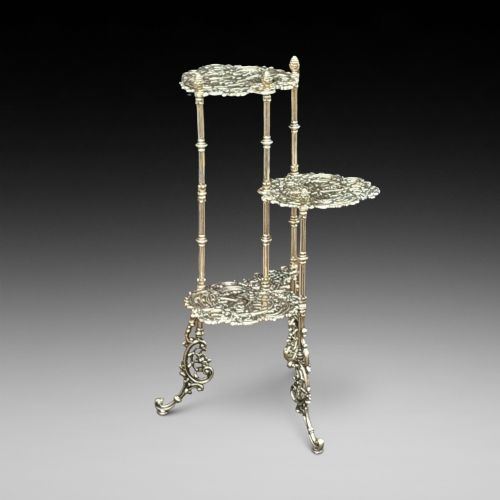
Occasional tables and plant holders also appear, including hexagonal occasional tables and jardinieres utilising brass, copper, and cast iron. These pieces cross various styles, from Mamluk Revival and Art Nouveau to Chinese Qing Dynasty influences.
Materials and construction
Makers utilised metals such as brass, copper, steel, and cast iron, often combining them within a single piece like a brass and steel fire fender. Piercing was executed by hand-cutting or casting the design directly into the sheet metal.
Surface treatments included burnishing, polishing, and inlay work, such as white-metal and copper-inlaid brass on Cairoware tables. Fretwork designs were drilled, filed, and chased to achieve clean edges in functional items.
Antique Pierced Metal Retail Price Guide 2026
Typical asking prices for pierced metal among the pieces listed under this phrase on Sellingantiques today, from the lower quarter to the upper quarter. They describe what is for sale here now, not the wider market.
Materials span base metals and alloys, including cast iron, burnished steel, silver plate, and inlaid brass.
Judging quality in pierced metal
Quality rests in the crispness of the piercing and the weight of the metal. Thicker gauge brass and steel resist warping near hearths, while finer hand-piercing yields sharper geometric or floral motifs.
The integrity of joints and the retention of original components, such as matching fire irons or unpolished patination, separate standard utilitarian items from finer examples.
Newlyn Copper·Christofle·Christopher Dresser
The Antique Pierced Metal Glossary
- Fender
- A low metal guard placed in front of a fireplace to contain sparks and ash. Georgian and Victorian examples frequently incorporate pierced or serpentine fronts.
- Footman
- A metal stand placed by the fire to keep dishes warm. These typically combine a pierced brass top with steel legs.
- Cairoware
- Nineteenth and twentieth-century brass metalwork featuring intricate openwork and silver or copper inlay, often taking the form of hexagonal occasional tables.
- Patera
- A circular ornamental motif resembling a classical libation dish, often stamped or cast onto the corners of fire fenders.
- Censer
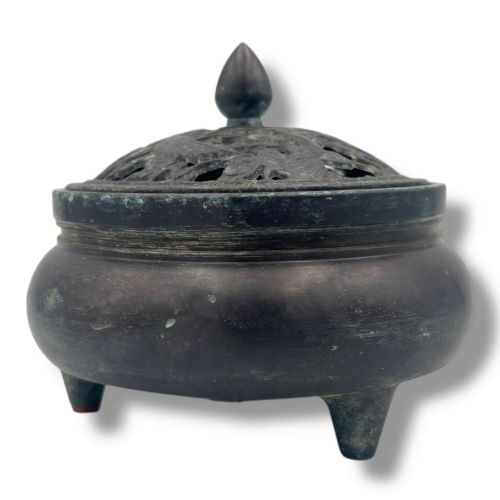
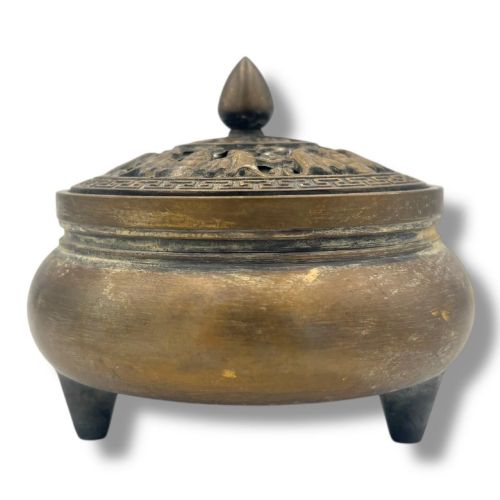
- A vessel used for burning incense, frequently cast in bronze with pierced lids showing floral or dragon motifs.
Antique Pierced Metal: Frequently Asked Questions
How do I clean antique brass and steel?
Dust gently with a soft dry cloth to preserve the existing patination. Avoid harsh chemical polishes that strip the age from the metal.
Steel components may require light maintenance with mineral oil to prevent rust, while brass benefits from minimal intervention to retain its darker historic tone.
Were these fenders meant for coal or wood fires?
Most nineteenth-century and Georgian fenders served open coal grates within domestic parlours. Their pierced designs allowed heat to circulate into the room while containing stray embers.
Steel versions handled the higher heat of coal fires, whereas decorative brass variations often suited formal drawing rooms.
What is Cairoware furniture?
Cairoware describes nineteenth and twentieth-century Islamic-style metalwork produced in Egypt and Europe. These pieces feature dense hand-pierced patterns and contrasting metal inlays.
Hexagonal tables and Quran stands form the primary examples of this ornate orientalist style seen in domestic interiors.
How do I date a pierced metal fender?
Dating relies on stylistic clues and construction methods. Georgian pieces tend to show hand-chiselled serpentine fronts, while Victorian items often incorporate cast brass crests and standardised fixings.
Matching the material thickness and accompanying fire irons helps narrow down the period of manufacture.