


Antique Pierced Box
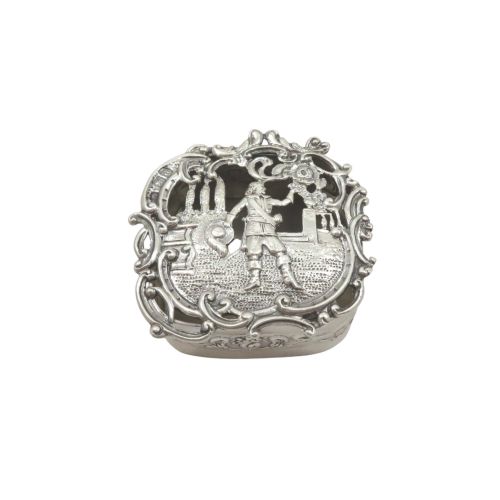
When you search for an antique pierced box, you are looking at small silver containers shaped by openwork metal, often lined with velvet or silk to hold tiny treasures.
Antique Pierced Box
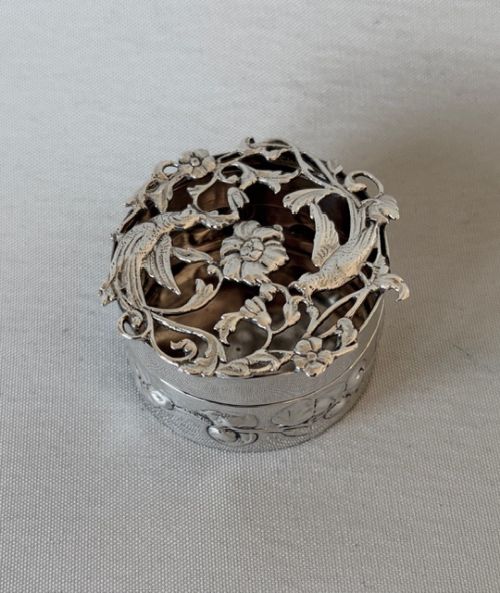
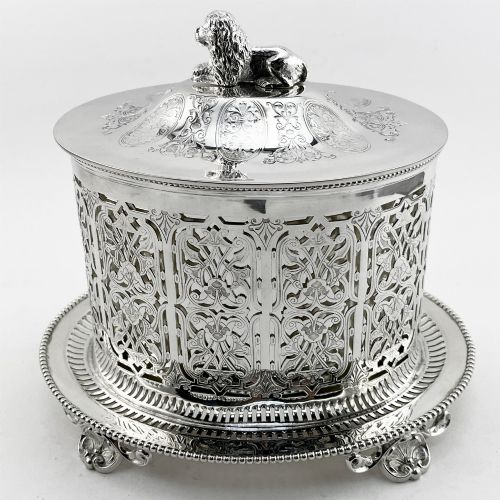
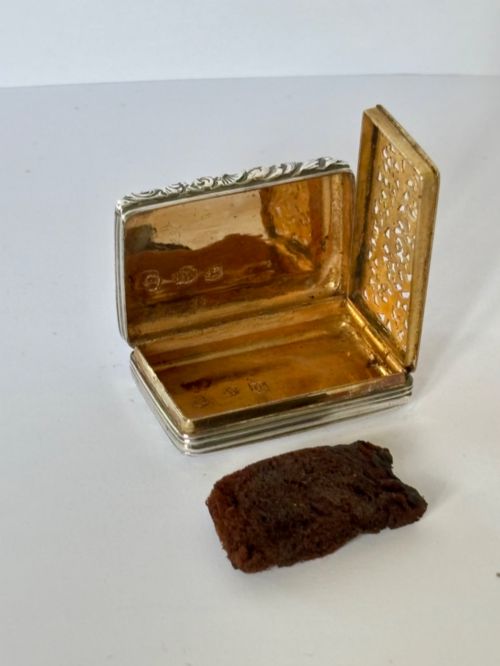
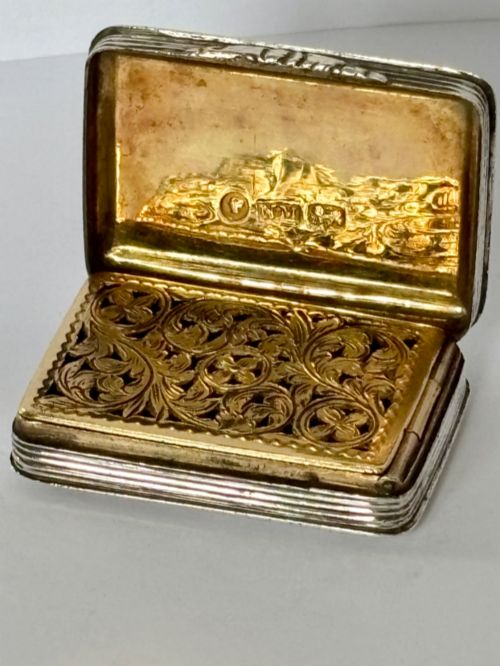
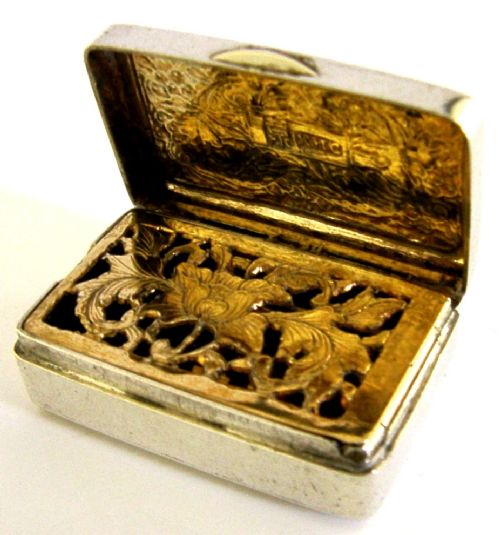
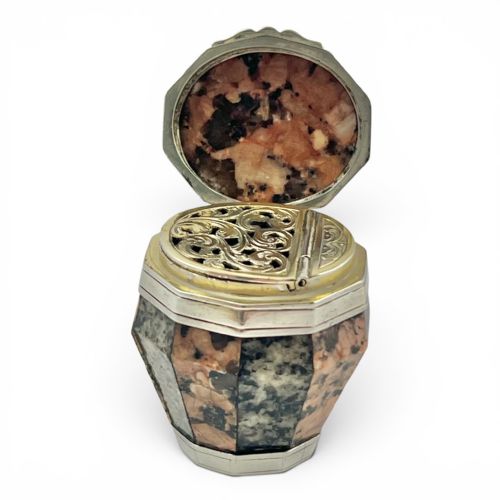
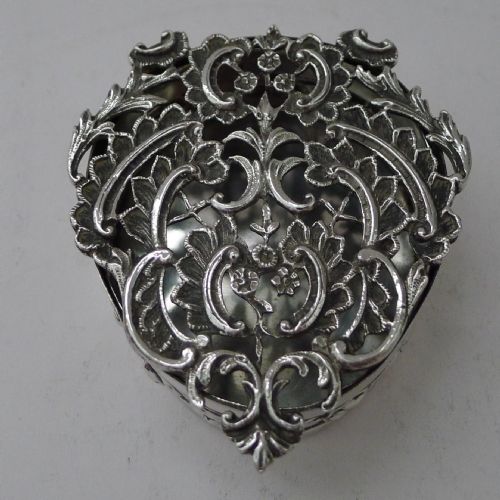
An antique pierced box is a small receptacle designed for dressing tables and writing desks, appearing frequently in sterling silver from the Victorian and Edwardian periods. These pieces often take the form of trinket boxes or potpourri containers where the lid or body is cut through with openwork designs.
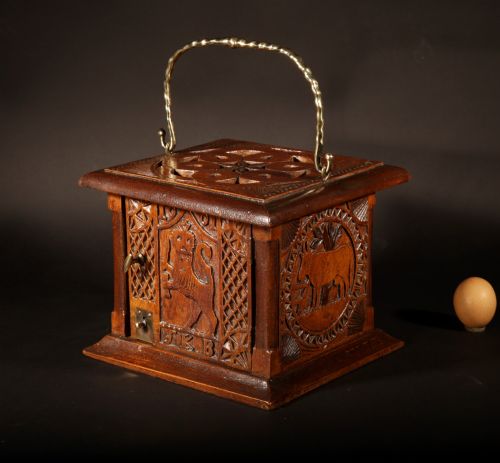
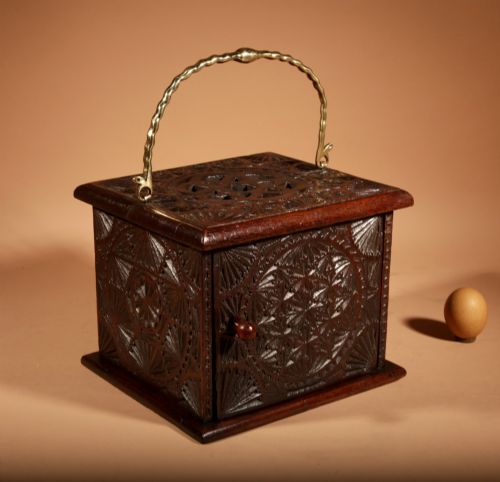
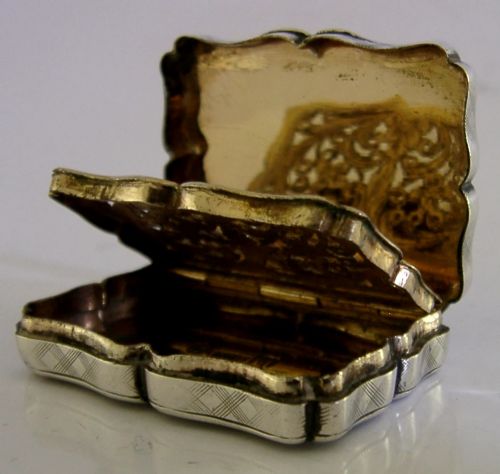
The materials span sterling silver, silver gilt, and occasional variations featuring wooden structures like oak or walnut with brass mounts. Alongside standard trinket containers, related forms such as vinaigrettes, cotton holders, and small caskets surface within these periods, showing the same decorative pierced treatment.
Originating largely from British workshops and silversmiths active around the turn of the twentieth century, these objects served to hold pins, dried petals, or small personal items. The piercing allows air to circulate or light to pass through the metalwork, distinguishing them from solid walled containers.
How They Were Made
Silversmiths constructed these boxes using sterling silver sheets shaped by hand, hammering and soldering the metal into circular, oval, or rectangular forms. The openwork patterns were achieved by piercing the silver with a fine saw or punching out shapes before refining the edges by hand.
Many interiors incorporate fitted linings of silk, velvet, or padded fabric to cushion the contents, held securely within the metal framework. Hinges and catches were soldered with precision to ensure snug closures on lids meant for daily handling.
Antique Pierced Box Retail Price Guide 2026
Typical asking prices for pierced box among the pieces listed under this phrase on Sellingantiques today, from the lower quarter to the upper quarter. They describe what is for sale here now, not the wider market.
Listings feature sterling silver and silver gilt forms alongside wooden and brass items spanning the eighteenth to the twentieth centuries.
What Varies in Quality
The standard of an antique pierced box rests on the crispness of the openwork cutting and the weight of the silver used in its body. Finer examples display clean, sharply defined piercing without distortion to the surrounding metal, whereas lesser pieces show softer edges and thinner gauge silver that yields easily to pressure.
Another distinction lies in the interior condition and the precision of the hinge work. Original silk or velvet linings that remain intact alongside tight, well-aligned lids indicate superior original manufacture and careful preservation.
Martin Hall & Co·Walker & Hall·William Comyns·Nathaniel Mills·Edward Smith·Wang Hing & Co
The Antique Pierced Box Glossary
- Sterling silver
- A silver alloy containing 92.5 percent pure silver and 7.5 percent other metals, usually copper, to add durability. This is the predominant metal found in these boxes.
- Pierced work
- A decorative technique where portions of sheet metal are cut away to create open patterns such as floral scrolls or geometric lattices. It lets light pass through the container walls.
- Vinaigrette
- A small ornamental box featuring an inner pierced grille, originally used to hold a sponge soaked in aromatic vinegar. They are closely related to the smaller formats of trinket boxes.
- Pot pourri box
- A container designed with a perforated or pierced lid to release the scent of dried flower petals placed inside. These appear frequently in Edwardian silver selections.
- Silver gilt
- Sterling silver that has been coated with a thin layer of gold on its surface. This treatment provides a rich interior or exterior colour contrast.
Antique Pierced Box: Frequently Asked Questions
What were antique pierced boxes used for?
These boxes served primarily as vanity items on dressing tables, holding small personal effects such as pins, trinkets, or scented petals. The pierced lids allowed fragrances to diffuse when used for potpourri.
They were also given as gifts for significant occasions, reflecting the refined tastes of Victorian and Edwardian domestic life.
How do I clean a silver pierced box?
Cleaning requires a soft brush and mild silver polish to clear tarnish from the intricate openwork without damaging any fabric lining inside. Care must be taken around delicate hinges and velvet inserts.
Harsh chemical dips should be avoided, as they can strip away original patination and ruin fabric elements housed within the metal framework.
Are all pierced boxes made of sterling silver?
While the majority are fashioned from sterling silver, variations exist in silver gilt, brass, or wood mounted with metal openwork. Each material dictates a different weight and tactile quality.
Checking for hallmarks helps identify solid silver pieces against plated or alternative metal varieties found across the period.
How can I tell a Victorian box from an Edwardian one?
Victorian examples often display heavier, more ornate Gothic revival or heavily scrolled motifs, while Edwardian pieces lean towards lighter, airier floral patterns. Hallmarks stamped into the metal provide definitive year letters for exact dating.
Examining the style of the scrollwork alongside the maker's mark offers clear clues to the decade of production.