


Antique Picture of Venice
An antique picture of Venice captures the eternal romance of the lagoon through oils and watercolours spanning the Victorian era into the twentieth century.
Antique Picture of Venice
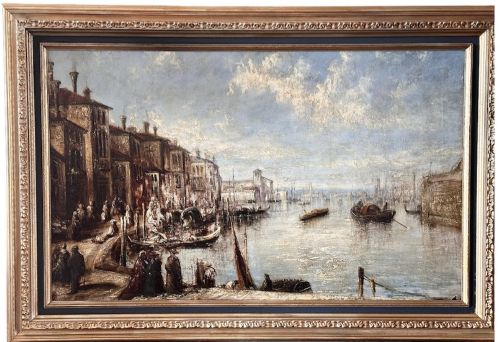
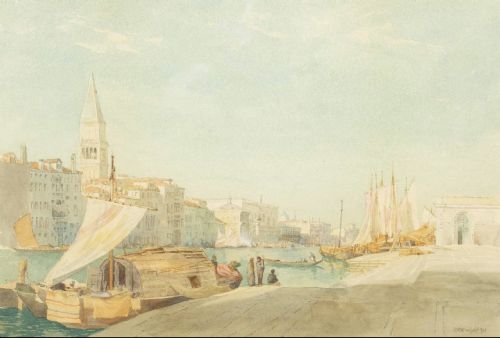
When you search for an antique picture of Venice, you find framed artworks depicting the canals, palazzos, and lagoons of the famous Italian city. These pieces range from bustling views of the Grand Canal to quiet glimpses of Venetian waterways painted by British and European artists.
The version you are most likely to meet on this page is a nineteenth-century watercolour or oil painting. Many of these works capture the atmospheric light and architecture that fascinated travellers during the Victorian period and the early twentieth century.
The selection also includes French impressionist interpretations and detailed townscapes focusing on landmarks such as the Ducal Palace and Santa Maria della Salute. Each piece preserves a historic perspective of Venice rendered through traditional artistic mediums.
How they were made
Artists created these Venetian scenes primarily using oil on canvas or watercolour pigment on paper, often framing the finished works in carved wood and giltwood frames. The application of paint ranges from the fluid, transparent washes typical of nineteenth-century watercolours to the rich texture of oil paintings.
Support materials such as canvas and heavy paper formed the foundation for these compositions, while glass protected the delicate surface of works on paper. Artisans housed many of these paintings in ornate gilt frames that complement the classical subjects.
Several artists braved the Venetian canals with sketchbooks in hand, capturing gondolas long before the arrival of the modern waterbus.
What varies in quality
The distinction between standard works and exceptional pieces rests upon the artist's ability to capture the unique light and atmosphere of the lagoon. Skilled painters manipulate colour and perspective with precision, bringing depth to the architecture of the canals and vitality to the water.
Provenance and the reputation of the hand behind the brush elevate certain pieces above anonymous townscape sketches. The preservation of the original medium, whether oil pigment or watercolour, alongside a sympathetic period frame, contributes to the overall standing of the work.
Francis Moltino·Richard Henry Wright·F J Aldridge·Claude Jousset·Alfred Pollentine·William Raymond Dommersen·Hercules Brabazon Brabazon·Frank Wasley·David Law·William Knox·George Stanfield Walters·Wilfred Knox·Arthur Severn·Helen Donald-Smith
The Antique Picture of Venice Glossary
- Watercolour
- A painting method in which the paints are made of pigments suspended in a water-based solution. These works are typically executed on paper and protected behind glass.
- Oil on Canvas
- A traditional painting technique utilising pigments bound with a drying oil, applied to a stretched canvas support. This method allows for rich colour depth and textured brushwork.
- Giltwood
- Wood that has been treated with a thin layer of gold leaf or gilt paint. Frames finished in this manner frequently encase nineteenth-century fine art.
- Impressionism
- An art style characterised by relatively small, thin yet visible brush strokes and an emphasis on accurate depiction of light. Examples in these listings include British and French interpretations of Venetian scenes.
Antique Picture of Venice: Frequently Asked Questions
How do I identify a Victorian Venice painting?
Victorian depictions of Venice often exhibit a traditional academic style or early atmospheric realism, executed in either watercolour or oil on canvas. Artists of this era frequently focused on famous landmarks rendered with careful attention to architectural detail.
Examination of the backing materials, framing style, and artist signatures can help confirm the nineteenth-century origin of the piece.
Are watercolours of Venice fragile?
Watercolour paintings on paper require careful protection from direct sunlight to prevent the pigments from fading over time. Keeping them behind glass in a stable environment preserves the delicate washes.
Proper framing with acid-free mounts ensures the paper remains secure and free from moisture damage.
What is the difference between an oil and watercolour view?
Oil paintings feature textured brushwork on canvas that offers rich colour saturation and durability. Watercolours present a lighter, more translucent quality on paper, capturing the bright light of the Venetian lagoon.
Both mediums were favoured by travelling artists documenting the city across different centuries.
How should I display a vintage Venice artwork?
Hang your picture away from direct heat sources and strong sunlight to protect the canvas or paper from deterioration. Matching the piece with its original giltwood or wooden frame maintains its historical integrity.
Ensure the wall fixings are secure, particularly for heavier oil paintings mounted in substantial frames.