




Antique Pictorial Wall Art
Antique pictorial wall art brings centuries of woven wool, painted tile, and delicate needlework directly onto the wall where fine imagery belongs.
Antique Pictorial Wall Art
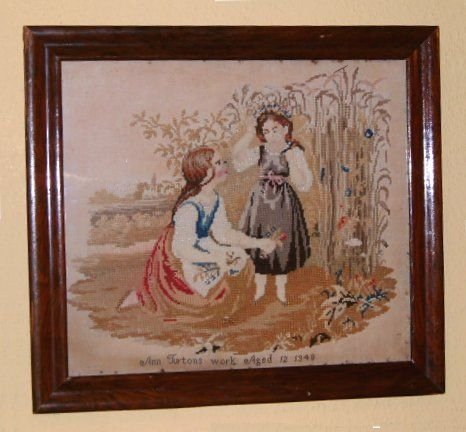
When you search for antique pictorial wall art, you encounter a diverse assemblage of decorative wall hangings, framed panels, and mounted tiles spanning from the sixteenth century to the Edwardian era. These pieces transform flat vertical surfaces into narratives using textile, ceramic, and glass mediums.
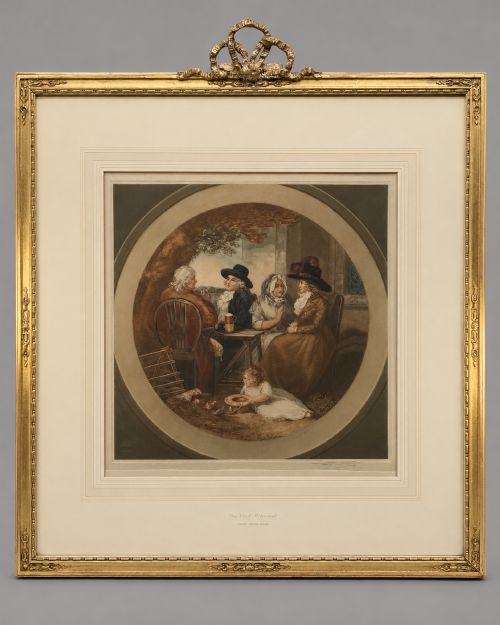
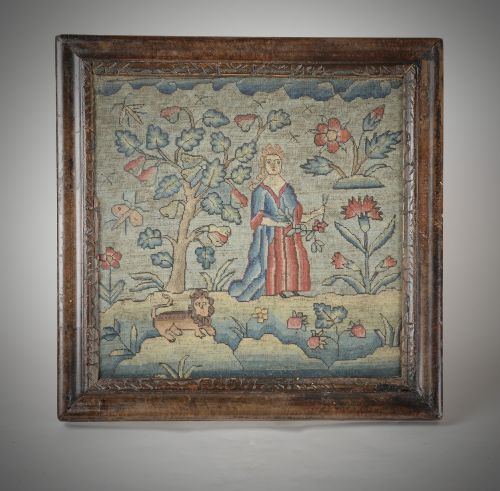
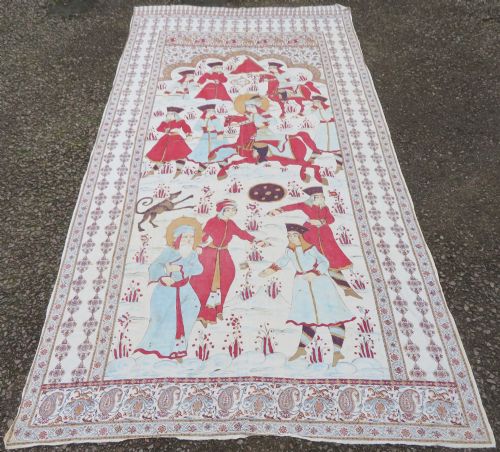
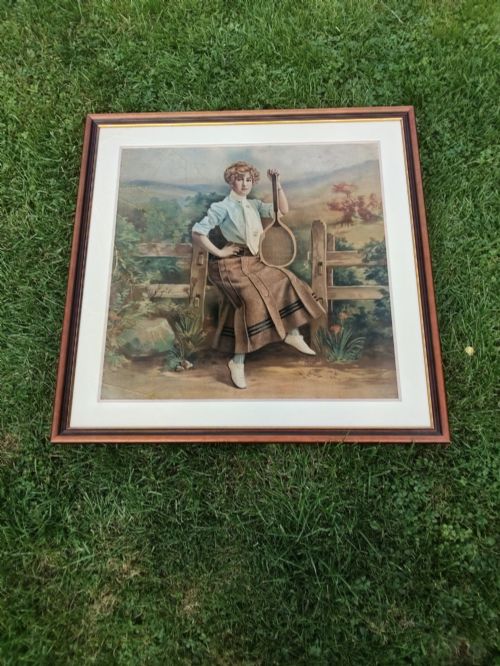
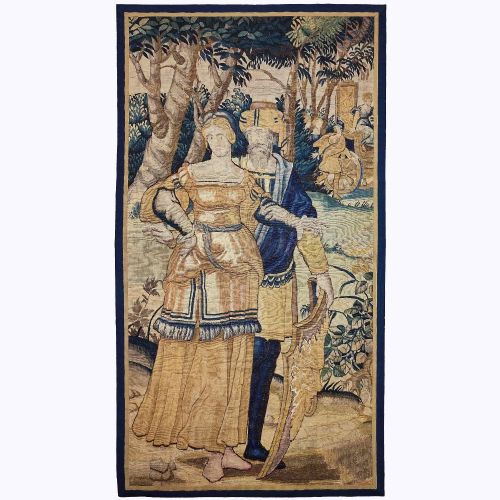
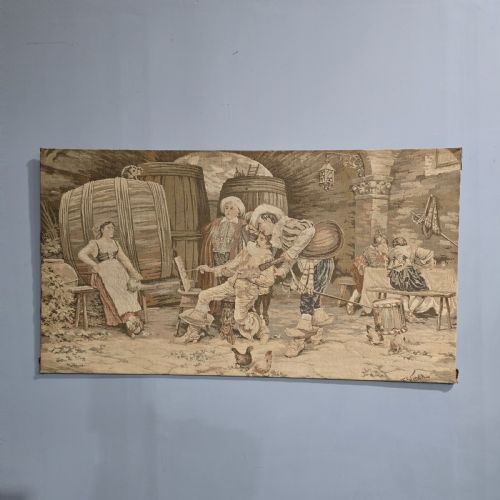
The selection on this page leans heavily towards tapestries, needlework panels, samplers, and framed decorative tiles. You find Flemish Renaissance panels alongside Victorian samplers, Edwardian mezzotints, and Persian Kalamkari textiles.
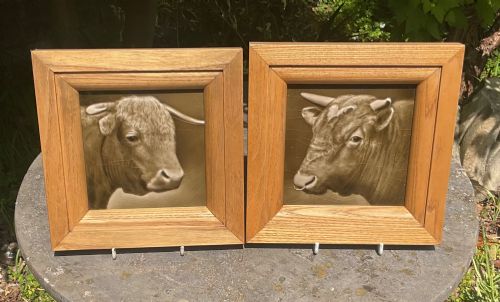
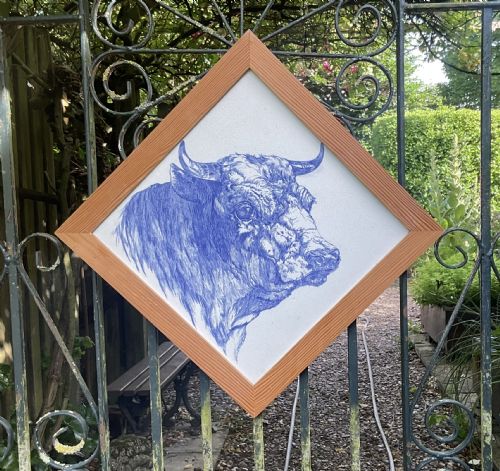
Forms range from large seventeenth-century cushion covers and North German tapestries to small glazed ceramic tiles depicting butcher shops and farm animals. Each object serves primarily to bring colour, texture, and historic narrative into an interior space.
What varies in quality
Quality in these decorative objects rests on the fineness of the execution, the integrity of the materials, and the survival of the original format. Tightly worked gros point and petit point needlework with subtle colour shading sits well above hastily produced decorative textiles.
For ceramics, the crispness of the moulding and the depth of the glaze define the better examples. Original period framing, such as rosewood or giltwood surrounds, elevates the overall standing of a framed tapestry or print.
Antique Pictorial Wall Art Retail Price Guide 2026
Typical asking prices for pictorial wall art among the pieces listed under this phrase on Sellingantiques today, from the lower quarter to the upper quarter. They describe what is for sale here now, not the wider market.
A butcher's shop scene immortalised in glazed ceramic tile proves that historic wall art could celebrate even the most utilitarian trades.
Eugene James Tily·Sherwin & Cotton·Mintons
The Antique Pictorial Wall Art Glossary
- Mezzotint
- A printmaking process where the copper plate is roughened to produce dark tones, allowing smooth gradations of light and shade. This technique creates velvety portraits and pictorial scenes.
- Gros point
- A counted-thread needlepoint embroidery using a larger stitch on canvas, frequently utilised in nineteenth-century pictorial panels. It provides a robust texture ideal for heavy wall hangings.
- Kalamkari
- A type of hand-painted or block-printed cotton textile originating from Persia and India. These cloths depict intricate narrative scenes using natural dyes.
- Sampler
- An embroidered piece created by a maker to demonstrate proficiency in various stitches and alphabets. Victorian and Georgian examples often incorporate pictorial motifs alongside lettering.
- Flemish Renaissance
- An artistic style prevalent in sixteenth-century Flanders, known for densely populated and richly coloured narrative tapestries. These panels often depict allegorical or historical subjects.
Antique Pictorial Wall Art: Frequently Asked Questions
How do I hang a heavy tapestry?
Heavy tapestries and textile panels require even weight distribution across the top edge rather than single point fixings. Utilising a lined sleeve sewn to the reverse allows a wooden batten or metal rod to slide through safely.
Fixing the batten directly into wall studs ensures the textile remains secure without pulling or distorting the historic weave over time.
Can I clean antique needlework?
Cleaning antique needlework and tapestries is perilous because old threads and natural dyes are frequently fragile and prone to running. Gentle surface dusting with a soft brush attached to a low-suction vacuum covered with mesh is usually the safest approach.
Wet cleaning should be left entirely to specialist textile conservators to avoid irreversible shrinkage or colour loss.
How do I protect framed tiles from moisture?
Framed ceramic tiles need stable indoor environments away from damp exterior walls and direct sunlight. Moisture can penetrate behind the glaze or affect the plaster backing used inside the frame.
Ensuring the room maintains a consistent temperature prevents condensation from forming on the ceramic surface or the protective glass.
How do I date a framed tapestry?
Dating a tapestry involves examining the materials, the types of wool and silk dyes used, and the style of the figures depicted. Early sixteenth and seventeenth-century works display distinct weaving densities and colour palettes compared to mid-nineteenth-century gros point.
The framing also offers clues, as Victorian and Edwardian pieces are often housed in contemporary wood or giltwood frames characteristic of their manufacturing period.