


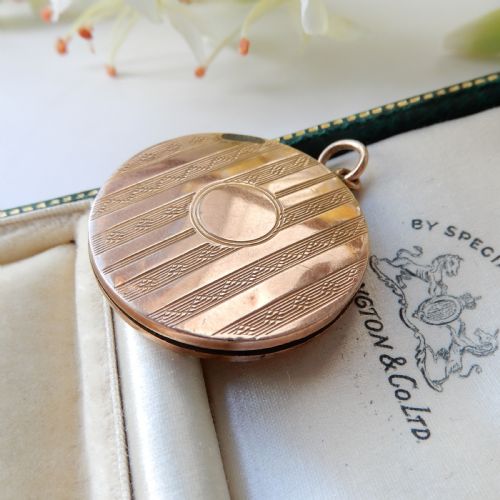

Antique Photo Pendant
An antique photo pendant holds a miniature portrait or keepsake close to the heart, combining personal sentiment with master craftsmanship.
Antique Photo Pendant
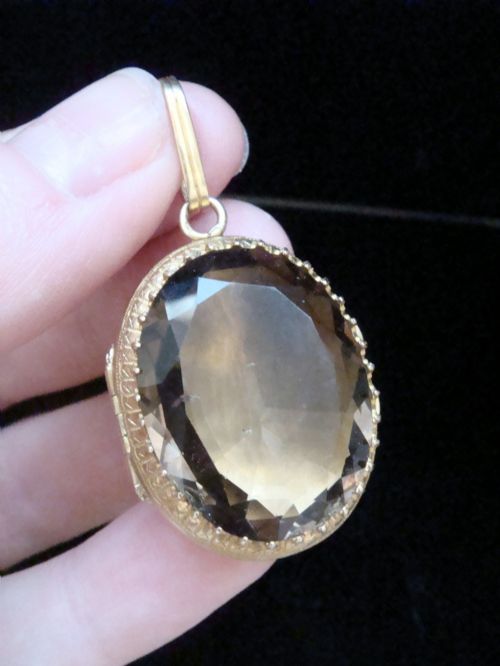
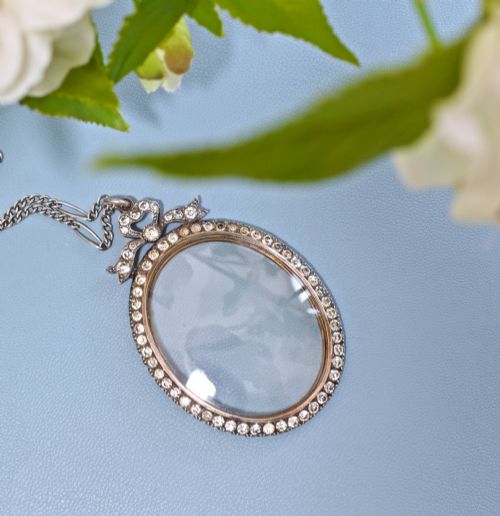
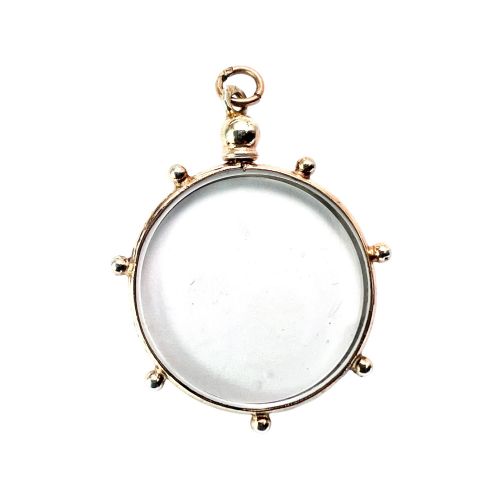
When searching for an antique photo pendant, buyers encounter hinged lockets and glass-faced frames designed to contain miniatures, locks of hair or photographs. These pieces function as personal archives worn upon a chain, ribbon or watch fob.
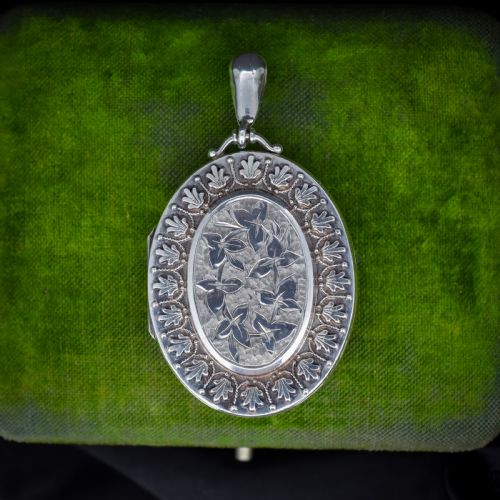
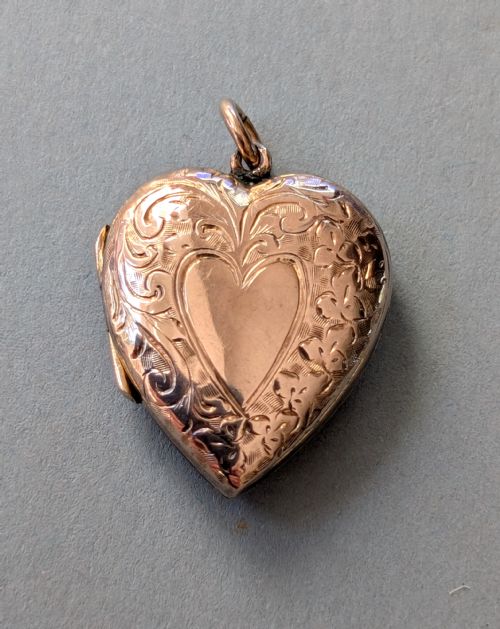
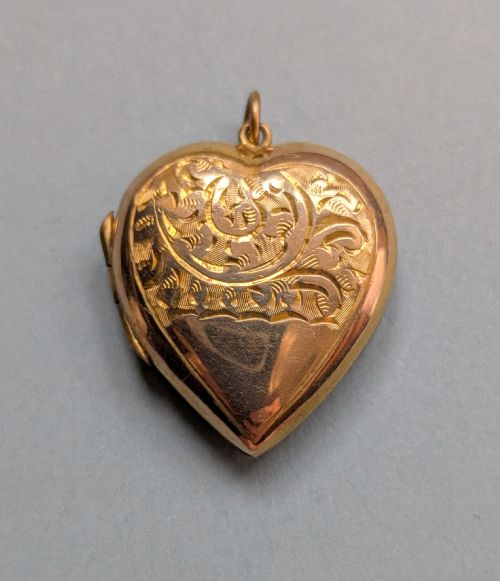
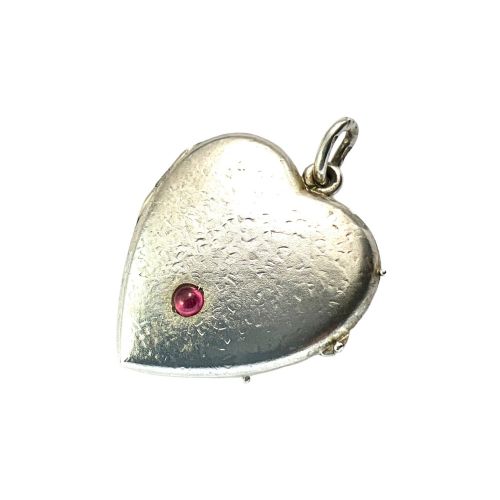
The selections span Victorian, Edwardian and Georgian periods, appearing in forms such as heart lockets, circular lockets and oval photo pendant lockets. Sterling silver and various carats of gold dominate the available designs.
Mourning jewellery, romantic mementoes and decorative engraved pieces make up the core of what collectors find on this page. Each item bridges utilitarian function with portable portraiture.
How they were made
Metalsmiths constructed these pieces using 9ct gold, 18ct gold and sterling silver, frequently employing back and front techniques where solid gold covers a base metal core for durability. Glass components were shaped to protect fragile photographs or hair work within screw or hinged bezels.
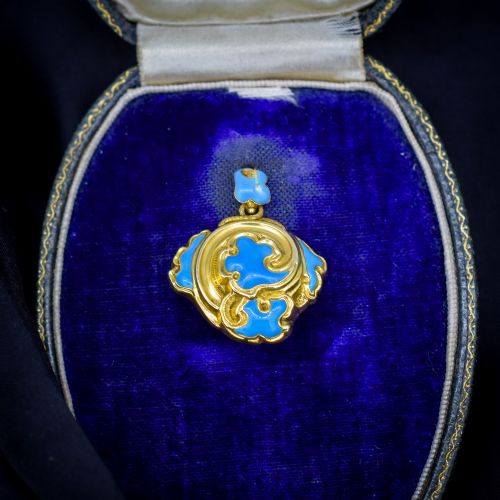
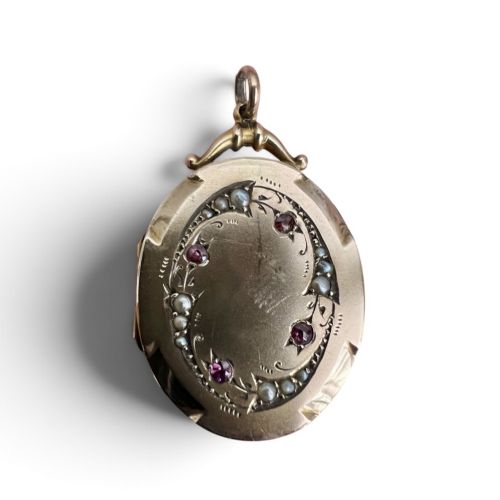
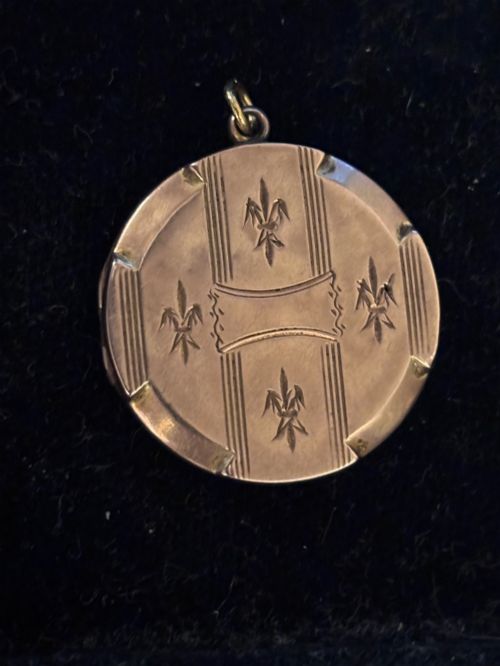
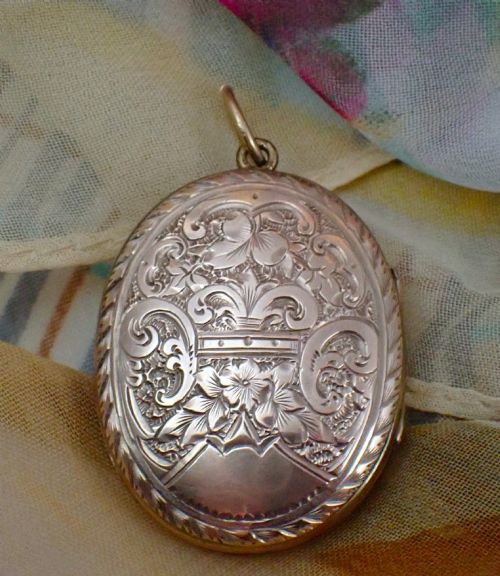
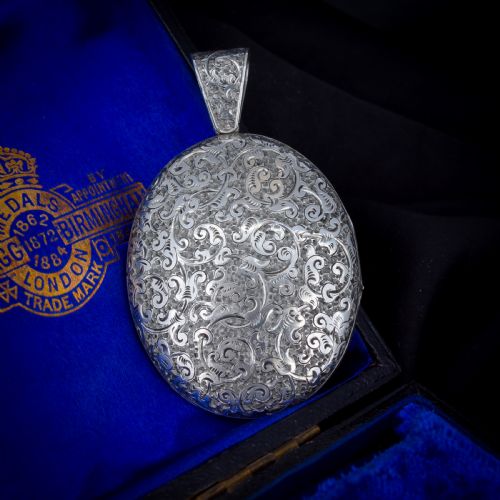
Surface decoration relied on hand engraving, engine turning, filigree and repoussé work to create floral, geometric and avian motifs. Gemstones such as seed pearls, diamonds, rubies, turquoise and enamel were flush set or applied to enhance the exterior design.
Antique Photo Pendant Retail Price Guide 2026
Typical asking prices for photo pendant among the pieces listed under this phrase on Sellingantiques today, from the lower quarter to the upper quarter. They describe what is for sale here now, not the wider market.
The inventory records geometric engine turning, floral engravings and swallow motifs on heart and oval lockets.
What varies in quality
The distinction between standard production and exceptional work rests on the crispness of the hand engraving and the complexity of internal engineering. Superior pieces feature tightly sealing hinges, clear glass lenses and substantial metal weight rather than hollow pressed construction.
The Antique Photo Pendant Glossary
- Back and front
- A manufacturing method where precious gold sheets form the exterior surfaces while housing a base metal interior for added structural strength. This technique allowed makers to produce robust lockets at a more accessible weight.
- Mourning locket
- A commemorative jewel designed to hold hair work, photographs or inscriptions dedicated to a deceased person. These often incorporate black enamel, seed pearls and symbolic motifs.
- Engine turned
- A geometric pattern mechanically engraved onto metal surfaces using a rose engine lathe. This creates precise, repetitive textures across circular or oval gold faces.
- Glass top locket
- A frame featuring a transparent glass face designed to display a portrait directly on the exterior. These units often secure the image with a threaded bezel or screw mechanism.
- Seed pearl
- A tiny, naturally occurring pearl utilised in dense clusters or floral motifs. Victorian and Edwardian jewellers prized them for delicate borders and star patterns.
Antique Photo Pendant: Frequently Asked Questions
Can I put a modern photo inside?
Modern photographic paper often exceeds the thickness of historical portrait materials. Trimming a contemporary print to fit the exact interior bezel dimensions is usually necessary.
Original paper items found inside should be preserved outside the locket if they hold historical value. Thin archival paper works best for replacement inserts.
How do I clean an antique photo pendant?
Dry, soft microfibre cloths safely remove everyday surface dust from gold and silver surfaces. Harsh chemical dips ruin enamel work, seed pearls and fragile internal linings.
Stewardship involves keeping moisture away from historic paper compartments and glass-faced photo bezels. Professional ultrasonic cleaning should be avoided when glue, foil backs or organic materials are present.
What periods do these pendants span?
The available selection primarily covers the Georgian, Victorian and Edwardian eras, alongside mid twentieth-century vintage examples. Stylistic markers like Aesthetic Movement motifs or Belle Epoque diamond settings help pinpoint the era.
Hallmarks, when present, provide definitive dates for the precious metal components. Structural styles often reflect the sentimental fashions of their respective decades.