


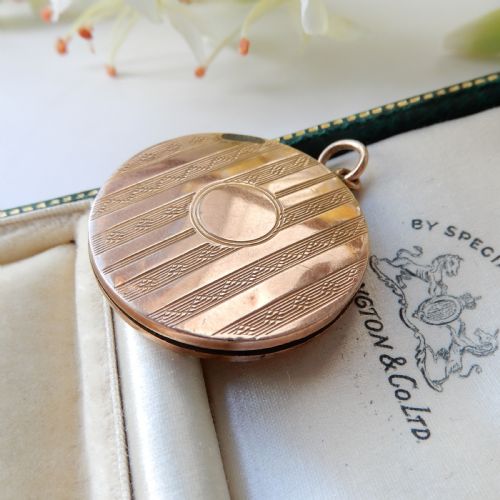

Antique Photo Locket Pendant
An antique photo locket pendant holds a miniature portrait close to the heart, combining personal sentiment with portable artistry.
Antique Photo Locket Pendant
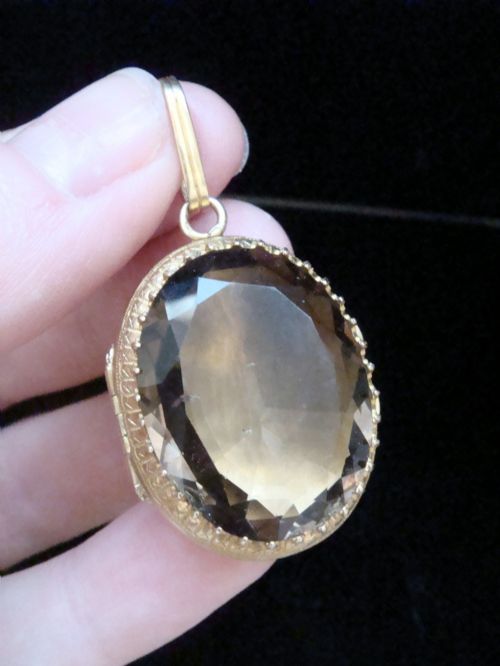
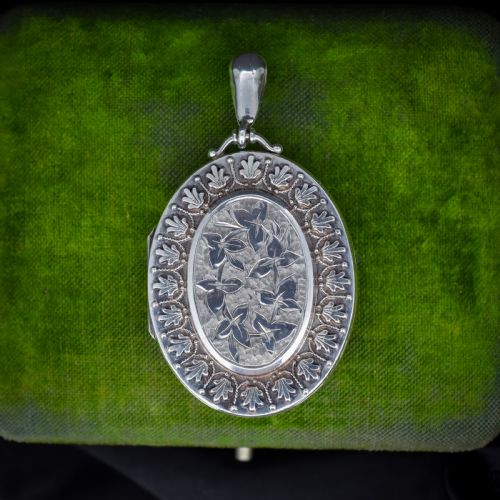
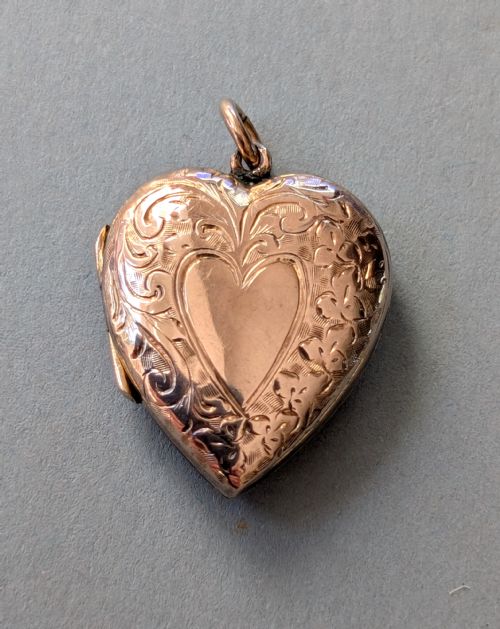
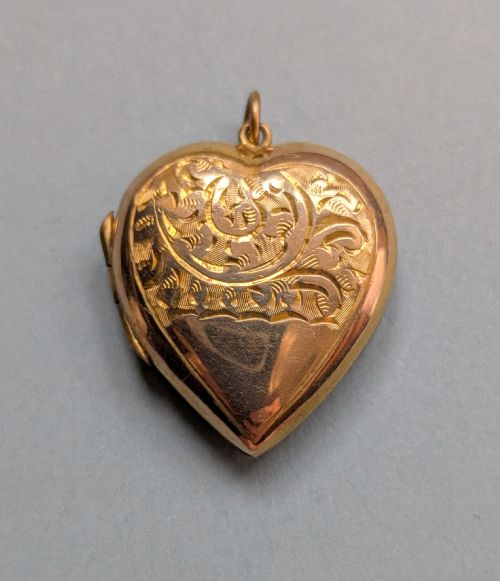
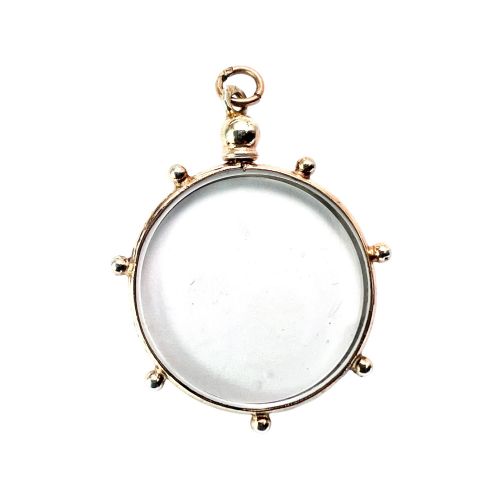
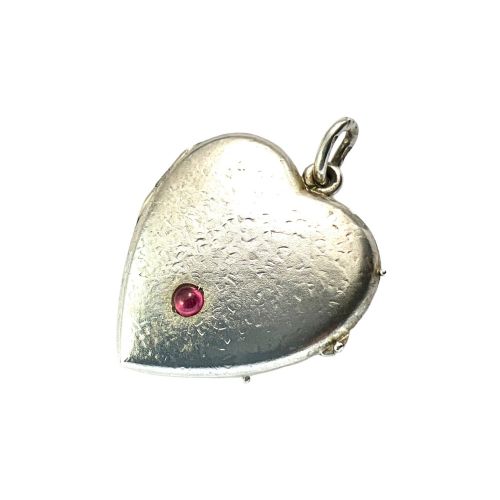
An antique photo locket pendant is an opening wearable housing a miniature portrait, hair keepsake, or small memento inside a hinged metal casing. When searching this phrase, expect to encounter oval, round, and heart-shaped hinged containers designed to suspend from a neck chain or pocket watch chain.
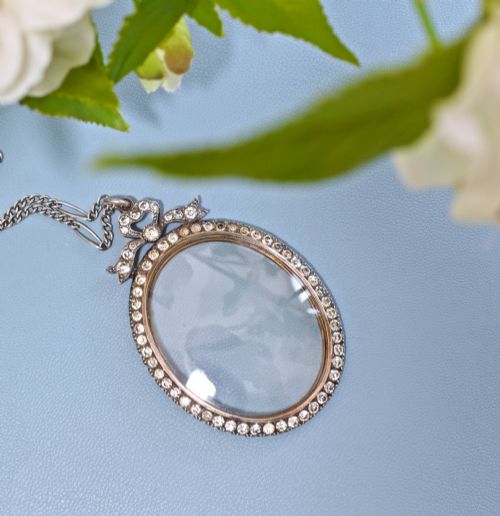
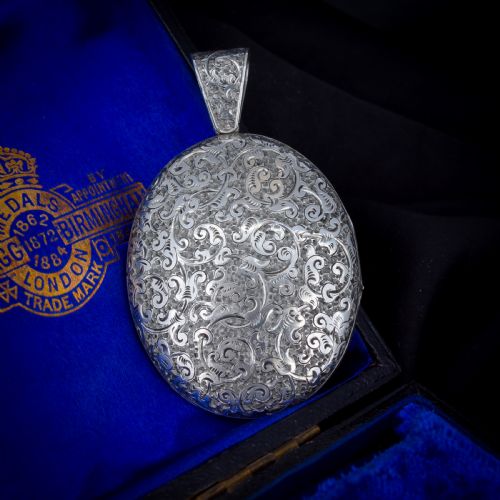
The selections span distinct periods, with Victorian and Edwardian examples appearing most frequently alongside mid-century interpretations. These items range from plain polished gold or silver disks to highly ornate pieces featuring chased foliage, glass fronts, and gemstone clusters.
Mourning items, floral engraved designs, and plain back and front constructions dominate the available forms. Originating as private tokens of affection, they bridge the gap between functional jewellery and miniature portraiture.
Materials and construction
Metals form the structural basis of these items, utilising 9ct gold, 18ct gold, and sterling silver alongside rolled gold and gold-filled back and front configurations. Many pieces combine these precious metals with applied ornamentation, filigree wirework, and glass viewing covers.
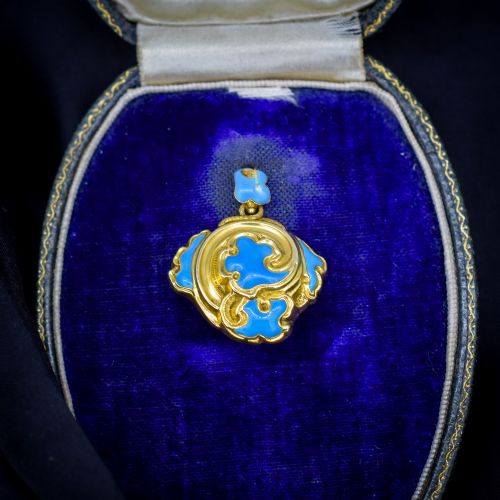
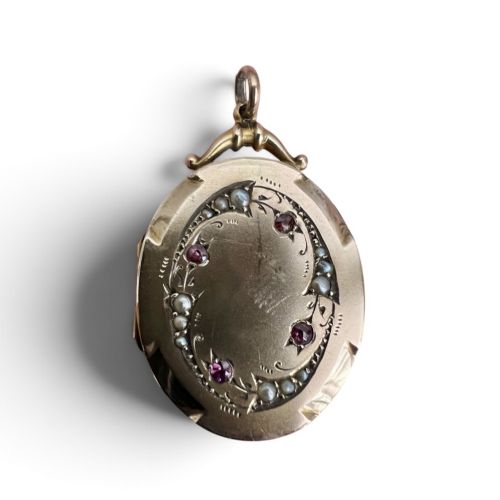
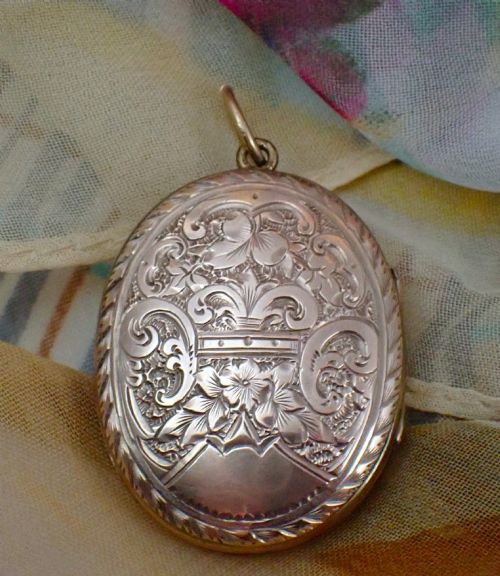
Surface decoration relies on traditional techniques including hand engraving, engine turning, and enamel work in blue, black, or white. Gemstones such as seed pearls, turquoise, diamonds, rubies, and paste stones are flush-set or mounted in clusters to accent the metal bodies.
Swallow motifs flutter across these surfaces, frozen mid-flight in silver to carry messages of eternal love and safe return.
Distinctions in craftsmanship
The standard of execution separates everyday production items from exceptional workshop output, visible in the crispness of hand-chased floral motifs and the precise alignment of hinged bezels. Heavier gauge metals and solid gold constructions indicate higher intrinsic value than thin back and front stampings.
Internal components reveal the maker's care, such as intact original glass frames, tight-fitting inner rims, and functional snap closures that remain secure over time. The integration of high-grade gemstones or intricate enamel work elevates a standard utilitarian pendant into a refined piece of miniature sculpture.
The Antique Photo Locket Pendant Glossary
- Back and front
- A construction method where the exterior plates consist of precious gold enclosing a base metal core for structural stability.
- Engine turned
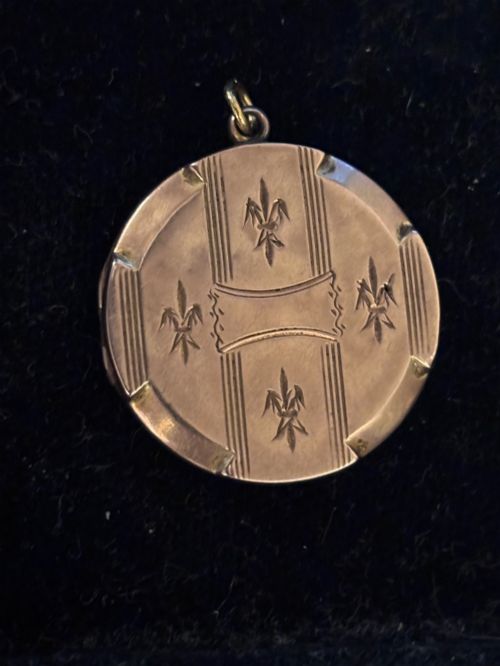
- A geometric pattern mechanically engraved into the metal surface using a lathe, creating repeating decorative lines.
- Mourning locket
- A wearable container created to remember a deceased person, frequently incorporating braided hair, black enamel, or seed pearls.
- Paste
- Faceted glass or lead crystal cut by hand to imitate genuine gemstones in period jewellery.
- Seed pearl
- Very small natural pearls, often half-drilled and glued or pegged onto a backing in floral or star motifs.
Antique Photo Locket Pendant: Frequently Asked Questions
How do you open an old locket?
Most antique lockets rely on a small side hinge or a fingernail notch near the edge to release the snap closure. Gently applying pressure outward usually reveals the internal frame.
Avoid using sharp metal tools to pry open stubborn cases, as this can scratch the gold or silver and damage the historic hinge.
Can I put a modern photo inside?
Modern printed photographs can be trimmed down to fit the internal bezel of these historical pieces. Using a thin template cut from paper helps match the exact interior shape.
Take care when removing old paper inserts or glass covers, as original mementos are fragile and easily torn.
What does back and front mean?
This manufacturing term indicates that the exterior plates are made of solid gold, while the internal frames and lining use a base metal. This technique provided the appearance and wear resistance of solid gold at a lighter weight.
Pieces stamped this way were standard commercial productions during the late nineteenth and early twentieth centuries.
How do I clean an antique silver locket?
Gentle wiping with a soft, dry microfibre cloth removes everyday dust and skin oils without harming the metal. Harsh chemical dips strip away desirable age patinas and ruin enamel or seed pearl inlays.
Store the item separately in a lined box to prevent scratching against other jewellery.