
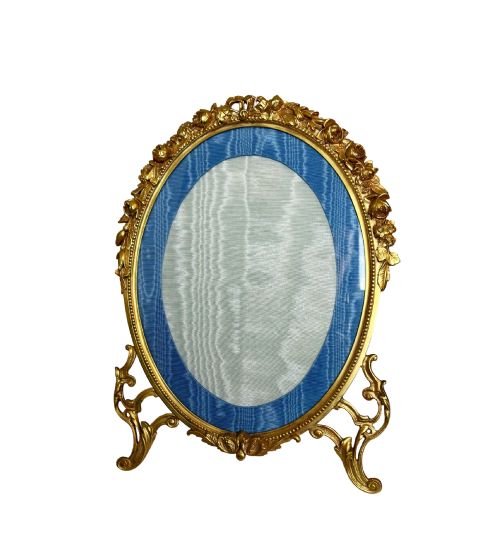
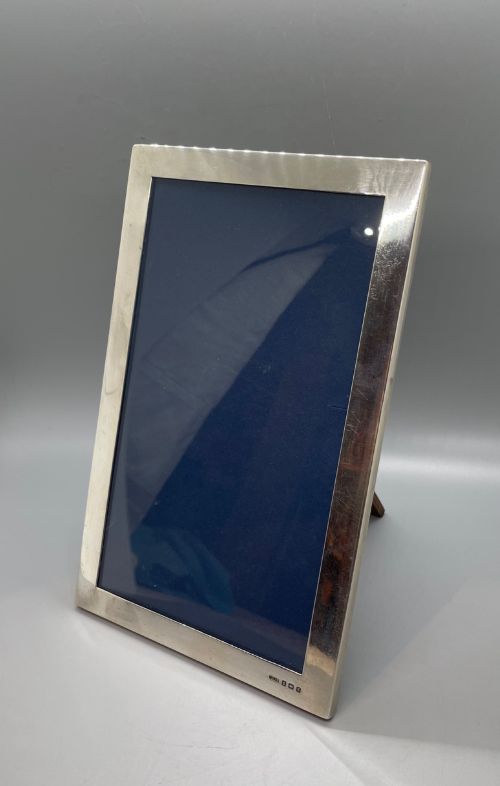
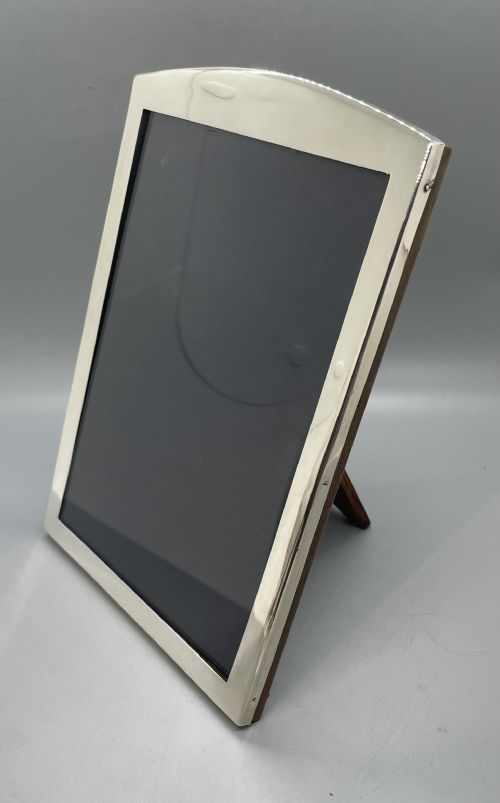
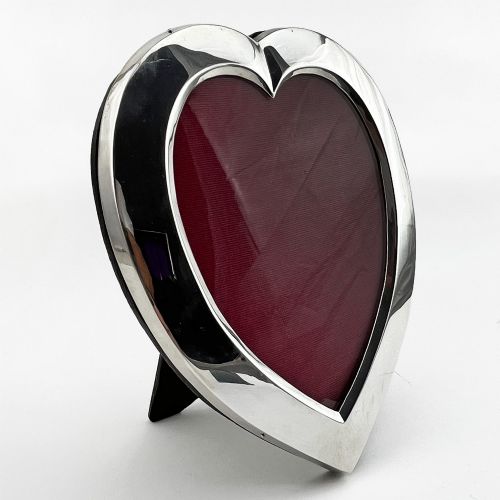

Antique Photo Holder
These antique photo holder examples bring desk and mantel displays alive with authentic period charm.
What these pieces are
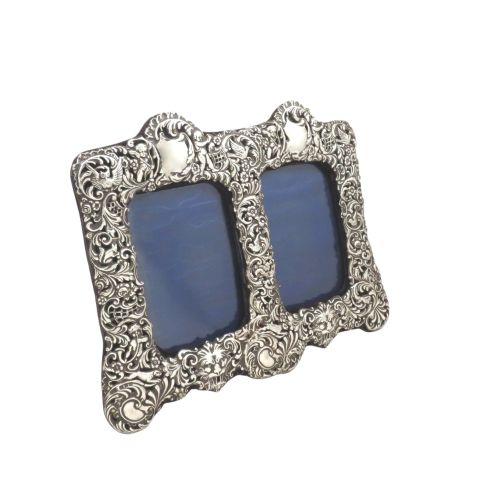
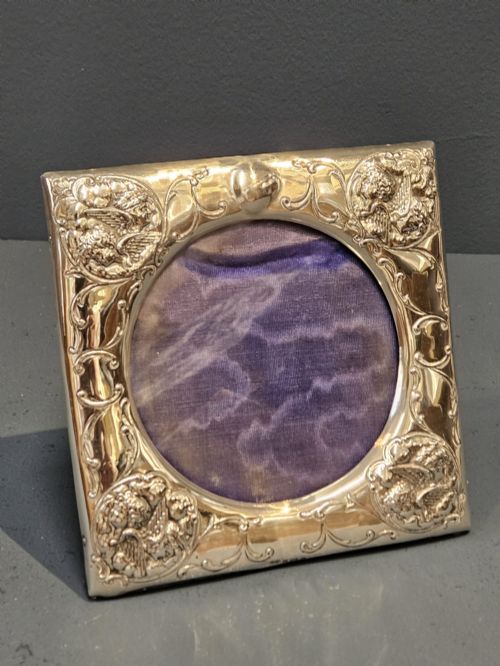
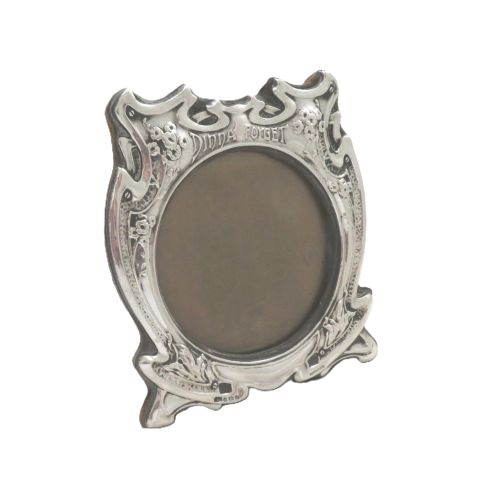
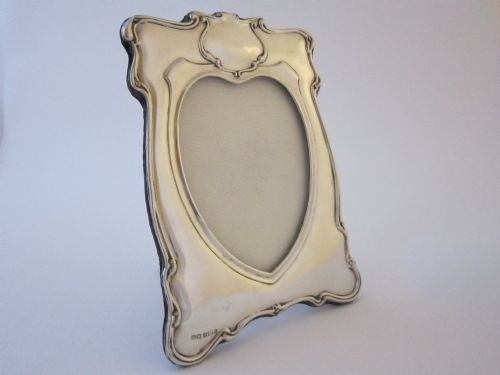
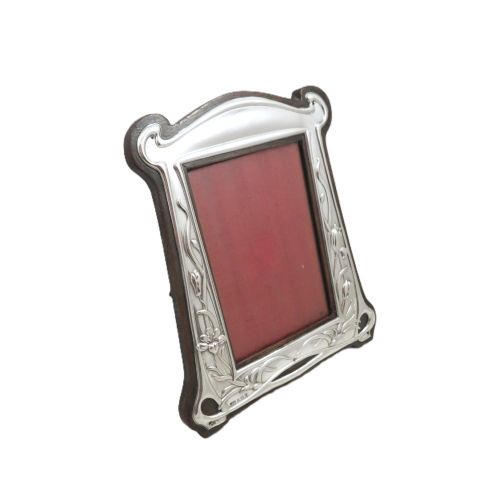
An antique photo holder is designed to display treasured portraits on desks, dressing tables, and mantelpieces. Buyers searching for an antique photo holder encounter elegant picture frames from the nineteenth century through the Edwardian period and nineteen-ten.
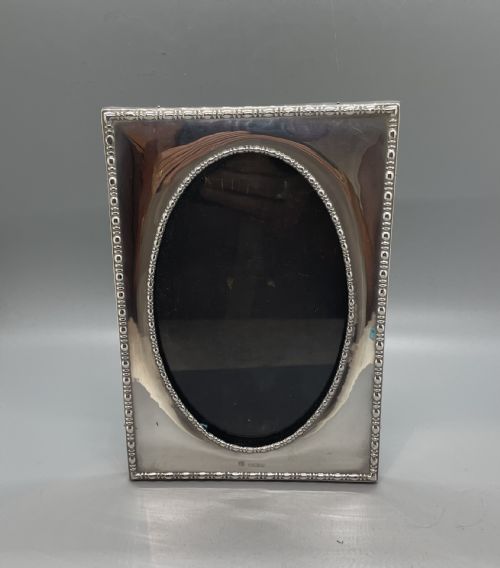
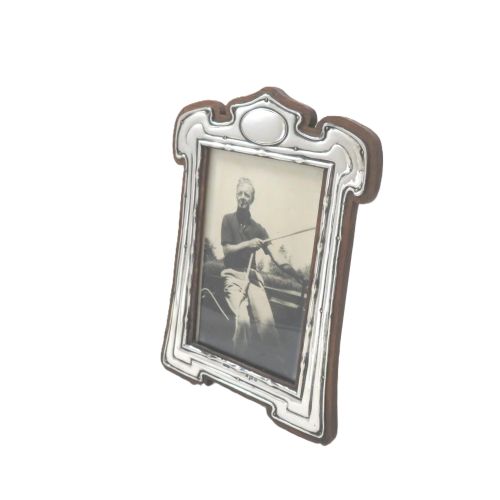
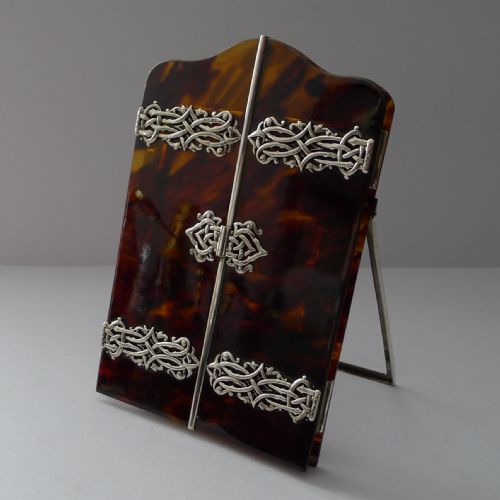
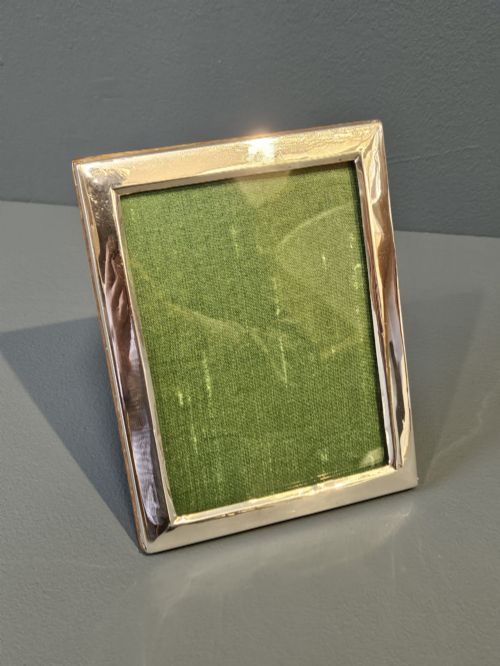
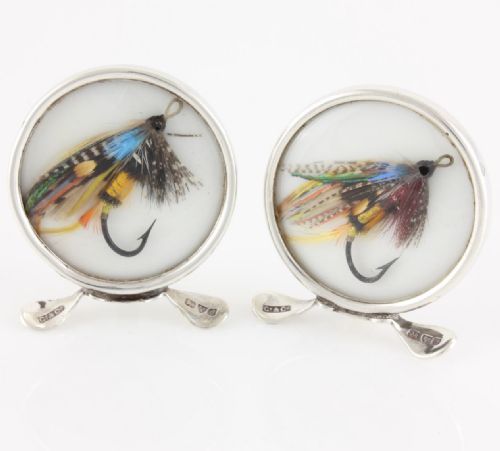
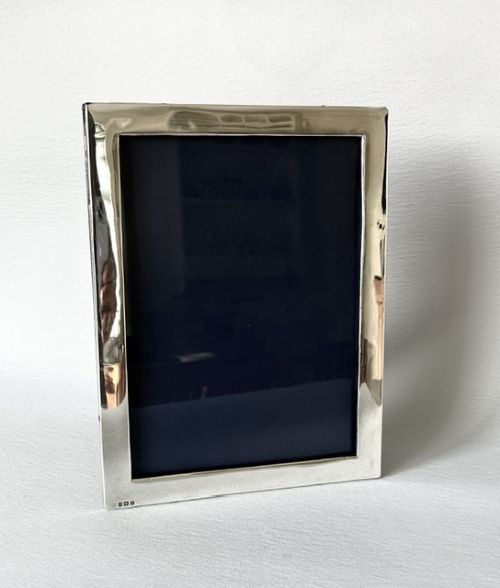
The objects recorded here take several distinct forms, including single standing mounts, folding double frames, and two-way display options. Art Nouveau, Edwardian, Victorian, French Chateau, and Belle Epoque styles dominate the selection.
Most pieces date from nineteen hundred, nineteen-six, nineteen-ten, or the wider nineteenth century. English and French workshops produced the majority of these surviving examples.
How they were made
Maker workshops utilised sterling silver, brass, and gilded bronze to form the primary structural housings of these frames. Velvet and silk frequently provided the backing materials and interior linings.
Glass protected the photographic portraits, while paste glass and paste stones added decorative sparkle to the metal mounts. Wood also served as a sturdy backing material for easel supports.
Retail Price Guide 2026
Typical UK retail prices for photo holder, calculated from the Sellingantiques database of over a million retail prices indexed since 2003. This retail price guide relies exclusively on Sellingantiques data; no external sources or auction records are used, so the figures do not describe the wider market.
One silver frame carries the heartfelt inscription Dinna Forget, ensuring a Victorian portrait remained forever anchored in memory.
What varies in quality
Quality rests upon the weight of the metal and the crispness of chased or cast ornamentation. Finer examples display intricate Art Nouveau plant motifs or precise French gilding rather than simple pressed sheet metal.
The integrity of the backing, whether wood, velvet, or silk, alongside original glass and functional easel stands, separates superior survivals from lesser pieces.
Emile Langlois
The Antique Photo Holder Glossary
- Sterling silver
- A standard alloy of silver containing ninety-two point five percent pure silver by mass. This material appears frequently in British hallmarked picture frames.
- Gilded bronze
- Bronze metal coated with a thin layer of gold. French makers often utilised this technique to achieve a rich, enduring metallic lustre.
- Paste glass
- Faceted glass stones set into jewellery and metalwork to imitate precious gems. They catch the candlelight beautifully on a period desk.
- Easel back
- A hinged prop attached to the reverse of a frame that allows it to stand upright on a flat surface. Most tabletop holders rely on this mechanism.
Frequently Asked Questions
What is an antique photo holder?
An antique photo holder is a decorative frame designed to display cherished portraits in domestic interiors. They combine protective glass with ornate metal or wooden housings.
These objects served as functional desk accessories and mantelpiece ornaments in Victorian and Edwardian homes. Today, they continue to offer a stylish way to exhibit vintage or contemporary photographs.
How do I date an antique photo holder?
Dating relies on stylistic clues, materials, and official hallmarks stamped onto the metal components. Art Nouveau curves suggest the turn of the century, while specific assay marks reveal exact production years.
Examining the backing materials, such as original silk linings or wooden struts, also helps determine the correct period. Comparing the construction methods to documented examples provides further confirmation.
Where were these photo frames made?
Surviving examples originate primarily from British and French workshops active during the nineteenth and early twentieth centuries. Birmingham assay offices stamped many English silver pieces.
French makers contributed ornate gilded bronze and paste stone designs influenced by Belle Epoque and chateau aesthetics. Regional preferences shaped the distinct decorative styles seen today.
How do I care for antique metal frames?
Care requires gentle dusting with a soft, dry cloth to protect delicate surfaces like velvet, silk, and exposed glass. Avoid harsh chemical polishes that can strip thin gilding or damage soft metals.
Keeping frames away from direct sunlight and damp environments preserves the original backing materials. Handle hinged easel backs with care to prevent strain on vintage joints.