



Antique Pewter Metalware Jug
These antique pewter metalware jug examples bring heavy metal pouring vessels, tavern measures and church flagons straight from past centuries into daily use.
Antique Pewter Metalware Jug
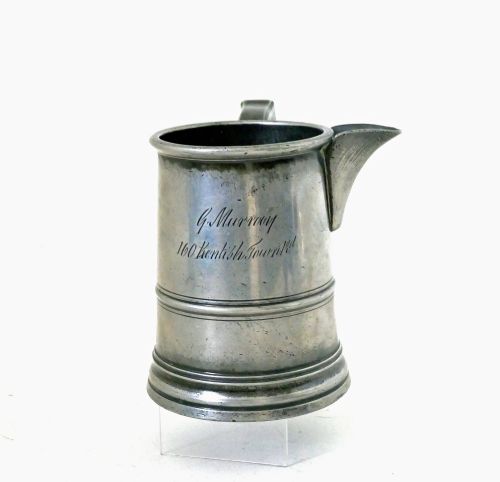
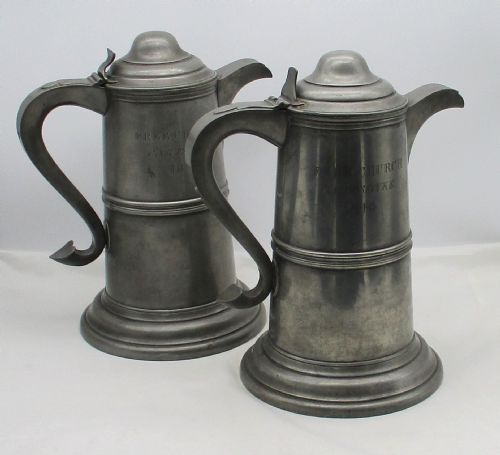
An antique pewter metalware jug covers utilitarian pouring vessels, tavern measures, communion flagons and drinking vessels originating from the eighteenth and nineteenth centuries. These pieces reflect historical drinking customs across England, Scotland, Jersey and Switzerland, encompassing styles from Queen Anne and Georgian to Victorian and Art Nouveau.
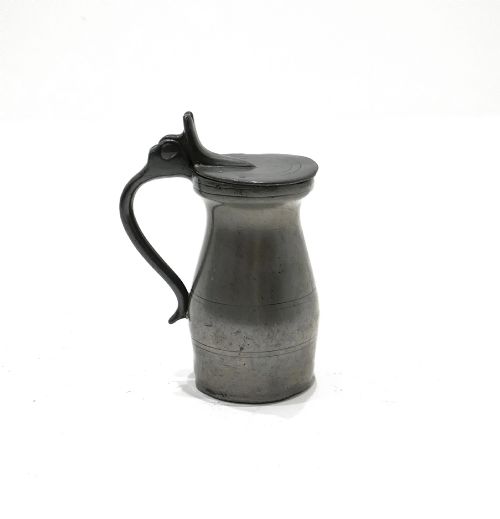
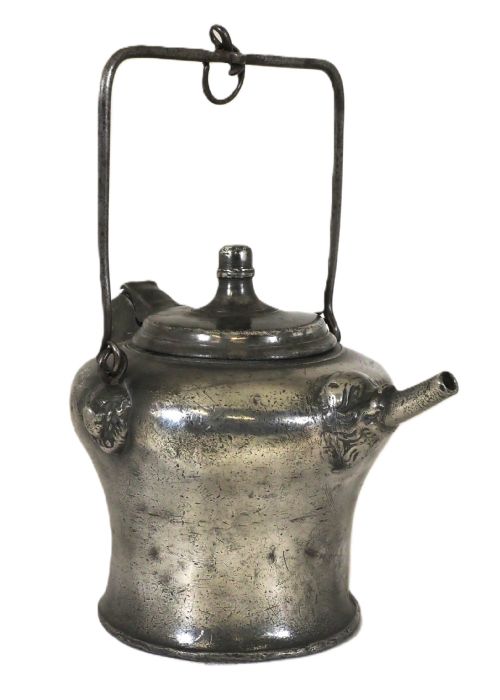
The selection ranges from lidded spirit measures and small spire flagons to crested tappit hens and spouted water vessels. Buyers frequently encounter nineteenth-century English ale jugs alongside earlier eighteenth-century measures bearing capacity stamps and maker touchmarks.
How they were made
These items are constructed primarily from pewter, an alloy of tin combined with lead or copper, sometimes complemented by iron components or finished with silvered pewter. Makers shaped the metal through casting, hammering and soldering techniques to form sturdy bodies, handles and lids.
Surface finishing involves careful engraving, touchmark stamping and polishing to achieve the characteristic dull sheen associated with early metalware. Vessels designed for liquids incorporate tightly fitted lids and secure spouts to ensure practical daily utility.
Antique Pewter Metalware Jug Retail Price Guide 2026
Typical asking prices for pewter metalware jug among the pieces listed under this phrase on Sellingantiques today, from the lower quarter to the upper quarter. They describe what is for sale here now, not the wider market.
Some nineteenth-century tavern measures still wear official Victorian crown stamps, bearing silent witness to centuries of rounds poured.
What varies in quality
Quality in these items rests upon the crispness of touchmarks, the integrity of original soldering and the clarity of engraved inscriptions or crests. Pieces retaining distinct maker attribution and verifiable regional capacity marks stand apart from unmarked examples.
The thickness of the metal casting and the survival of original lids, thumbpieces and hinges dictate the structural stability of each vessel. Finer examples maintain balanced proportions and uncompromised metal surfaces without excessive pitting or heavy repair work.
Robert Iles of London·WMF
The Antique Pewter Metalware Jug Glossary
- Pewter
- A malleable metal alloy consisting principally of tin, historically mixed with copper, antimony or lead. It serves as the primary material for constructing durable tableware and drinking vessels.
- Flagon
- A large metal vessel with a handle and lid, used principally for holding wine or ale. Early examples often feature spouts and tall spire profiles.
- Measure
- A standardised container utilised in taverns and shops for dispensing exact volumes of liquor or ale. These vessels frequently display official verification marks from specific reigns.
- Touchmark
- An identifying stamp or hallmark impressed by a pewterer into the metal surface to denote the maker or workshop. These marks provide crucial evidence for dating and attribution.
- Tappit Hen
- A traditional Scottish type of pewter measure characterised by a bulging body and a lid topped with a knob resembling a nesting hen. They were produced in specific volumetric capacities such as the Scots pint.
- Biberon
- A specialised drinking vessel featuring a spouted neck, utilised historically in Swiss regions for water or wine consumption. These forms require careful handling during pouring.
Antique Pewter Metalware Jug: Frequently Asked Questions
How do I identify a pewter measure?
Pewter measures usually display official verification stamps, royal cyphers or capacity indicators like half pint or gill upon the rim or body.
Makers often applied touchmarks near the handle or base, helping to confirm the geographic origin and production period.
What is a tappit hen jug?
A tappit hen is a distinctively shaped Scottish pewter measure featuring a capacious bulbous body and a lid with a finial knob.
These vessels held precise volumetric measures like the Scots pint and served a central role in Scottish tavern culture.
Can I use antique pewter for drinks?
Older pewter formulations sometimes contained lead, meaning decorative display is generally preferred over serving acidic liquids or hot beverages.
Modern handling should remain gentle to preserve fragile surface patinas, historic touchmarks and original soldered joints.
How do I date an antique jug?
Dating relies on stylistic clues, including the profile of the lid, the shape of the thumbpiece and the presence of Georgian or Victorian touchmarks.
Engraved initials and specific capacity terminology also offer clear indicators of the decade of manufacture.