
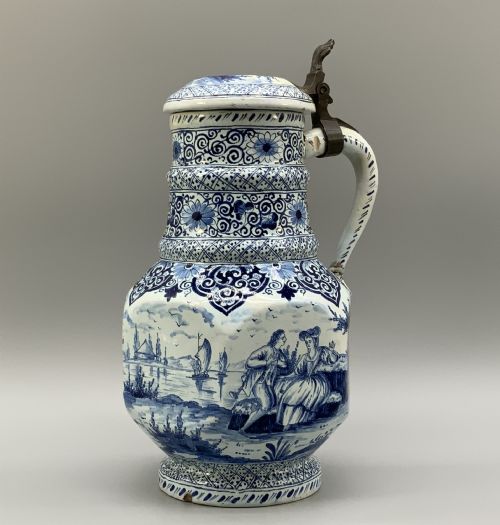
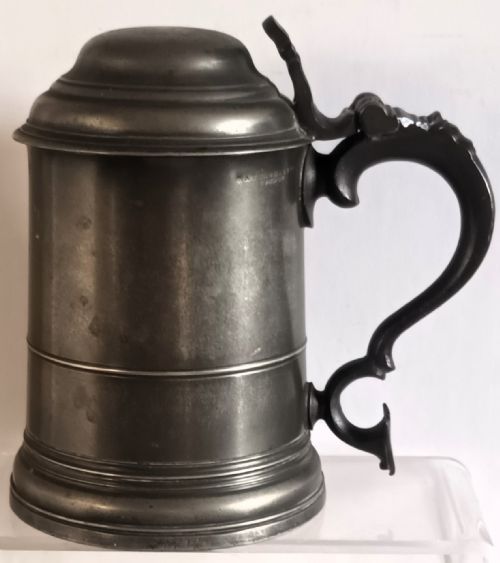


Antique Pewter Lid Stein
These antique pewter lid stein selections unite centuries of metalwork and ceramic tradition, offering drinkers a tangible piece of tavern history.
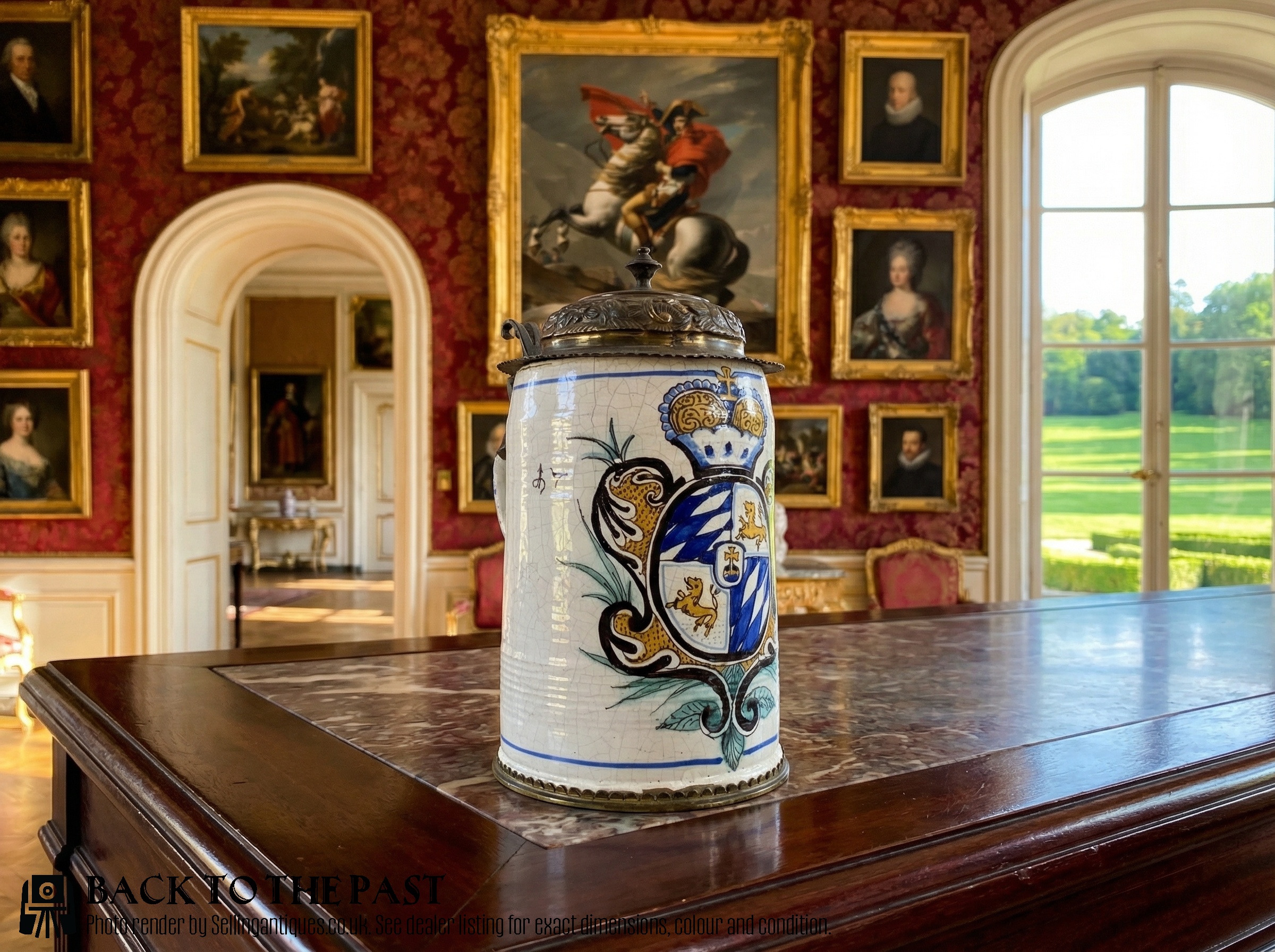
Antique Pewter Lid Stein
An antique pewter lid stein encompasses robust drinking vessels featuring hinged metal covers, spanning centuries of craftsmanship across various European workshops. Buyers exploring this category encounter a diverse array of forms, from salt-glazed stoneware bodies to polished metal and tin-glazed earthenware.
The material origins stretch from eighteenth-century English and Dutch examples to German historicist productions and Arts and Crafts creations. Most pieces serve functional drinking roles, combining ceramic or metal bodies with secure thumb-lift lids designed to keep contents covered.
Vessels on offer range from modest pint measures to large commemorative flagons decorated with heraldic, floral, or Celtic motifs. Collectors often find pieces marked by notable makers or attributed to specific regional markets such as London or Bristol.
Materials and construction
Maker operations utilised cast pewter, often composed of tin alloyed with copper or lead, to form heavy handles, rims, and thumb-lift lids. Stoneware bodies, such as Westerwald salt-glazed ceramics, provided robust containers decorated with incised cobalt blue designs.
Silversmiths and metalworkers applied techniques like hammering, soldering, and plating to produce Old Sheffield Plate and silver-plated copper vessels. Lids were fastened securely to body mounts via functional hinges, ensuring durable daily usage.
Some vessels feature glass bottoms, allowing drinkers to spot approaching brawls before lifting their tankards.
Distinctions in quality
The refinement of the casting and the clarity of maker marks or touchmarks distinguish standard tavern vessels from exceptional studio commissions. Pieces designed by notable figures command attention through intricate surface ornamentation and balanced proportions.
Integrity of the original hinge mechanism and the preservation of surface patination significantly influence the standing of a piece. Finer vessels display crisp decorative motifs, whether moulded in salt-glazed stoneware or chased into heavy metal alloys.
Watts & Harton·Archibald Knox for Liberty & Co·Burgum & Catcott
The Antique Pewter Lid Stein Glossary
- Thumb-lift
- The small lever attached to the back of a tankard lid, allowing the drinker to open the vessel with a single hand.
- Touchmark
- A stamp or hallmark impressed into pewter by the maker or guild to guarantee the alloy standard and origin.
- Salt-glazed stoneware
- A ceramic body matured at high temperatures with salt thrown into the kiln, producing a pitted, pebble-like texture.
- Old Sheffield Plate
- A composite material made by fusing a thin sheet of silver to a thicker copper base, common in eighteenth-century manufacture.
- Flagon
- A large vessel with a handle and lid, traditionally used for holding and pouring generous quantities of liquor or ale.
Antique Pewter Lid Stein: Frequently Asked Questions
What is an antique pewter lid stein?
These drinking vessels combine a ceramic or metal body with a hinged metal lid designed to keep beverages covered. They encompass traditional flagons, tankards, and jugs produced across British and European workshops.
Craftsmen utilised materials including pewter, stoneware, and silver plate, often embellishing the surfaces with cobalt glaze, floral embossing, or historicist motifs.
How were these lidded vessels used?
Historic taverns and domestic households utilised these pieces for serving and consuming ale, beer, and other fermented drinks. The attached lid served a practical purpose in keeping contents clean and preventing spills during lively gatherings.
Larger ceremonial or commemorative examples functioned as presentation pieces, often marked with Masonic symbols or regional civic inscriptions.
How do I care for pewter and ceramic steins?
Pewter requires gentle cleaning with mild soap and soft cloths, avoiding harsh abrasives that strip away historic patination. Stoneware bodies tolerate simple washing, though metal hinges benefit from keeping completely dry after cleaning.
Displaying these vessels away from direct heat sources helps protect delicate joints and prevents the degradation of antique solders.
How can I tell periods apart?
Eighteenth-century examples often feature flat or simple dome lids paired with heavy touchmarks from regional guilds. Nineteenth-century and Edwardian pieces frequently showcase elaborate historicist revival styles or distinct Arts and Crafts ornamentation.
Examining the weight, handle attachment style, and underlying ceramic or metal composition helps establish the likely manufacturing era.