







Antique Persian Wall Art
Antique persian wall art encompasses nomadic weavings and miniature paintings that bring rich historical texture to interiors.
Antique Persian Wall Art
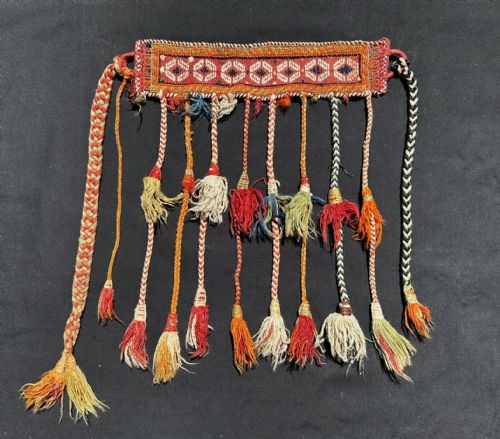
When buyers search for antique persian wall art, they encounter a diverse selection of textiles and paintings originating from regional tribes and imperial courts. The pieces listed on this page span the nineteenth and early twentieth centuries, reflecting the domestic and artistic output of various nomadic groups.
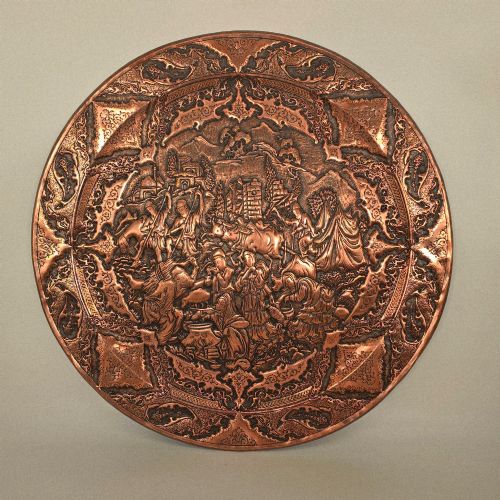
Alongside woven bags and textiles, the category includes framed paintings and metalwork such as brass chargers and bronze plaques. Qajar paintings and gouache miniature painting scenes depicting figures and animals provide a contrasting pictorial tradition to the geometric and zoomorphic patterns found in the tribal weavings.
How these pieces were made
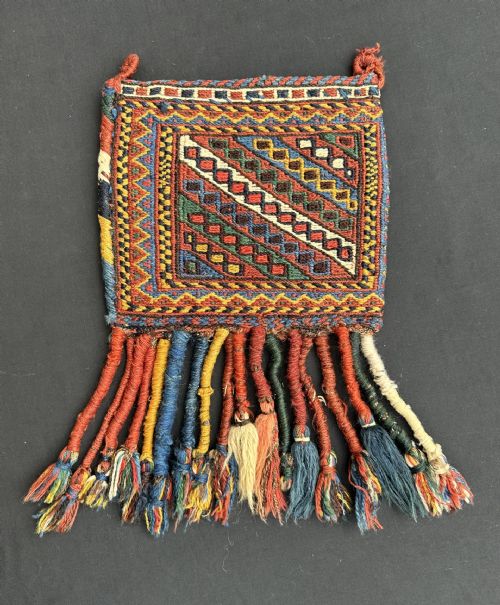
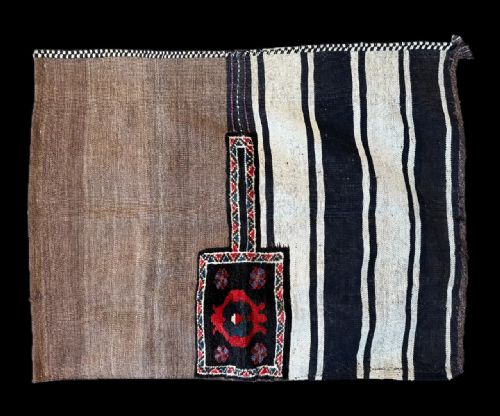
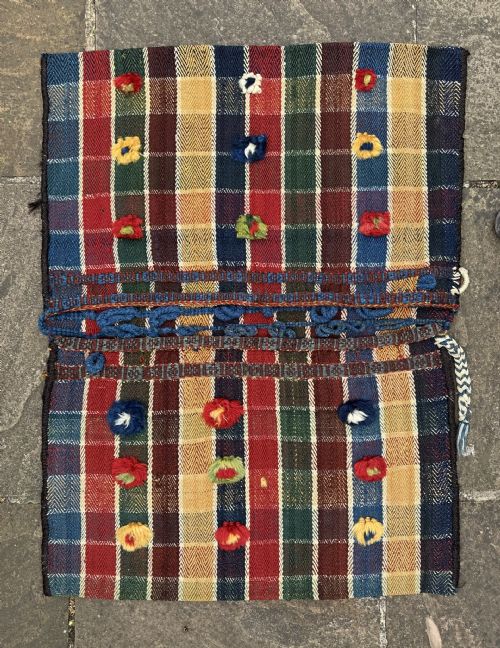
The textiles rely heavily on natural materials like wool, hand-spun wool, cotton, silk, goat hair, and leather, often combined with natural dyes to achieve deep and enduring colours. Weaving techniques vary from standard pile and flatweave methods to intricate soumak work and detailed silk and felt appliqué found in Rasht embroidery.
Painted works utilise gouache on paper or canvas, capturing the fine brushwork characteristic of Qajar court art and miniature traditions. Metal objects such as brass and bronze plaques demonstrate hammering and engraving techniques employed by artisans in the broader region.
Antique Persian Wall Art Retail Price Guide 2026
Typical asking prices for persian wall art among the pieces listed under this phrase on Sellingantiques today, from the lower quarter to the upper quarter. They describe what is for sale here now, not the wider market.
Materials recorded across these listings include wool, silk, cotton, wood, leather, and goat hair.
What varies in quality
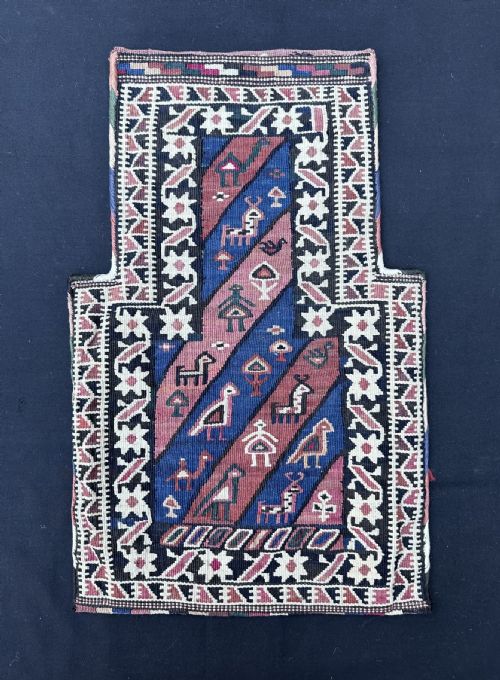
Quality in these textiles depends on the tightness of the weave, the clarity and complexity of the design, and the survival of the original structure. Pieces featuring pictorial elements like birds, dragons, or human figures often demonstrate a higher degree of artisan skill.
The choice and preservation of natural dyes heavily influence visual appeal, as well-preserved vegetable colours retain a vibrancy that chemical substitutes lack. In painted works, the fineness of the line and the preservation of the paper surface dictate the overall standard.
The Antique Persian Wall Art Glossary
- Soumak
- A flatweave technique involving wrapping weft threads over warp threads to produce a durable, textured surface. This method creates raised patterns often seen on storage bags.
- Chanteh
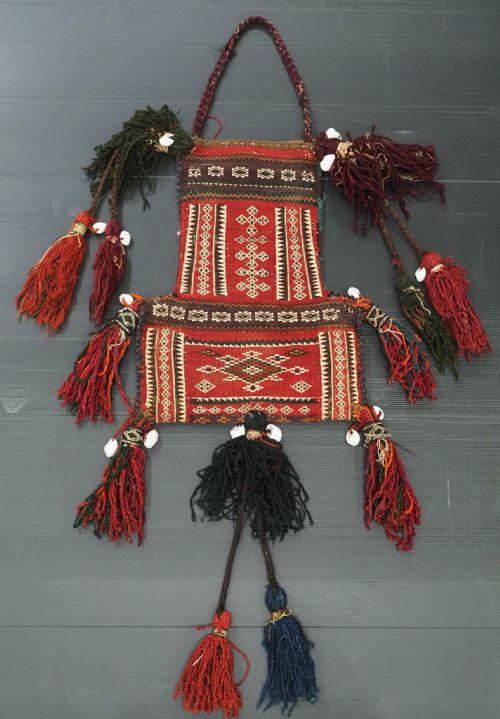
- A small traditional Persian bag or vanity pouch woven by nomadic tribes. These pieces are frequently mounted and displayed as textile art.
- Sofreh
- A flatwoven cloth used for serving bread or meals in nomadic households. Their geometric layouts translate effectively to wall display.
- Qajar
- Pertaining to the dynasty that ruled Iran from the late eighteenth to the early twentieth century. This period is noted for distinctive figurative paintings and metalwork.
- Jajim
- A type of flatwoven textile made in strips and joined together. They were traditionally used as blankets or covers before being adapted for decorative purposes.
Antique Persian Wall Art: Frequently Asked Questions
How do I hang a textile safely?
Mounting textiles requires distributing the weight evenly across the piece to prevent fibre distortion. Using a fabric sleeve sewn to the back with a hidden wooden batten is standard practice.
Direct sunlight causes natural dyes to fade over time, so placing pieces away from bright windows preserves their colour.
What is a salt bag used for?
Salt bags, known as namakdan, were practical household items woven by nomadic groups to store rock salt for livestock and domestic use. Their narrow necks kept the contents secure during migrations.
Collectors prize them today for their dense iconography and compact, balanced compositions.
How are tribal pieces dated?
Dating relies on wool quality, dye analysis, structural conventions, and stylistic markers specific to certain tribal confederations. Changes in dyestuffs around the late nineteenth century provide a reliable chronological watershed.
Examining the wear patterns and materials helps place items within nineteenth or early twentieth-century production periods.
Are miniature paintings originals?
Paintings from the Qajar and later periods executed in gouache on paper are hand-painted works rather than mass-produced prints. The delicate brushwork and use of gold leaf in specific examples indicate individual artistic creation.
Expert examination of the paper stock and pigments confirms the historical period of execution.