



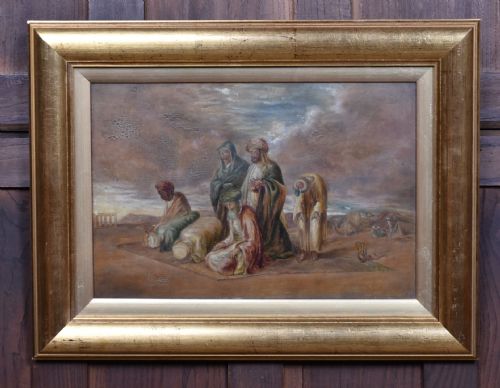

19th Century Middle Eastern Painting
These 19th century middle eastern painting works and associated items capture Victorian and Qajar visions through watercolour, oil and glazed ceramic.
19th Century Middle Eastern Painting
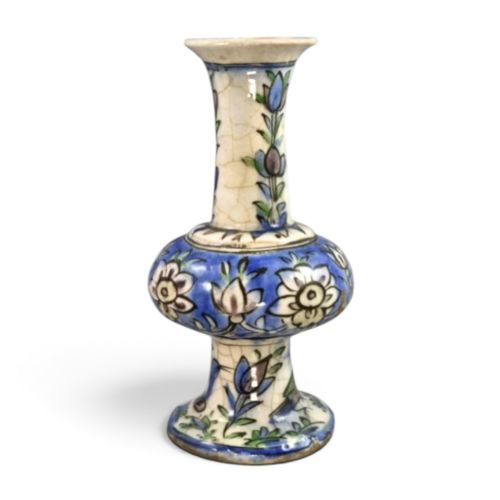
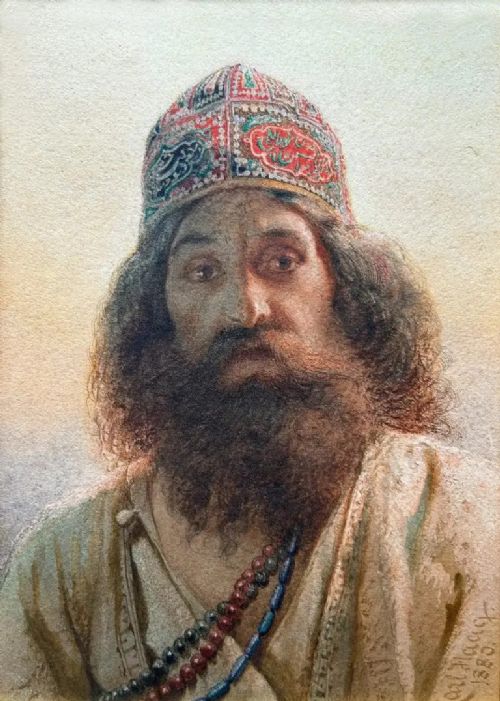
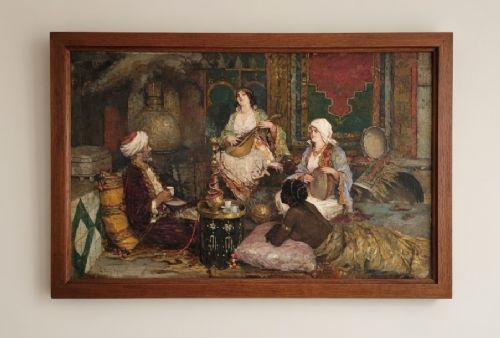
A 19th century middle eastern painting brings together European Orientalist perspectives and Persian Qajar aesthetics from the Victorian era. Buyers searching this phrase encounter watercolour paintings, oil paintings on canvas and board, wall art, and polychrome glazed ceramic vases.
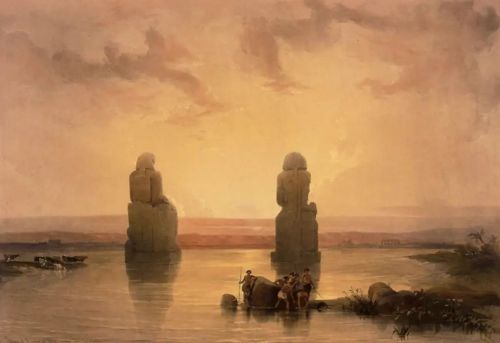
The objects span Victorian Orientalism, Qajar Persian styles, and traditional depictions of scenes such as the Suez Canal, Cairo, and the pyramids at Gizeh. Works range from mid-19th century textiles to late Qajar ceramics and framed fine art paintings.
How they were made
Makers utilised oil pigment on canvas and wooden board alongside watercolour applied to paper and board supports. Canvases capture detailed figurative scenes and landscapes, while watercolours rely on fine washes to render light and atmosphere.
Ceramic pieces involve earthenware shaped into vases with polychrome glaze finishes, while textiles feature block printing and hand painting. Pigments and glazes reflect the regional palettes of Qajar Persia and European studios of the period.
19th Century Middle Eastern Painting Retail Price Guide 2026
Typical asking prices for 19th century middle eastern painting among the pieces listed under this phrase on Sellingantiques today, from the lower quarter to the upper quarter. They describe what is for sale here now, not the wider market.
Camels and howling dervishes share nineteenth-century canvas space with studious sages.
What varies in quality
Quality rests in the precision of the brushwork and the clarity of the composition, distinguishing master academic or traditional studio output from simpler decorative works. Pigment retention and surface preservation across canvas, board and paper dictate the visual strength of each piece.
Ceramic and textile items vary according to the crispness of the glaze application and the definition of the block-printed motifs. Finer examples maintain vibrant colour palettes and stable supports that reflect skilled period craftsmanship.
David Roberts·Carl Haag·Gabriel Puig Roda·William James Muller·Hugo Vogel·Richard Wilson
The 19th Century Middle Eastern Painting Glossary
- Orientalism
- Artistic and academic production by Western makers depicting the Middle East and North Africa during the nineteenth century. This style often focused on architecture, local figures, and landscapes.
- Qajar Persian
- The art and cultural style associated with the Qajar dynasty in Iran during the nineteenth century. It encompasses distinctive figurative painting, ceramics, and textiles.
- Watercolour
- A painting method where fine pigment is suspended in a water-based, translucent solution. It was frequently utilised on paper or board supports for preparatory sketches and finished works.
- Polychrome
- The decoration of an object, such as a ceramic vase, in multiple colours. This technique created rich surface patterns across nineteenth-century earthenware.
19th Century Middle Eastern Painting: Frequently Asked Questions
What subjects appear in these paintings?
The works depict architectural views, desert scenes, figures with camels, and historical landscapes across Egypt and the wider Middle East.
Artists recorded specific locations like the Suez Canal and the pyramids alongside traditional Persian figural subjects.
How do oil and watercolour works differ?
Oil works utilise pigment bound in drying oils on canvas or wooden boards, offering rich textures and deep tones. Watercolours use water-soluble pigments on paper or board, producing lighter and more translucent compositions.
Both mediums were common among nineteenth-century artists travelling or working regionally.
How should I display these works?
Framed paintings on canvas or board and watercolours on paper benefit from placement away from direct sunlight to protect pigments. Glazed ceramic vases and textile wall hangings require stable environments with minimal humidity fluctuations.
Proper framing preserves the paper and canvas supports over time.