




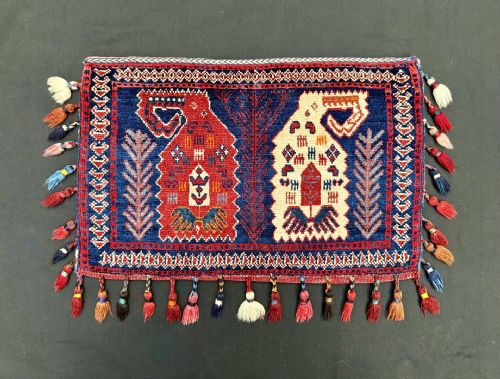
Antique Persian Vanity Bag
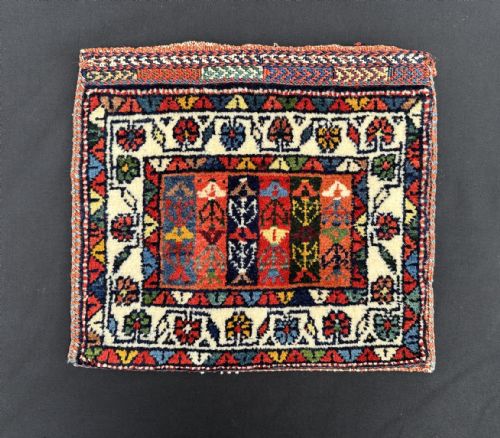
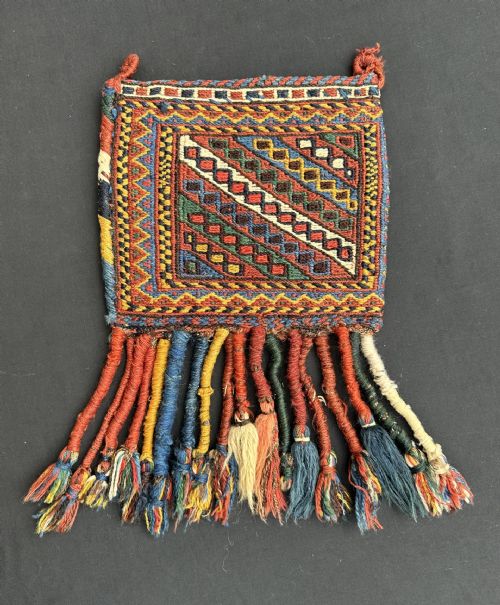
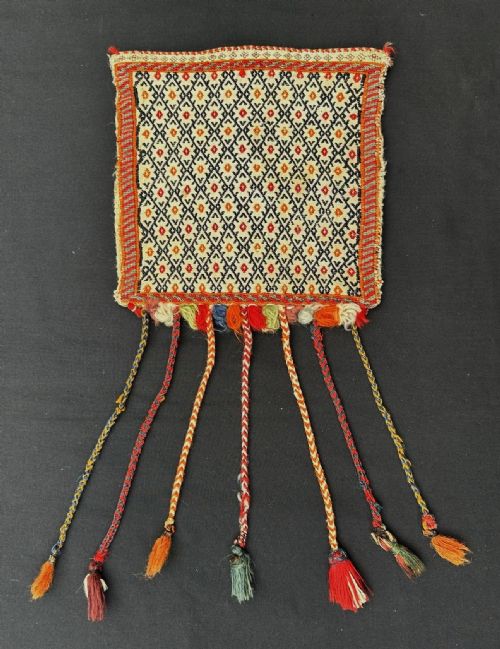
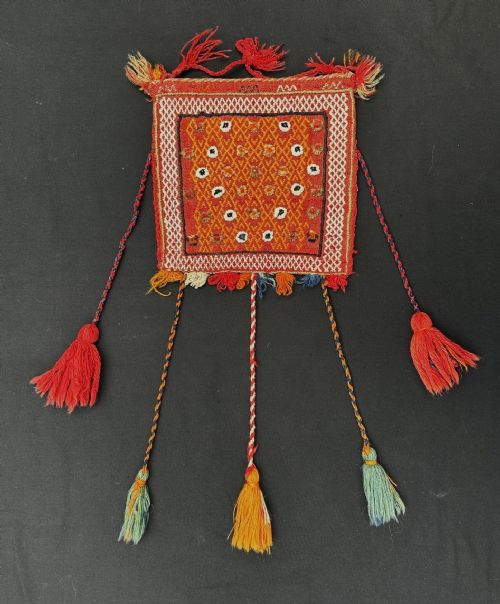
An antique persian vanity bag is a nomadic textile pouch holding personal items, prized by collectors for its rich tribal geometry and authentic village character.
Antique Persian Vanity Bag
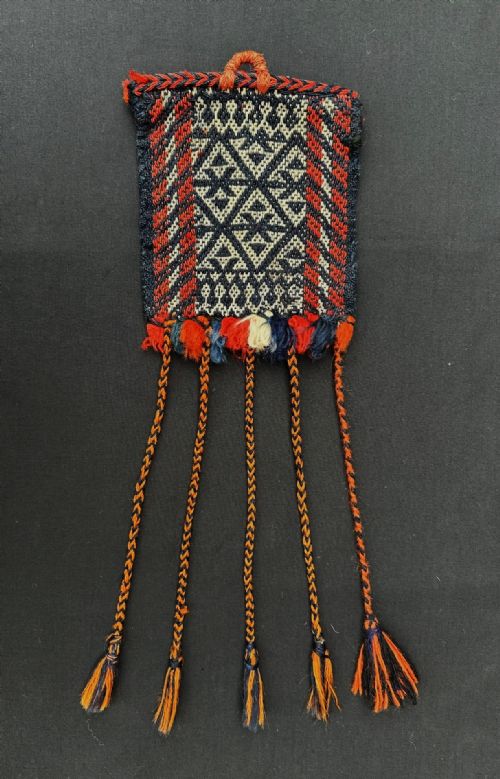
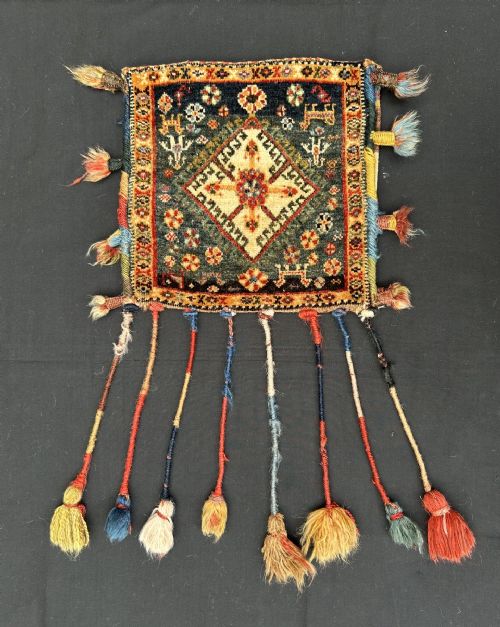
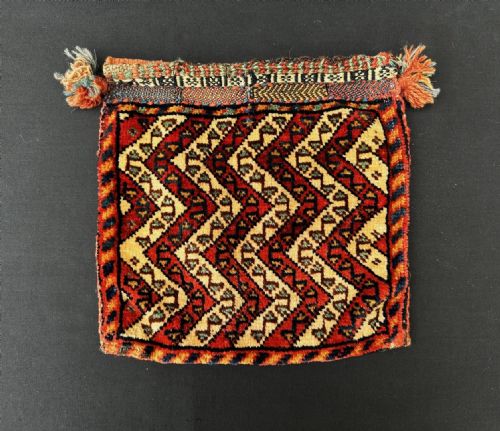
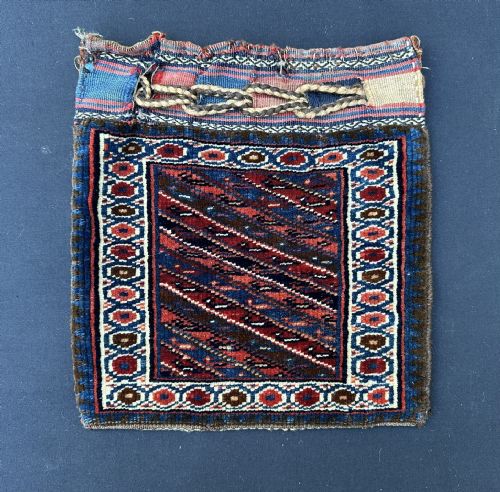
The search phrase antique persian vanity bag encompasses small tribal storage pouches and face bags created by nomadic confederacies across Persia. These utilitarian pieces served practical daily storage functions within pastoral households before entering the decorative market.
Buyers frequently encounter examples originating from the Qashqa'i Confederacy, Afshar tribes, and Baluch groups. The surviving items span the latter half of the nineteenth century through the early decades of the twentieth century, reflecting diverse regional weaving traditions.
Assessing craftsmanship
Quality rests upon the tightness of the knotting or weave density and the clarity of the tribal motifs. Finer examples display precise execution in their geometric layouts and balanced proportions.
The depth and preservation of natural dye colours significantly influence the visual impact of each pouch. Skilled dyers achieved rich hues that retain their vibrancy across generations of use.
Listings for this phrase include wool, cotton, natural dyes, and cowrie shells spanning periods from 1860 to 1920.
The Antique Persian Vanity Bag Glossary
- Vanity bag
- A small portable pouch used by nomadic peoples for personal belongings. These pieces often feature specific tribal motifs characteristic of their region of origin.
- Confederacy
- A coalition of distinct tribes uniting under shared leadership or geographic identity. This political structure influenced the shared design vocabulary seen in regional weaving.
- Natural dyes
- Organic colourants derived from plants, insects, and minerals. These traditional pigments yield harmonious tones that age with distinct patination.
- Cowrie shells
- Marine molluscs utilised as decorative adornments on tribal textiles. Their inclusion often carried protective or auspicious significance within nomadic cultures.
Antique Persian Vanity Bag: Frequently Asked Questions
What were vanity bags used for?
These small pouches served as personal storage containers for nomadic individuals. They held small everyday items and personal possessions during seasonal migrations.
The sturdy construction protected contents from dust and travel wear. Later, their decorative qualities led to domestic display rather than active utility.
How do I care for a textile bag?
Protect antique wool textiles from direct sunlight to prevent colour fading over time. Gentle vacuuming through a mesh screen helps remove accumulated dust without damaging fibres.
Avoid hanging heavy objects inside the pouch since the historic fabric is delicate. Professional textile conservation cleaning is recommended if deep restoration becomes necessary.
Where did these pouches originate?
The pieces originate from various regions across Persia, produced by tribal groups such as the Qashqa'i and Afshar. Different provinces yielded distinct stylistic traits and structural methods.
Geographic origins often appear in the specific choice of geometric symbols and dye mixtures. Local material availability dictated the wool quality and foundation structure.
How are different tribes identified?
Identification relies on examining the specific border arrangements, colour combinations, and geometric motifs. Different tribal groups maintained distinct visual repertoires passed down through generations.
Structural details like edge finishes and selvedge treatments offer further clues to provenance. Comparing regional wool types helps confirm the specific workshop or tribal group.