

Antique Persia Tribal Rug
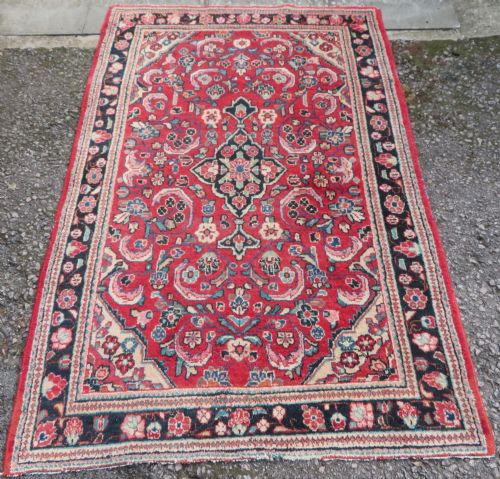
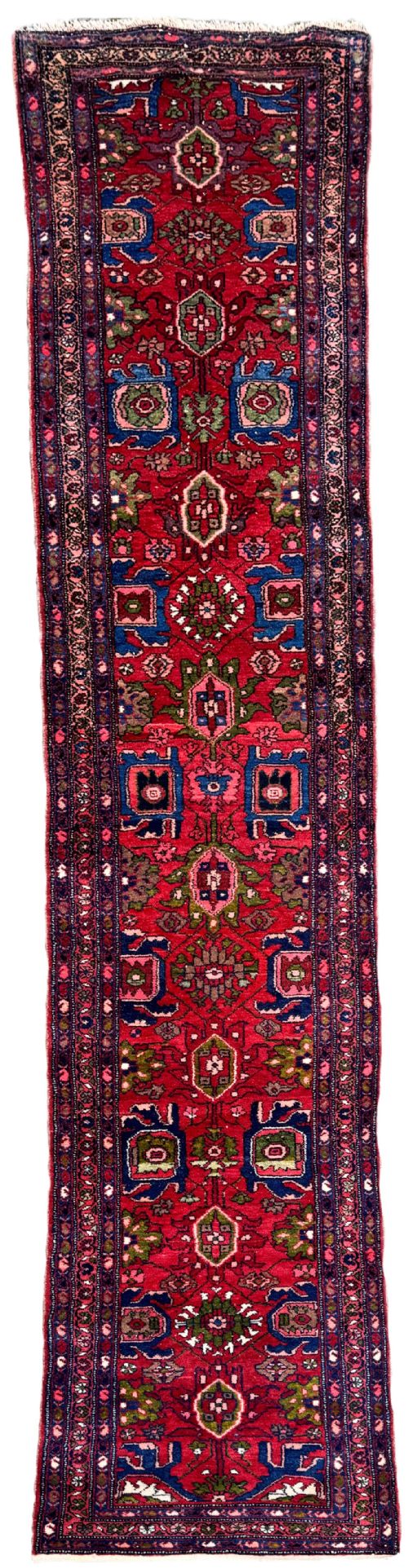
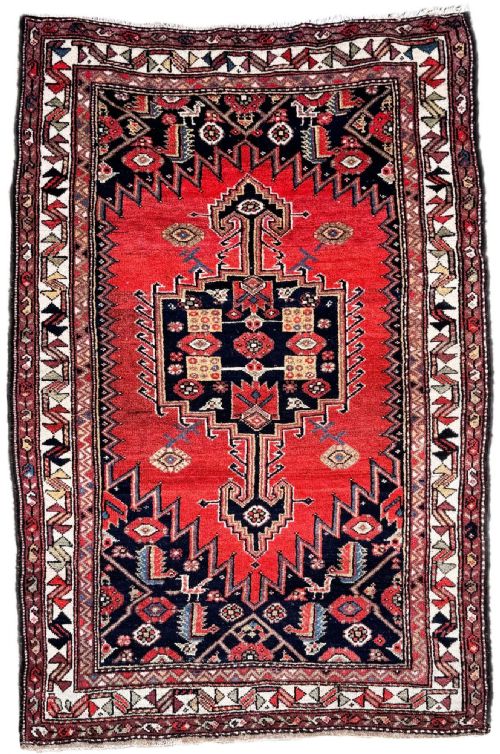
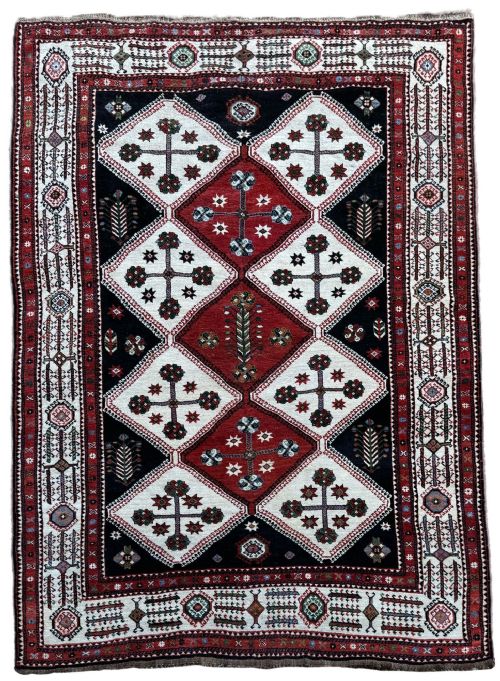
An antique persia tribal rug brings the raw, nomadic artistry of nineteenth and early twentieth-century weavers straight onto your floor.
Antique Persia Tribal Rug
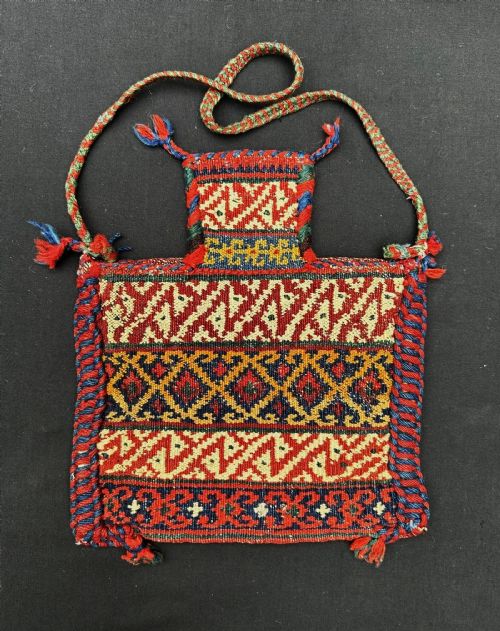
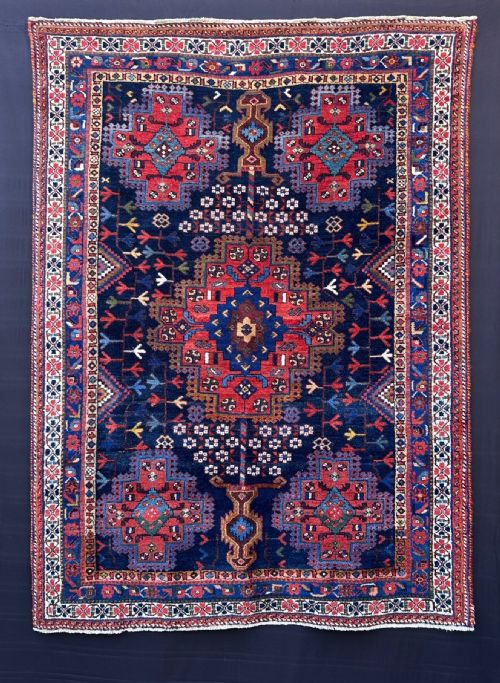
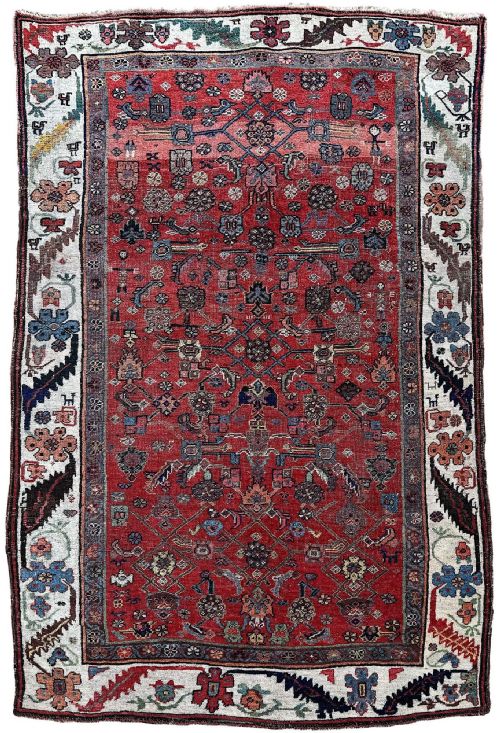
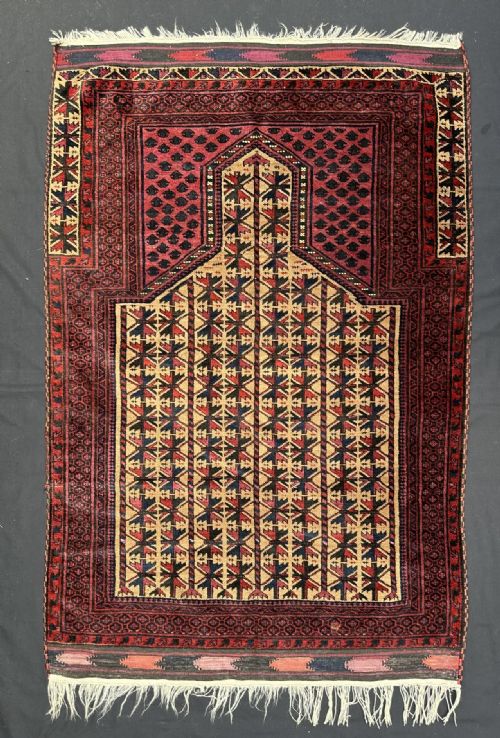
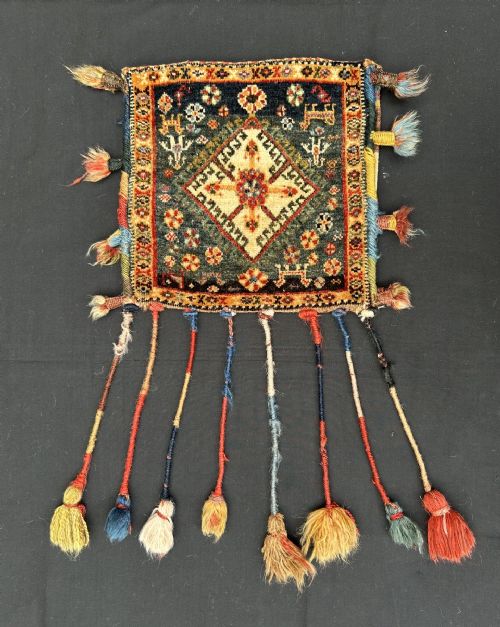
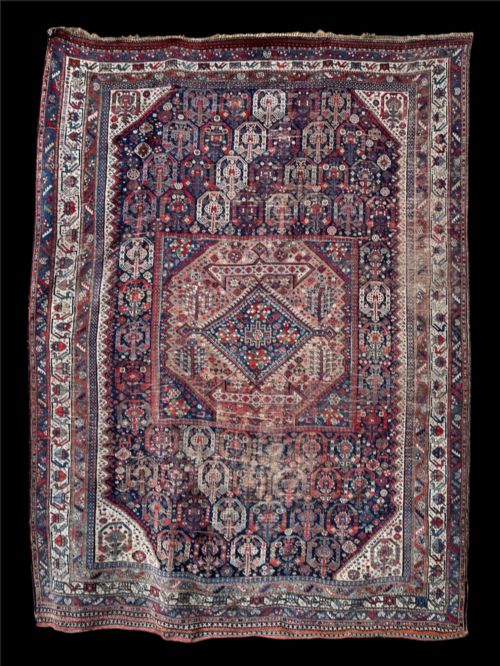
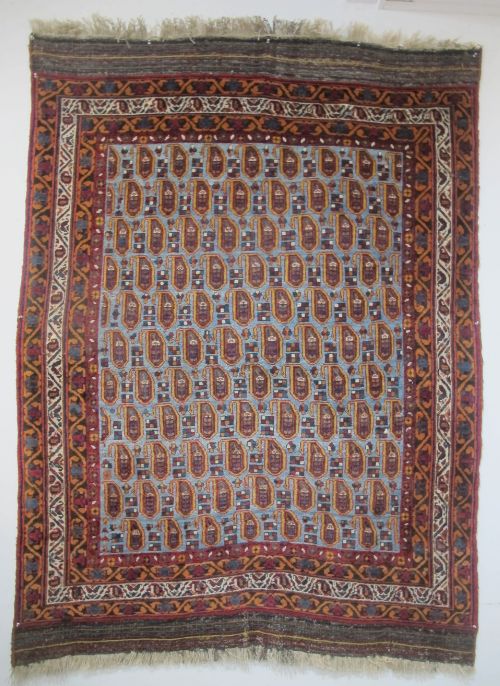
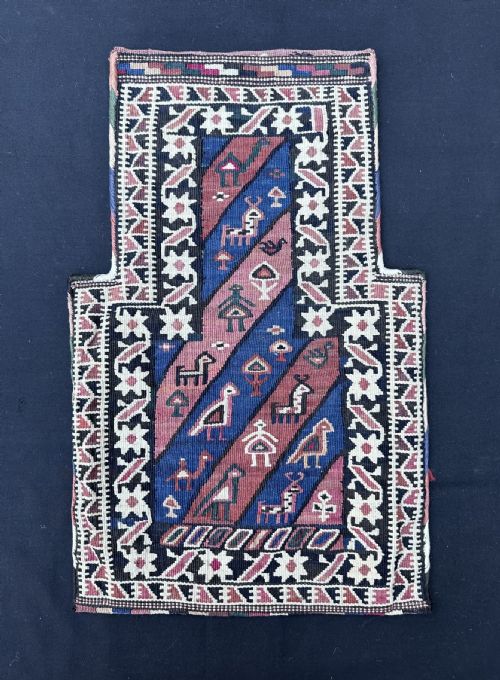
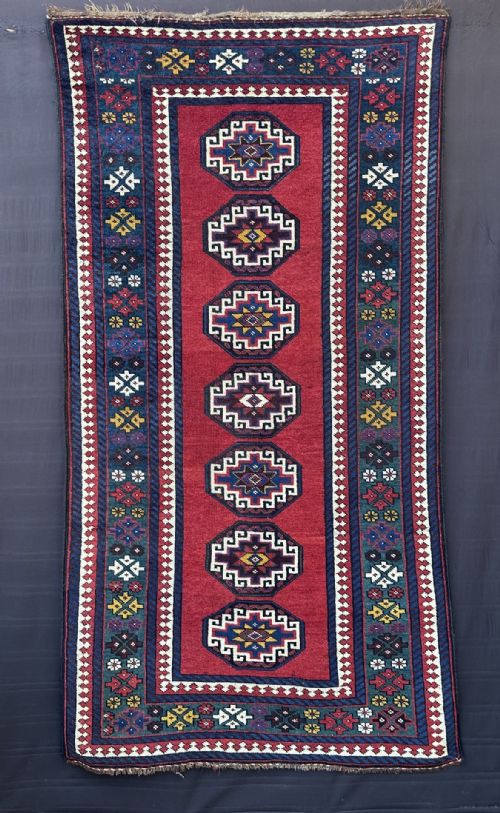
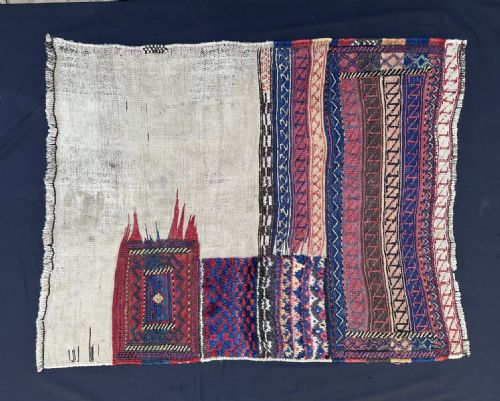
The search for an antique persia tribal rug uncovers hand-woven floor coverings and utilitarian textiles made by nomadic confederacies and village populations across Iran. Pieces range from full-sized carpets and area rugs down to specialised household bags, runners, and flatwoven sofreh cloths.
Most examples encountered here originate from distinct regional groups such as the Qashqa'i, Afshar, Khamseh, Baluch, and Luri tribes. Buyers find both monumental room-sized carpets and smaller tribal weaving expressions shaped by distinct geographic territories.
How They Were Made
Weavers constructed these textiles predominantly using wool foundations and hand-spun wool pile dyed with rich natural substances. Artisans often supplemented their materials with cotton warps and structural accents incorporating leather, wood, and cowrie shells on utilitarian bags.
Nomadic workshops relied on vertical or horizontal ground looms set up seasonally during migrations. The resulting tension and knotting densities reflect the individual weaver working from memory rather than rigid cartoon patterns.
Listings feature pieces spanning the nineteenth century through the 1930s, utilising hand-spun wool, cotton, and natural dyes.
What Varies in Quality
Quality rests upon the handled handle of the wool and the depth achieved by natural dye palettes. Superior examples display high-grade hand-spun pile that retains supple flexibility alongside saturated colour saturation.
Structural integrity also separates standard utility weaving from masterwork tribal artistry. Precision in the knotting and the crisp execution of geometric motifs dictate the standing of individual carpets.
The Antique Persia Tribal Rug Glossary
- Sofreh
- A flatwoven spread or cloth utilised for dining, kneading bread, or serving communal meals within the tent. These textiles feature austere minimalist fields designed for practical domestic tasks.
- Khorjin
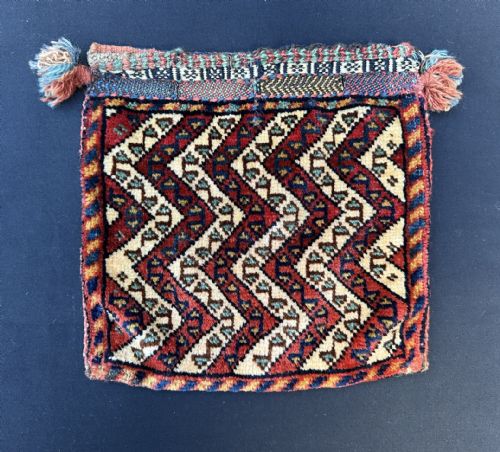
- A paired saddlebag or storage sack woven by nomadic groups for transport during seasonal migrations. Half-khorjins represent single faces separated from the original matched pair.
- Balisht-face
- The decorative pile-woven front panel of a traditional sleeping pillow. These compact textile fragments isolate intricate tribal medallion work.
- Boteh
- A recurring almond or pear-shaped motif symbolizing life and eternity within Persian weaving. Artisans scatter these stylized botanical elements across fields and borders.
- Masnad
- A small throne rug or sitting mat utilised by tribal khans or elders. These specialised formats concentrate elaborate regional iconography into condensed dimensions.
Antique Persia Tribal Rug: Frequently Asked Questions
How do I identify a tribal rug?
Tribal rugs display asymmetric geometric motifs, asymmetrical weaving structures, and expressive, non-standardized colour choices. They lack the rigid urban symmetry found in city workshop carpets.
Look for the signature irregularities and spontaneous tribal symbols woven by nomadic hands rather than strict commercial draftsmen.
Where were these rugs made?
These textiles originate from specific tribal territories spanning Fars, Kerman, Khorassan, and the borderlands of Persia and Afghanistan. Nomadic groups migrated through these regions following seasonal pastures.
Specific confederacies like the Qashqa'i and Afshar established distinct local palettes tied directly to their native geographic landscapes.
How do I care for an antique rug?
Protect your textile by placing it on a breathable, high-quality rug pad to prevent slipping and uneven wear. Vacuum gently with the suction attachment rather than a rotating brush roll.
Keep the piece out of direct, harsh sunlight to preserve the organic integrity of the historical natural dyes over time.
What is a tribal bag face?
Bag faces are the decorative front panels salvaged from utilitarian storage sacks used in nomadic daily life. Weavers invested their finest knotting and colour work into these visible exterior surfaces.
Today, collectors frame or mount these compact panels as standalone textile art pieces independent of their original function.