
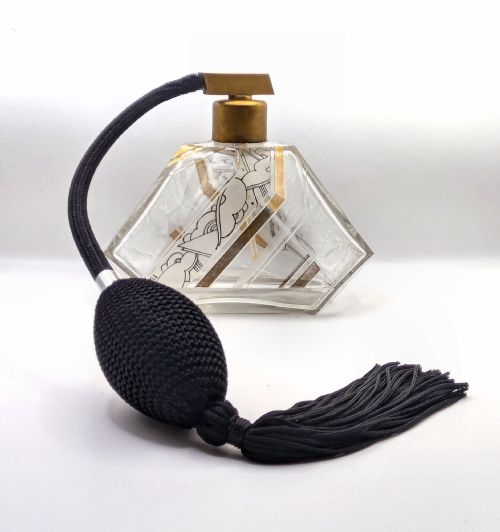


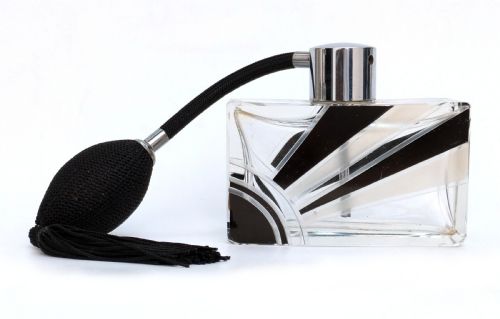


Antique Perfume Spray Bottle
An antique perfume spray bottle brings geometric glamour to a dressing table, delivering a fine mist through early mechanical mounts.
Antique Perfume Spray Bottle
An antique perfume spray bottle encompasses decorative atomisers designed for vanity use, primarily taking the form of striking Art Deco pieces. These vessels survive predominantly from the 1920 and 1930 decades, representing an era of bold dressing table accessories.
Buyers encounter distinct forms ranging from standard perfume bottles to elaborate atomisers mounted on stands. Many examples originate from French and Czech workshops, showcasing the distinct aesthetic priorities of those regional glassmakers.
The characteristic design of an antique perfume spray bottle relies on the integration of a functional spray mechanism with a decorative reservoir. These objects reflect the sophisticated habits of mid-twentieth-century vanity culture.
Materials and construction
Makers shaped these vessels using heavy cut crystal and glass, often employing intricate cutting techniques to catch the light. Coloured glass and enamel surface treatments frequently complement the transparent reservoirs.
Metal components utilise chrome, brass, and occasionally fabric or early plastics like Bakelite to construct the spray mechanisms and decorative collars. These diverse materials combine to create the distinctive hardware necessary for mechanical atomisation.
Listings demonstrate that fabric, chrome, glass, enamel, cut crystal, brass, and Bakelite are the primary materials used across these twentieth-century pieces.
Assessing quality
The distinction between standard examples and superior pieces rests upon the complexity of the glass cutting and the artistic ambition of the design. Heavier crystal bodies and intricate enamel detailing elevate the stature of a given vessel.
The execution of named designer works, particularly those involving recognised glass houses or makers, commands greater attention from collectors. The integration and survival of original metal spray hardware further influence the standing of each piece.
Karl Palda·Rudolf Hlousek·René Lalique·Hermanova
The Antique Perfume Spray Bottle Glossary
- Atomiser
- A mechanical device fitted to a bottle to convert liquid fragrance into a fine airborne mist. This mechanism typically includes a rubber bulb and a metal spray head.
- Crystal
- A high-clarity form of glass containing mineral oxides that increase weight and refractive brilliance. It forms the heavy, faceted body of finer scent bottles.
- Enamel
- Opaque vitreous material fused to a metal or glass surface through heat for decoration. It provides vibrant colour accents on the exterior of the bottle.
- Bakelite
- An early form of synthetic thermosetting plastic utilised in twentieth-century manufacturing. It appears in mounts and fittings on specific period vanity items.
- Cut Glass
- Glass shaped and patterned by abrasive wheels and polishing stones to create geometric facets. This technique defines the visual texture of many Art Deco pieces.
Antique Perfume Spray Bottle: Frequently Asked Questions
How do these atomisers work?
The mechanism relies on a squeezable bulb connected to a metal tube assembly that draws liquid up from the glass reservoir. Squeezing forces air across a narrow aperture, shearing the perfume into a fine mist.
Original mechanisms require careful handling due to the age of the metal and rubber components. Many survive as decorative display items rather than functioning daily sprayers.
Are all these bottles French?
While prominent makers worked in France, a significant portion of the available pieces originates from Czech glasshouses. Both regions produced distinct interpretations of the prevailing Art Deco style.
French pieces often lean towards sculptural pressed glass, whereas Czech examples frequently showcase vibrant colours and heavy cutting. Examining the glass style helps identify the probable country of origin.
How should I display them?
These vessels suit placement on dressing tables, mirrored vanity trays, or glass-fronted cabinets where light can pass through the cut crystal. Keeping them away from direct sunlight preserves any delicate enamel or coloured glass.
Grouping pieces of differing heights creates a balanced display that highlights the geometric qualities of the period. Ensure shelves are stable, as the heavy crystal bodies carry considerable weight.
What defines the Art Deco style here?
The style manifests in strong geometric lines, symmetry, and faceted glass cutting that reflects the modern aesthetic of the interwar period. Forms are often streamlined, architectural, or unapologetically bold.
This design language separates them from the flowing, organic curves of earlier Victorian and Edwardian scent bottles. The emphasis sits firmly on clean contours and striking optical effects.