





Vintage Perfume Atomiser
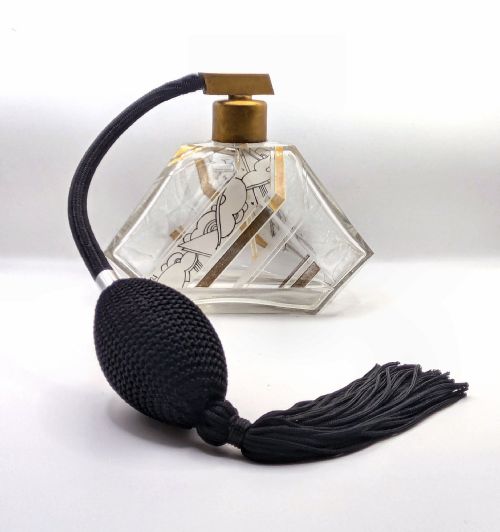
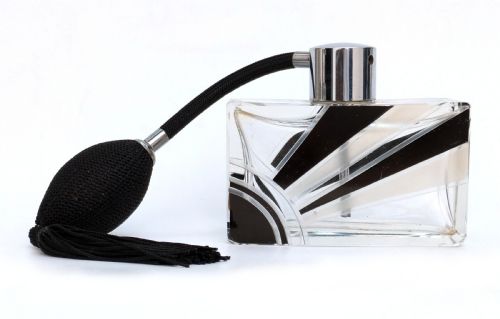
These vintage perfume atomiser pieces are Art Deco scent bottles from the nineteen twenties and nineteen thirties that bring dressing table elegance.
Vintage Perfume Atomiser
When you search for a vintage perfume atomiser, you encounter Art Deco scent bottles originating from France and Bohemia during the nineteen twenties and nineteen thirties. These objects combine glassware with mechanical spray mechanisms designed for ladies vanity tables.
The versions you are most likely to meet on this page include cut glass bottles, frosted glass vessels, and pieces mounted on stands. Several examples bear specific attribution to makers such as Karl Palda, Rudolf Hlousek, René Lalique, and Hermanova.
Makers utilised characteristic geometric lines and sunray motifs typical of the Art Deco period. These vessels served both practical and decorative functions in period boudoirs.
Materials and construction
Makers fashioned these pieces primarily from glass and crystal, often employing frosted or cut glass techniques. Metal components in chrome and brass provided the framework for the atomiser mechanisms.
Additional materials such as enamel, fabric, and early plastics like Bakelite appeared in specific designs. Craftspeople shaped the glass vessels to reflect the geometric and sunray aesthetics of the nineteen thirties.
Vintage Perfume Atomiser Retail Price Guide 2026
Typical asking prices for vintage perfume atomiser among the pieces listed under this phrase on Sellingantiques today, from the lower quarter to the upper quarter. They describe what is for sale here now, not the wider market.
Current listings feature items exclusively from the nineteen twenties and nineteen thirties, showcasing glass, chrome, fabric, enamel, brass, crystal, Bakelite, and frosted glass.
Markers of quality
Quality in a vintage perfume atomiser rests upon the complexity of the glass cutting and the distinctiveness of the mould design. Pieces originating from named designers or specific European glass houses display superior artistic ambition.
The integration of materials such as enamel and chrome with the primary glass body dictates the refinement of the object. Weight, clarity of the crystal, and the sophistication of Art Deco styling separate standard production from exceptional examples.
Karl Palda·Rudolf Hlousek·René Lalique·Hermanova
The Vintage Perfume Atomiser Glossary
- Art Deco
- A design style spanning the nineteen twenties and nineteen thirties characterised by geometric shapes, stylised motifs, and sleek lines. It influenced the architecture and decorative arts of the period.
- Atomiser
- A device used to create a fine spray of liquid, fitted here to a glass bottle for dispensing scent. The mechanism typically relies on a bulb and metal tubing.
- Bakelite
- An early form of synthetic plastic utilised for decorative or structural elements in objects from the period. It provided durability and varied colour possibilities.
- Frosted glass
- Glass treated to produce a textured, translucent surface rather than a clear finish. This technique created soft light diffusion on vanity items.
Vintage Perfume Atomiser: Frequently Asked Questions
What is a vintage perfume atomiser?
A vintage perfume atomiser is a decorative scent bottle equipped with a mechanical spray mechanism, popular during the Art Deco era of the nineteen twenties and thirties.
These dressing table accessories combined moulded glass or crystal with metal components to dispense fragrance in a fine mist.
How do I date a vintage perfume atomiser?
Dating relies on identifying stylistic markers associated with the Art Deco period, specifically geometric cutting, sunray motifs, and specific material combinations.
Reference to known makers such as René Lalique or Karl Palda further helps place pieces within the nineteen twenties and nineteen thirties timeframe.
Where were these atomisers made?
Production centred primarily in France and Bohemia, regions renowned for advanced glassmaking techniques during the early twentieth century.
European workshops and glass houses exported these luxury vanity items internationally for boudoir use.
What materials are used in these pieces?
Makers constructed these items using glass, crystal, chrome, brass, enamel, and early plastics such as Bakelite.
Fabric elements also appeared on the spray mechanisms attached to the glass reservoirs.