

Antique Pendant Watch
An antique pendant watch is a delicate timepiece worn suspended from a chain or pinned to a garment, combining miniature horology with ornamental jewellery.
Antique Pendant Watch
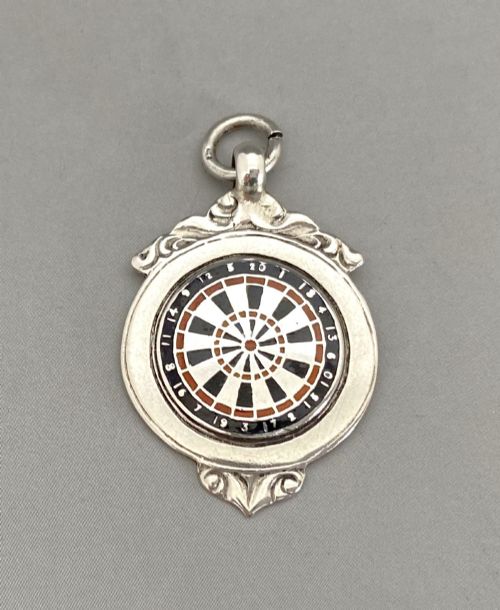
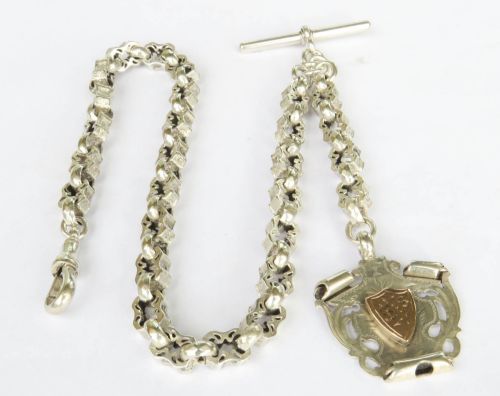
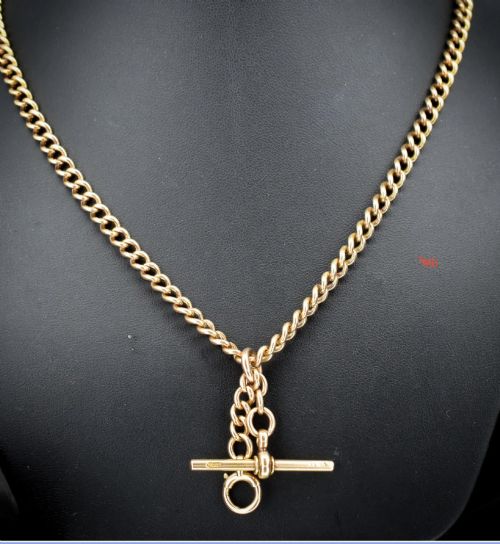
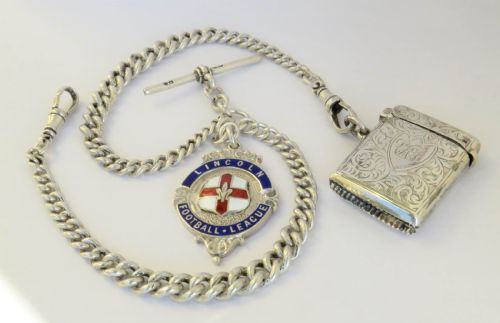
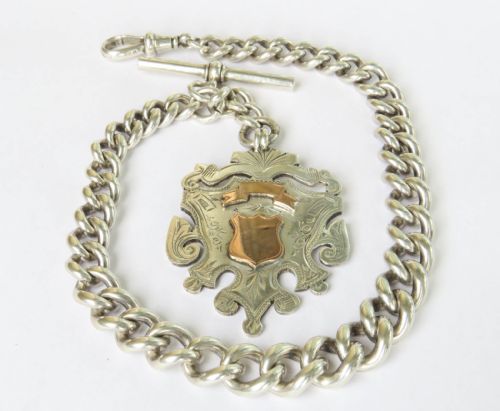
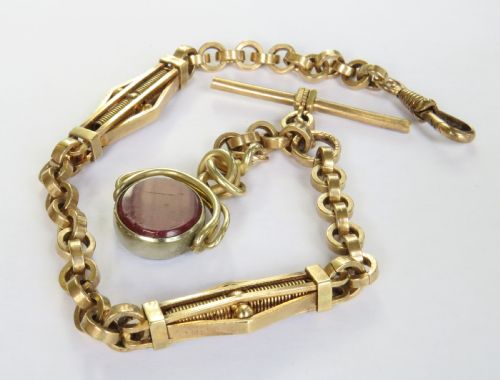
When searching for an antique pendant watch, collectors encounter pocket-sized timepieces and related fob accessories originating primarily from the Victorian, Edwardian, and early twentieth-century periods. The selection frequently includes silver and gold fob watches paired with albert chains, alongside swivel seals and decorative charms.
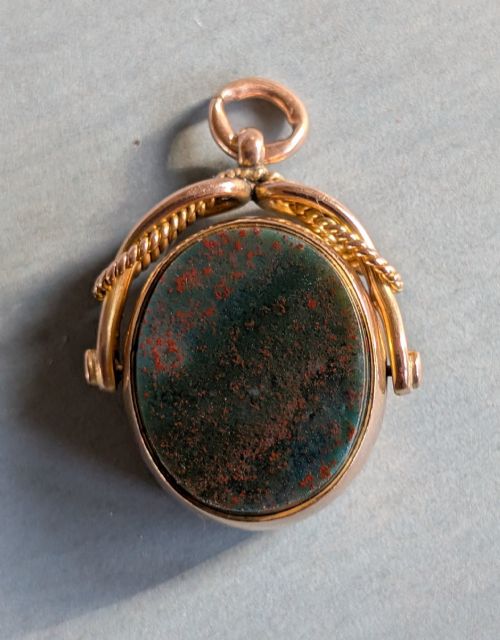
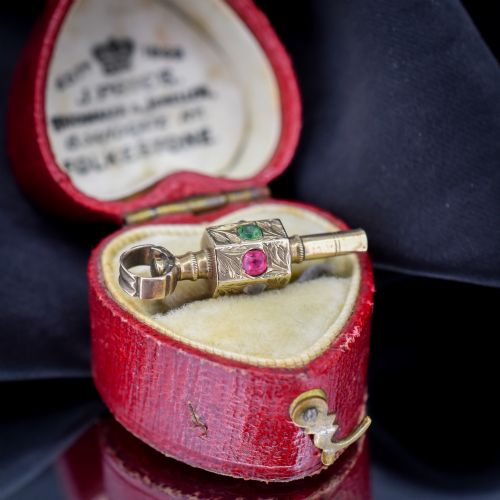
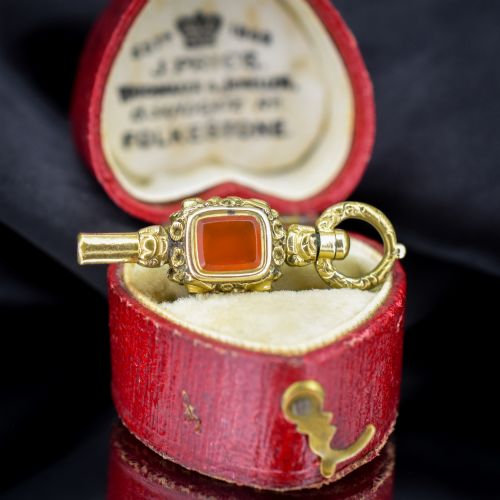
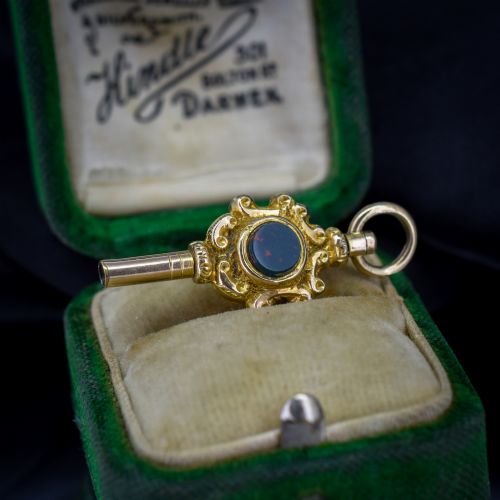
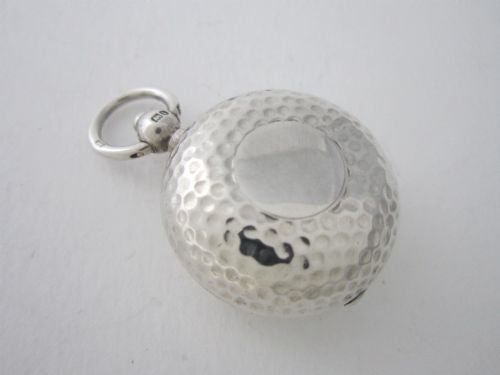
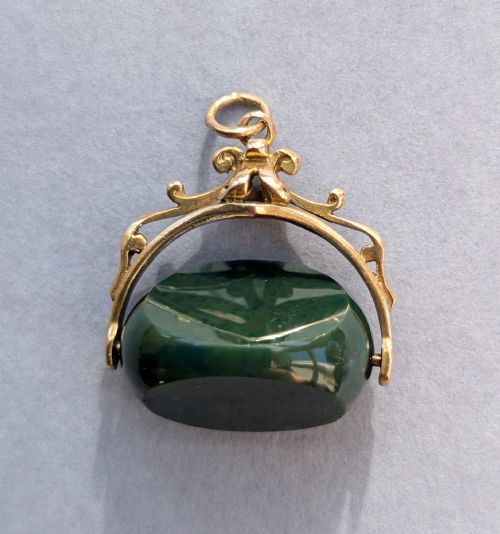
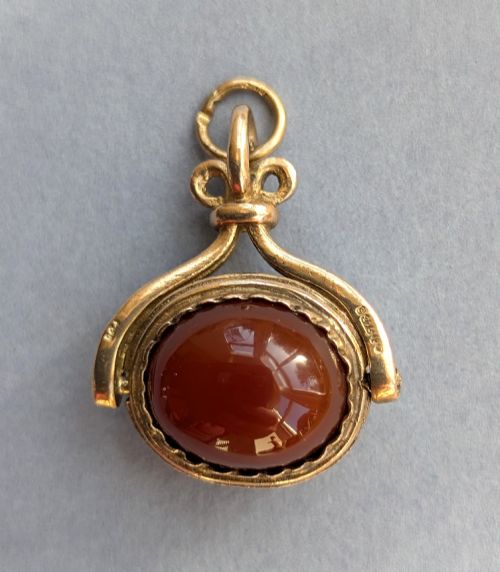
The objects span diverse functional forms, ranging from solid silver pocket watches and sovereign cases to intricate carnelian and bloodstone spinning fobs. These items reflect the personal accessorising habits of the nineteenth and early twentieth centuries, merging utility with wearable status.
Pieces bearing specific dates from the 1870s through the 1920s appear alongside unhallmarked Georgian items and gilt metal variants. The inventory bridges horological instruments and decorative pendants, showcasing the craftsmanship of past decades.
How they were made
Metals such as sterling silver, 9ct gold, 15ct gold, and rolled rose gold form the structural foundation of these items, shaped into curb links, trombone chains, and protective cases. Smiths utilised durable alloys to withstand daily wear while maintaining refined decorative profiles.
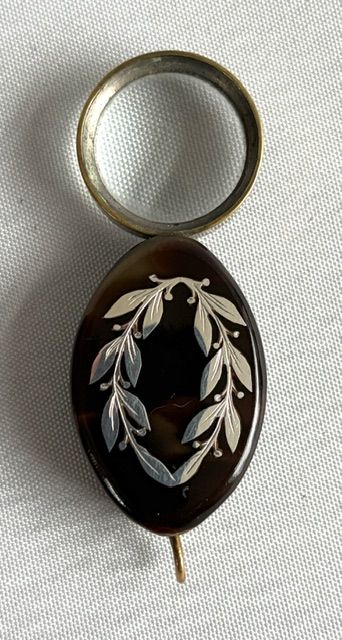
Gemstones including carnelian, bloodstone, sardonyx, and glass are hand-set into rotating bezels and stationary mounts, often featuring intaglio engravings. Enamel work and cut steel provide surface contrast and texture on seals and charms.
Antique Pendant Watch Retail Price Guide 2026
Typical asking prices for pendant watch among the pieces listed under this phrase on Sellingantiques today, from the lower quarter to the upper quarter. They describe what is for sale here now, not the wider market.
Mr Punch makes a metallic appearance as a sliding charm pendant, keeping Victorian humour alive on the end of a gold chain.
What varies in quality
The standard of an antique pendant watch rests upon the crispness of metal chasing, the depth of intaglio carving on stones like bloodstone and carnelian, and the mechanical integrity of swivel mechanisms and dog clips. Superior examples display sharp hallmarks, well-defined engraving, and balanced proportions across chains and attached fobs.
Lighter rolled gold or gilt items occupy a different tier from solid 9ct and 15ct gold pieces, while the presence of original components such as matching split rings and functional compasses elevates the integrity of the ensemble.
Crisford and Norris·Waltham
The Antique Pendant Watch Glossary
- Fob
- A short strap, ribbon, or chain attached to a pocket watch, or the small ornamental pendant hanging from it. These items were designed to assist in pulling the watch from a pocket.
- Albert chain
- A type of watch chain worn across the waistcoat or suspended from a garment, named after Prince Albert. They often feature a T-bar at one end and a dog clip at the other.
- Intaglio
- A design carved into the flat surface of a gemstone or seal so that an impression pressed in wax appears in relief. Carnelian and bloodstone were frequent choices for this technique.
- Sovereign case
- A small, round container engineered to hold British sovereign gold coins securely. These cases often featured spring-loaded lids and suspension loops for watch chains.
- T-bar
- A transverse bar of metal attached to the centre of an albert chain used to secure the chain through a buttonhole. It remains a defining component of period watch chains.
Antique Pendant Watch: Frequently Asked Questions
How do I wear an antique pendant watch?
These pieces can be suspended from a matching albert chain secured through a waistcoat buttonhole or pinned directly to a lapel as a pendant.
Many collectors also adapt longer curb link chains to wear the timepieces and associated fobs as traditional necklaces.
What is a spinning fob?
A spinning fob is a rotating pendant mounted on a swivel axis, allowing the wearer to display two different faces, such as a carnelian stone on one side and a bloodstone on the other.
They were frequently utilised as wax seals or decorative charms attached to watch chains.
How do I date an antique watch chain?
Dating relies heavily upon official assay office hallmarks stamped onto the silver or gold links, which indicate specific town marks and active years.
Stylistic cues such as trombone links or the presence of a George V sovereign case also help narrow down the production era.
Were these watches made for men or women?
Pocket watches and albert chains were standard accessories for gentlemen during the Victorian and Edwardian periods, worn across waistcoats.
Smaller fob watches and decorative pendant charms were equally popular among women, who pinned them to bodices or wore them on chatelaines.