


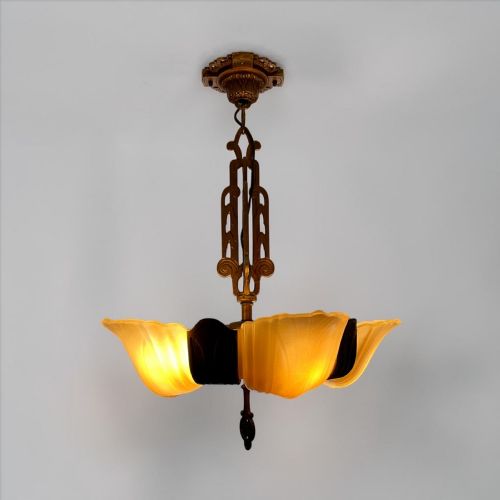
Antique Pendant Lamp
An antique pendant lamp brings focused overhead illumination and period character to a room, spanning brass lanterns, glass shades and multi-light fixtures.
Antique Pendant Lamp
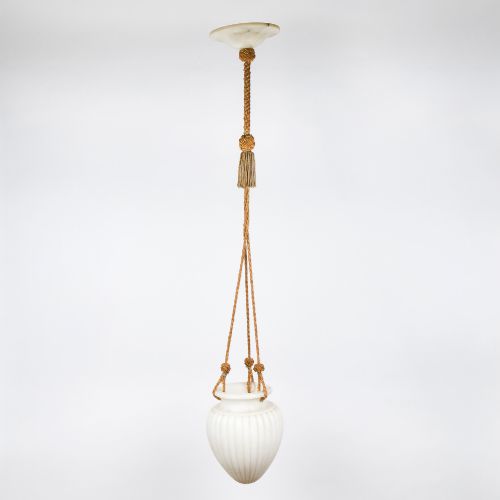
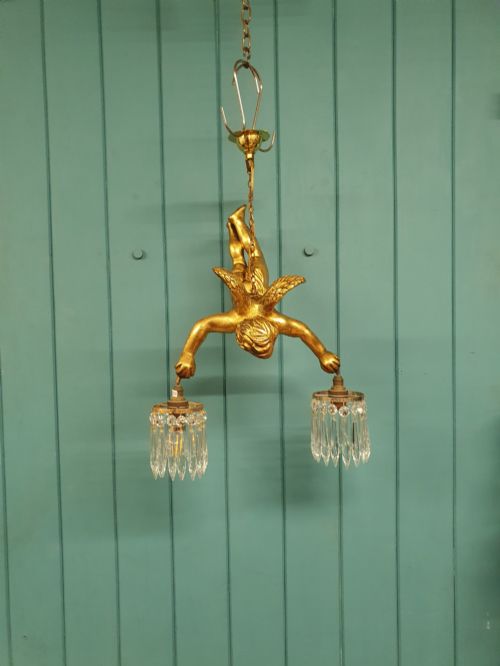
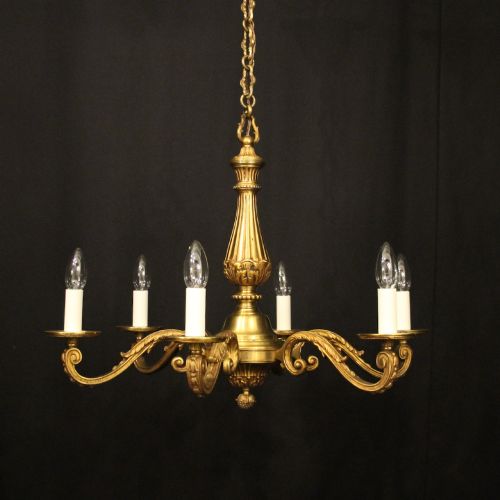
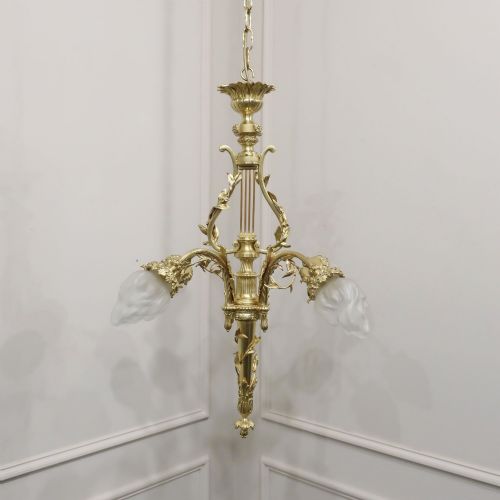
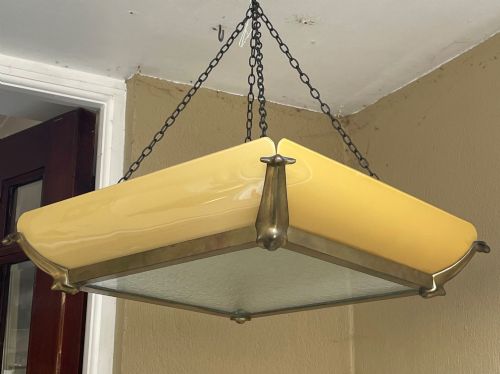
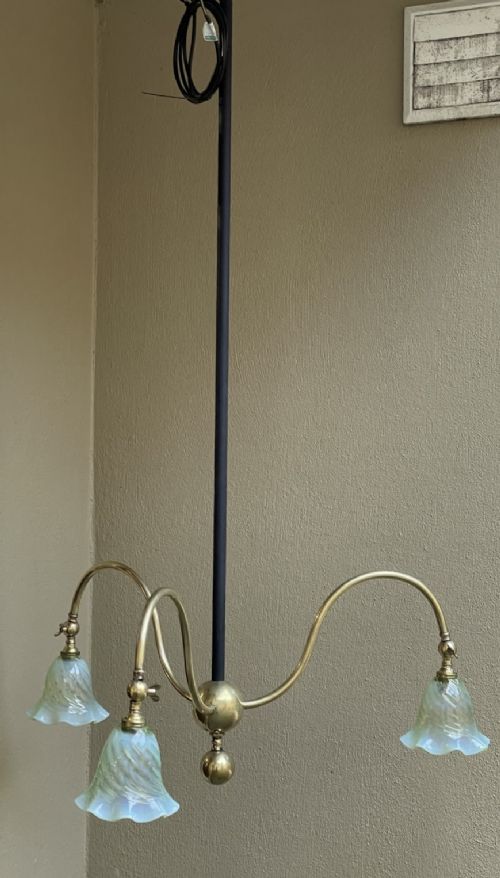
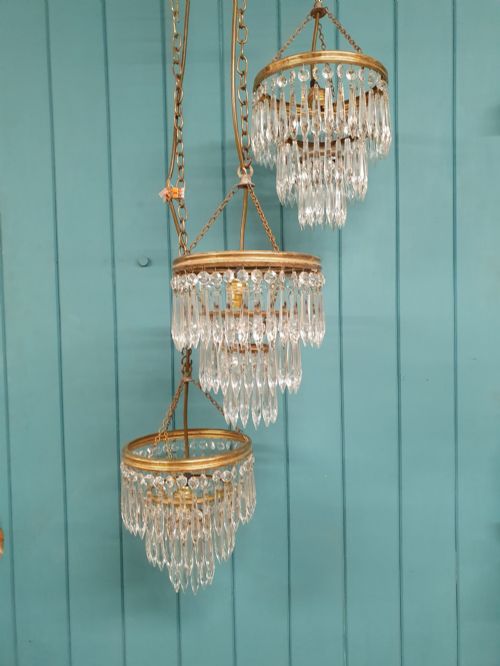
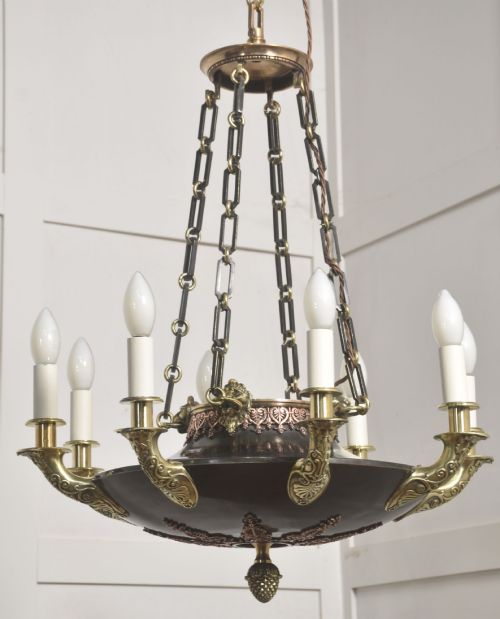
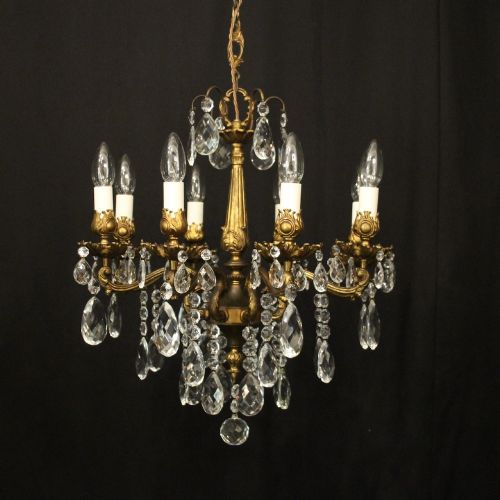
When you search for an antique pendant lamp, you encounter a diverse array of hanging ceiling fixtures designed to illuminate interiors from above. The selection ranges from early industrial metal shades and delicate opaline glass globes to ornate French gilded brass lanterns and multi-branched crystal chandeliers dating from the nineteenth century through the Art Deco era.
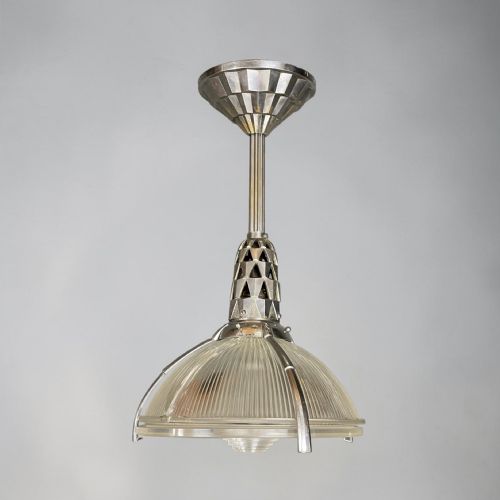
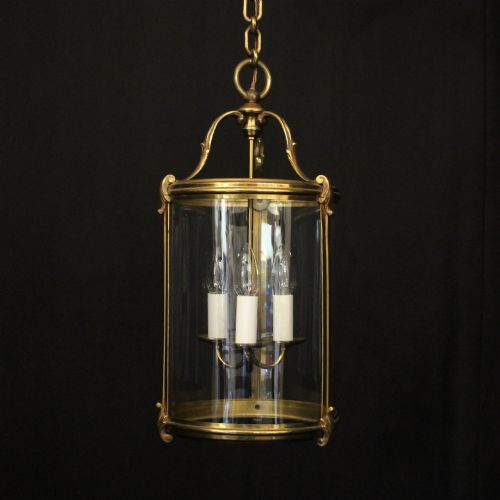
The specimens you are most likely to meet on this page include Edwardian brass and cut glass ceiling lights, French gilt bronze hall lanterns, and nineteen-thirties pendant lights featuring slip shades or holophane glass. These pieces reflect domestic lighting shifts from oil and gas to electricity across various European and American stylistic traditions.
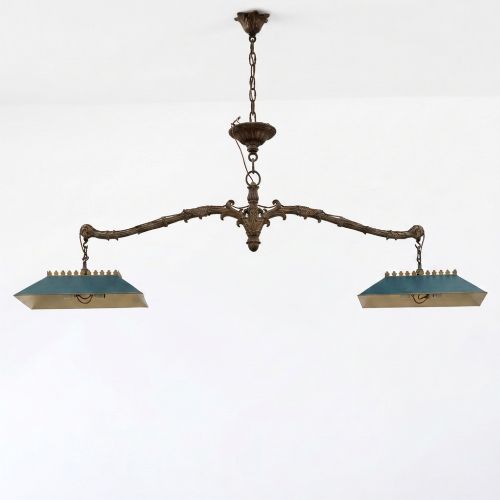
Forms vary significantly, encompassing single-bulb hanging lanterns, flush plafonniers, acorn-shaped shades, and complex multi-light chandeliers styled in French Empire, Art Nouveau, or industrial aesthetics. Each object demonstrates how makers adapted illumination methods to suit specific domestic spaces like hallways, billiard rooms, and parlours.
How they were made
Makers constructed these hanging fixtures primarily using cast and spun brass, copper, and bronze, often employing fire gilding or silver plating to finish the metalwork. Structural elements like frames, galleries, and chains were frequently cast or hand-beaten before being assembled with mechanical fasteners or brazed joints.
Glass components form the other half of the construction, utilising techniques such as mould-blowing for opaline globes, heavy pressing for slip shades, and intricate hand-cutting for crystal spikes and prisms. Leaded glass panels soldered together within metal frameworks also appear frequently in utilitarian and hall lanterns.
Listings feature brass, copper, and gilt bronze frames paired with cut crystal, opaline, and leaded glass spanning the Victorian period to the nineteen-forties.
What varies in quality
Quality in these hanging fixtures rests upon the crispness of the metal casting and the depth of the hand-finishing, where finer examples display sharply chiselled bronze mounts and substantial gauge brass rather than thin pressed sheet metal. Superior glass elements show precise faceting, heavy lead content that refracts light cleanly, and uniform thickness free from heavy bubbles or distortion.
The integrity of the original construction, including the weight of the frame, the quality of the suspension mechanisms, and the sophistication of the decorative motifs, separates standard production pieces from exceptional work. Pieces retaining matching original crystals, intact period shades, and harmonious patination demonstrate a higher tier of craftsmanship.
Émile-Jacques Ruhlmann
The Antique Pendant Lamp Glossary
- Plafonnier
- A ceiling-mounted or closely hung bowl-shaped light fixture designed to sit flush or near-flush against the ceiling. These often feature cut glass or moulded shades popular in the Edwardian period.
- Slip shade
- A type of glass shade used in pendant lights where individual frosted or enamelled glass panels slide into a metal frame. This technique gained prominence during the Art Deco era.
- Opaline glass
- A milky, semi-translucent glass often tinted in pale colours, utilised for diffusing light softly in nineteenth and early twentieth-century shades and globes.
- Holophane
- A brand of scientific glass reflector featuring prismatic ribs designed to direct and diffuse light efficiently. It is commonly found in industrial and early twentieth-century pendant lighting.
- Spike chandelier
- A vertical, tiered hanging light fixture adorned with protruding crystal drops and spears arranged around a central metal stem. They are frequently associated with Edwardian and nineteen-thirties salon lighting.
Antique Pendant Lamp: Frequently Asked Questions
What rooms suit an antique pendant lamp best?
Smaller hall lanterns and single-bulb opaline shades suit narrow entryways, corridors, or compact cloakrooms where vertical space is limited. Multi-light brass and crystal chandeliers perform well in high-ceilinged reception rooms, dining spaces, or bedrooms as central focal points.
Industrial metal pendants function effectively in kitchens or studies that benefit from direct downward task lighting. Matching the scale of the pendant to the room dimensions ensures the fixture complements the interior proportions.
Can I replace missing crystal prisms on an old chandelier?
Replacement crystals can be sourced from specialist antique restorers who match cut glass patterns, sizes, and neck styles to historical periods. Matching the clarity, edge bevelling, and glass tint ensures the replacement drops blend seamlessly with the original elements.
Original hardware fittings like brass pins or wire loops should be used to attach new prisms in the traditional manner. This maintains the structural integrity and historical authenticity of the fixture.
How do I date an antique pendant lamp?
Dating relies on identifying stylistic markers, manufacturing techniques, and materials characteristic of specific eras like Edwardian brasswork or Art Deco geometric slip shades. Fastener types, wiring channels, and glass moulding methods provide additional clues regarding the period of production.
Comparing construction details with dated examples helps narrow the decade of manufacture. Hallmarks or foundry stamps on the metal frame occasionally confirm the exact workshop origin.