
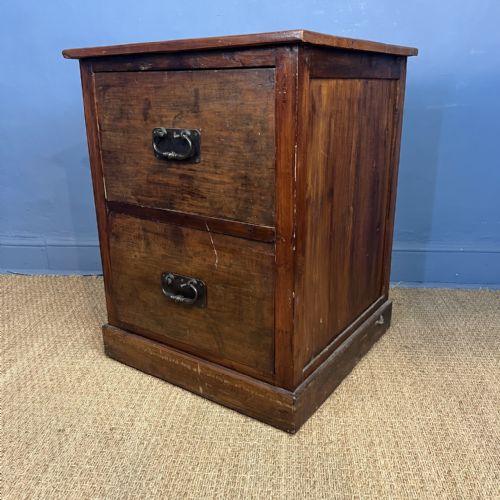


Antique Pedestal Storage Chest
An antique pedestal storage chest brings compact proportion and rich timber grain to a room, offering practical storage disguised as a refined furnishing.
Antique Pedestal Storage Chest
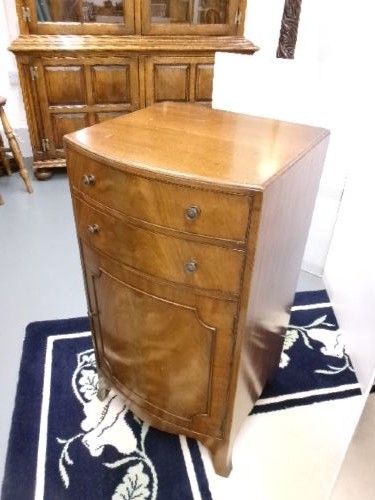
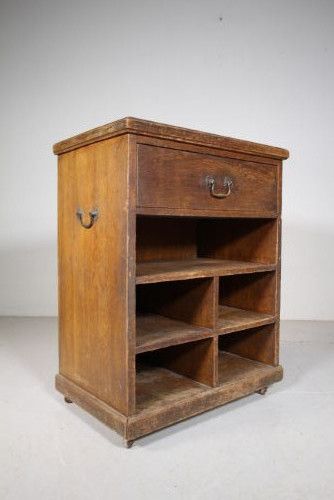
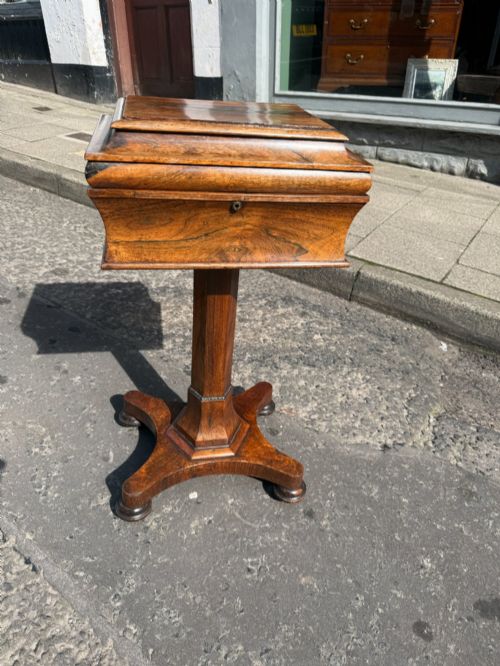
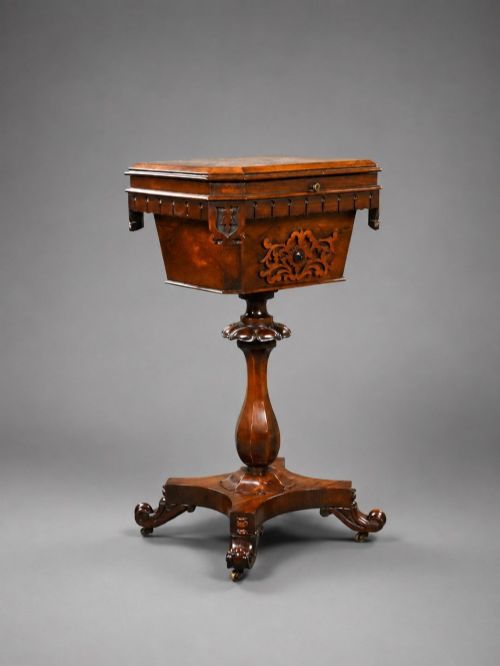
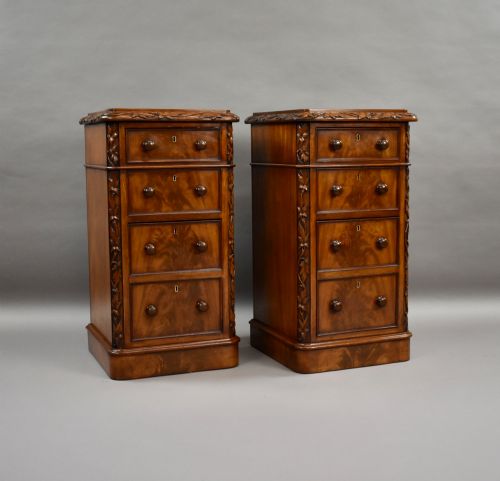
When searching for an antique pedestal storage chest, you encounter a diverse group of upright furnishings designed to hold small items or clothing within a compact footprint. These pieces emerge across Georgian, Regency, Victorian, and Edwardian eras, spanning formal drawing-room tea caddies on stands to bedside cupboards and tall drawer units.
Materials and Technique
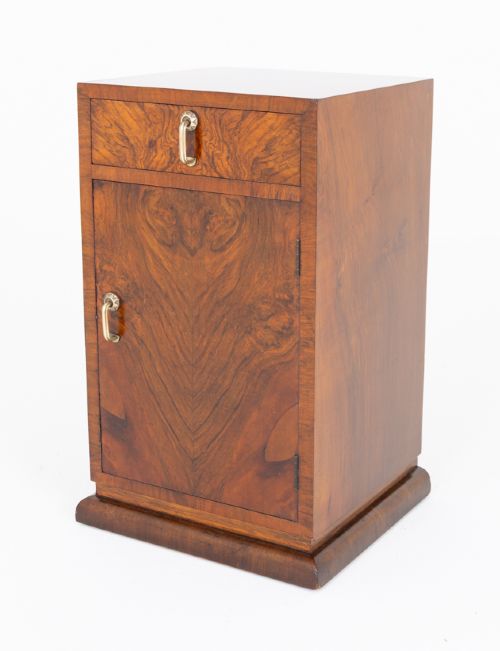
Cabinetmakers utilised dense hardwoods like mahogany, walnut, and rosewood, often selecting flame or burr veneers to create striking surface patterns on the primary faces. Secondary timbers such as pine appeared in structural carcases and drawer linings.
Joinery techniques relied on dovetailed drawer construction and precise frame-and-panel assembly, occasionally augmented by turned feet, carved supports, and fitted brass hardware.
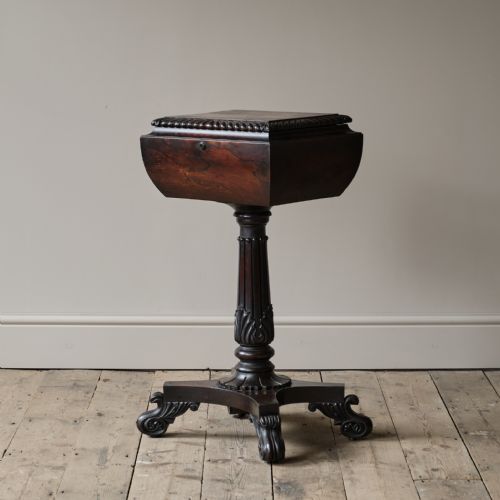
Some nineteenth-century teapoys contained internal crystal mixing bowls alongside lidded canisters, ready for blending green and black teas at the tea table.
Judging Quality
Excellence in these pieces rests upon the choice of timber and the restraint of its embellishment. The finest examples display continuous, matched grain across drawer fronts and crisp carving on structural supports rather than heavy, applied ornament.
Proportion and interior integrity also set standards apart. Superior items maintain balanced architectural lines, original internal fittings where applicable, and smooth-running drawers that indicate careful initial construction by skilled hands.
Gillows
The Antique Pedestal Storage Chest Glossary
- Teapoy
- A small pedestal table or chest originally designed to hold loose tea leaves. These containers often feature internal caddies and sarcophagus or rectangular box forms.
- Wellington chest
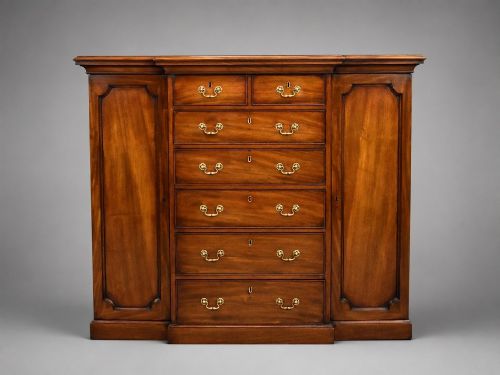
- A tall, narrow chest of drawers secured by a locking side stile or hinged locking flap. This vertical format maximises storage while taking up minimal floor space.
- Flame mahogany
- A veneer cut from the fork of a mahogany tree where the branch joins the trunk. It yields a distinctive, fiery pattern prized for cabinet fronts.
- Gonçalo-alvez
- A dense exotic hardwood with a contrasting striped figure, sometimes called zebrawood. Regency cabinetmakers employed it for striking decorative side cabinets.
- Satin birch
- A light-coloured timber with a silky sheen used in late nineteenth-century interiors. It provided a pale contrast to darker woods like walnut.
Antique Pedestal Storage Chest: Frequently Asked Questions
What is a teapoy used for?
A teapoy served in nineteenth-century drawing rooms to store precious tea leaves securely under lock and key. Servants prepared the tea in the room, making the container both a practical utility and a decorative object.
Today, buyers repurpose these lidded pedestal boxes as small side tables or inventive storage chests for trinkets and jewellery in living spaces or bedrooms.
How do I date a pedestal chest?
Dating relies on examining the timber species, construction methods, and overall architectural style of the piece. Regency and Georgian examples tend to feature classical proportions and rosewood or early mahogany, while Victorian versions often use heavy burr walnut or flame mahogany veneers.
Secondary woods inside drawers also offer clues, as pine and oak usage shifted across the nineteenth century. Hardware styles, such as brass ring pulls or turned wooden knobs, help confirm the period of manufacture.
Where should I place a bedside chest?
These compact upright chests fit naturally beside a bed to hold lamps, books, and night-time essentials. Their enclosed cupboards or stacked drawers keep clutter out of sight in smaller rooms.
Ensure the height matches your mattress level for comfortable daily use. Their varied timber tones also allow them to function as lamp stands in hallways or sitting rooms.
Are these chests suitable for modern homes?
The modest footprint of these upright chests makes them exceptionally practical for contemporary interiors that require storage without bulk. They slide easily into alcoves, tight hallways, and compact bedrooms.
Their rich natural timbers, including walnut, mahogany, and oak, introduce warmth and texture that contrast well against plain modern walls.