


Antique Pedestal Bookcase
These antique pedestal bookcase items bring refined library function and classic timber work into your study.
Antique Pedestal Bookcase
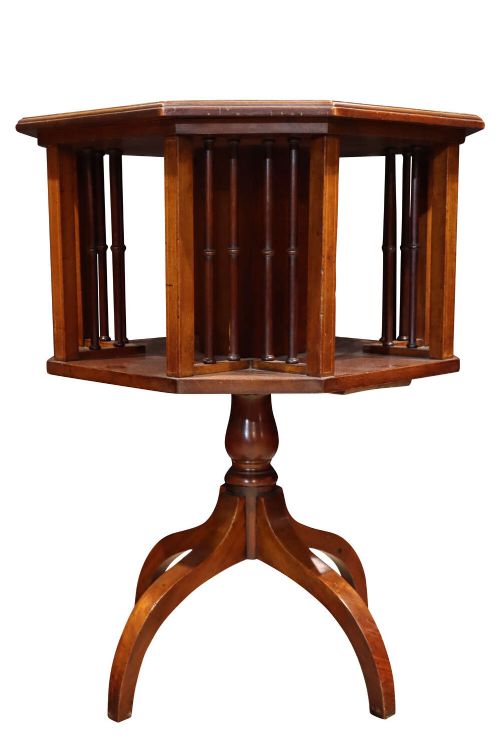
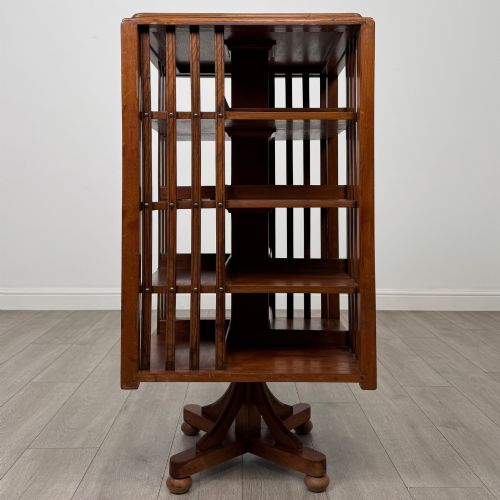
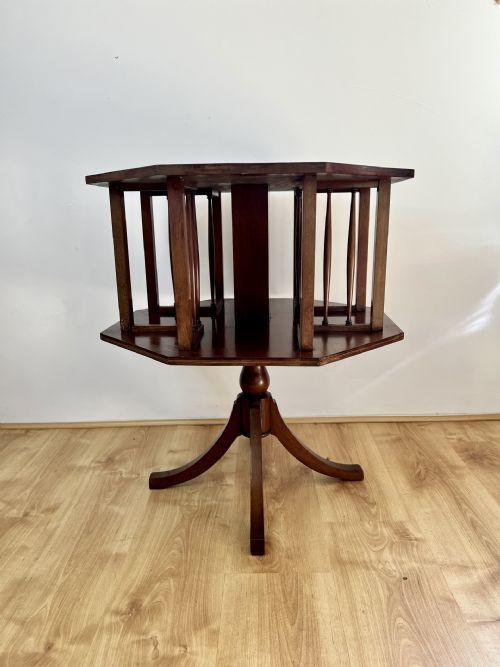
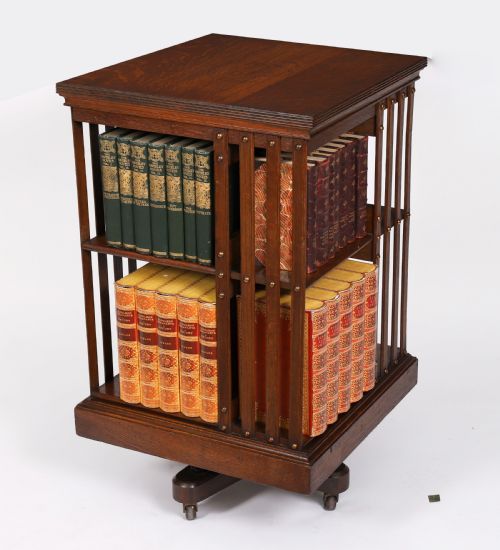
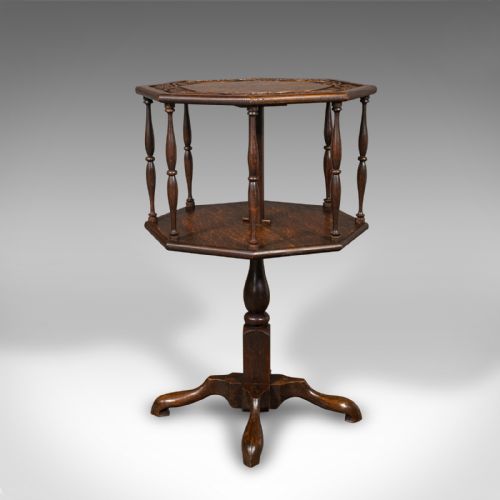
When you search for an antique pedestal bookcase, you encounter a selection of library furnishings designed to hold volumes on central stands or vertical pedestals. The records show these pieces span Victorian, Edwardian, and earlier periods, often taking the form of revolving bookstands or fitted cabinets.
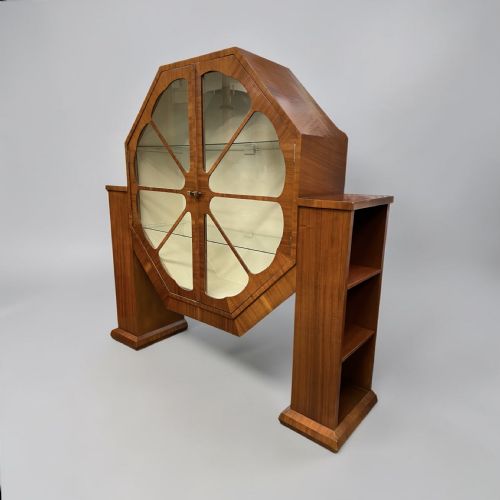
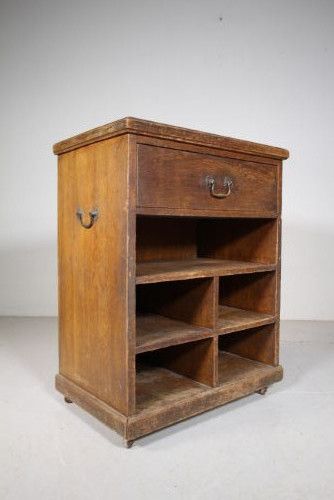
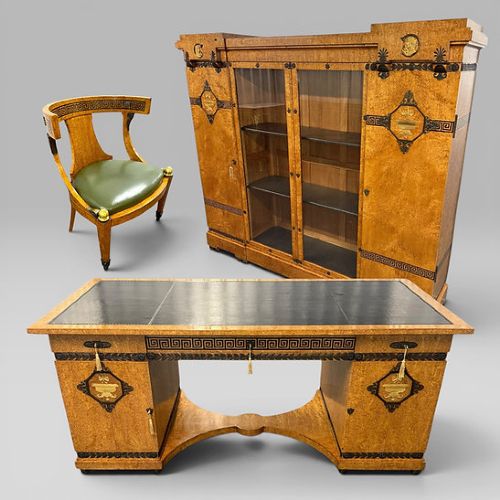
Mahogany and oak dominate the current stock, accompanied by rosewood, satinwood, and burr walnut. You will also find related library furniture such as secretary bookcases, display cabinets, and revolving book mills that share the same compact pedestal footprint.
How they were made
Cabinet makers utilised dense hardwoods like mahogany and oak as the structural foundation for these bookcases and stands. Grain selection mattered greatly, with burr walnut and satinwood applied as veneers or inlay to add visual depth to flat surfaces.
Revolving mechanisms relied on internal metal or brass ball bearings and iron pivots to ensure smooth rotation under heavy loads of books. Joinery techniques included tight dovetailing and fine framing to keep the pedestal upright and stable.
What varies in quality
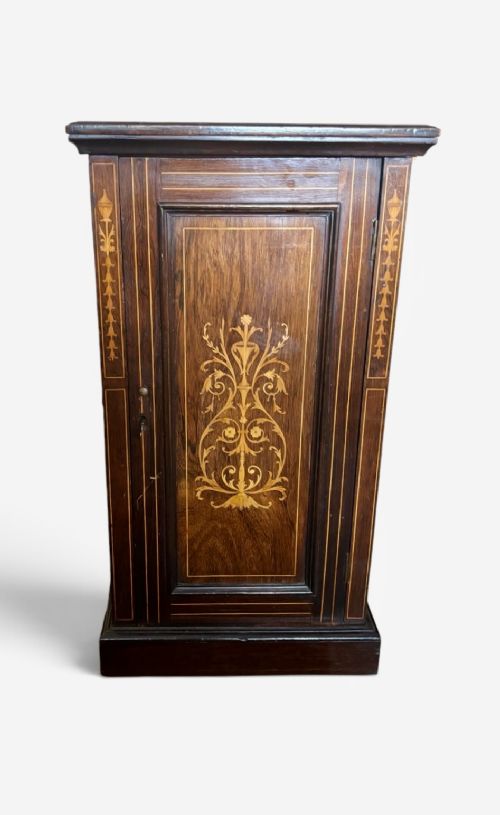
The sophistication of the timber preparation distinguishes standard library furniture from finer examples. Finely figured burr walnut and crisp satinwood inlay indicate a higher tier of craftsmanship than plain or unfigured secondary woods.
Mechanical integrity defines the better revolving models, where the action remains balanced and silent rather than stiff or lopsided. The precision of the joinery around the central pedestal and shelf dividers further marks the degree of care taken in the workshop.
Mercier Frères
The Antique Pedestal Bookcase Glossary
- Pedestal
- A central supporting column or base that elevates a cabinet, table, or revolving bookstand above the floor. It distributes the weight evenly over a stable foot.
- Revolving Bookcase
- A freestanding shelf unit mounted on a concealed pivot mechanism allowing it to spin. This design lets a reader access multiple sides of books from a stationary seat.
- Satinwood
- A durable, yellowish timber prized for its lustrous sheen and smooth texture. Makers used it extensively for contrasting stringing and geometric inlay work.
- Burr Walnut
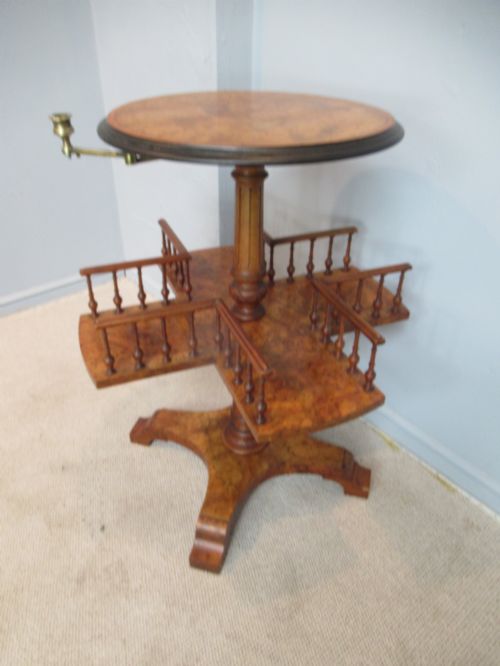
- Wood harvested from the knotted growths of walnut trees, producing swirling, highly decorative grain patterns. It is typically sliced into thin veneers for cabinet doors and tabletops.
Antique Pedestal Bookcase: Frequently Asked Questions
What is a pedestal bookcase?
A pedestal bookcase is a compact shelving unit built around a central support or pillar rather than standing flat against a wall on four legs. Many versions feature revolving tiers so you can access volumes from any angle.
These pieces were originally designed for studies, libraries, and tight spaces where floor area was at a premium. They combine functional storage with decorative timber surfaces.
Are revolving bookcases sturdy?
Quality revolving bookcases utilise internal metal and brass bearings designed to support the heavy weight of dense book collections. The central pedestal anchors the structure securely to a weighted base.
While they spin smoothly, it is sensible to distribute heavier volumes evenly across the lower shelves to maintain perfect balance. Avoid forcing the rotation if the mechanism feels obstructed.
How do I date an Edwardian piece?
Edwardian items date from the reign of King Edward VII, spanning the early years of the twentieth century up to the First World War. You can often identify them by lighter mahogany tones, subtle satinwood inlay, and refined proportions.
Cabinet construction during this period benefited from industrial standardisation while retaining skilled hand-finishing techniques. Documentation, stamps, or stylistic markers can also help narrow down the exact decade.