



Antique Pearlware Jug
An antique pearlware jug is a refined earthenware vessel from the Georgian period, prized for its distinctive blueish glaze and hand-painted or transferred scenes.
Antique Pearlware Jug
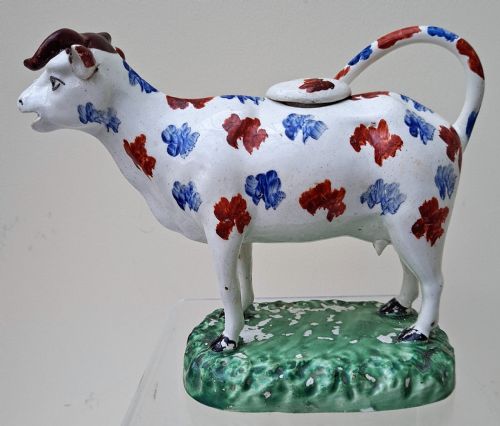
When you search for an antique pearlware jug, you are looking at earthenware vessels produced primarily during the Georgian era, spanning the eighteenth and nineteenth centuries. These pieces encompass utilitarian jugs, creamers, and character jugs, alongside whimsical cow creamers fashioned in English and Welsh potteries.
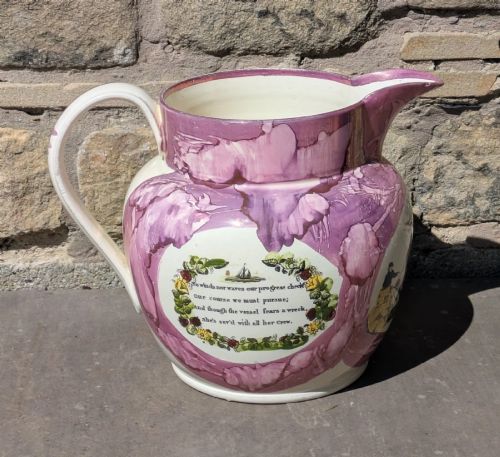
The version you are most likely to meet on this page is a Georgian or Regency pitcher featuring either Sunderland lustre, transfer-printed decoration, or hand-painted botanical motifs. Such items range from large poetic jugs to diminutive creamers designed for the tea table.
Materials and construction methods
Potters built these vessels using ceramic earthenware, applying a thin glaze over a slightly bluish body to imitate the appearance of Chinese porcelain. This pearlware glaze pooled subtly in recessed areas, creating a characteristic pale blue tint.
Decoration relied on techniques such as metallic lustre glazes, cabbage leaf moulding, and purple transfer printing. Artisans also employed famille rose palettes and hand-painted poetic panels to finish the pottery before firing.
Antique Pearlware Jug Retail Price Guide 2026
Typical asking prices for pearlware jug among the pieces listed under this phrase on Sellingantiques today, from the lower quarter to the upper quarter. They describe what is for sale here now, not the wider market.
Listings here feature earthenware and pearlware ceramic bodies finished with metallic lustre glazes, transfer printing, and hand-painted palettes from the Georgian period.
Assessing quality and craftsmanship
Quality in these vessels rests upon the crispness of the moulding and the control of the metallic lustre and transfer decoration. Stronger examples display sharp relief work, such as detailed cabbage leaf patterns, and precisely applied polychrome pigments.
The finesse of the potting and the clarity of the pearlware glaze distinguish standard utility vessels from more ambitious exhibition pieces. Superior items maintain balanced proportions and clean transfer details without blurring or running glaze.
The Antique Pearlware Jug Glossary
- Lustreware
- Earthenware decorated with a metallic film that gives a brilliant iridescent sheen. Sunderland lustre pieces often incorporate pink splash effects.
- Cow creamer
- A ceramic vessel shaped like a cow, used for serving milk or cream from the mouth of the animal. They frequently feature a small figure of a milkmaid.
- Transfer printing
- A decoration technique where an engraved copper plate transfers a design onto paper, which is then stamped onto the unglazed or bisque ceramic body. This allowed for intricate repeating patterns and poetic verses.
- Toby jug
- A pottery jug modelled in the form of a stout, genial man wearing eighteenth-century attire. They typically hold a mug of beer or a pipe.
Antique Pearlware Jug: Frequently Asked Questions
What is pearlware?
Pearlware is a refined form of earthenware developed in England during the late eighteenth century. It was created to bridge the visual gap between creamware and expensive Chinese porcelain.
The addition of cobalt oxide to the transparent glaze produced a characteristic bluish pooling effect, particularly visible around handles, rims, and moulded details.
How do I date a pearlware jug?
Dating these jugs involves examining the style of the handle, the intensity of the blue glaze tint, and the decoration method. Most pieces date from the Georgian and Regency eras.
Early pieces often feature underglaze blue painting or moulded reliefs like cabbage leaves, while later nineteenth-century examples frequently utilise transfer printing and metallic lustre.
Were these jugs used daily?
Many of these vessels served practical roles on the dining table for pouring milk, cream, water, or small beer. Larger versions held liquids for household hospitality.
Others, such as narrative Sunderland lustre jugs with poetic panels or cow creamers, held commemorative or display value alongside their functional capacity.
How do I care for antique pearlware?
Caring for these ceramic items requires gentle handling and display away from direct sunlight and fluctuating temperatures. Hand washing in lukewarm water with mild soap is essential.
Harsh detergents, scrubbing brushes, and modern dishwashers will damage the fragile glaze and historical lustre finishes.