
Antique Pearl Drop
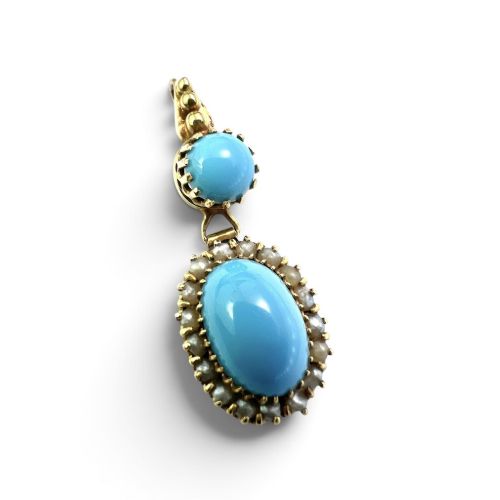
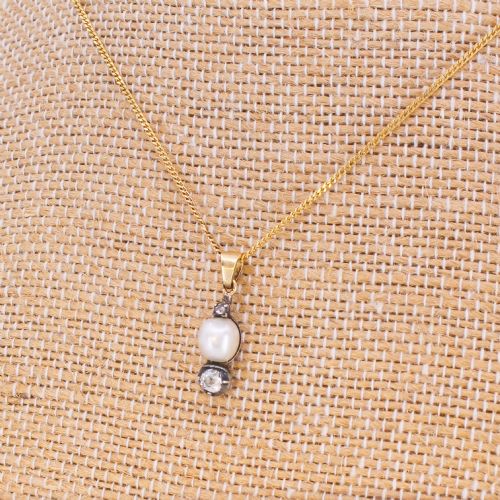
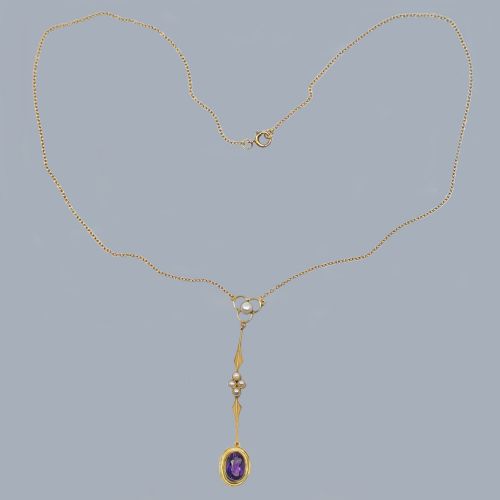
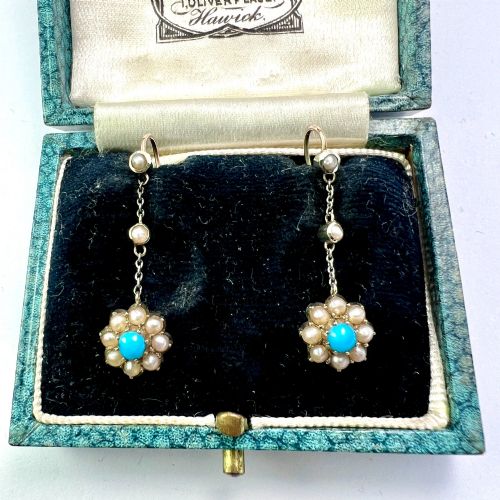
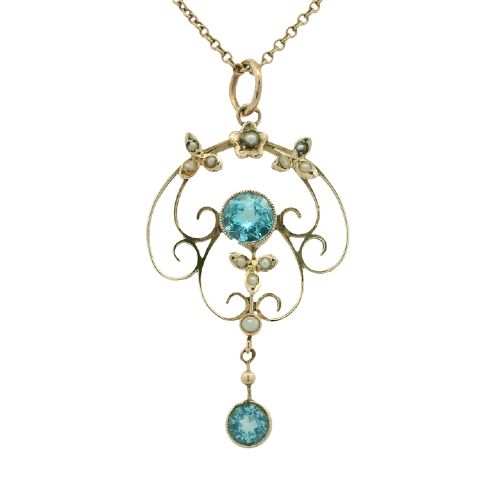
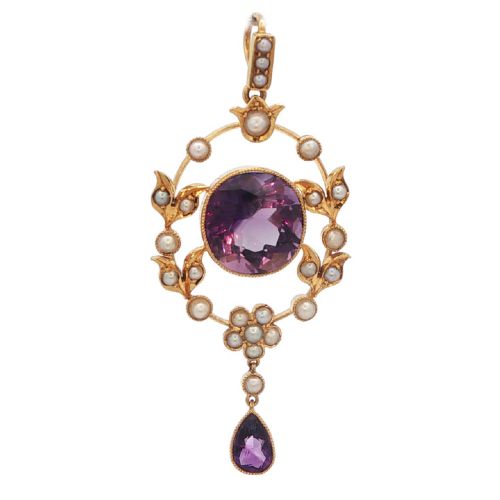
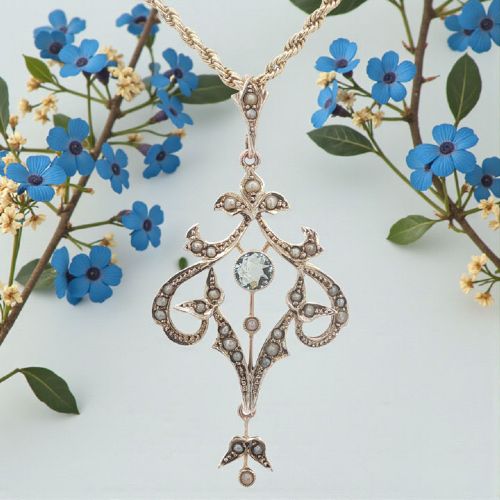
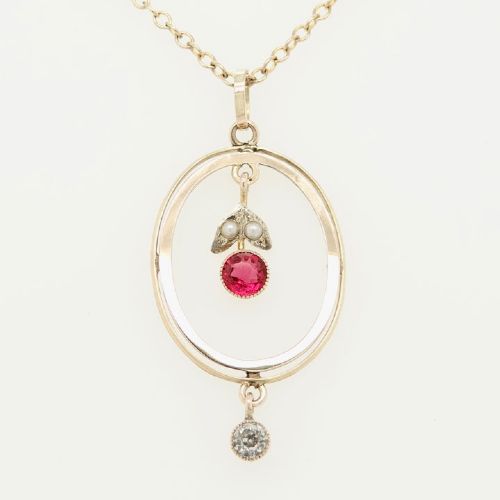
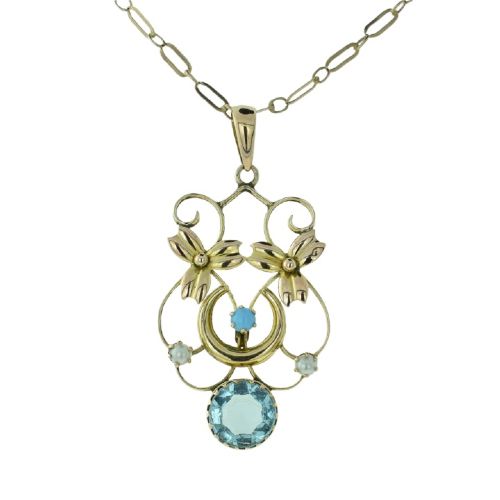
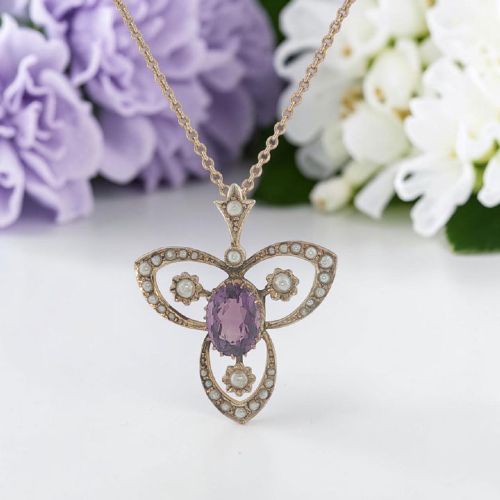
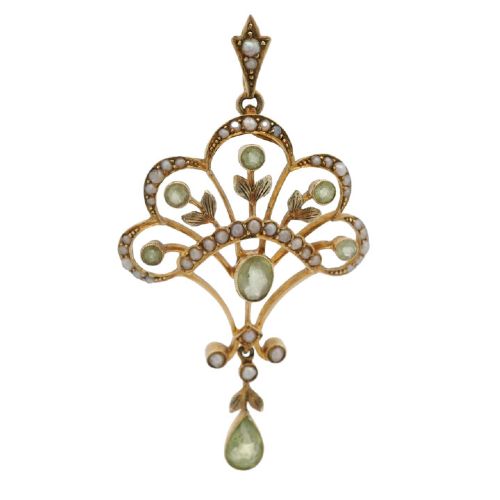
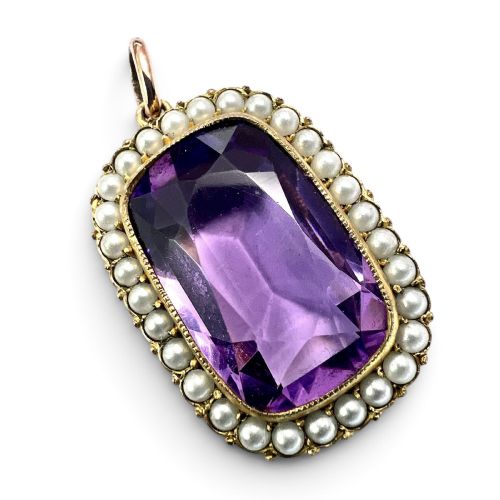
When seeking an antique pearl drop, one encounters delicate pendants and earrings combining lustrous nacre with yellow gold and coloured gems.
Antique Pearl Drop
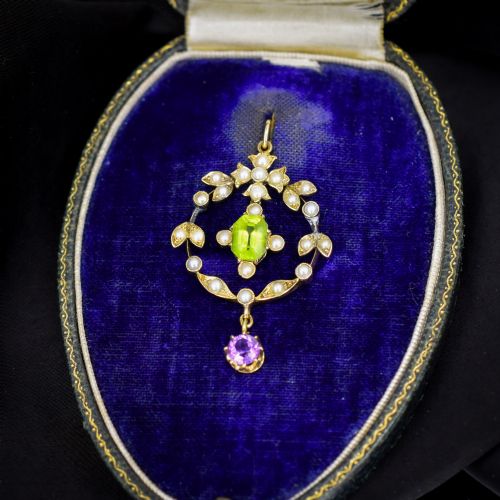
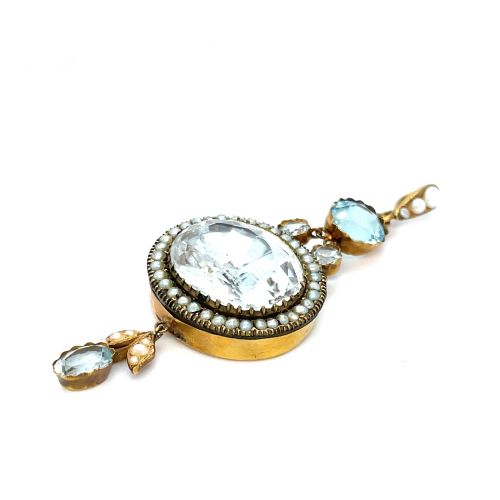
An antique pearl drop encompasses hanging jewels from the Georgian, Victorian, Edwardian, and Art Deco periods, predominantly taking the form of pendants, lavaliers, and dangle earrings. These pieces suspend single pearls or clusters from fine chains and hook wires, often integrating secondary stones like amethysts, peridots, and aquamarines.
The pieces on this page are most commonly Edwardian and Victorian creations, reflecting the high demand for feminine floral motifs and flowing lavalier designs during those eras. Alongside jewellery, the selection occasionally includes wall clocks featuring mother of pearl inlay, broadening the scope of decorative objects bearing this finish.
How they were made
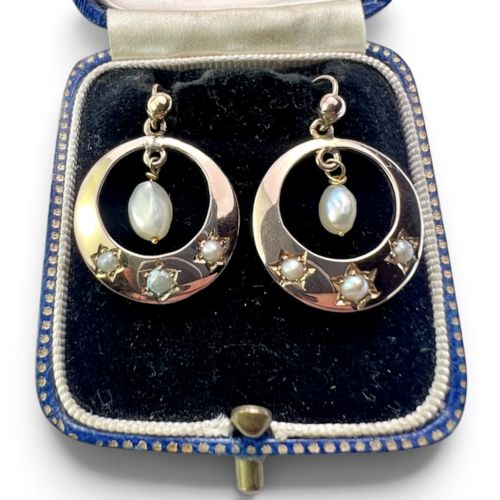
Goldsmiths utilised nine-carat, fifteen-carat, and eighteen-carat yellow gold, alongside platinum and silver settings, to construct the lightweight frameworks needed for dangling components. Seed pearls and natural pearls were secured using fine wirework, collet settings, or star-settings directly into the metal body.
Lapidaries shaped accompanying gemstones such as amethysts, peridots, garnets, and opals into oval, cabochon, and faceted cuts to complement the spherical or teardrop form of the pearls. Metal wire inlay and ebonised woodwork were also employed for decorative wall clocks carrying mother of pearl elements.
The listings span from Georgian and Victorian eras through Edwardian, Art Nouveau, and 1960s revivals, incorporating gold, silver, platinum, and mother of pearl.
What varies in quality
The calibre of an antique pearl drop depends heavily upon the uniformity and lustre of the pearls used, alongside the purity of the surrounding gold. Higher-tier examples feature well-matched natural pearls with strong orient, set within substantial fifteen-carat or eighteen-carat gold frameworks.
Artisanal execution distinguishes finer items, evident in the delicacy of Edwardian openwork, balanced proportions in Art Nouveau settings, and the retention of original boxes or maker marks. Simpler compositions utilise lower nine-carat gold grades and smaller seed pearls with lesser lustre.
S Blanckensee And Son
The Antique Pearl Drop Glossary
- Lavalier
- A pendant featuring a small drop suspended from a longer central chain or motif. This style gained immense popularity during the Edwardian period.
- Seed pearl
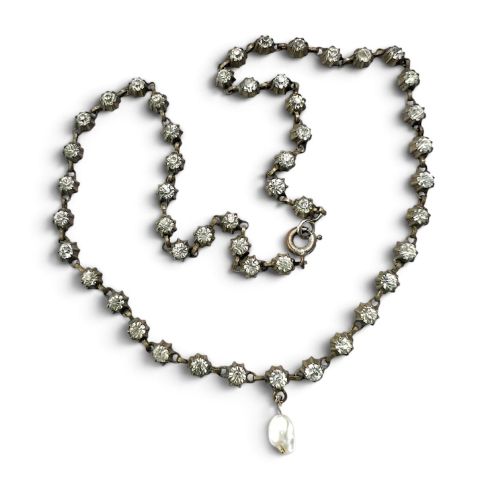
- A very small, naturally formed or cultured pearl, often un-drilled or half-drilled, utilised extensively in cluster and fringe jewellery.
- Holbeinesque
- A Victorian revival style of jewellery inspired by sixteenth-century portraiture, characterised by heavy enamel, gemstones, and dangling pearl drops.
- Cabochon
- A gemstone shaped and polished with a smooth, rounded surface rather than faceted edges.
- Fusee
- A conical pulley mechanism inside antique clocks that maintains even tension on the mainspring as it unwinds.
Antique Pearl Drop: Frequently Asked Questions
How do I clean an antique pearl drop?
Pearls are organic gems that require gentle care, meaning they should only be wiped with a soft, damp cloth after wearing. Chemical dips and ultrasonic cleaners will damage the delicate nacre.
Keep perfumes and hairsprays away from the jewellery to preserve the surface lustre of the pearl.
Were these drops originally earrings or pendants?
Many Edwardian and Victorian pieces were designed with versatile fittings that allowed them to function as both brooches and pendants. Interchangeable loops and hinged bails enabled wearers to adapt the jewellery for different outfits.
Examining the reverse reveals the original pin mechanism or suspension ring.
How can I tell the difference between Victorian and Edwardian styles?
Victorian pieces tend to be heavier, often featuring substantial gold work, star-settings, and romantic motifs like crescents and hearts. These designs reflect the sentimental tastes of the nineteenth century.
Edwardian items shift toward lighter platinum and high-karat gold openwork, utilising garlands, bows, and pastel gems like peridot and amethyst.
Are all the pearls natural?
The listings include both natural saltwater pearls and cultured or seed pearls depending on the era and the specific maker. Earlier pieces from the Georgian and Victorian periods predominantly feature natural pearls.
Grading laboratories use specialised equipment to determine whether a pearl is natural or cultured if certification is required.