


Antique Pearl Box
An antique pearl box brings tactile warmth to a desk, using lustrous shell inlay and rich timber to store letters, trinkets and tea.
Antique Pearl Box
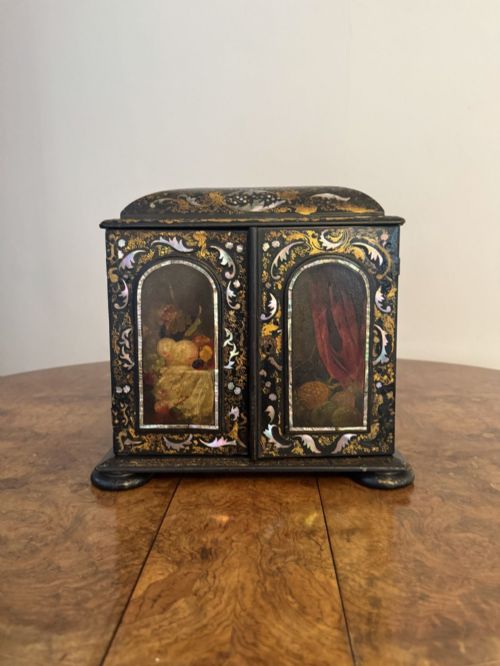
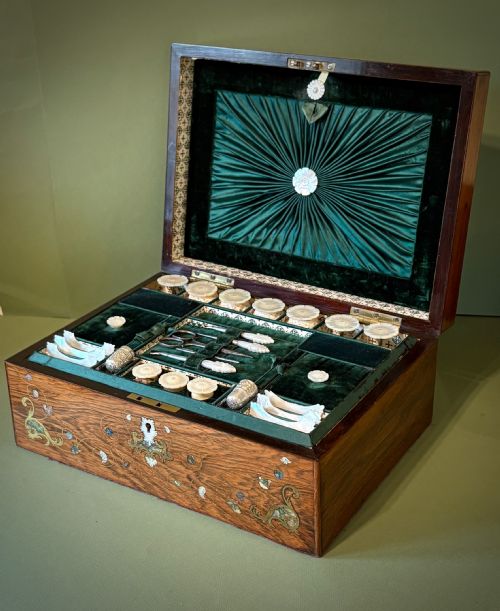
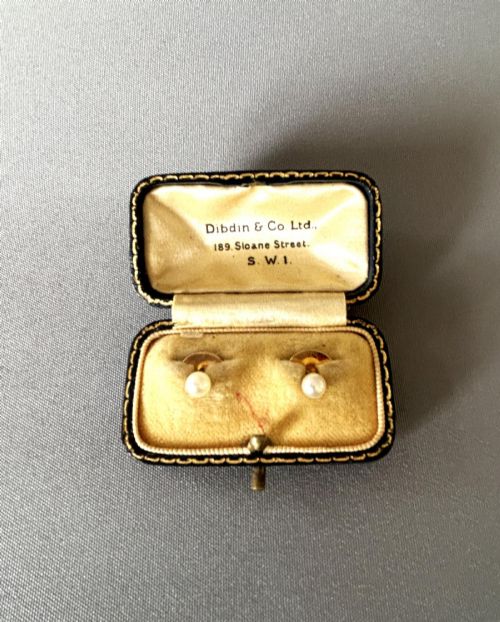
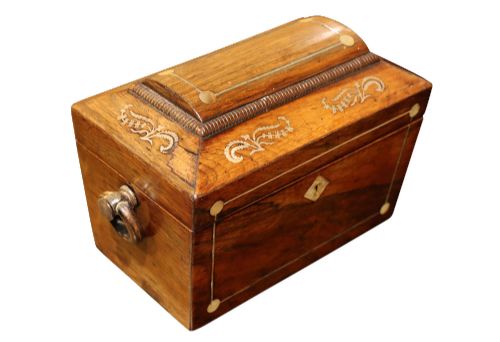
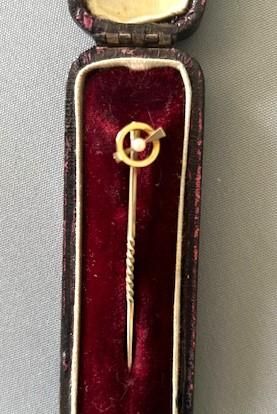
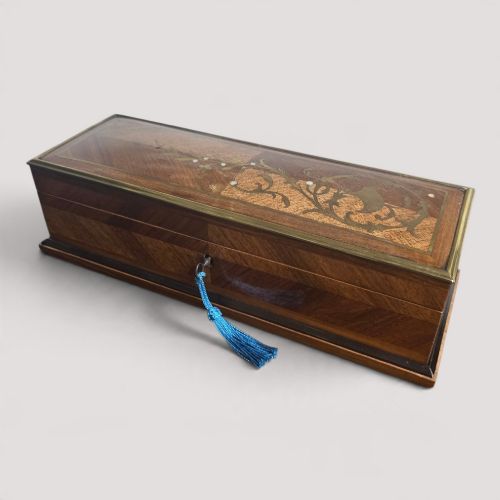
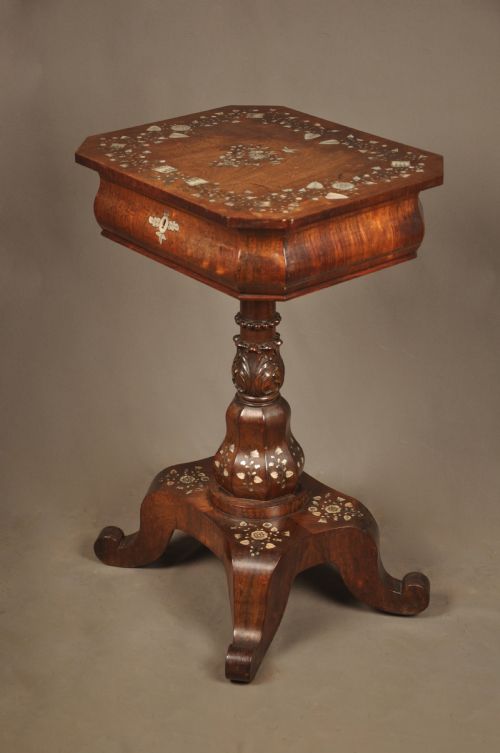
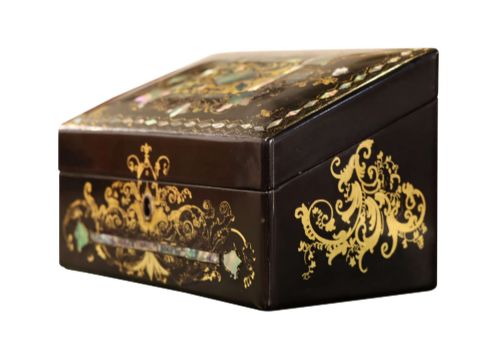
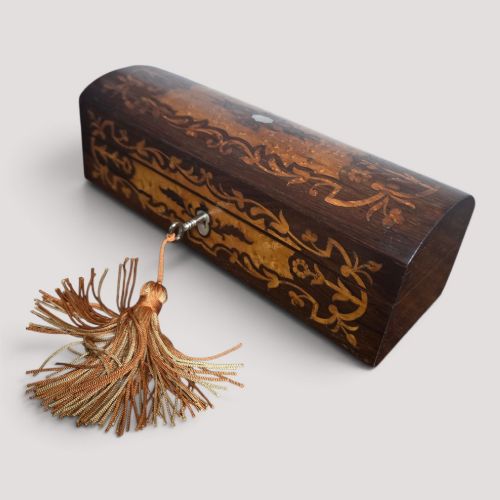
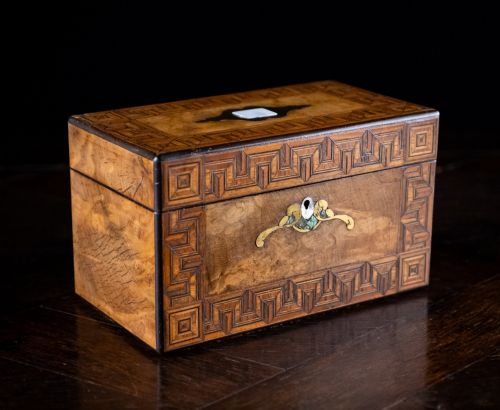
An antique pearl box encompasses small trinket chests, writing slopes, tea caddies and sewing caskets decorated with iridescent shell. These pieces range from compact pill holders and card cases to larger dressing boxes and correspondence cabinets.
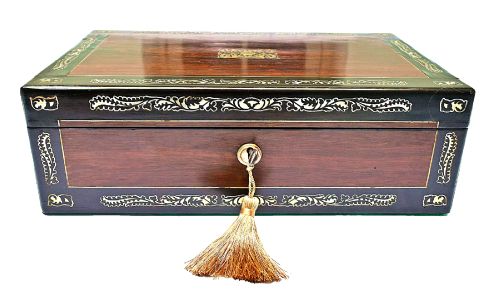
The items seen on this page span the nineteenth century into the early twentieth century, taking forms such as Victorian rosewood work boxes and Edwardian silver pieces. Many incorporate mother-of-pearl or abalone alongside hardwoods like mahogany, walnut and coromandel.
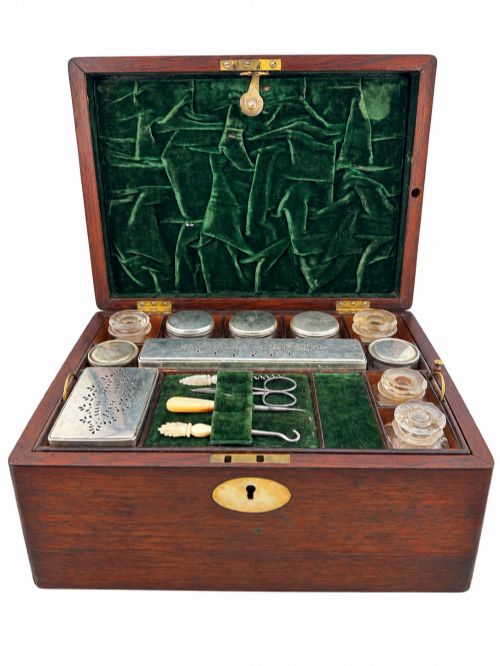
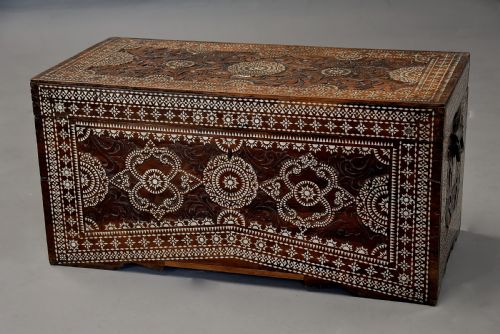
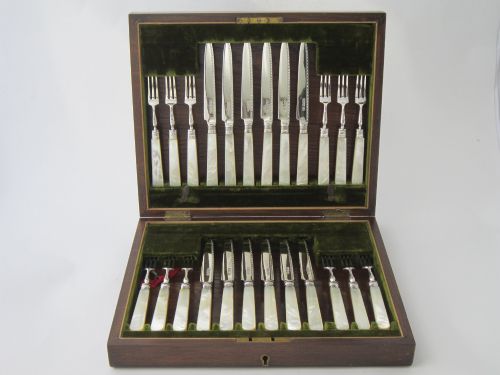
Origins stretch across English workshops, continental centres like the Palais Royal, and Middle Eastern or Asian traditions including Syrian and Anglo-Indian trunk-making. Buyers find both simple keepsakes and fitted cabinets with velvet-lined interiors.
Variations in quality
Quality rests on the precision of the inlay work and the selection of the timber grain. Finer examples display tightly fitted shell sections with hand-engraved surface details rather than plain geometric blocks.
Interior appointments separate standard utility boxes from superior pieces. Well-preserved velvet, complete writing slopes, original silver fittings and functioning locks elevate an object's standing.
Antique Pearl Box Retail Price Guide 2026
Typical asking prices for pearl box among the pieces listed under this phrase on Sellingantiques today, from the lower quarter to the upper quarter. They describe what is for sale here now, not the wider market.
Materials span mother-of-pearl, abalone, tortoiseshell, bone, and velvet deployed across sewing caskets, card cases, and dressing chests.
The Antique Pearl Box Glossary
- Mother-of-pearl
- The iridescent inner layer of certain mollusc shells. It provides the shimmering white and pink material used for decorative plaques and escutcheons.
- Tea Caddy
- A container designed to store dry tea leaves. Many feature internal lidded compartments and mother-of-pearl escutcheons.
- Writing Slope
- A desk accessory with a hinged sloping lid that opens to reveal a flat writing surface and inkwell slots. These often utilise rosewood or walnut.
- Papier-mâché
- A composite material made from paper pulp or layers of paper reinforced with glue. It forms smooth dark surfaces that accept mother-of-pearl inlay and paint well.
- Escutcheon
- A small protective plate surrounding a keyhole. On these pieces, they are frequently cut from mother-of-pearl or brass.
Antique Pearl Box: Frequently Asked Questions
What were antique pearl boxes used for?
These boxes served practical domestic functions to secure valuable personal items. Owners stored correspondence, sewing implements, dry tea, or jewellery inside fitted compartments.
Smaller versions held calling cards, pills or trinkets. Their decorative nature meant they remained on display in parlours and dressing rooms.
How do I care for a mother of pearl box?
Keep the timber and shell away from direct sunlight and damp conditions to prevent wood shrinkage and lifting inlay. Dust gently with a dry, soft cloth.
Avoid liquid cleaners and polishes that contain harsh chemicals, which can damage the delicate shell surface and historic wood finishes.
Are the interiors usually original?
Interiors vary between original fitted velvet, silk, or paper linings and later restorations. Many retain compartments for inkwells, nibs, or thread.
Signs of wear on fabric often confirm age, while completely fresh linings suggest replacement during the object's history.
How can I tell the period of a box?
Dating relies on timber choice, construction methods, and hardware styles. Regency and William IV pieces often use rosewood with brass stringing, while Victorian examples frequently incorporate papier-mâché or burr walnut.
Locks, hinges, and internal paper types also offer clues to the decade of manufacture.