


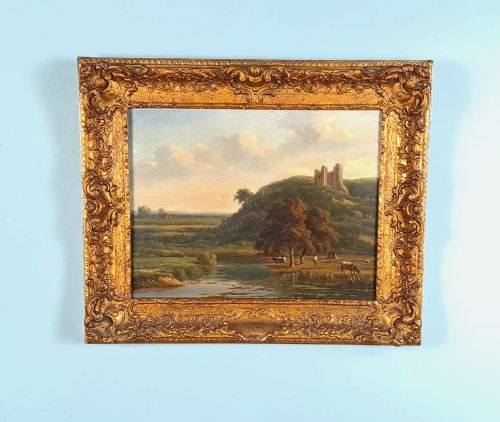
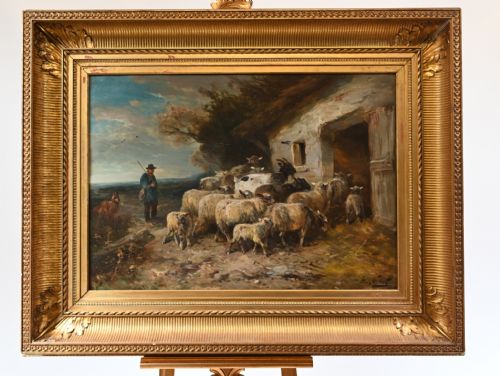
Antique Pastoral Scene Picture
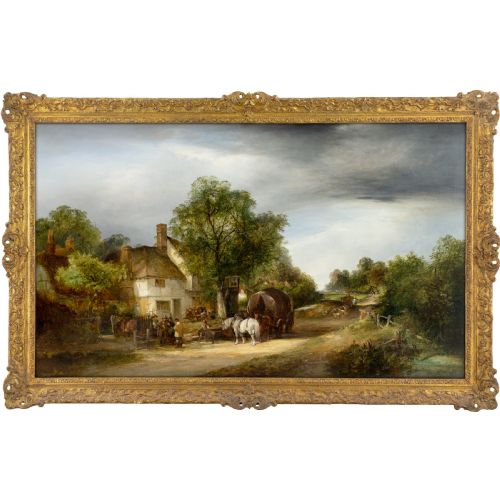
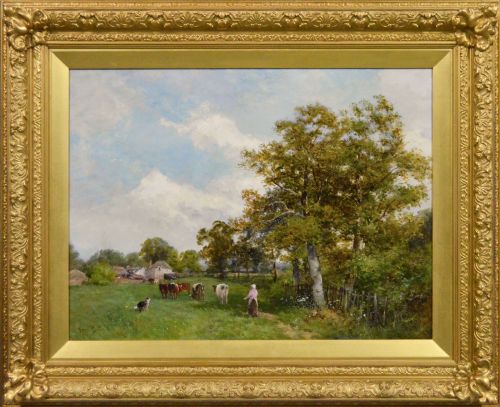
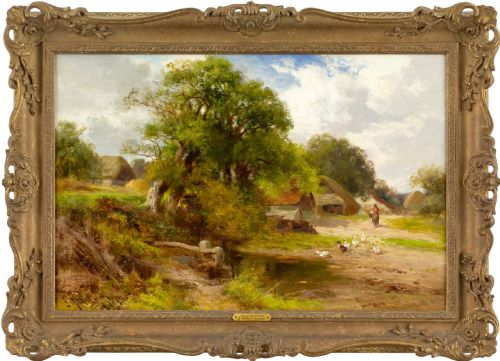
An antique pastoral scene picture brings the quiet rhythm of traditional country life, rural workers, and grazing livestock into an interior.
Antique Pastoral Scene Picture
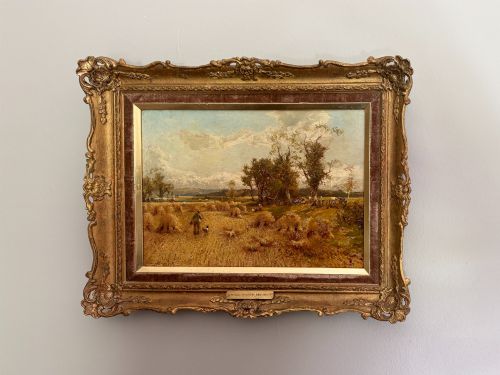
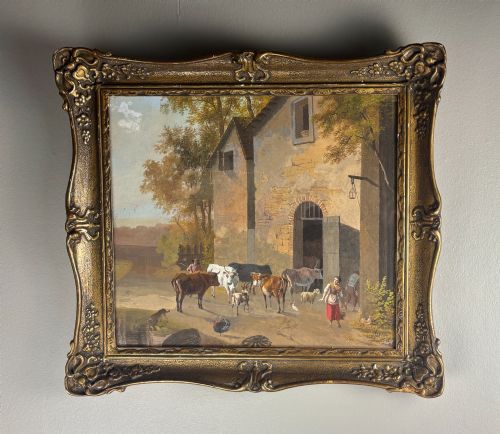
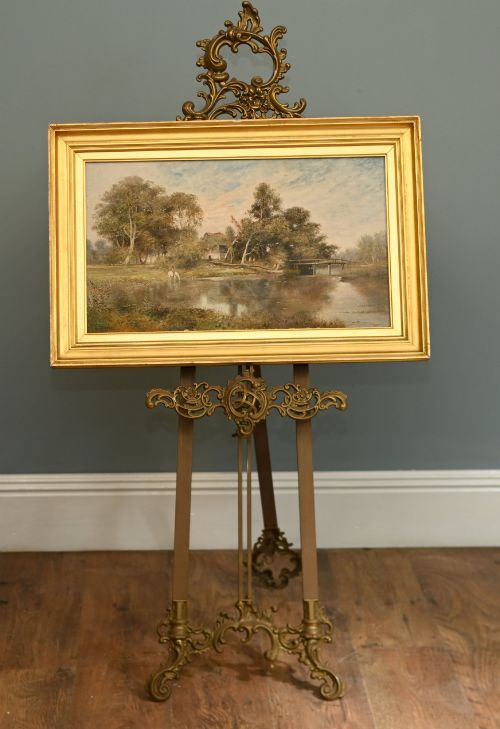
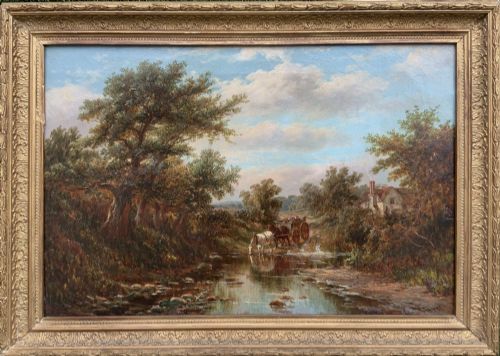
When you search for an antique pastoral scene picture, you encounter works portraying agricultural vistas, farmyard animals, herdsmen, and rustic riverbanks created across the nineteenth and early twentieth centuries. These depictions celebrate agrarian subjects, drawing on Victorian, Edwardian, and Regency artistic traditions that romanticised the countryside.
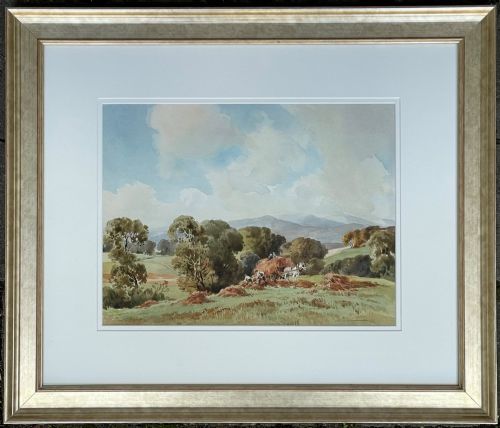
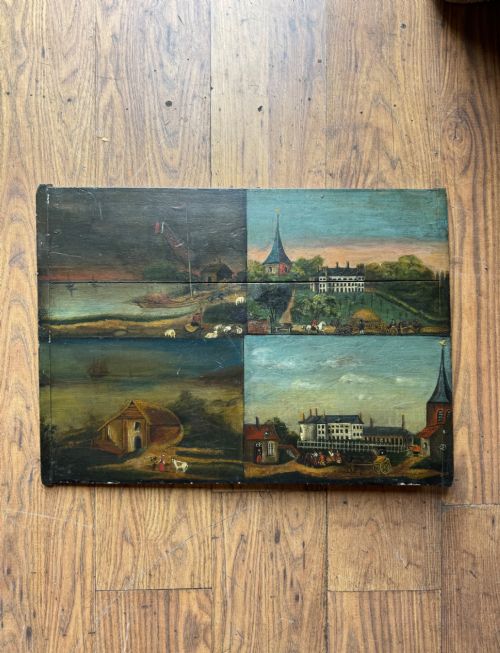
You meet both oil paintings on canvas, wood panels, and board, alongside watercolours on paper enclosed within original frames. The compositions range from large gallery pieces by named landscape artists to provincial naive folk art and intimate watercolours produced by domestic hands.
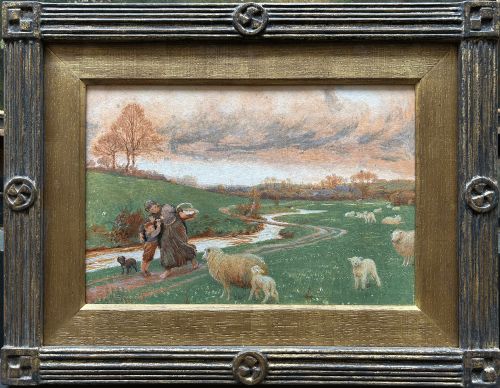
The prevalent forms capture cattle, sheep, and horses resting in valleys, harvesting grain fields, or gathering near woodland streams. These works reflect a widespread nineteenth-century fascination with rural tranquillity, offering a window into vanished agricultural routines.
Materials and execution
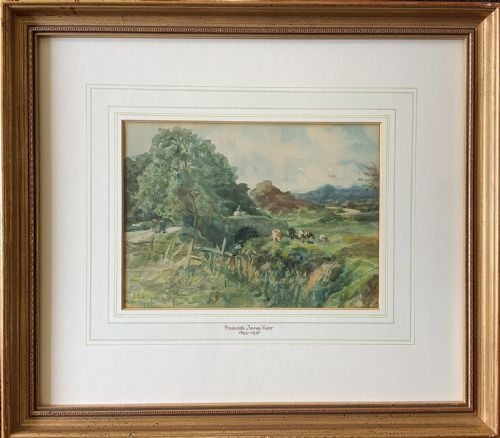
Painters applied oil pigments onto stretched canvas, prepared wooden panels, or paper boards, often building texture with layered brushwork and tinted varnishes. Watercolours utilised fine washes of pigment on heavy paper stock, sometimes supported by bodycolour or gouache for opacity.
Surviving pieces retain their period mountings, encompassing moulded wooden frames finished with gesso and gold leaf. These frames preserve the physical context of the artwork, showing the joinery methods and gilding techniques of the Victorian and Edwardian periods.
The selection ranges from Georgian watercolours to 1930s oils, employing wood, canvas, gesso, and gold leaf.
Distinguishing quality
Quality rests upon the artist's command of natural light, atmospheric depth, and the anatomical accuracy of human figures and livestock. Superior examples display confident handling of tone in skies and foliage, while lesser works rely on formulaic repetition and stiff, unconvincing forms.
The preservation of the original surface condition separates standard decorative pictures from works of genuine collectible standing. Intact paint layers free from excessive retouching, combined with period giltwood frames, indicate a higher grade of historical survival.
William H Myers·Percy Lancaster·David Bates·John Horace Hooper·Frederick James Kerr·Henry Schouten·Thomas Sidney Cooper·Henry John Boddington·Andre de Moller·Walter J Watson·Henry H Parker·Thomas Baker of Leamington
The Antique Pastoral Scene Picture Glossary
- Gesso
- A plaster-like mixture applied to wooden frames as a smooth base before gilding with gold leaf. It cracks with age in a distinctive spiderweb pattern.
- Watercolour
- A painting method where natural pigments are suspended in a water-soluble binder and applied to paper. It allows for translucent washes and delicate atmospheric effects.
- Wood Panel
- A rigid support made from timber used by painters before stretched canvas became universal. Panels demand careful seasoning to prevent warping.
- Provenance
- The documented history of ownership attached to an artwork. It establishes authenticity and traces the lineage of the piece through past collections.
- Naive Art
- Painting produced by artists without formal academic training. It is characterised by a flat perspective, direct observation, and charming disregard for proportion.
Antique Pastoral Scene Picture: Frequently Asked Questions
How do I date an antique pastoral painting?
Dating relies on examining the stretcher frames, paper types, canvas weaves, and the style of the giltwood framing alongside any artist signatures. Pigment analysis and handwritten notes or labels on the reverse often provide further chronological clues.
Fashion in rural clothing and agricultural machinery depicted within the scene also offer reliable decade markers. Victorian and Edwardian works show distinct shifts in palette and brushwork compared to earlier Regency or Georgian examples.
Where should I hang a pastoral picture?
These works suit dining rooms, libraries, or studies where traditional furnishings complement their earthy tones and rural subject matter. Natural daylight enhances the subtleties of watercolour washes and the texture of oil paint.
Keep pictures away from direct sunlight and damp walls to protect the paper, canvas, and delicate gesso frames from degradation. Stable indoor humidity ensures the wood panels and canvases do not warp or crack over time.
What is the difference between oil and watercolour pastoral scenes?
Oil paintings utilise thick, opaque pigments layered on canvas or wood, offering rich textures and deep, saturated colour palettes. Watercolours employ translucent washes on paper, producing lighter, more delicate effects suited to intimate domestic spaces.
Oils generally hang without glass protection, whereas watercolours require framing under glass to prevent moisture and dust from damaging the paper. Both mediums capture nineteenth-century countryside views but achieve different visual weights.
Are these paintings original or reproduction pieces?
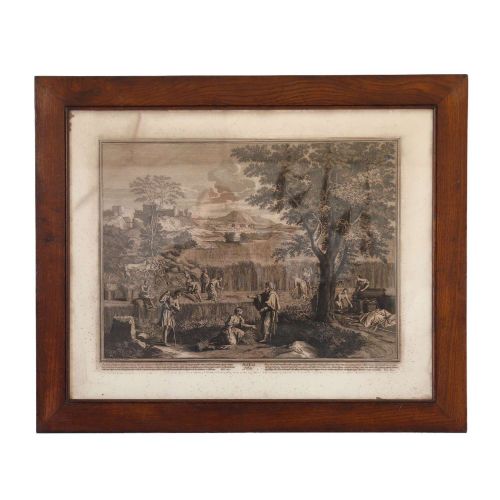
The selection comprises original hand-painted works and period engravings created during the eighteenth, nineteenth, and early twentieth centuries. Each piece displays the unique brushstrokes, plate marks, or pigment variations absent in modern mechanical reproductions.
Signatures, artist atelier stamps, and exhibition labels frequently accompany these historic works to verify their authenticity. Close inspection under magnification reveals the genuine hand of the period artist.