


Antique Pastel Painting
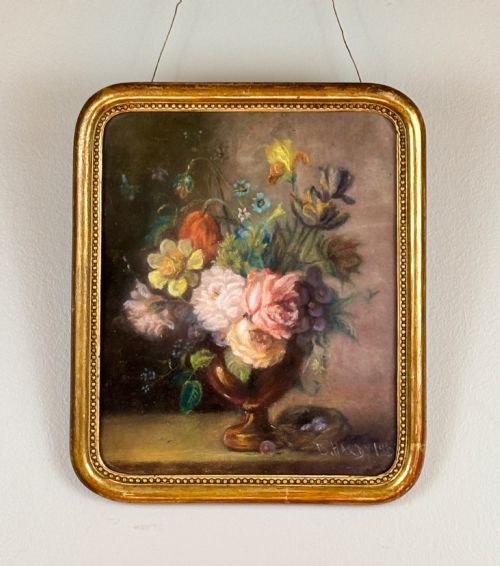
An antique pastel painting brings a remarkable velvety softness to a room, capturing light and texture in a way oil or watercolour simply cannot.
Understanding antique pastel painting
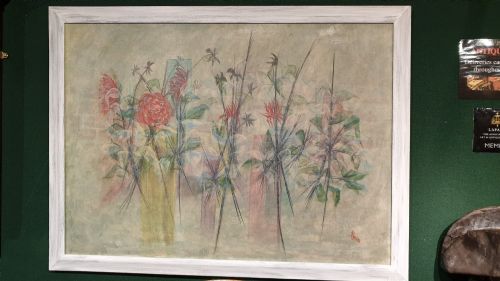
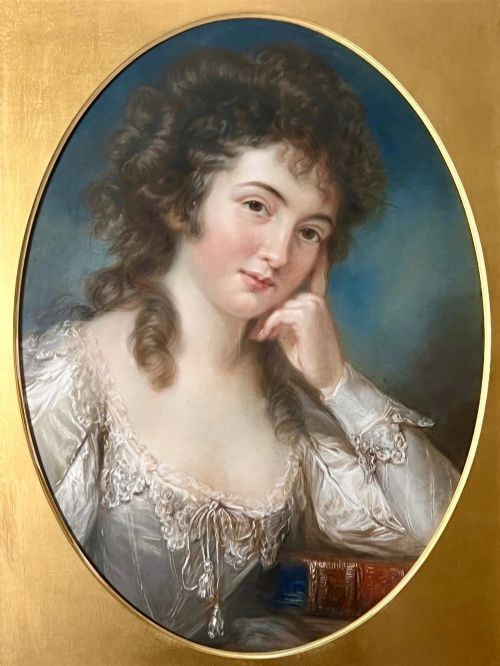
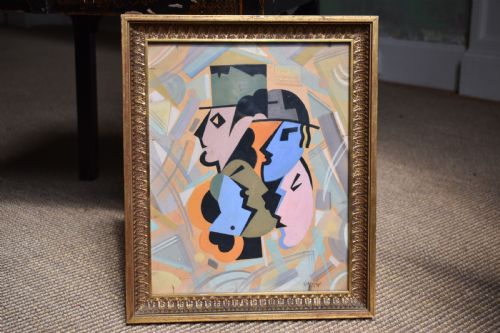
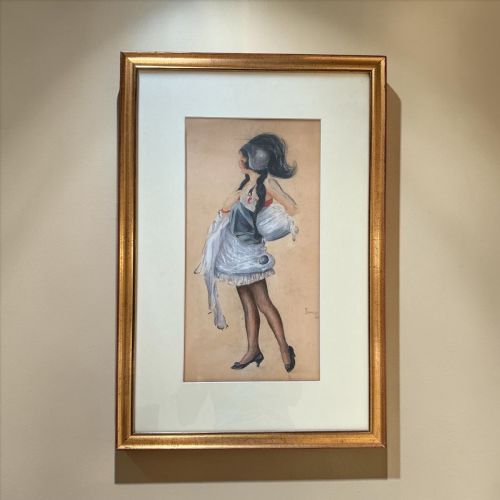
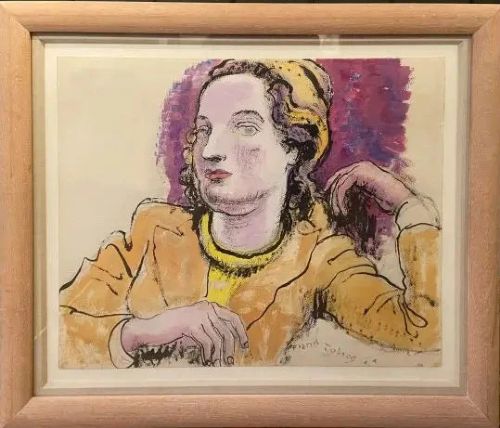
When you search for an antique pastel painting, you are looking at works executed in powdered pigment sticks across several centuries. The selection here ranges from the eighteenth century through the nineteenth century and into the mid twentieth century.
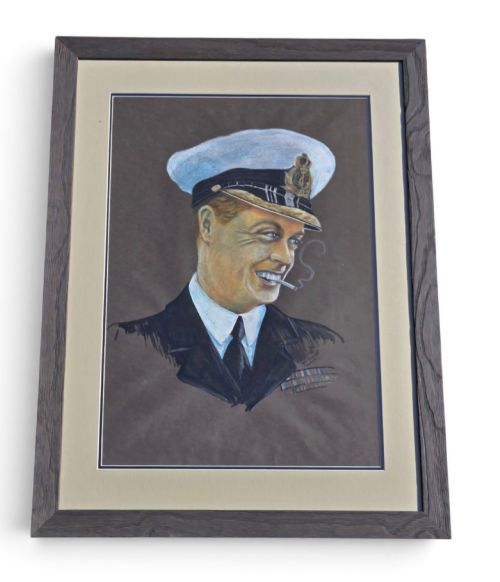
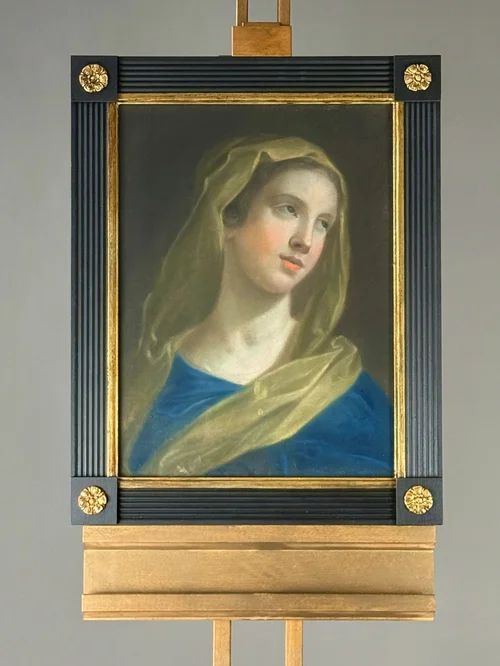
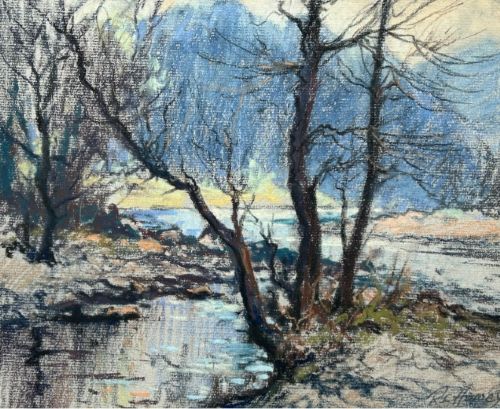
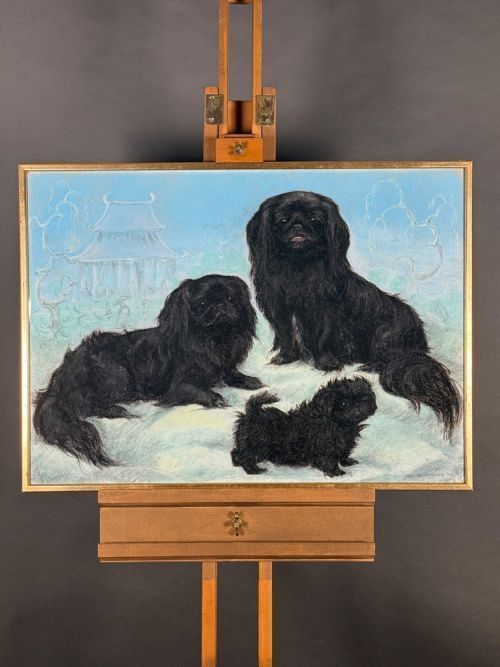
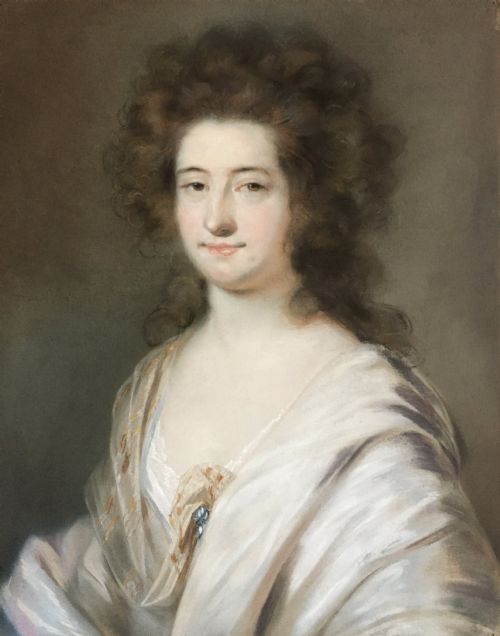
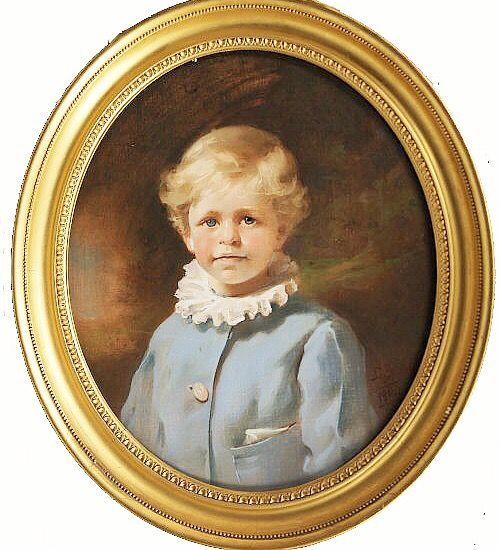
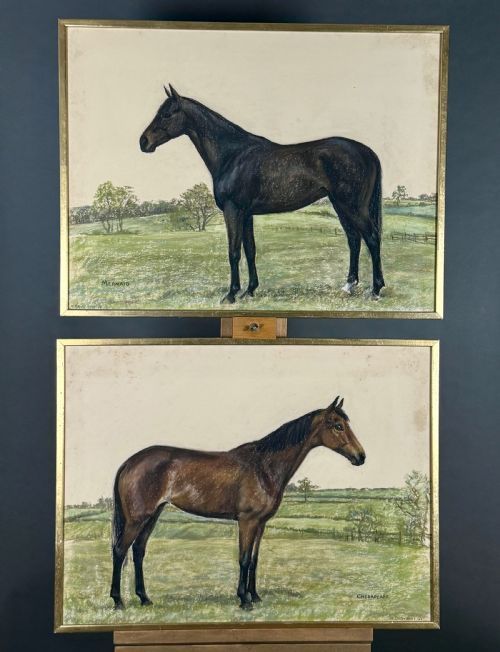
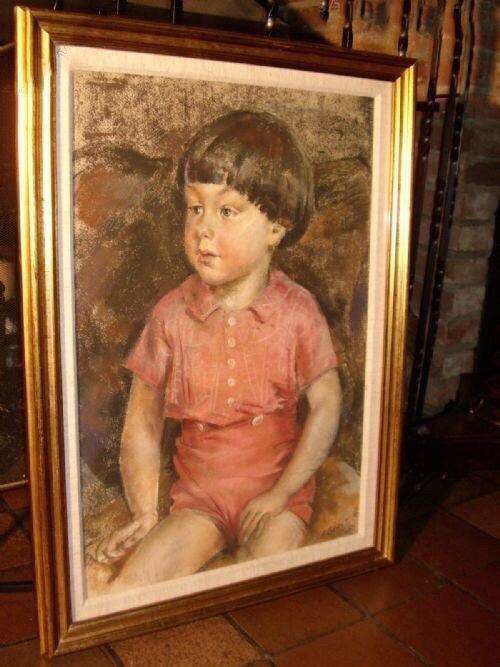
Portraits dominate the available examples, capturing sitters from children in smocks to Edwardian ladies and royalty. Alongside these facial studies, the archive and current listings include equestrian scenes, animal subjects and rural landscapes.
Most pieces arrive framed and glazed behind glass to protect the fragile pigment surface from disturbance. Works span the Georgian period, English School traditions and Art Deco aesthetics.
Assessing quality
The sophistication of the accompanying frame contributes significantly to the overall standing of a piece. Original giltwood frames with intact gold leaf elevate the presentation of nineteenth and eighteenth century works.
Retail Price Guide 2026
Typical UK retail prices for pastel painting, calculated from the Sellingantiques database of over a million retail prices indexed since 2003. This retail price guide relies exclusively on Sellingantiques data; no external sources or auction records are used, so the figures do not describe the wider market.
The selection spans the eighteenth century, nineteenth century, and twentieth century.
Herskind·John Russell R.A.·Arthur Wardle·Maud Herdman·Paul Koehler·Herbert St John Jones·Maud D Heaps·Hugh Douglas Hamilton·Sir Peter Lely
The Antique Pastel Painting Glossary
- Pastel
- A dry painting medium composed of powdered pigment and a binder rolled into sticks. It allows for rapid blending of tone and immediate colour application.
- Giltwood
- Timber carved and coated with gold leaf or gold paint. This finish frequently surrounds antique portrait paintings to frame the visual space.
- English School
- A classification for artists working within Britain across distinct historical periods. These creators share stylistic approaches influenced by national portrait and landscape traditions.
- Equestrian study
- An artwork depicting horses, often shown alongside riders or in pastoral settings. This genre demands precise observation of animal anatomy.
Frequently Asked Questions
Why are pastels placed behind glass?
Pastel pigment sits loosely on the paper support and lacks the protective varnish of an oil painting.
Glass provides essential physical protection against touch, dust and moisture, ensuring the delicate powder remains undisturbed.
Where should I hang a pastel painting?
Choose an interior wall that receives indirect light away from direct sunbeams and moisture sources like kitchens or bathrooms.
Stable humidity and temperature prevent the paper and frame from warping over time while keeping the colours vibrant.
How can I tell the period of a pastel portrait?
The clothing, hairstyles and framing styles of the sitter usually offer the clearest clues to the date of creation.
Examining the paper type and backing materials during framing updates also helps pinpoint the era of execution.