


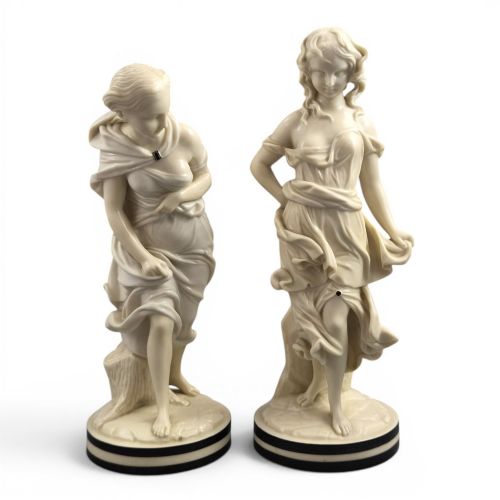
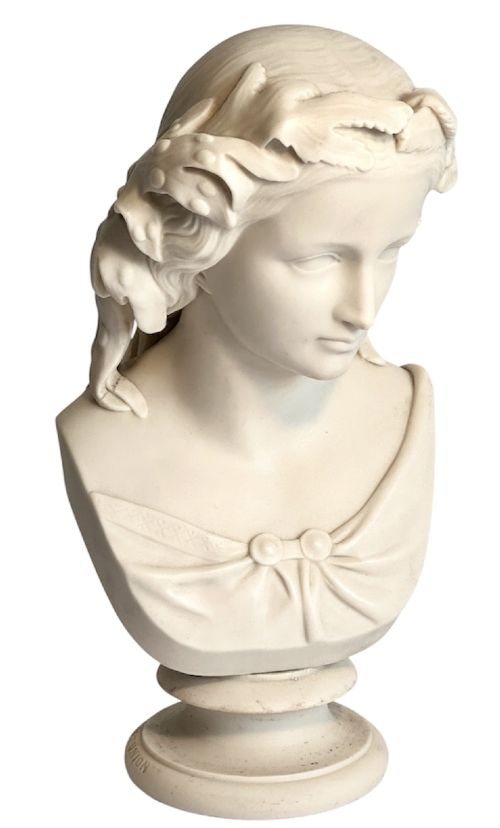


Antique Parian Statue
An antique parian statue brings the smooth, unglazed finish of classical sculpture into nineteenth-century interiors.
Antique Parian Statue
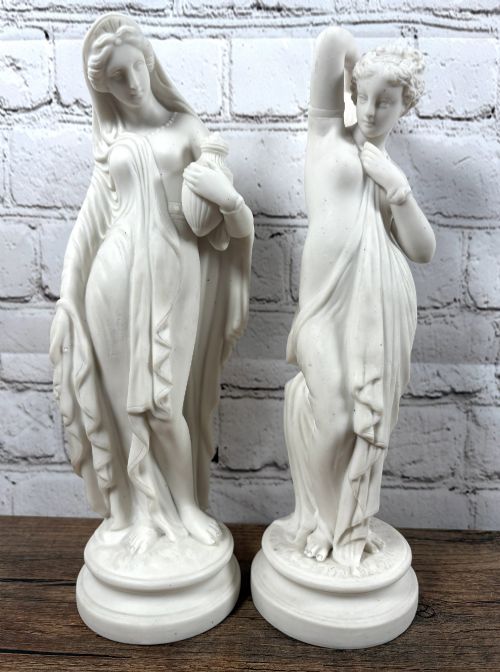
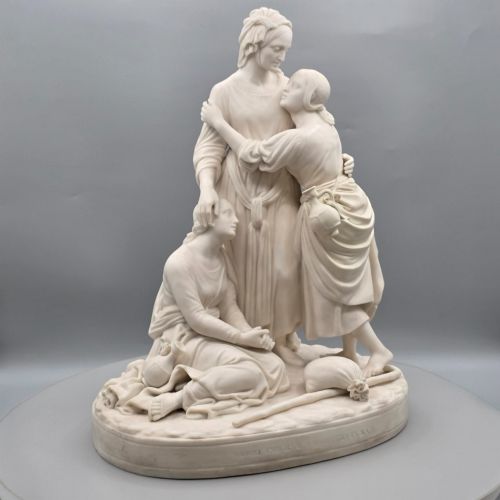
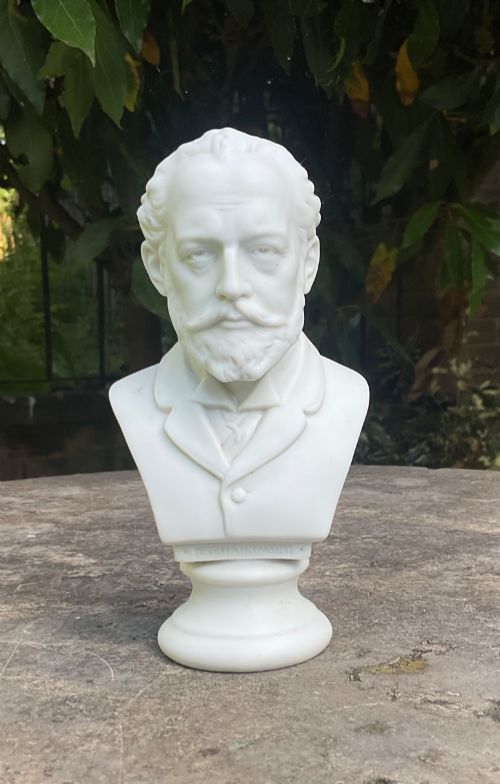
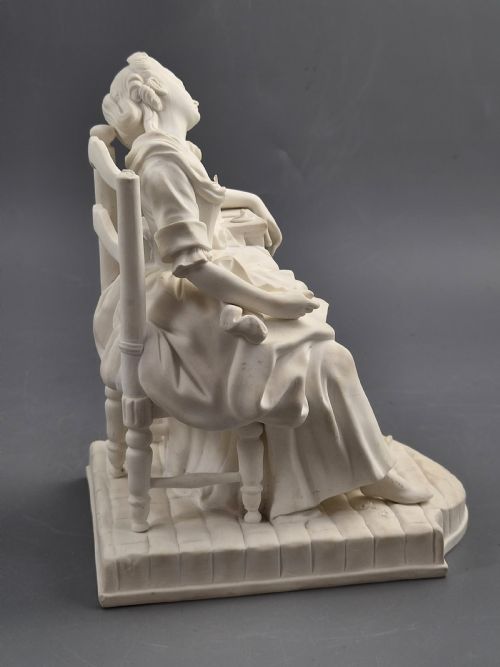
When you search for an antique parian statue, you encounter nineteenth-century decorative figures and busts modelled on classical and literary subjects. These pieces capture the texture of carved marble through a specialised ceramic body developed during the Victorian period.
The most common examples on this page are single figures, pairs, and portrait busts produced by major English and continental potteries. Subjects range from allegorical maidens and mythological figures to literary characters and prominent historical statesmen.
Victorian neoclassical taste dominates the selection, reflecting a widespread desire to bring museum-scale sculpture into domestic spaces. These white ceramic objects rely entirely on form and contour rather than painted glazes to define the subject.
Composition and firing
These pieces are cast from parian porcelain, a fine ceramic mixture containing a high proportion of feldspar that vitrifies at a lower temperature than standard porcelain. This composition creates a dense, slightly translucent body with the matte texture of unglazed marble.
Manufacturers poured liquid slip into multi-part plaster moulds, allowing intricate details like hair, drapery, and facial expressions to emerge with sharp definition. After casting, the figures underwent a specialised firing process that produced their characteristic biscuit finish without the need for subsequent glazing.
Antique Parian Statue Retail Price Guide 2026
Typical asking prices for parian statue among the pieces listed under this phrase on Sellingantiques today, from the lower quarter to the upper quarter. They describe what is for sale here now, not the wider market.
Hunting dogs and resting soldiers share shelf space here with sleeping children and literary heroines.
Distinctions in craftsmanship
The sophistication of the subject matter and the reputation of the manufacturing firm also set superior examples apart from standard production pieces. Larger scale studies and works modelled by named sculptors demonstrate a higher degree of artistic ambition.
Sèvres·Minton·Copeland·Royal Worcester·Old Paris
The Antique Parian Statue Glossary
- Parian ware
- A type of fine white porcelain developed in the nineteenth century to imitate carved marble. It is left unglazed to showcase its smooth, matte texture.
- Biscuit porcelain
- Ceramic fired once without glaze, resulting in a porous, chalk-white surface. This term is frequently used interchangeably with parian and bisque.
- Neoclassical
- An artistic style drawing inspiration from the art and culture of classical antiquity. It emphasises proportion, restraint, and mythological or historical subjects.
- Slip
- A liquid suspension of clay and minerals poured into moulds to form ceramic figures. It allows manufacturers to capture intricate details in complex shapes.
- Statuary
- A category of sculptural works representing human or animal figures. In nineteenth-century ceramics, this denotes pieces modelled on exhibition-quality marble statues.
Antique Parian Statue: Frequently Asked Questions
Are these pieces made of marble?
Despite their convincing appearance, these sculptures are composed of parian porcelain rather than natural stone. The material was specifically formulated to mimic the matte finish and creamy tone of white marble at a fraction of the weight and cost.
Examining the underside or any unglazed break will reveal the fine-grained ceramic body. This innovation allowed Victorian households to display classical sculpture without the expense of carved stone.
Why are some figures marked while others are unmarked?
Major potteries often impressed their names, registry marks, or model numbers directly into the wet clay before firing. Smaller workshops and continental makers frequently relied on paper labels that have been lost over time.
The absence of a maker's mark does not diminish the quality of the modelling. Many fine pieces remain anonymous while still displaying the high level of craftsmanship associated with leading nineteenth-century factories.
What subjects are most common in these sculptures?
Mythological figures, literary heroines, and allegorical representations of virtues or seasons dominate nineteenth-century production. Portrait busts of contemporary statesmen and monarchs also appear frequently in the record.
These subjects reflect Victorian educational ideals and a broad fascination with classical antiquity. Manufacturers often based their ceramic figures on large-scale marble sculptures exhibited at international exhibitions.