




Antique Parian Figurine
An antique parian figurine captures the matte brilliance of Victorian sculpture, bringing classical grace and refined modelling straight to your cabinet.
Antique Parian Figurine
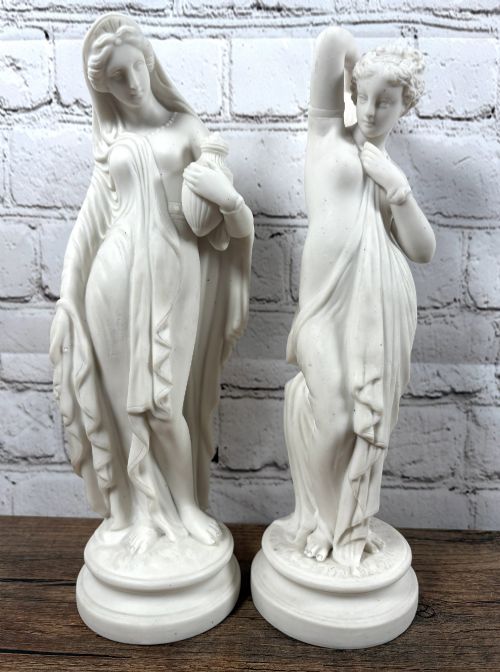
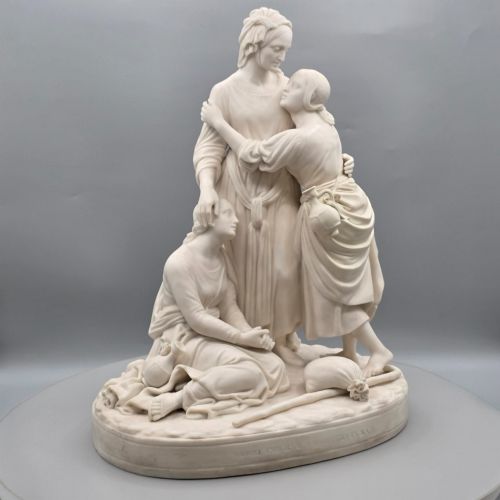
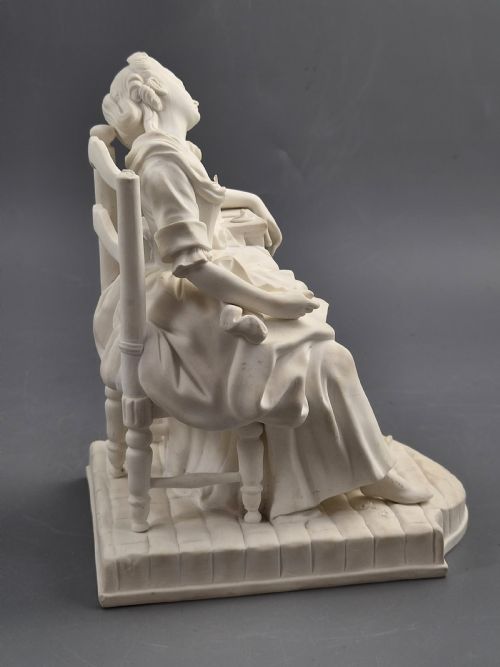
An antique parian figurine represents the Victorian taste for neoclassical subjects, mythological figures and literary characters rendered in unglazed ceramic. These works scale down monumental public sculpture into domestic ornaments, drawing on models originally created by celebrated European artists and manufacturers.
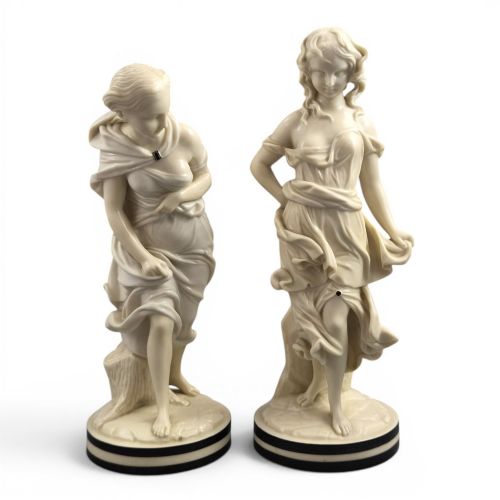
The pieces you encounter most frequently on this page date from the nineteenth century, spanning the Victorian era from the eighteen-forties to the turn of the twentieth century. They take the form of single allegorical maidens, paired figures, children with animals, and sculptural groups derived from classical mythology.
Production materials and techniques
Parian porcelain, also known as biscuit or bisque porcelain, is cast in moulds rather than thrown on a wheel, allowing for exceptional crispness in hair, drapery and facial expression. The ceramic body contains a high proportion of feldspar, which vitrifies during firing to produce a dense, marble-like matte surface that requires no glaze.
While the vast majority of pieces appear in plain white to mimic carved marble, makers occasionally introduced enamel colours, gilding, or celadon tints to highlight specific details such as garments, floral baskets or floral attributes.
Antique Parian Figurine Retail Price Guide 2026
Typical asking prices for parian figurine among the pieces listed under this phrase on Sellingantiques today, from the lower quarter to the upper quarter. They describe what is for sale here now, not the wider market.
Listings feature nineteenth-century British and European manufacturers, with Victorian neoclassical subjects dominating the ceramic forms.
Factors determining the quality of modelling
The reputation of the producing pottery and the skill of the original modeller dictate the standing of a piece within the market. Works associated with major factories and named sculptors exhibit superior anatomical proportion and balance compared to generic factory output.
Minton·Royal Worcester·Copeland·Triebner Ens And Co
The Antique Parian Figurine Glossary
- Parian ware
- A fine-grained, unglazed porcelain developed in Britain to imitate carved white marble. It fires at a high temperature to achieve a smooth, matte finish.
- Biscuit porcelain
- Fired unglazed ceramic material with a porous, stone-like texture. It is often used interchangeably with parian and bisque.
- Neoclassical
- A revival style drawing inspiration from the classical art and architecture of ancient Greece and Rome. It dominates Victorian figural sculpture.
- Undercutting
- A moulding technique where clay is recessed beneath a projection. High-quality pieces show deep undercutting in hair and folds of cloth.
- Celadon
- A pale green jade-like glaze applied to select ceramic bodies. Some nineteenth-century parian figures incorporate celadon colouring for contrast.
Antique Parian Figurine: Frequently Asked Questions
How do I clean an antique parian figurine?
Use a soft dry artist's brush or a makeup brush to gently dust the unglazed surface without applying moisture. Avoid water or liquid cleaners, as porous biscuit porcelain readily absorbs dirt into its matte body.
Stubborn marks on white parian can sometimes be addressed with a dry artists' kneaded eraser, applied with extreme care across the affected area.
Are all parian figures white?
Most antique parian figures were left entirely white to emulate carved Carrara marble, which suited Victorian drawing room aesthetics. A smaller number feature subtle tinting, enamel highlights, or contrasting celadon grounds.
Coloured or partially gilded examples generally indicate a higher production cost and a specific mid-century decorative taste.
How can I identify the maker without a mark?
Examine the quality of the modelling, the crispness of the base, and any impressed titles, numerals, or registry lozenges. Stylistic cues and specific literary or mythological subjects often point directly to known factory catalogues.
Comparison with documented pieces by factories like Minton or Copeland helps narrow down attribution when factory stamps are absent or obscured.
What is the difference between parian and bisque?
Parian porcelain contains a specific feldspathic formula designed to vitrify slightly and resemble marble, possessing a subtle sheen. Bisque porcelain is a broader term for any unglazed ceramic fired once before decoration.
Victorian manufacturers specifically marketed parian as a superior, heavier material for sculptural reproduction compared to standard continental biscuit wares.