




Antique Paper Caricature Print
These antique paper caricature print pieces offer sharp social observation and political satire from past centuries, preserved in ink and watercolour.
Antique Paper Caricature Print
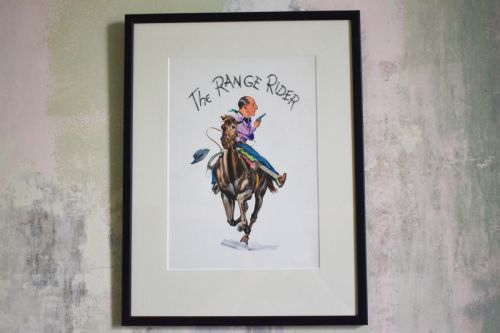
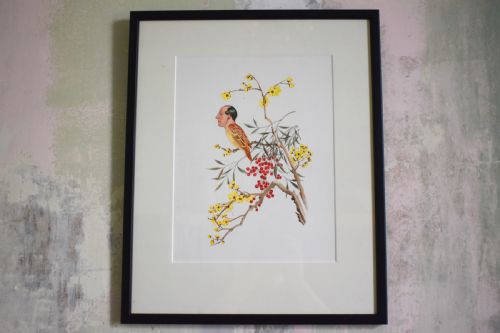
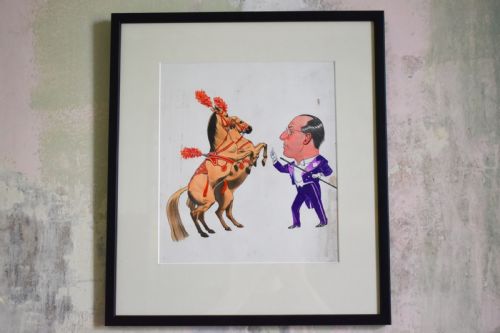
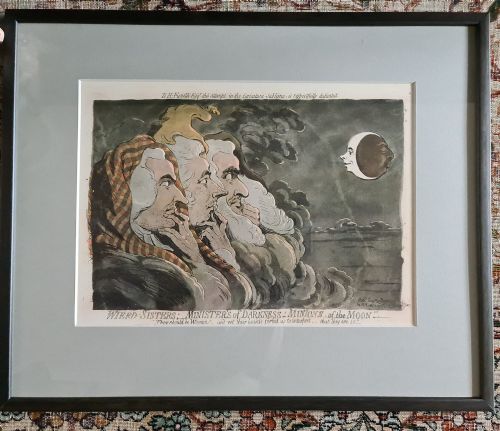
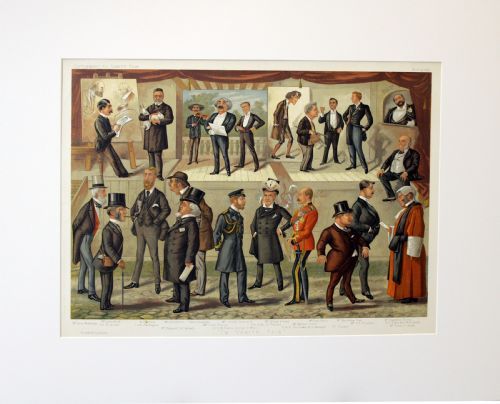
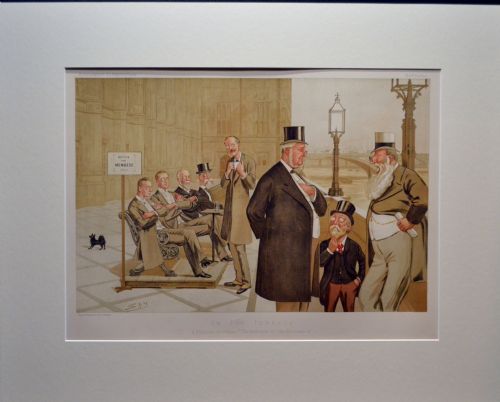
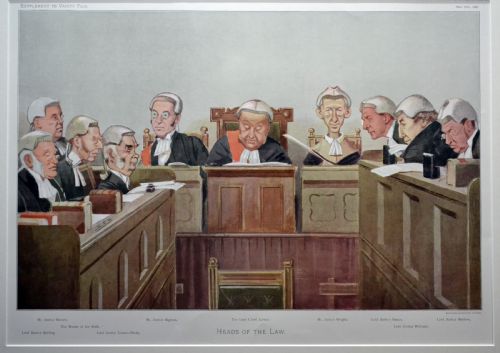
When you search for an antique paper caricature print, you encounter satirical works drawn from the eighteenth, nineteenth, and early twentieth centuries. These pieces record political allegories, theatrical portraits, and social commentary created to amuse or critique contemporary society.
The selections available here lean heavily toward Victorian and Georgian publications, including single sheets and series from prominent satirical periodicals. You will find works framed behind glass or mounted on boards, alongside scrapbook pages containing clipped examples.
Subjects range from British parliamentary figures and legal professionals to military commanders and theatrical actors. The formats vary from hand-coloured stipple engravings and ink sketches to large chromolithographs published in weekly magazines.
Materials and production methods
The foundation of every piece is traditional rag paper, often paired with ink, watercolour, and occasionally giltwood framing. Artists and printmakers utilised engraving, stipple techniques, and chromolithography to produce these satirical illustrations.
Many of the nineteenth-century sheets incorporate hand colouring applied over printed ink lines to heighten the visual impact of the caricature. Mount boards and glass are frequently employed to protect the delicate paper surfaces from environmental damage.
Victorian readers eagerly opened their weekly magazines hoping to spot prominent politicians skewered with oversized noses and comical expressions.
Assessing quality in satirical prints
The distinction between tiers of quality rests upon the clarity of the impression and the precision of the hand-applied pigment. Early print strikes direct from the copper plate exhibit sharper line work than later impressions.
The presence of original hand colouring executed with care elevates the visual merit of the piece. Additionally, the preservation of full margins around the printed image indicates better treatment by previous owners.
Gilray·Thomas Rowlandson·William Bunbury·Henry William Bunbury·Thomas Worth
The Antique Paper Caricature Print Glossary
- Chromolithography
- A planographic printing method that uses multiple lithographic stones to apply successive colours to paper. This technique allowed periodicals to issue vibrant multi-coloured plates.
- Stipple engraving
- An intaglio printing process that builds up an image using tiny dots rather than continuous lines. It creates soft tonal gradations well suited to portraits and caricatures.
- Political allegories
- Symbolic imagery used to convey political commentary and satire. Artists employed classical or mythical figures to represent contemporary government actions.
- Scrapbook pages
- Bound sheets of paper where historical collectors assembled clippings and prints. These survivals often preserve multiple related caricatures together.
Antique Paper Caricature Print: Frequently Asked Questions
How should I frame these prints?
Protect the paper by using acid-free mount boards and framing behind glass to block ultraviolet light.
Keep the works away from direct sunlight to prevent the watercolour pigments and ink from fading over time.
Were these published in magazines?
Many examples originated as double-page spreads or single inserts within weekly periodicals like Vanity Fair.
Others were issued independently as satirical sheets sold in print shops or bound into personal scrapbooks.
How do I identify the period?
Examine the paper stock, printing technique, and the style of dress worn by the figures depicted in the scene.
Dates are often printed directly beneath the image or can be deduced from the historical political figures shown.
Are the colours hand applied?
A large portion of the engravings and prints feature watercolour added by hand after the initial ink impression was printed.
This painstaking process gave individual sheets distinct colour variations depending on the artist who painted them.