
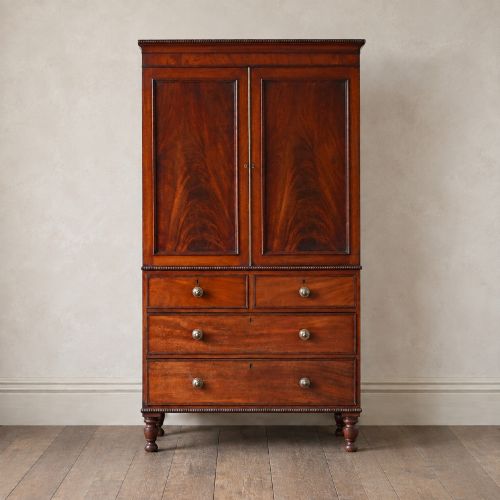
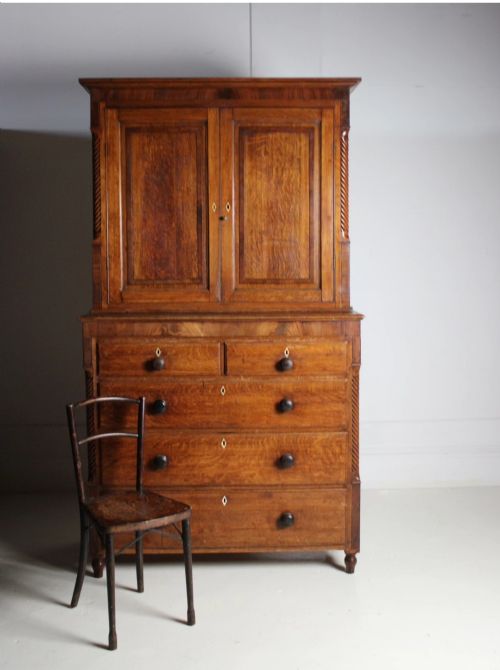
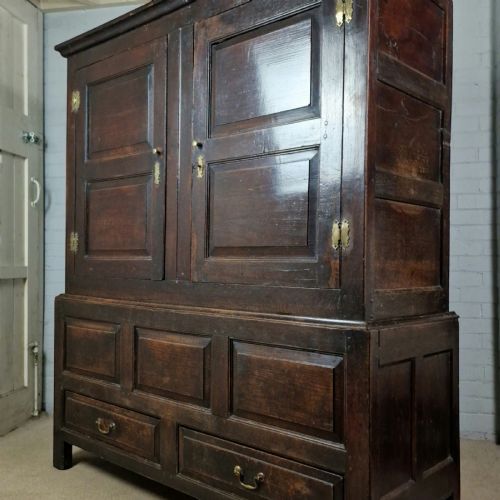
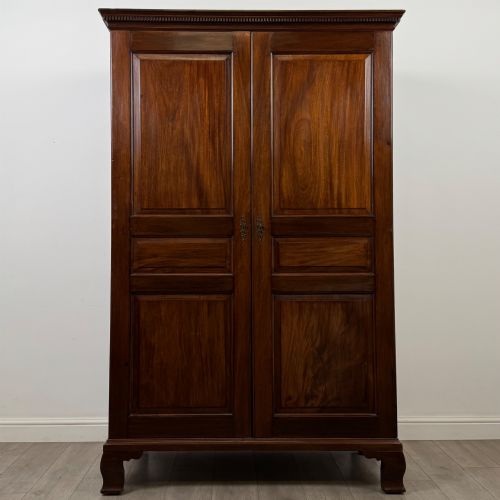
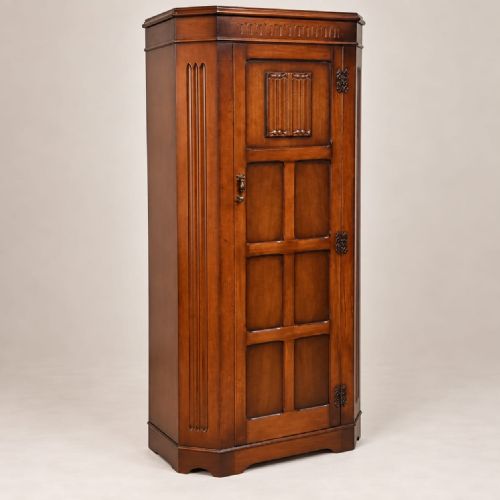
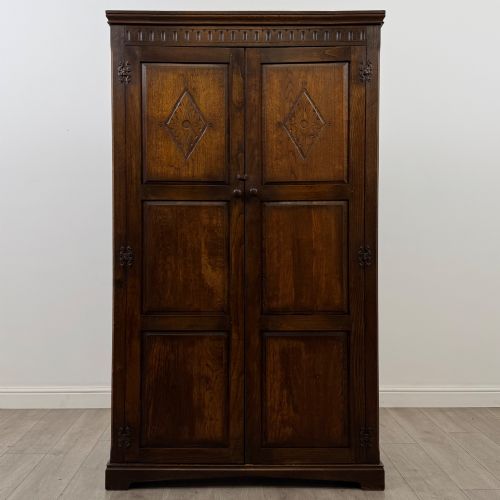
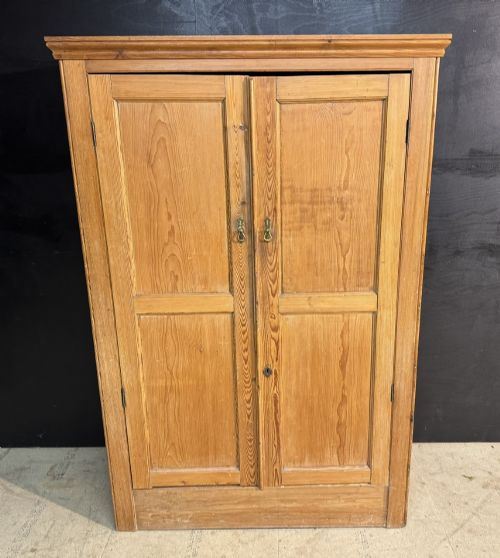
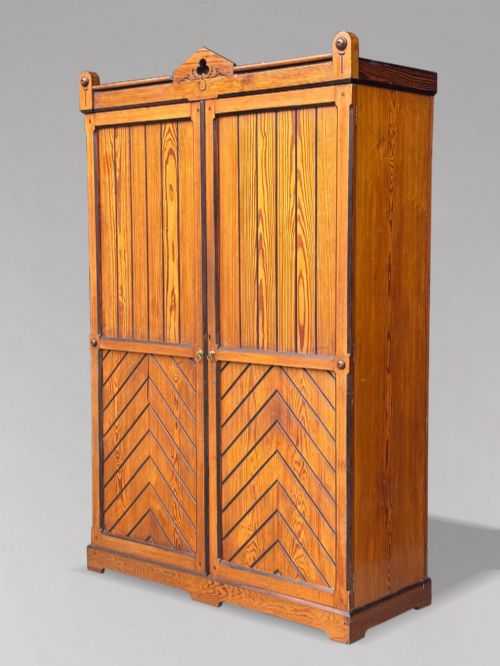
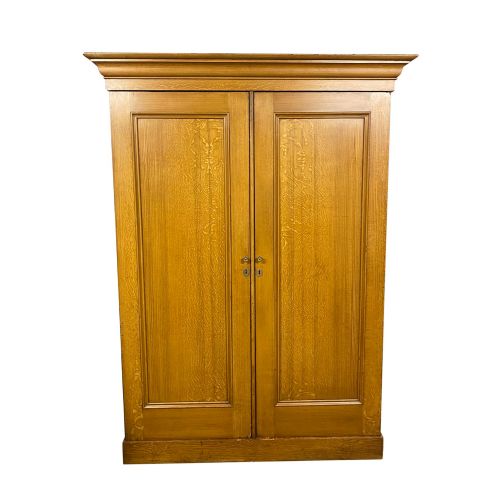
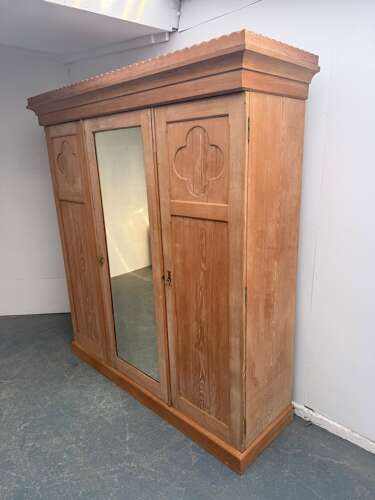
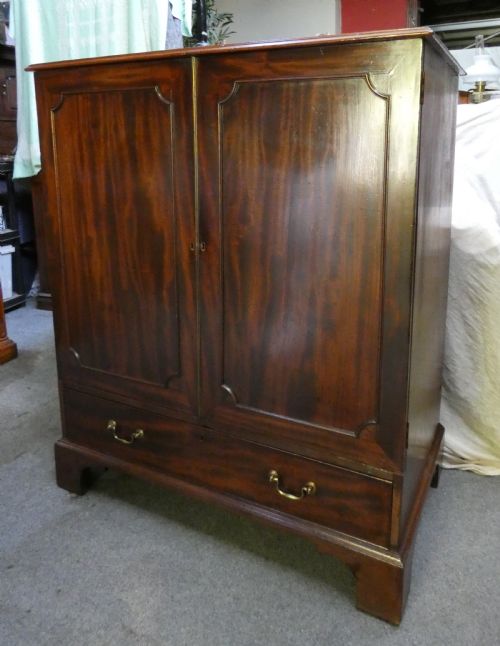
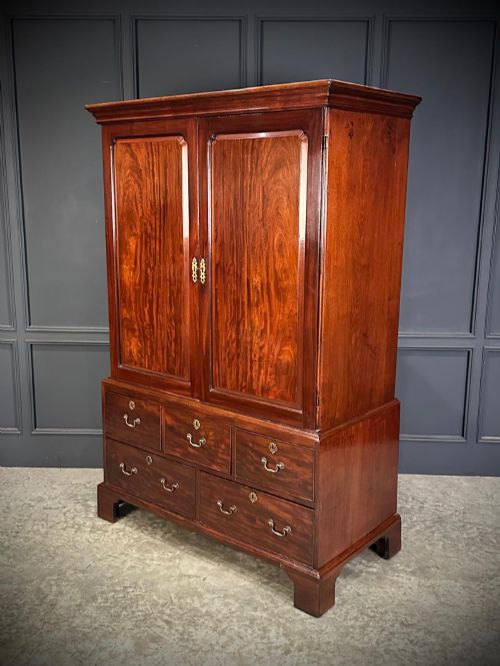
Antique Panelled Wardrobe
An antique panelled wardrobe provides substantial timber storage, uniting period craftsmanship with functional depth.
Antique Panelled Wardrobe
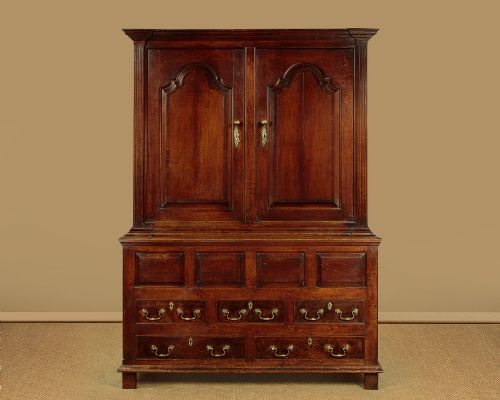
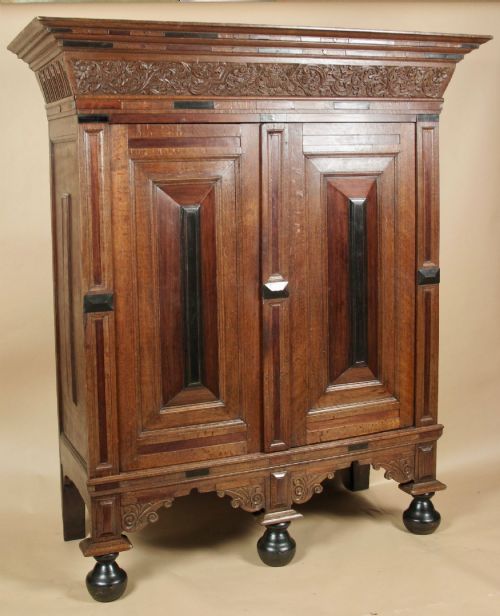
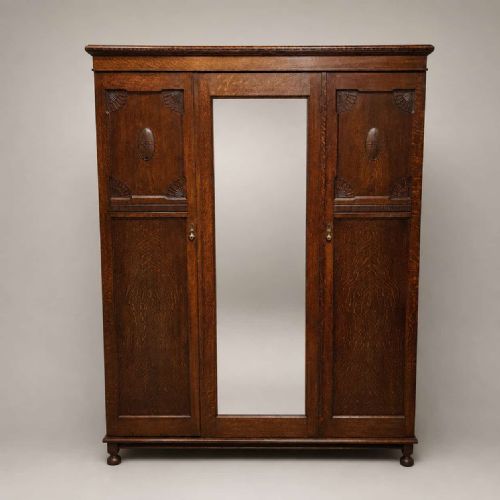
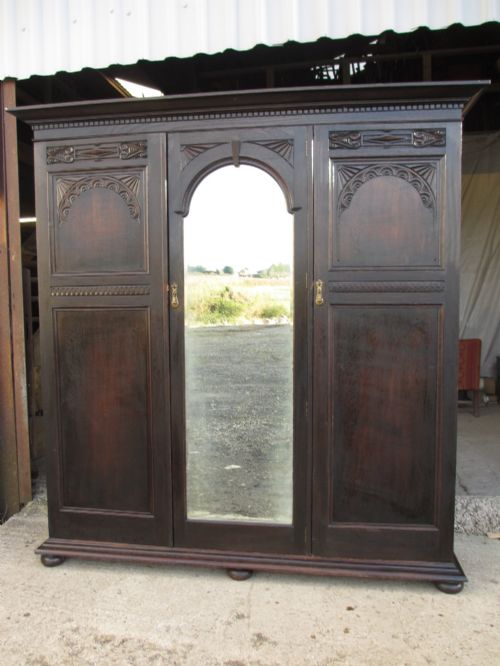
When searching for an antique panelled wardrobe, buyers encounter large storage pieces constructed from timbers such as oak, mahogany, and pine across Georgian, Victorian, and Edwardian periods. These pieces serve to organise clothing and linens whilst anchoring a bedroom with architectural timberwork.
The version most commonly met on this page is the knockdown pine or oak wardrobe featuring fielded panels on the doors, frequently dating from the Victorian era or the early twentieth century. Such pieces range from compact single door cupboards to large triple door variants designed for dismantled transport.
Beyond standard wardrobes, the selection includes related forms like linen presses, compactums, and housekeepers cupboards that share the defining characteristic of panelled construction. These variations reflect the diverse storage requirements of eighteenth and nineteenth century households.
What Varies In Quality
Quality rests upon the selection of timber and the precision of the joinery within the frame and panel assembly. Superior pieces exhibit well-figured grain, tight joints that withstand decades of use, and retained original surfaces such as polished mahogany or authentic painted finishes.
Proportion and internal configuration dictate utility and standing, where depth allows proper clothes hanging and balanced door panels prevent warping. The presence of original hardware, knockdown mechanisms, and untouched interior shelving distinguishes standard utility furniture from finer domestic pieces.
Several wardrobes retain their original scumble paintwork, designed to make humble pine look remarkably convincing as solid oak.
The Antique Panelled Wardrobe Glossary
- Panelled wardrobe
- A large freestanding storage cabinet featuring doors constructed with inset wooden panels. This design provides structural stability and prevents the timber from warping.
- Knockdown wardrobe
- A large piece of furniture designed to be fully disassembled into separate panels, cornices, and bases for easy transport. This construction method was especially common in nineteenth-century pine pieces.
- Linen press
- A tall cupboard featuring sliding trays or shelves in the upper section for folded textiles, paired with hanging space or drawers below. Georgian and Victorian examples often combine these functions.
- Compactum
- A fitted wardrobe that incorporates drawers, shelves, and hanging space within a single multi-door unit. These efficient storage cabinets frequently date from the Edwardian period.
- Fielded panel
- A wooden door insert with bevelled edges that recede toward a central flat or raised section. This traditional joinery technique adds depth and detail to cabinet facades.
- Scumble paintwork
- A decorative surface technique where a translucent top glaze is manipulated with combs or rags to imitate the grain of finer woods like oak. This finish appears on nineteenth-century utility pieces.
Antique Panelled Wardrobe: Frequently Asked Questions
How do I dismantle a knockdown wardrobe?
Knockdown wardrobes utilise internal bed bolts, wedges, or slot-in joints that allow the cornice, base, sides, and doors to separate without modern metal screws.
Mark each joint with chalk before disassembly to ensure the panels reassemble in their exact original positions.
How do I care for wax finished pine?
Maintain waxed pine surfaces by applying a traditional beeswax paste and buffing with a soft cloth to nourish the dry timber.
Avoid placing these pieces near direct heat sources to prevent the wood from shrinking and splitting.
How can I tell a Georgian wardrobe from a Victorian one?
Georgian wardrobes typically display restrained classical proportions in mahogany or oak, often featuring dentil mouldings and bracket feet.
Victorian and Edwardian versions tend to be larger, frequently constructed from pine or mirrored oak, incorporating wider breakfront cornices and plinths.