

Antique Panelled Screen
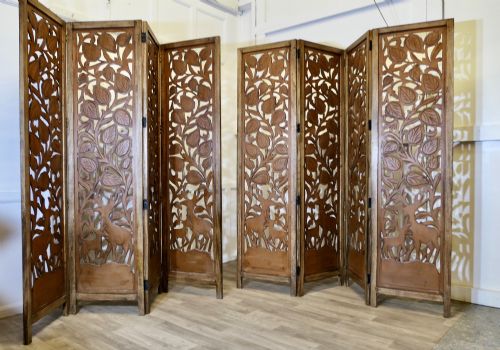
An antique panelled screen divides a space or frames a hearth with wood, canvas, glass, and painted detail accumulated across the centuries.
Antique Panelled Screen
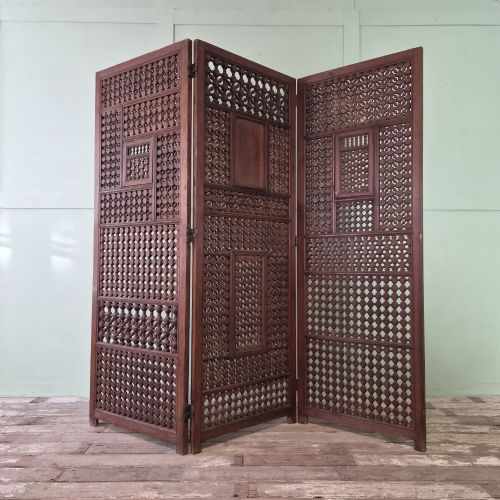
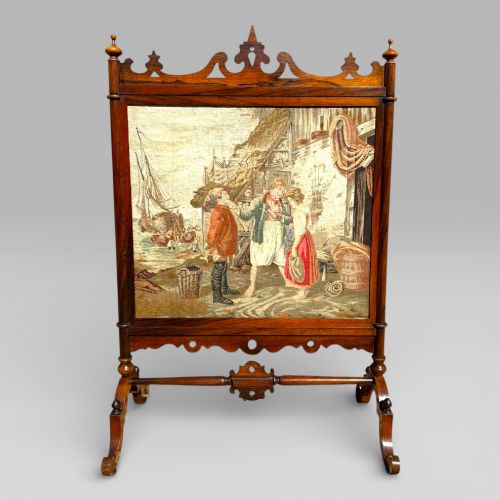
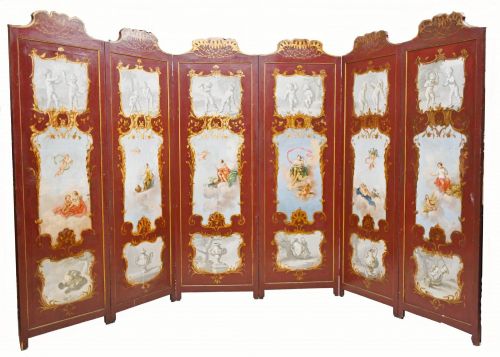
When you search for an antique panelled screen, you encounter folding room dividers, freestanding fire screens, and table screens originating from the eighteenth, nineteenth, and early twentieth centuries. These pieces serve to partition rooms or shield occupants from hearth heat using hinged panels.
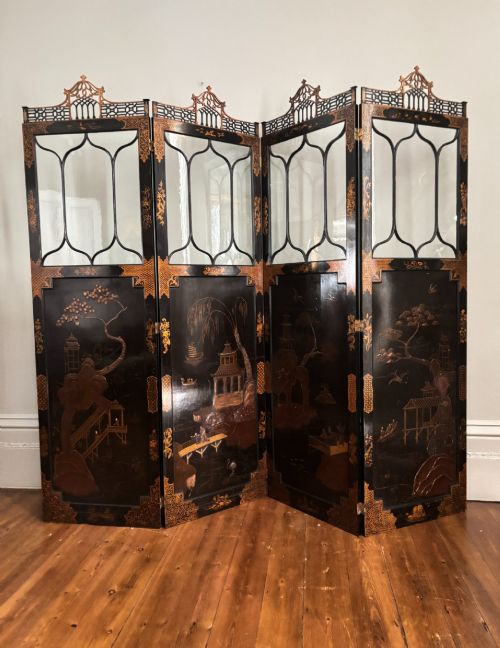
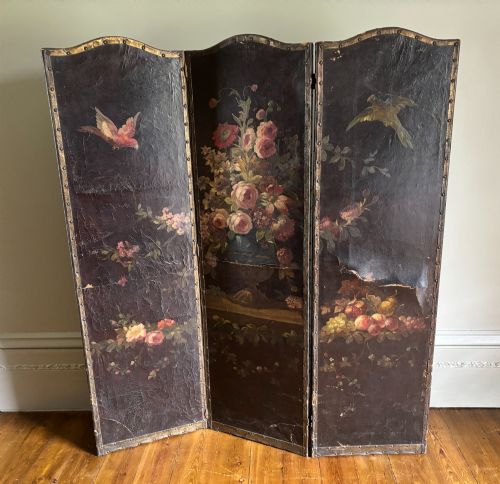
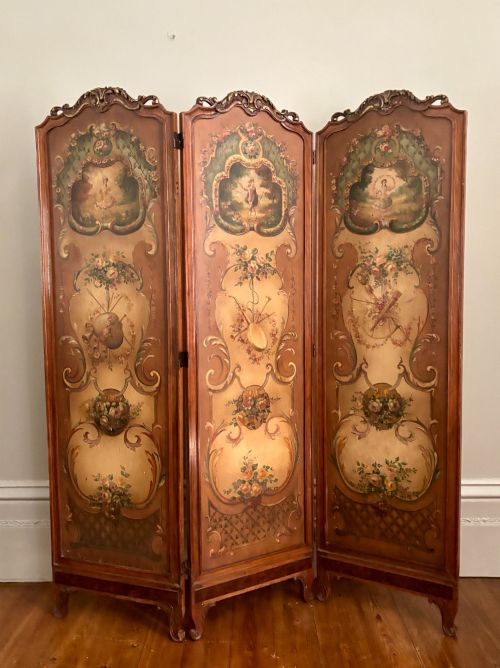
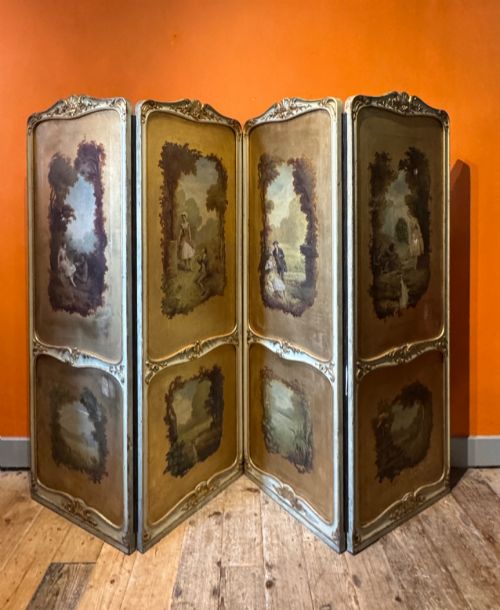
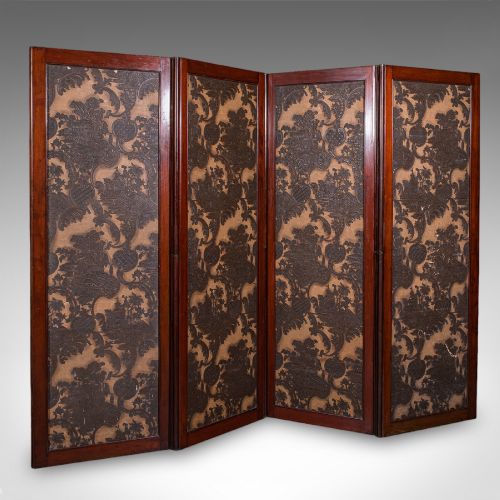
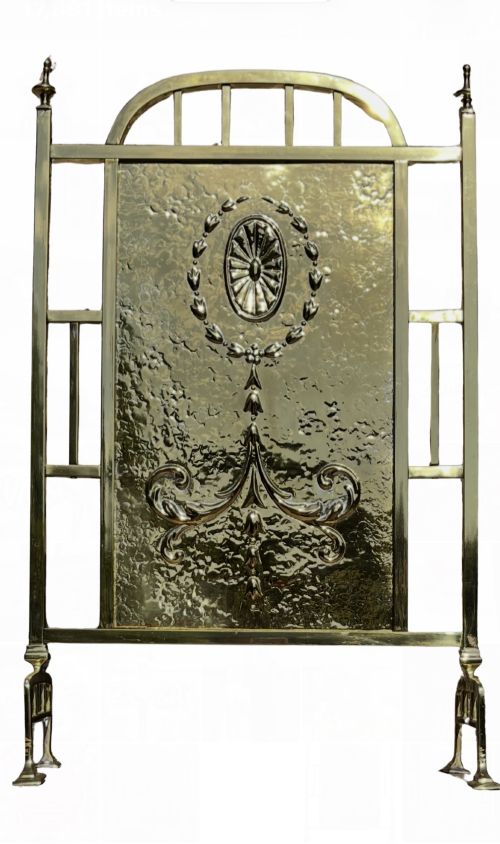
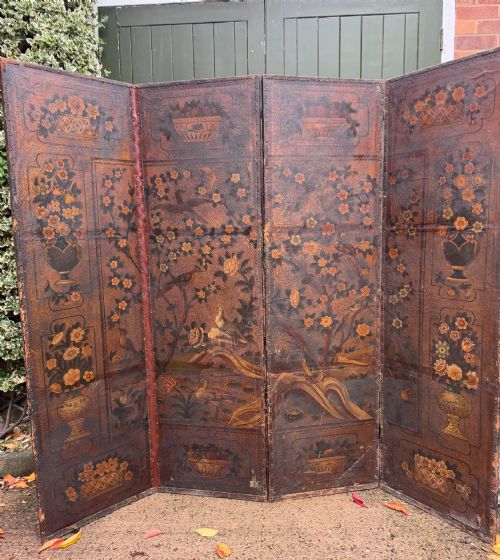
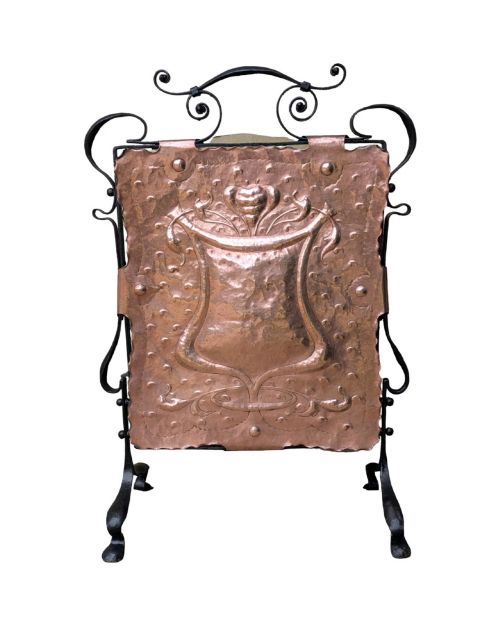
The most common forms on this page include Victorian mahogany and rosewood folding screens, alongside Chinese coromandel and lacquer multiple-fold room dividers. French giltwood, brass, and wrought iron variations also appear frequently, often housing painted leather, oil paintings, or needlework faces.
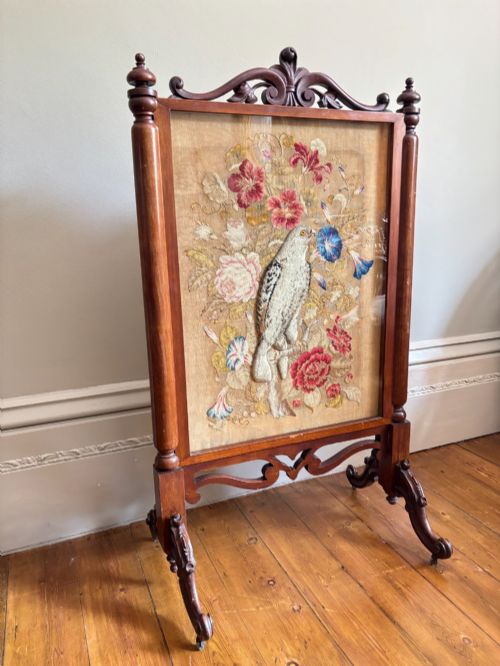
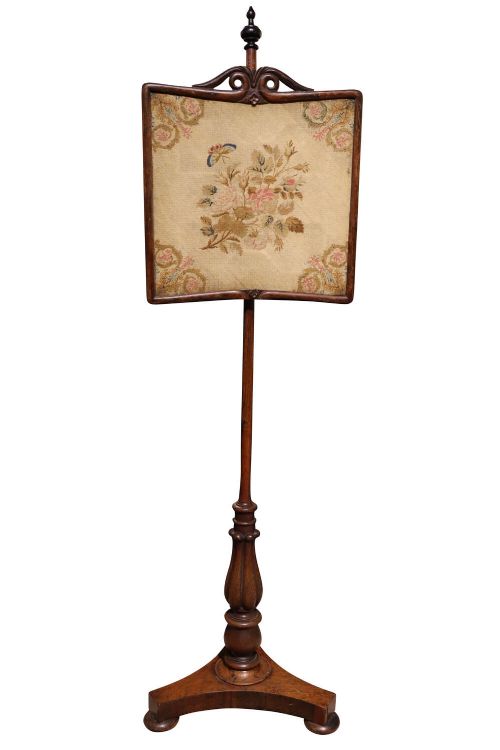
Smaller examples include pole screens and table screens from the nineteenth century, utilising wood frames to support needlework, glass, or Shibayama panels. Architectural salvage panels and modesty screens further expand the range of forms available.
How they were made
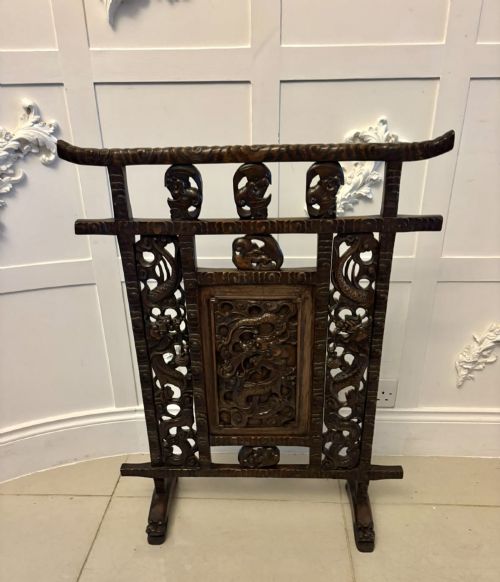
Frames rely on timbers such as mahogany, rosewood, walnut, and oak, joined with hinges to form multi-fold structures or mounted on iron and brass stands. Metalwork appears in cast and wrought brass, copper, bronze, and iron, sometimes forming decorative fire guards and frames.
Infill materials demand diverse artisan techniques, including hand-painted leather, oil paintings on canvas, and detailed needlework such as Berlin work and wool embroidery. Chinese coromandel lacquer and Japanese carved bone figures demonstrate specialised carving traditions applied to wooden panels.
Antique Panelled Screen Retail Price Guide 2026
Typical asking prices for panelled screen among the pieces listed under this phrase on Sellingantiques today, from the lower quarter to the upper quarter. They describe what is for sale here now, not the wider market.
Some nineteenth-century screens include deep-carved bone figures that seem to peer out from behind the hinges.
What varies in quality
The distinction between standard and superior pieces rests on the execution of the decorative panels and the integrity of the frame construction. Hand-painted leather, fine needlepoint, and deep bone carving represent significant artisan effort compared to simple printed or plain surfaces.
Materials and hardware elevate certain items, such as heavy giltwood frames, bevelled glass inserts, and substantial brass mountings. The harmony between the structural woodwork and the artistic infill dictates the overall standing of each divider or screen.
Raymond Subes
The Antique Panelled Screen Glossary
- Pole screen
- A vertical wooden stand holding an adjustable needlework or painted face, designed to shield a person's face from fireplace heat.
- Coromandel
- A type of Chinese lacquerware featuring incised designs filled with colours on a dark ground, popular on folding screens.
- Berlin work
- A style of nineteenth-century needlepoint embroidered in wool on canvas using squared pattern charts.
- Cheval screen
- A framed panel mounted on two vertical side pillars with feet, allowing the screen to swing on pivots.
- Modesty screen
- A portable folding screen historically used in domestic settings to provide privacy or block draughts.
Antique Panelled Screen: Frequently Asked Questions
What is a pole screen?
A pole screen is a nineteenth-century fireside accessory featuring an adjustable panel mounted on a vertical wooden pole. It was positioned to protect the face from radiant heat.
The panel typically holds a needlework face or painted canvas that slides up and down the stand to find the required height.
How were fire screens used?
Fire screens stood before domestic hearths during warmer months when fires were unlit, or served to block excess heat when flames burned low. They protected delicate furnishings and skin from sudden temperature changes.
Many designs doubled as decorative room accents when the hearth was not in active use.
What is a coromandel screen?
A coromandel screen is a heavy Chinese folding screen made from timber coated in dark lacquer. Artisans carved intricate pictorial scenes directly into the surface before applying pigments.
These large pieces functioned as permanent room dividers in grand interiors.
How do I care for antique screens?
Care depends entirely on the materials present in the panels and frame. Wood requires gentle dusting and occasional waxing, while painted leather and textiles need protection from direct sunlight and damp conditions.
Keeping hinges clean and avoiding excessive force when folding prevents strain on antique joints.