

Antique Panelled Mirror
An antique panelled mirror brings layered decoration and architectural weight to a room, combining divided glass plates with painted panels or carved frames.
Antique Panelled Mirror
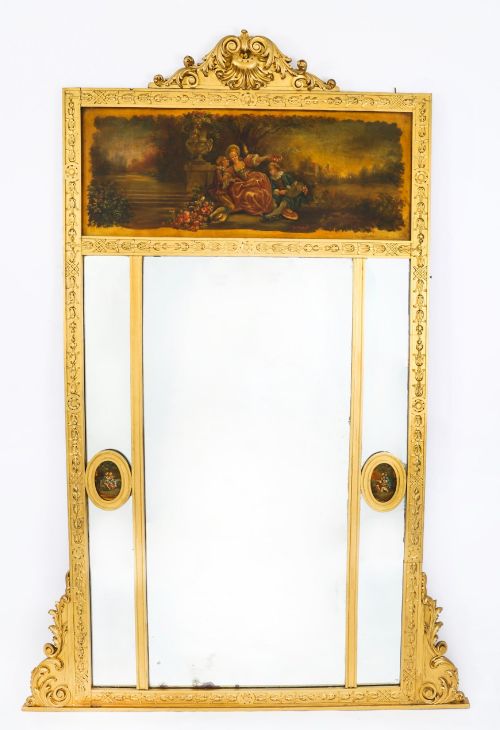
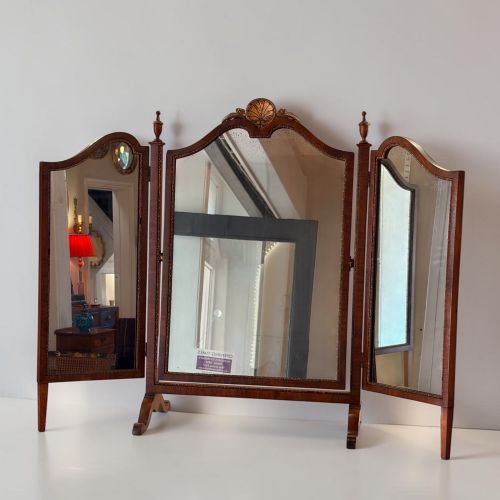
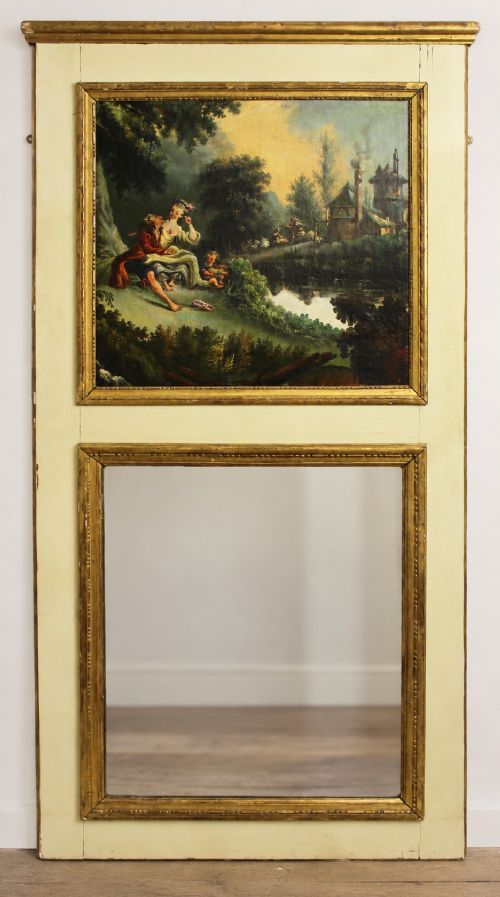
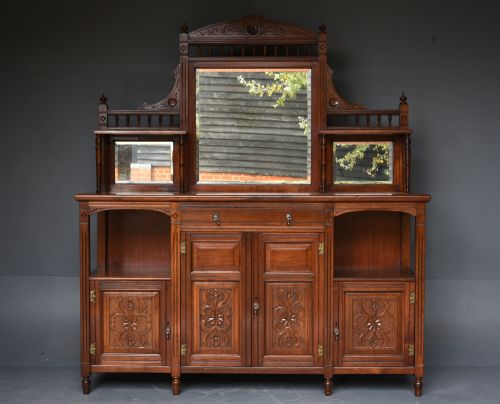
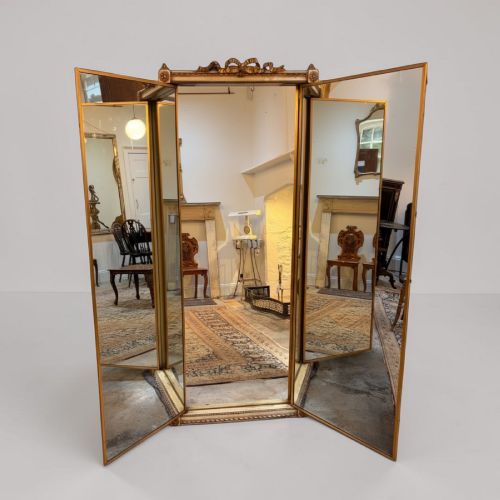
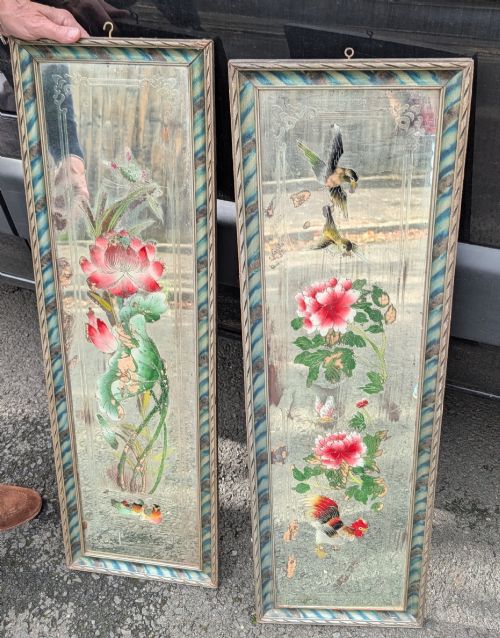
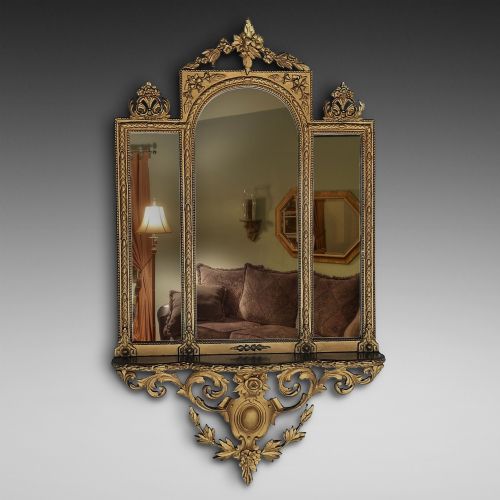
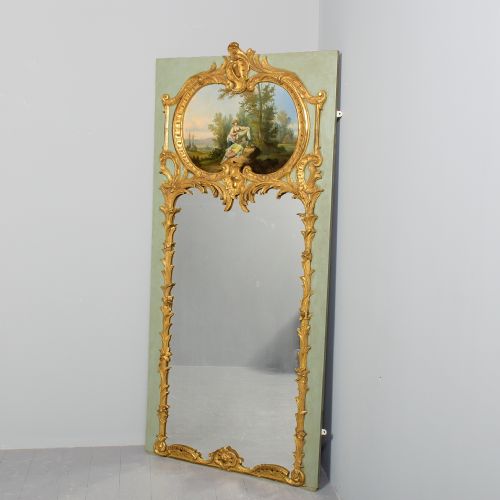
When searching for an antique panelled mirror, one encounters a variety of formats designed for walls, overmantels, and dressing furniture. The selection ranges from French trumeau mirrors featuring oil paintings or decorative panels above the glass to multi-plate pier glasses and triptychs.
Pieces span the nineteenth century into the early twentieth century, taking in Regency, Victorian, and Edwardian aesthetic influences. Wall-hanging versions and large overmantels dominate the selection, often incorporating architectural elements like columns or carved crestings.
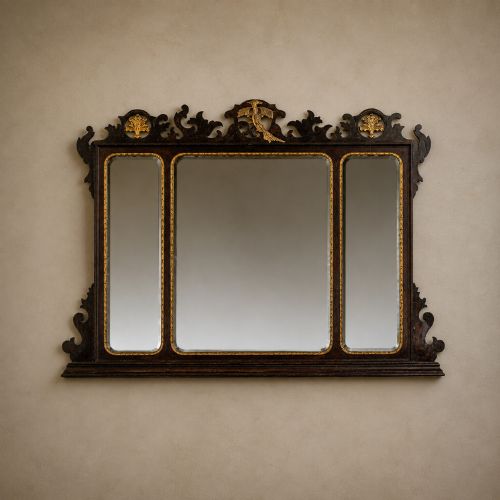
Regional and stylistic variations appear across the inventory, including French Neoclassical designs, English giltwood overmantels, and Levantine frames with inlaid nacre-shell and turned panels. Each format serves a distinct decorative function, whether placed above a fireplace or mounted on a principal wall.
Materials and construction
Frames rely on traditional timbers such as mahogany, walnut, oak, and pine, frequently finished with giltwood, gesso, or paint. Gilding techniques involve the application of gold leaf over prepared gesso surfaces, whilst decorative panels utilise oil paint, reverse glass painting, or carved woodwork.
Mirror plates are set into segmented frames, sometimes employing multiple glass sections divided by wooden bars, gilt strips, or decorative borders. Structural joinery employs period woodworking methods appropriate to the nineteenth and early twentieth centuries.
Antique Panelled Mirror Retail Price Guide 2026
Typical asking prices for panelled mirror among the pieces listed under this phrase on Sellingantiques today, from the lower quarter to the upper quarter. They describe what is for sale here now, not the wider market.
Materials represented across the inventory include giltwood, gesso, mahogany, walnut, oak, and mirrored glass.
Distinguishing quality
The standard of an antique panelled mirror rests on the crispness of its carved ornamentation and the execution of any incorporated artwork or reverse glass painting. Hand-carved giltwood and gesso details show depth and precision, whereas mass-produced or later replacements lack the same definition.
The integrity of the original glass plates and the quality of the timber framework determine the overall merit of the piece. Fine examples retain their original mercury or silvered mirror plates, showing natural ageing without disruptive modern replacements.
The Antique Panelled Mirror Glossary
- Trumeau
- A decorative wall mirror featuring an upper panel containing a painting, carving, or silkwork, paired with a mirror plate below. This French wall-hanging form dates predominantly to the eighteenth and nineteenth centuries.
- Verre Eglomise
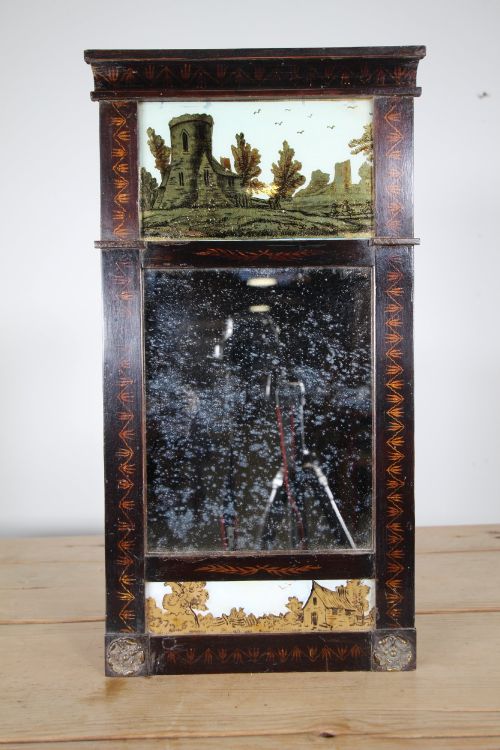
- A technique of cold painting and gilding on the rear face of glass to produce a metallic, reflective design. It frequently appears in the upper panels of Regency and neoclassical pier glasses.
- Pier Glass
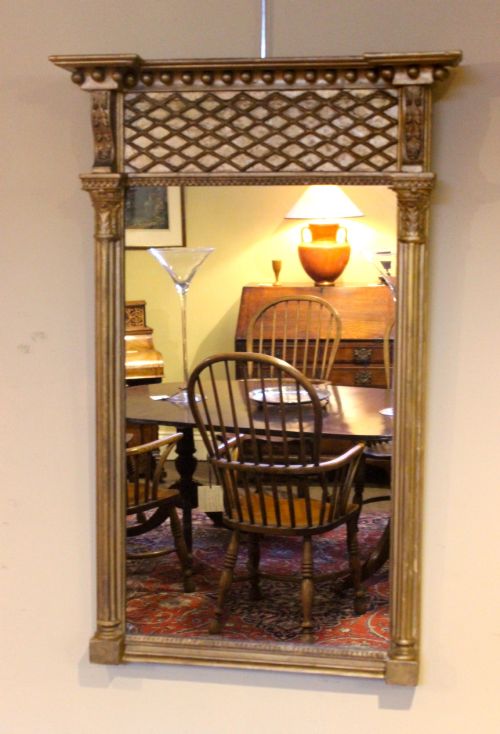
- A tall, narrow mirror designed to hang on the wall space between windows. These mirrors often feature architectural columns or gilt frames.
- Overmantel Mirror
- A wide mirror specifically proportioned to hang on the wall above a fireplace mantelpiece. They often incorporate multiple glass plates or elaborate crestings.
- Gesso
- A plaster-like mixture applied to wood frames to provide a smooth base for gilding or painting. It is sculpted or moulded to form raised decorative motifs.
Antique Panelled Mirror: Frequently Asked Questions
Where should I hang a panelled mirror?
These mirrors suit placement above a mantelpiece, along a principal hallway, or above a sideboard to reflect light into the space.
Larger trumeau and overmantel formats require secure wall fixings into masonry or structural studs due to their substantial wooden and glass weight.
How do I identify the period of a mirror?
Dating relies on examining the timber frame, construction joints, backboards, and the manufacturing characteristics of the glass plates. Regency and Victorian examples often display distinct decorative motifs, such as Egyptian revival columns or carved crestings.
Secondary indicators include the type of fixings, the presence of original hand-beveled edges, and historical backing papers or dealer labels.
Are the mirror plates original?
Many surviving pieces retain their original glass plates, which frequently exhibit light foxing, minor speckling, and gentle distortion characteristic of older manufacturing methods.
Replacements occur when damaged glass was updated in later decades, so inspecting the silvering and back edges helps determine the age of the plate relative to the frame.
How do I care for antique giltwood frames?
Giltwood and gesso surfaces require gentle dusting with a dry, soft brush and protection from direct sunlight and excessive moisture. Avoiding chemical cleaning agents prevents damage to the fragile gold leaf and underlying gesso layers.
Temperature stability in the room helps prevent the timber substrate from expanding or contracting, which can cause the gesso to crack.