
Antique Panelled Glass
Antique panelled glass brings together architectural glasswork and framed panels from the nineteenth and twentieth centuries, offering a tangible link to past interiors.
Antique Panelled Glass
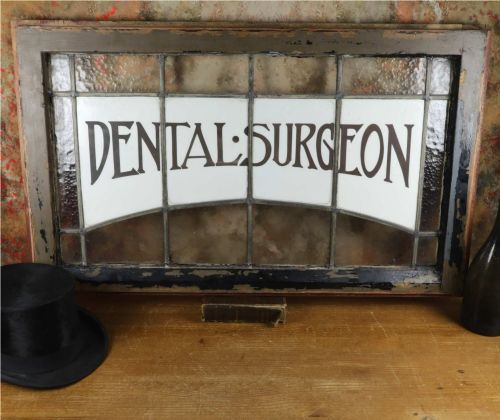
When searching for antique panelled glass, buyers encounter a mix of architectural salvage, display furniture with glazed panels, and framed windows spanning the Victorian and Edwardian eras. These objects combine transparent or stained glass with structural frames in oak, mahogany, and brass.
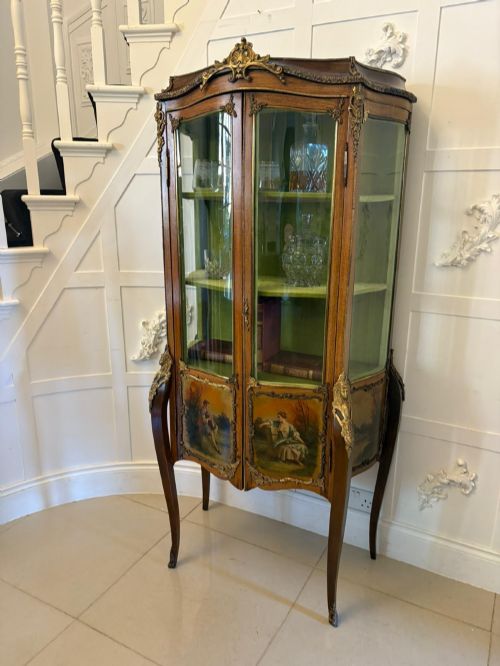
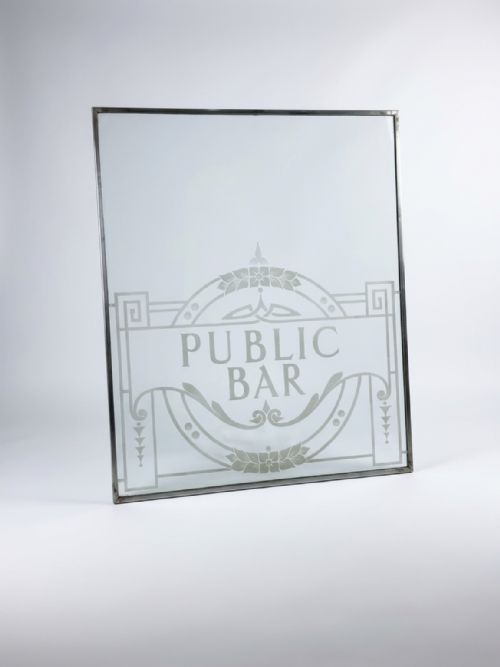
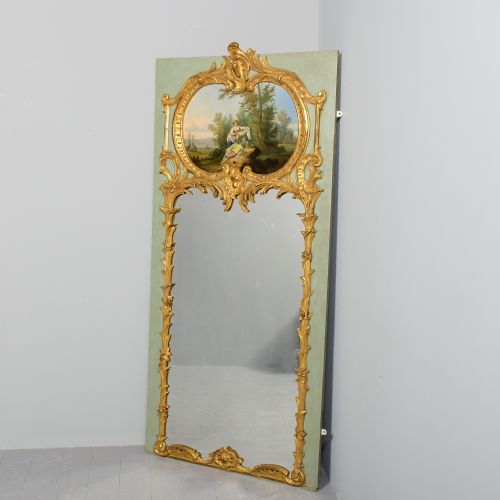
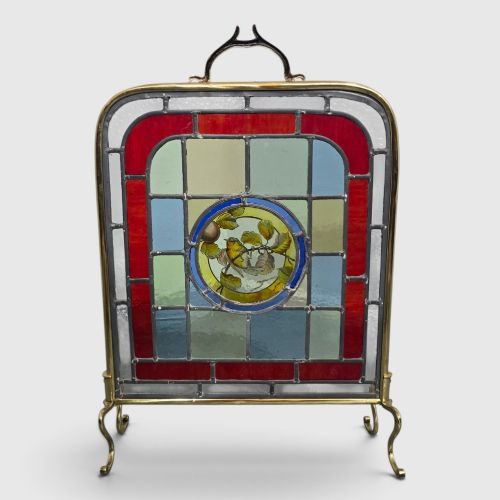
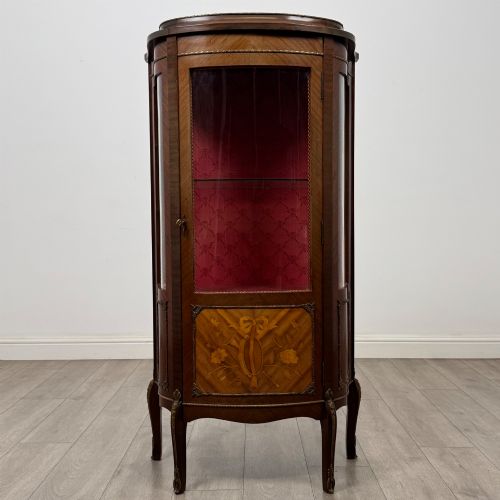
The most common forms on this page include large pub windows, stained glass firescreens, and vitrines featuring glass panels alongside painted or carved sections. Pieces range from nineteenth century church and domestic salvage to early twentieth century display cabinets.
How they were made
Makers constructed these items using lead cames or wooden glazing bars to hold individual panes of glass securely within frames of oak, kingwood, or brass. Stained and etched glass techniques allowed artisans to incorporate coloured pigments and acid-cut designs into windows and screens.
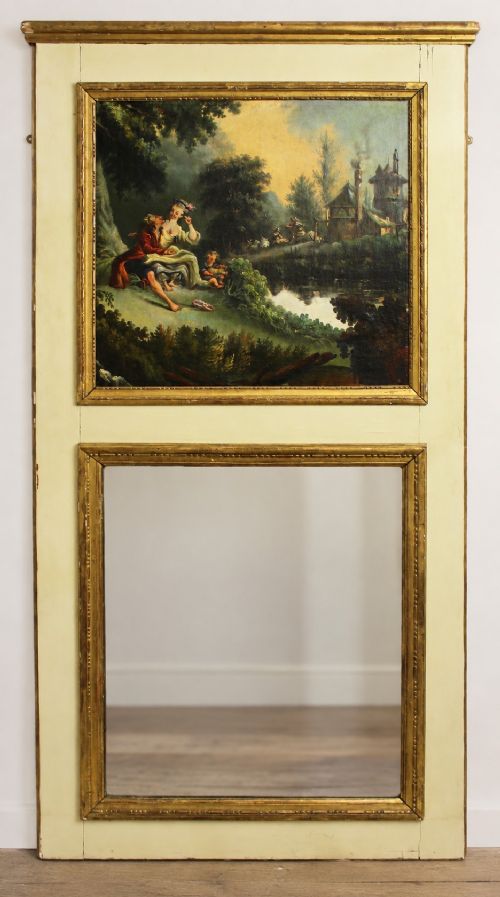
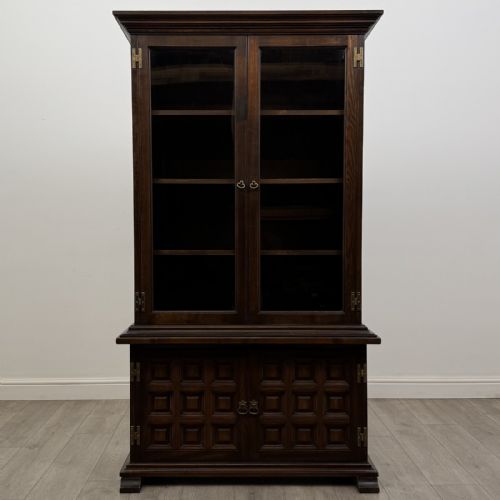
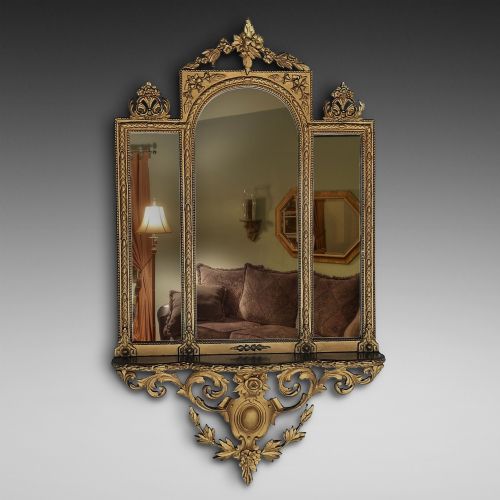
Structural elements frequently involved traditional joinery, such as mortise and tenon joints in wooden cabinets and bookcases, complemented by ormolu mounts and giltwood framing on French vitrines and trumeau mirrors.
Listings feature items spanning the nineteenth and twentieth centuries, utilising oak, brass, glass, and lead across various display cabinets and mirrors.
What varies in quality
The standard of a piece depends on the crispness of the carving in the surrounding wood or giltwood and the integrity of the glass panels themselves, whether cut, etched, or stained. Superior examples display precise leadwork and harmonious integration between the glass inserts and the primary frame.
Secondary materials also dictate the grade of an object, with heavy brass mounts, finely inlaid marquetry panels, and original bevelled glass indicating superior workshop output from the nineteenth century.
The Antique Panelled Glass Glossary
- Vitrine
- A glass-panelled cabinet designed for the display of objects, commonly associated with nineteenth century French furniture production.
- Trumeau
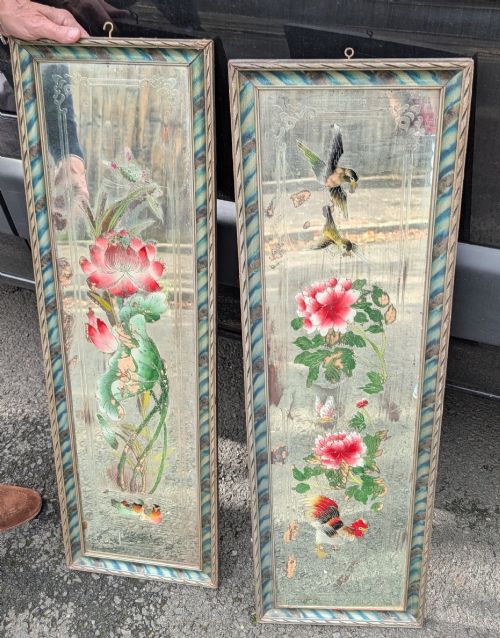
- A decorative wall mirror featuring an upper panel containing a painting or carving, popular in nineteenth century interiors.
- Verre Eglomise
- A technique involving the application of gold or silver leaf to glass, combined with painting, to create a reflective panel.
- Came
- A slender strip of cast lead with a grooved profile used to hold together pieces of stained or cut glass in windows and screens.
- Ormolu
- Gilded bronze mounts applied to furniture and display cases during the eighteenth and nineteenth centuries.
Antique Panelled Glass: Frequently Asked Questions
How do I clean antique glass panels?
Use a soft microfibre cloth and a mild, ammonia-free cleaning solution applied directly to the cloth rather than the glass to protect surrounding wood or lead.
Avoid abrasive materials that can scratch nineteenth century glass surfaces or damage delicate painted and etched details.
Where were panelled glass windows used?
These glass sections typically originated in domestic homes, commercial spaces such as pubs, and institutional buildings during the Victorian and Edwardian periods.
They served as functional room dividers, exterior windows, or decorative interior screens designed to separate spaces while permitting light transmission.
Can I hang a heavy glass mirror?
Large mirrors and framed glass panels require secure wall fixings distributed evenly across the weight-bearing parts of the timber or giltwood frame.
Consult a professional installer to assess wall types and ensure the fixings can support the combined weight of the glass and wooden structure.
How do I date an antique glass cabinet?
Examine the wood species, construction joints, and the method used to manufacture the glass panels, noting characteristics typical of Victorian or Edwardian joinery.
Look for hand-blown inconsistencies in the glass and traditional hand-cut joinery which distinguish older pieces from later reproductions.