
Antique Panelled Cabinet
An antique panelled cabinet brings solid timber construction and period joinery into a room, offering substantial storage with distinct historical character.
Antique Panelled Cabinet
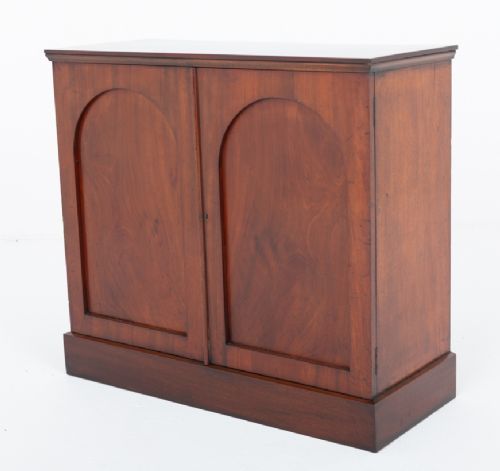
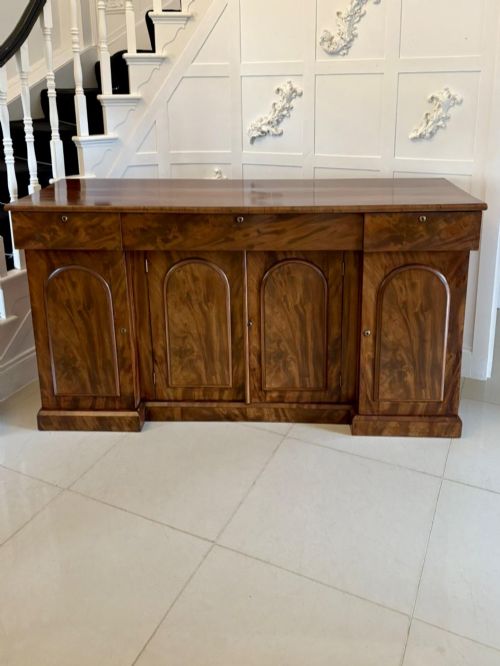
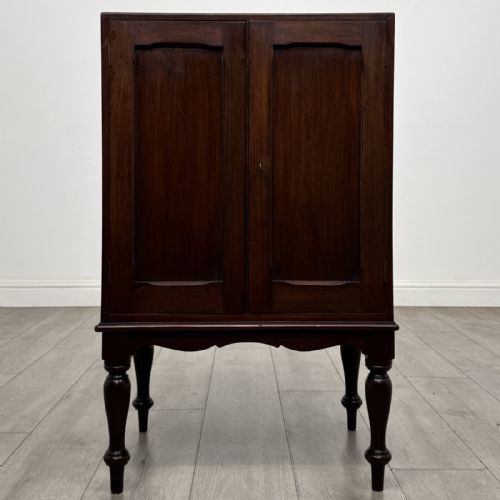
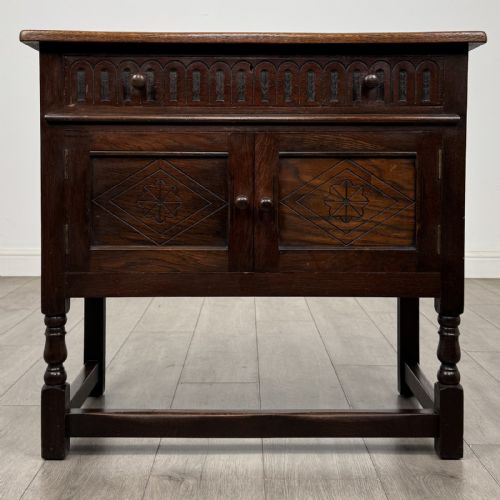
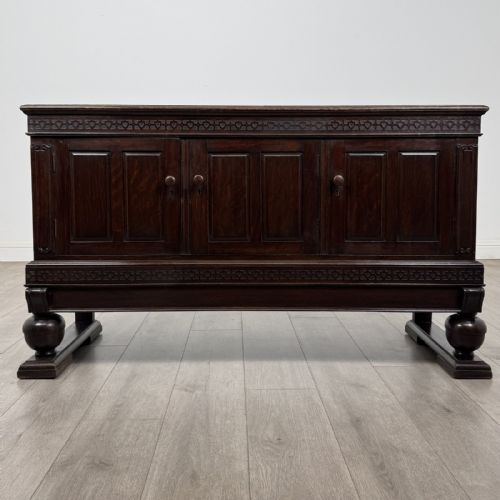
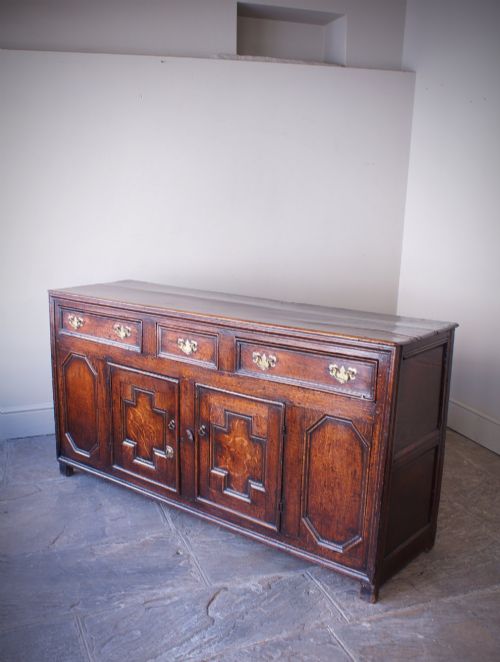
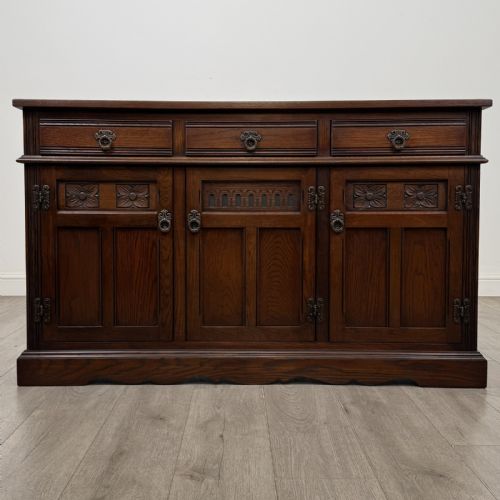
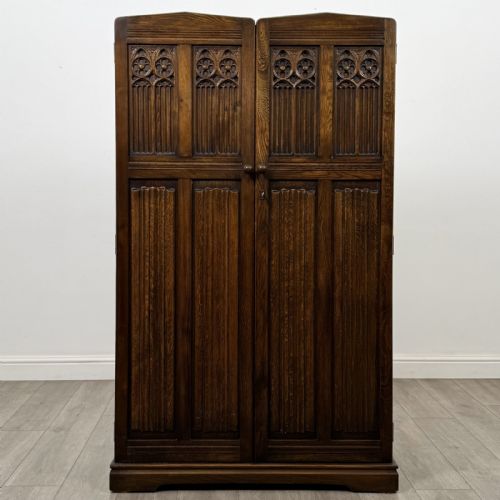
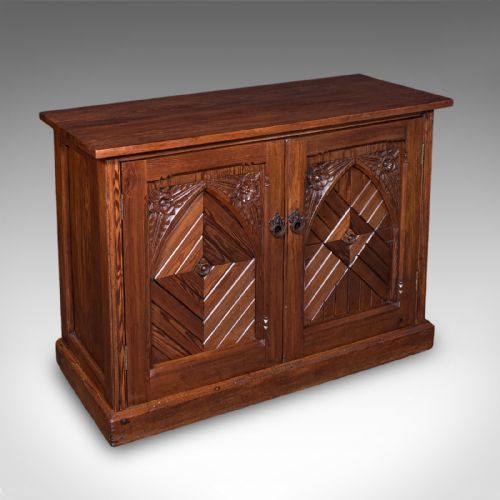
When searching for an antique panelled cabinet, buyers encounter storage furniture built primarily from oak and mahogany across periods spanning the seventeenth century to the twentieth century. These pieces take forms such as cupboards, sideboards, wardrobes, and dresser bases, often featuring carved panels, raised galleries, or turned legs.
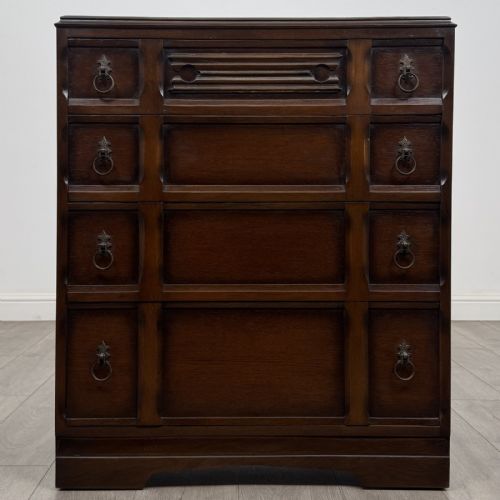
The seventeenth-century examples rely on heavy timber framing and pegged joinery, while later Victorian and Edwardian iterations incorporate stylistic revivals like Jacobean or Gothic. Twentieth-century workshops continue the tradition using solid oak for filing chests and hall wardrobes with fitted interiors.
How they were made
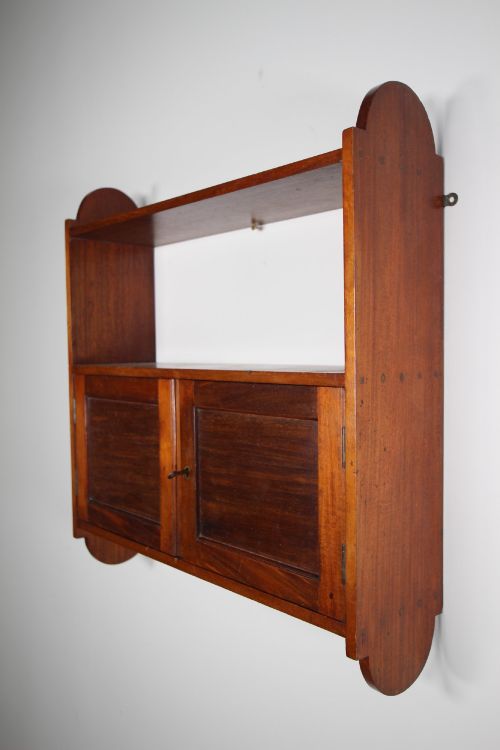
Cabinet makers constructed these pieces predominantly from solid oak and mahogany, occasionally employing pine for internal elements or flame mahogany veneer for decorative exterior surfaces. Joinery relies on traditional methods including pegged mortise and tenon frames surrounding inset wooden panels that accommodate seasonal wood movement.
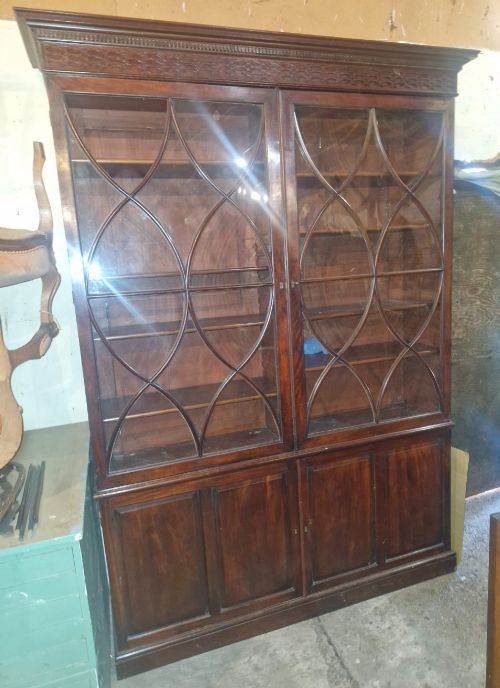
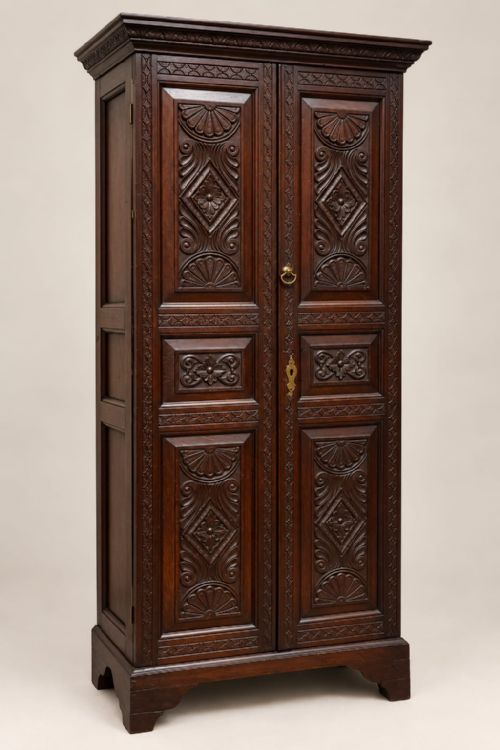
Hardware additions such as brass handles, iron hinges, and glass panes for display doors complement the timber structure. Carved details, dentil cornices, and baluster turned legs are worked directly into the solid wood framework by hand or with period workshop machinery.
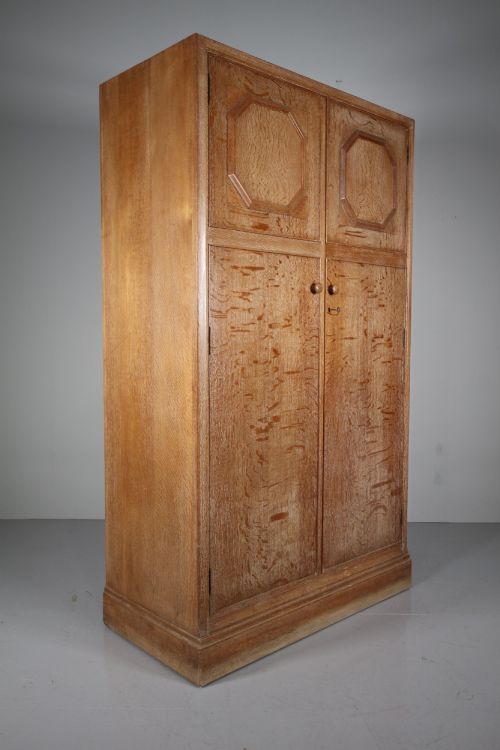
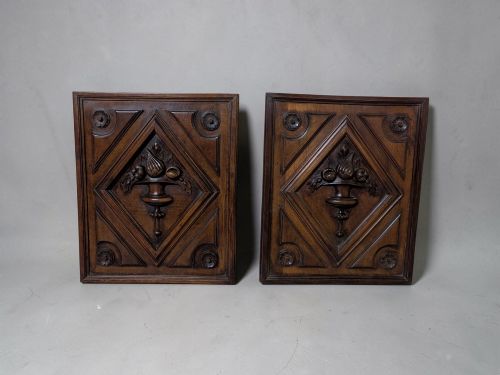
The inventory includes multiple oak doors with a suspected connection to the famed Mouseman workshops.
What varies in quality
The standard of a piece rests upon the grade of timber selected and the precision of the joinery connecting the frame to the inset panels. Heavy, dense oak boards and well-figured mahogany display superior grain depth compared to utility timbers.
Execution of carved details distinguishes finer workshop output from simpler production. Crisp relief work on panels and drawer fronts indicates skilled hand execution rather than mechanical shaping.
The Antique Panelled Cabinet Glossary
- Panelled
- Construction method where flat boards are fitted into grooved wooden frames to prevent warping as humidity changes. This technique forms the primary structure of doors and sides on period cupboards.
- Dresser base
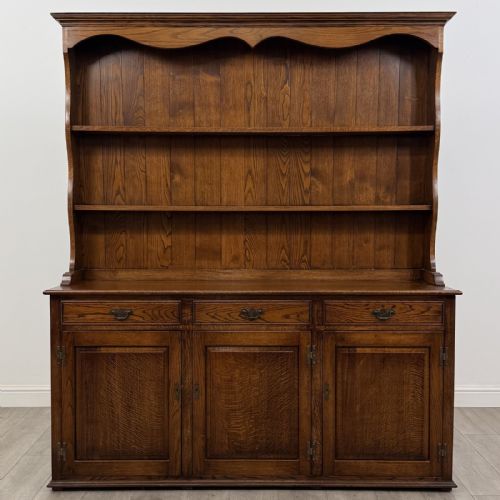
- A low wooden sideboard fitted with drawers or cupboards, originating in seventeenth and eighteenth-century kitchens and dining spaces. These heavy timber pieces provide wide surface areas above enclosed storage.
- Dentil cornice
- A decorative moulding pattern consisting of small, evenly spaced rectangular blocks projecting beneath the top edge of a cabinet. This classical architectural detail appears frequently on eighteenth and nineteenth-century cornices.
- Baluster turned leg
- A support column shaped on a lathe with a swelling profile reminiscent of a classical baluster. These legs elevate side cabinets and sideboards above the floor.
Antique Panelled Cabinet: Frequently Asked Questions
How do I date an oak panelled cabinet?
Dating relies on observing construction methods, timber preparation marks, and stylistic indicators such as carved motifs. Early pieces from the seventeenth century utilise pegged frames and hand-riven timber.
Later Victorian and twentieth-century examples incorporate machine-sawn boards, standardised hardware screws, and revival styles that point to industrial production methods.
Were these cabinets used for clothes storage?
Many surviving pieces functioned as linen presses, wardrobes, or hall cupboards designed specifically for garments and textiles. Internal sliding trays or hanging space accommodated folded or suspended attire.
Smaller cupboards served specialised domestic roles, such as spice storage in kitchens or bedside utility containers.
What is a dresser base?
A dresser base is a heavy low wooden cabinet featuring drawers or cupboards positioned beneath a broad flat top. Seventeenth and eighteenth-century homes utilised them for food preparation and tableware storage.
Over subsequent centuries, the form transitioned into dining rooms as sideboards for serving food and displaying silver.
How do I clean antique oak furniture?
Maintenance requires gentle dusting with a dry, soft cloth to prevent particulate accumulation on the timber surface. Avoid modern silicone polishes that penetrate the grain and alter the finish.
Traditional beeswax applied sparingly helps nourish dry oak and maintain the natural lustre accumulated over centuries of handling.