
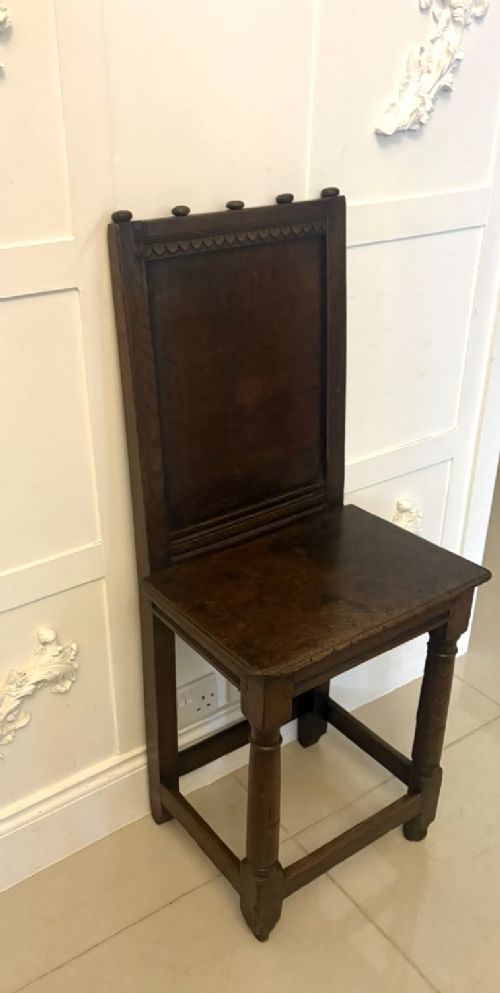
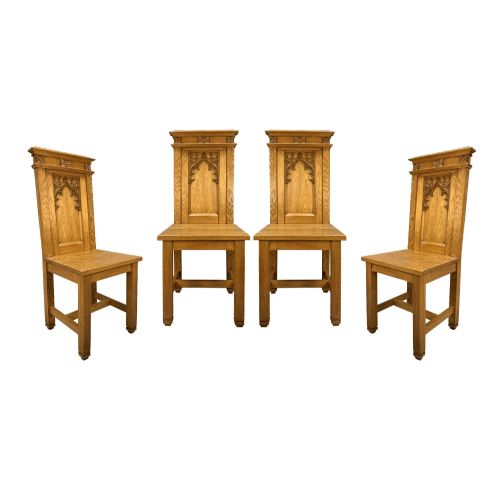
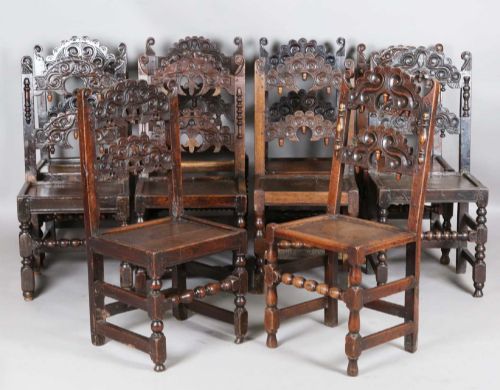
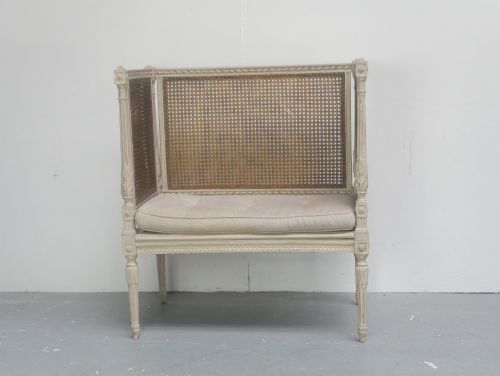
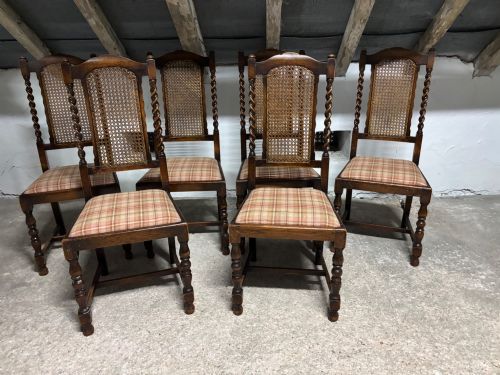
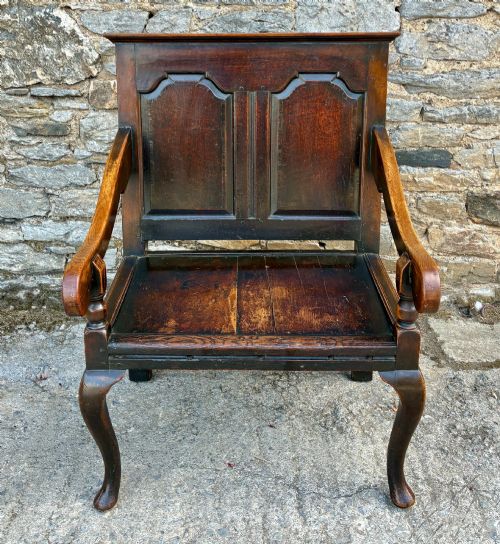
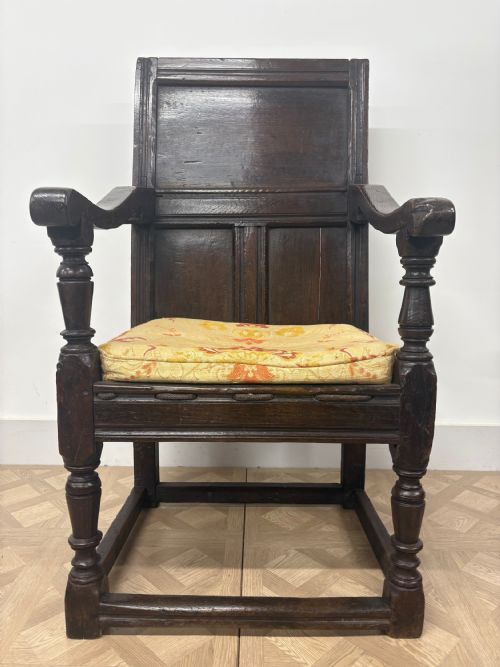
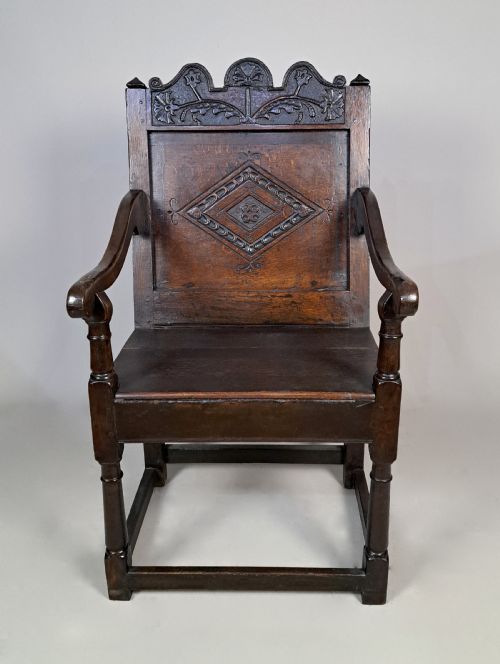
Antique Panel Chair
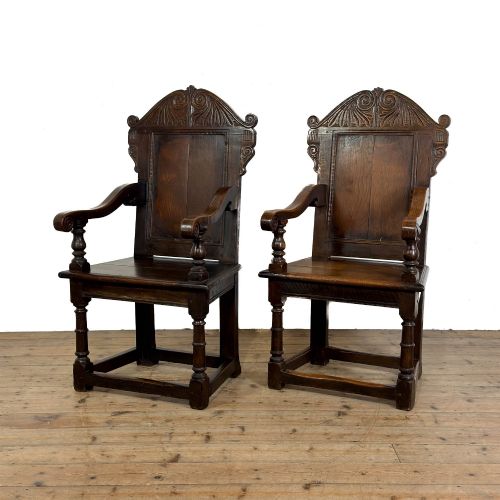
These heavy timber seats offer robust joinery and solid backs, making an antique panel chair a grounding addition to any hall or parlour.
Antique Panel Chair
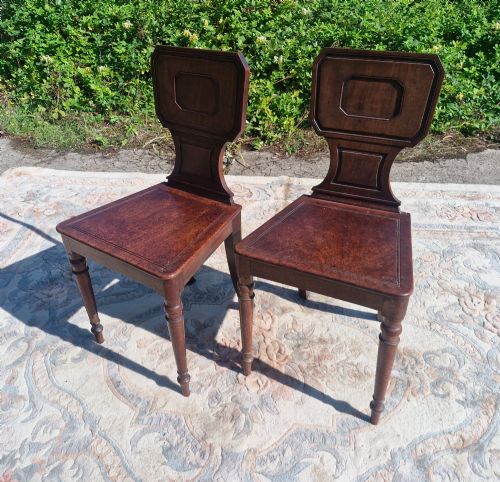
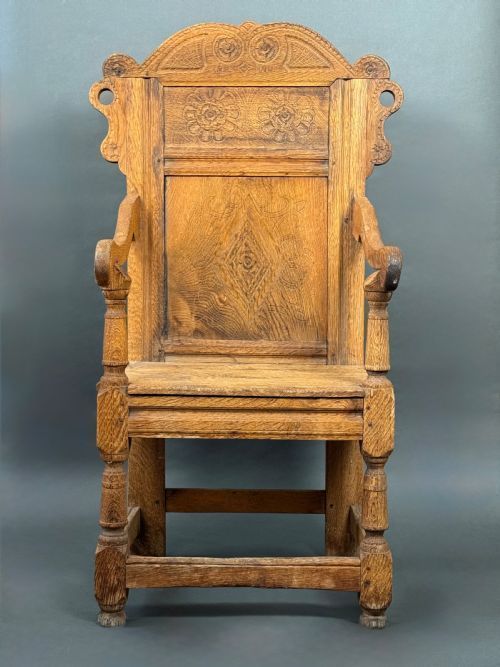
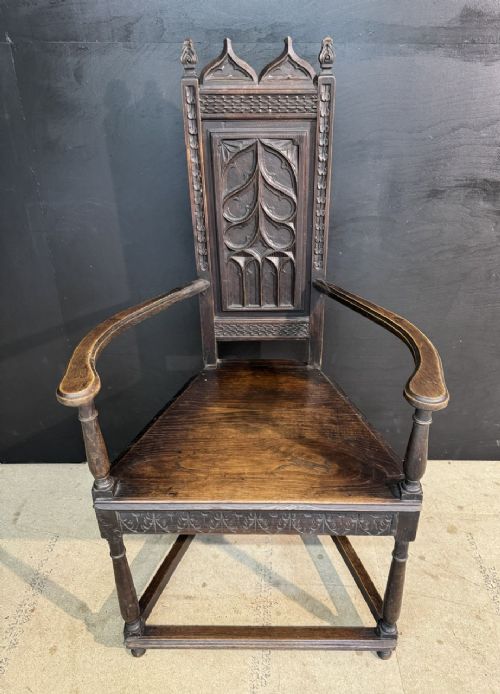
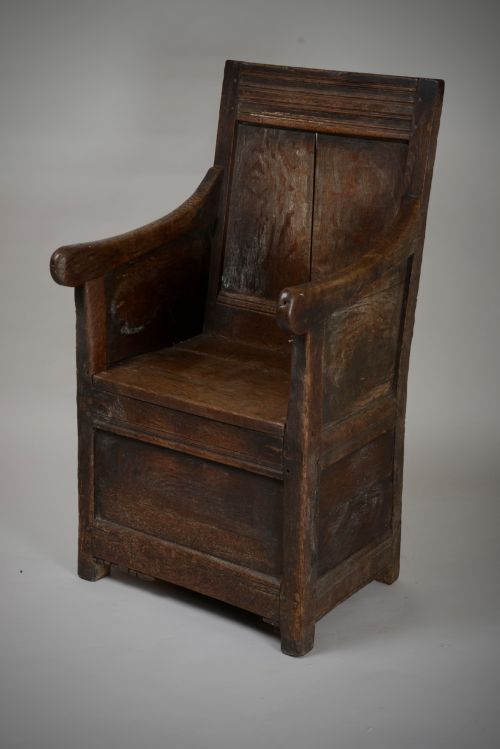
An antique panel chair relies on rigid wooden boards set within a frame, creating a solid backrest that protects against draughts in older rooms. These traditional seats appear frequently in regional oak, showing up in forms such as wainscot armchairs, hall chairs, and settles.
Makers built these pieces for domestic utility, resulting in sturdy forms that withstand daily use. Alongside standard armchairs, the selection includes dining chairs, benches, and corner chairs spanning several centuries of cabinetmaking.
Regional variations emerge across different British counties, with pieces from Lancashire, Yorkshire, and Wales displaying distinct carving patterns and proportions. Later revivals also surface, bringing earlier stylistic motifs into Victorian and twentieth-century interiors.
Materials and construction
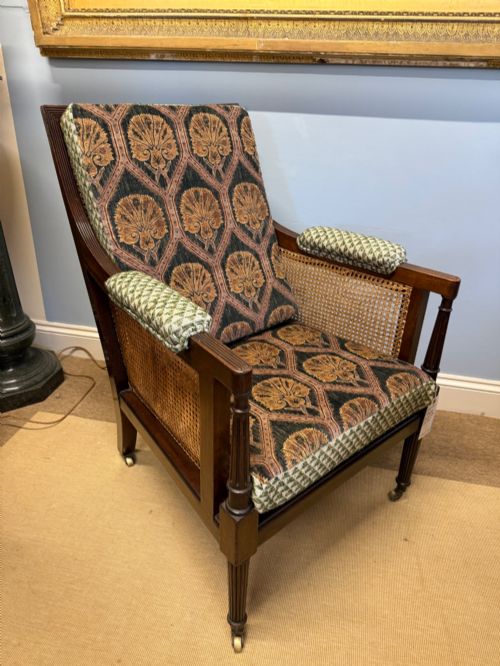
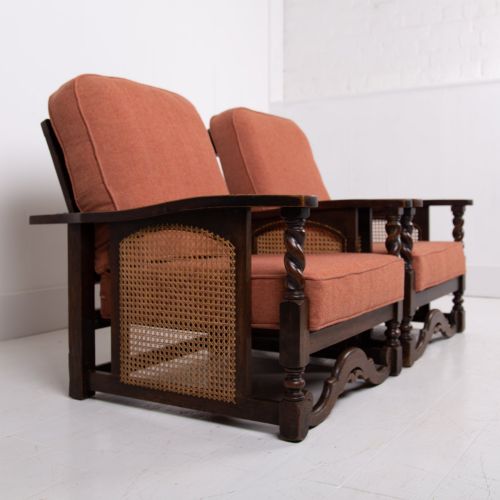
Carpenters constructed these items primarily from solid oak, utilising pegged mortise and tenon joints to secure the frame without metal fixings. Walnut, mahogany, and pine also appear across specific pieces, paired occasionally with secondary elements of brass, cane, or leather.
Panels were traditionally slotted into grooved framing members, allowing the timber to expand and contract naturally with seasonal humidity changes. Surface decoration ranges from plain boards to relief carving, inlay, and painted finishes.
The listings span from the sixteenth century through to the 1930s, featuring oak, mahogany, walnut, and pine construction.
Distinctions in quality
The sophistication of the timber preparation and the crispness of the hand-carved details define the standard of execution. Early examples with undisturbed surface patination and tight structural joinery hold greater authority among collectors than heavily restored counterparts.
Proportion and the integrity of the original components dictate the desirability of a piece. Retaining the authentic seat boards and original framing timbers separates high-grade survivals from heavily altered objects.
Liberty and Co
The Antique Panel Chair Glossary
- Wainscot
- A heavy wooden armchair with a solid panel back and panelled seat base, common in seventeenth-century domestic interiors. These seats were costly items of furniture in their day, often reserved for the head of the household.
- Settle
- A wooden bench featuring a high panelled back and enclosed arms, designed to block cold air in draughty halls. Many incorporate a storage box beneath the hinged seat.
- Lambing chair
- An enclosed wooden armchair with wings and a panelled lower section, traditionally used by shepherds or near hearths for warmth. The high sides shielded the sitter from incoming air currents.
- Joined construction
- A method of building furniture using interlocking wooden joints secured by wooden pegs rather than glue or nails. This technique provides the structural skeleton for heavy framework.
- Elbow chair
- An older term for an armchair, often used to distinguish seated forms with armrests from simpler side chairs. They typically accompanied dining tables or sat in hallways.
Antique Panel Chair: Frequently Asked Questions
What is an antique panel chair?
An antique panel chair is a sturdy wooden seat featuring a flat wooden panel set into the backrest, often framed by mortise and tenon joints. These items range from seventeenth-century wainscot designs to later provincial forms.
Built for durability, they provide firm support and reflect the prevailing woodworking techniques of their respective periods.
Where were these chairs placed?
Historically, these heavy seats stood in the main halls of substantial houses, near hearths, or in dining spaces where draughts required physical protection. Their solid wooden backs kept heat close to the sitter.
Today, they function well in entrance halls, studies, or living rooms as sculptural accent pieces.
How do I date an oak chair?
Dating relies on examining the construction methods, tool marks, timber shrinkage, and stylistic carving details. Early pieces show hand-riven timber and pegged joinery, while revival pieces display nineteenth or twentieth-century manufacturing techniques.
Comparing the panel thickness and moulding profiles against known regional examples helps narrow the production era.
Are panel chairs comfortable?
These seats feature rigid wooden backs and upright postures designed for formal sitting rather than lounging. Many owners add loose cushions or pads to soften the seat for daily use.
The ergonomic design supports an upright posture, matching the functional requirements of historic domestic interiors.