




Antique Palace Vase
These antique palace vase examples range from monumental floor vessels to delicate snuff bottles, offering striking focal points for grand interiors.
Antique Palace Vase
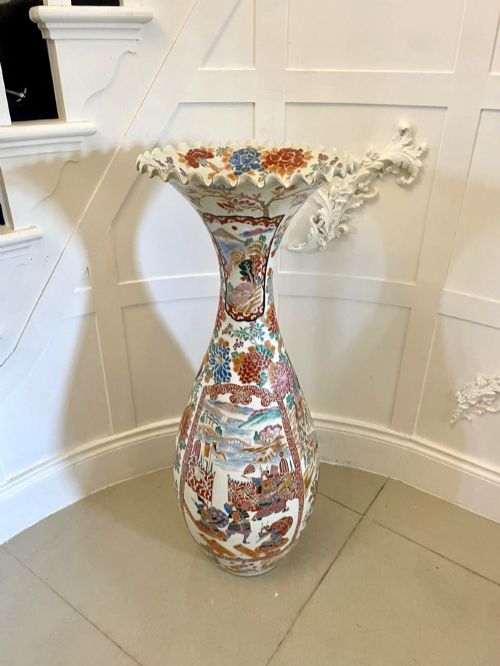
An antique palace vase encompasses large-scale vessels and smaller containers made for display in elite spaces during the nineteenth century. Buyers searching for an antique palace vase often encounter massive floor-standing pieces alongside smaller snuff bottles.
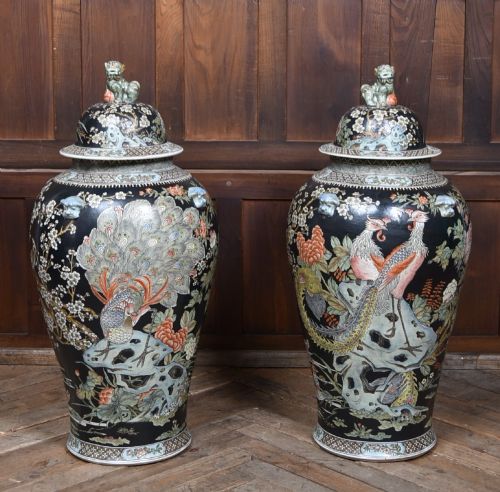
The inventory demonstrates pieces originating from both Chinese dynasties and Japanese periods such as Meiji and Edo. Forms include baluster vases with covers, temple vases, and tall pairs mounted on stands.
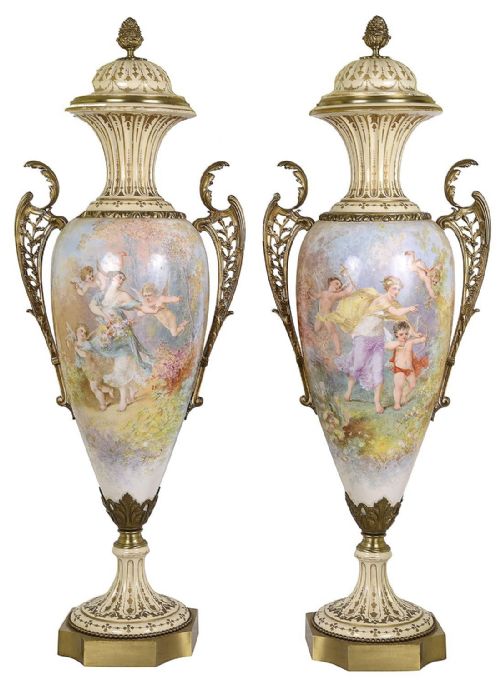
Many of these substantial pieces scale up to monumental heights, designed to anchor large reception rooms and halls. The selection balances Asian export ceramics with European interpretations like Sevres style lidded vessels.
Assessing quality and execution
The precision of the hand-painted enamel work dictates the visual success of painted porcelain and Rose Mandarin scenes. Finer examples display meticulous control over cobalt oxide details and overglaze enamel layering.
Scale and ambition separate standard decorative items from monumental floor vases and temple vases requiring advanced kiln management. The structural integrity of large pairs and the preservation of original lacquer panels or stands influence overall execution.
Phoenix birds and erotic spring scenes share the nineteenth-century palace aesthetic.
The Antique Palace Vase Glossary
- Baluster vase
- A tall vessel characterised by a rounded body, a narrow neck, and a flared rim. This shape provides a stable base for complex pictorial decoration.
- Cloisonne enamel
- A metalwork technique where thin wires are soldered to a base to form compartments filled with enamel paste and fired. This method creates vibrant, patterned surfaces.
- Cobalt oxide
- A mineral pigment used beneath the glaze to produce deep blue designs on porcelain before firing. It withstands high kiln temperatures without losing definition.
- Overglaze enamel
- Coloured glass decoration applied over a fired and glazed ceramic surface, then fixed with a lower temperature second firing. This technique allows for a broad palette of bright hues.
- Qing Dynasty
- The final imperial dynasty of China, spanning from the seventeenth to the early twentieth century. Production from this era includes large export porcelains and palace wares.
Antique Palace Vase: Frequently Asked Questions
Where were these large vases displayed?
These substantial vessels were manufactured for placement in reception rooms, halls, and elite domestic or palace interiors. Their scale allowed them to command attention as freestanding architectural elements.
Smaller examples, such as snuff bottles, were kept closer at hand for personal use and private appreciation. Both formats reflect the decorative ambitions of nineteenth-century patrons.
How do I tell Chinese export from Japanese pieces?
Chinese pieces often feature Rose Mandarin or Cantonese enamel palettes depicting figures and garden scenes. Imari designs and specific lacquer panels typically point towards Japanese Meiji and Edo period workshops.
Examining the underlying porcelain body and the specific style of the painted motifs helps clarify the geographic origin. European interpretations, such as Sevres style vessels, introduce distinct classical forms.
How should I clean a large ceramic vase?
Dust accumulated on the surface should be removed gently using a dry, soft brush or microfiber cloth. Avoid applying water or chemical cleaning agents directly onto decorated enamel or gold leaf areas.
Fragile surfaces with lacquer panels or delicate overglaze enamels require particular care to prevent abrasion. Professional conservation advice is recommended for heavily soiled or structurally complex pieces.
Can these heavy vessels stand directly on the floor?
Monumental floor vases are engineered to stand upright, though placing them on a sturdy, level surface is essential for stability. Some examples include dedicated wooden stands that help distribute the weight evenly.
Positioning them away from high-traffic walkways prevents accidental knocks against the ceramic or cloisonne body. Heavier pairs benefit from secure placement where they will not be disturbed.
What defines the Edo period style?
The Edo period encompasses craftsmanship from Japan characterised by meticulous detail in metalwork and cloisonne enamel. Pieces from this era frequently incorporate auspicious motifs like the Ho-o bird or phoenix.
This aesthetic prioritises precise cell work and harmonious colour combinations across substantial vessel forms. Surviving examples demonstrate the high level of technical skill achieved in Japanese workshops.