

Antique Painting Study
An antique painting study captures the direct observation of an artist, offering a personal glimpse into the creative process before the final finished work.
Antique Painting Study
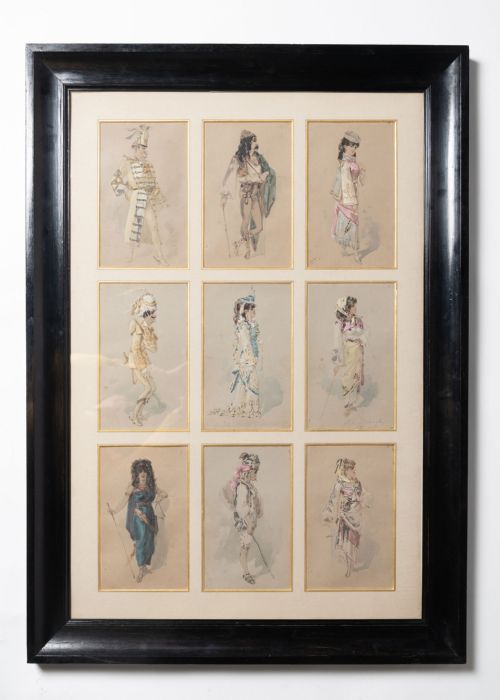
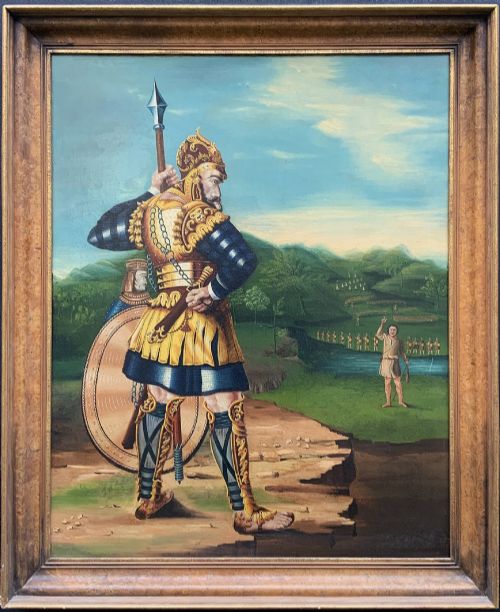
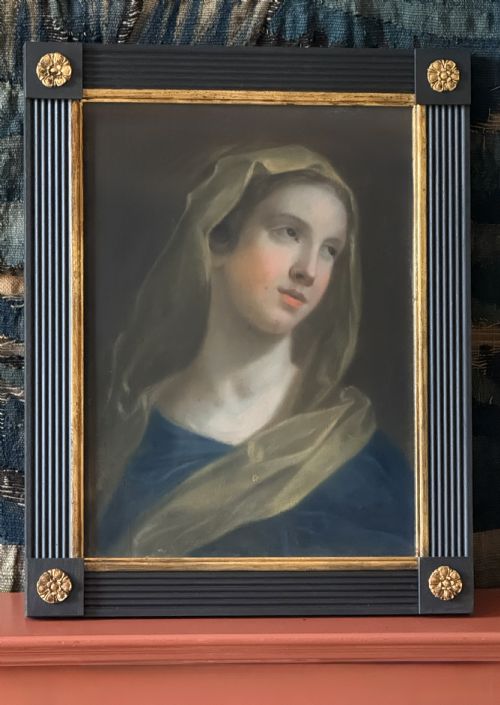
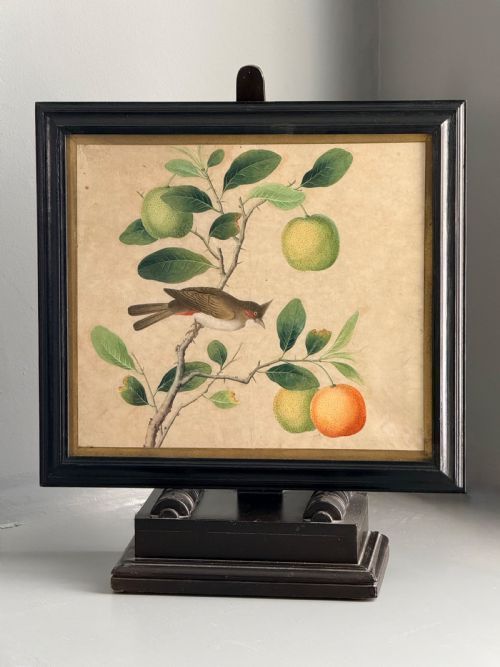
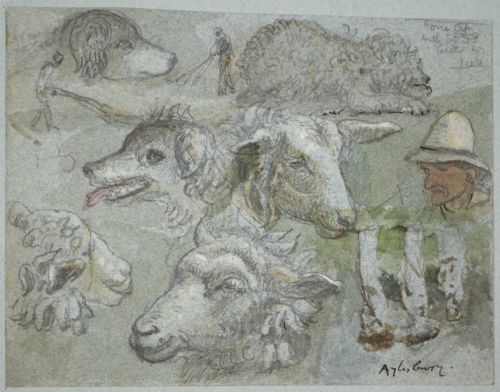
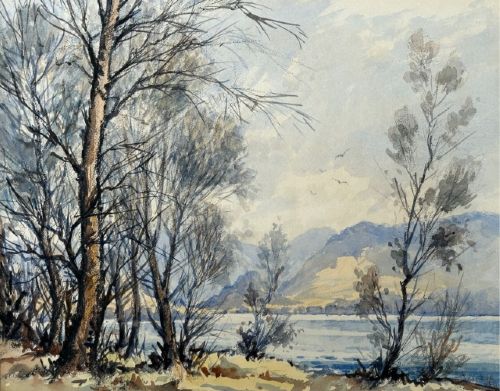
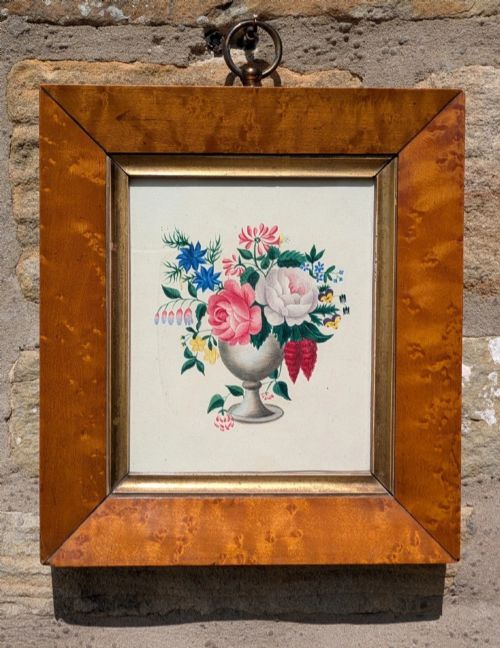
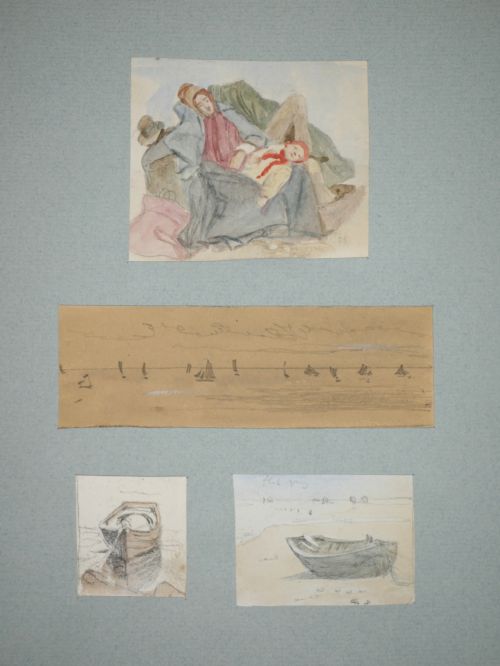
When searching for an antique painting study, buyers encounter preparatory works, quick sketches, and finished preliminary compositions that document the working method of artists across multiple periods. The selection spans nineteenth-century watercolours, oil paintings on canvas or panel, and botanical or animal studies from the Georgian and Victorian eras. These pieces range from rapid pencil and ink drawings to detailed gouache and tempera works created as preliminary exercises or independent observations.
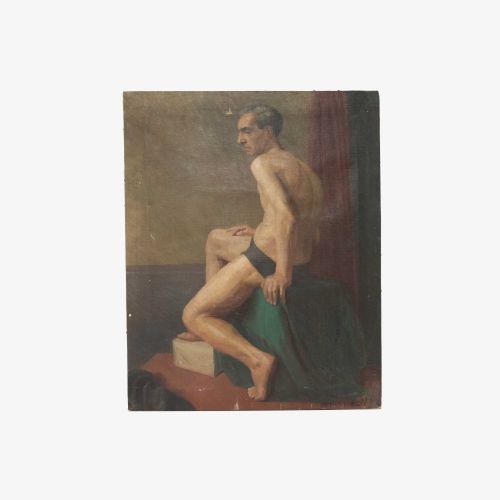
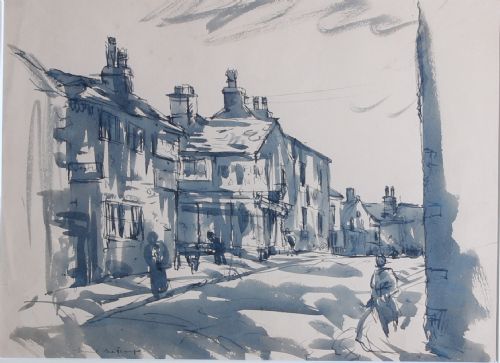
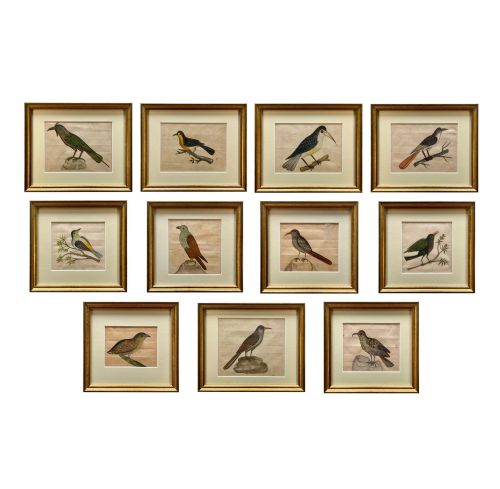
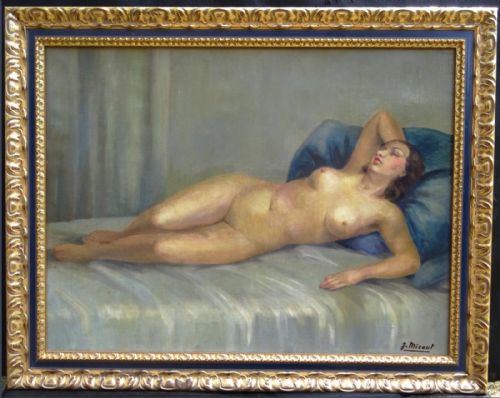
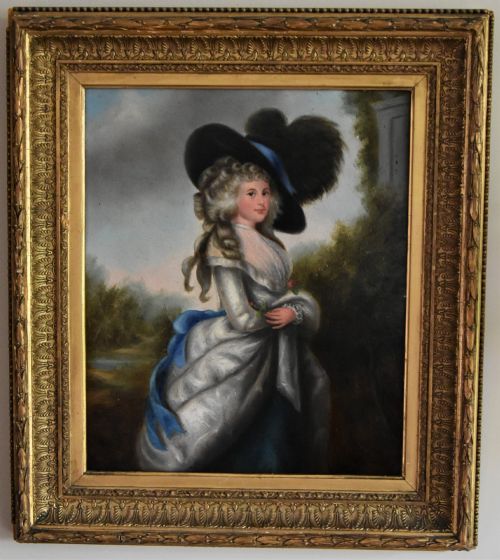
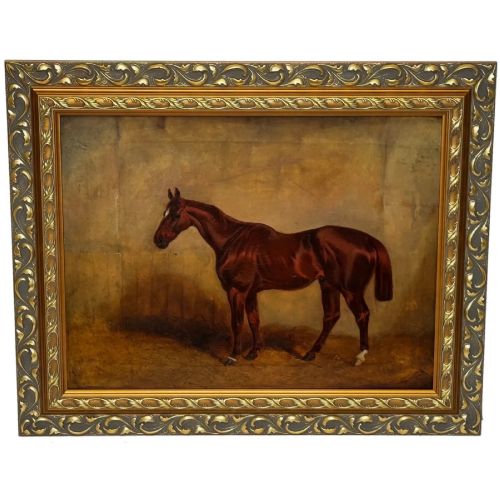
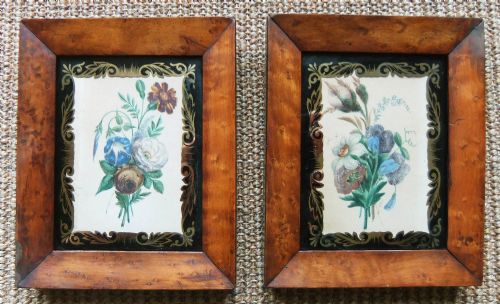
The versions met most frequently on this page include nineteenth-century watercolours of flowers and birds, oil studies of animals and portraits, and early twentieth-century figurative works. Examples stretch from Regency botanical sheets to mid-twentieth-century panels, reflecting shifting domestic tastes and academic training methods. Each item preserves a distinct moment of artistic enquiry, whether recording a market scene in Venice or capturing the posture of a racehorse in stable.
Materials and Technique
The physical makeup of these works relies on traditional supports such as paper, wood panel, canvas, and pith paper, paired with mediums like oil paint, watercolour, gouache, tempera, and pastel. Artists applied these materials with varying degrees of finish, often prioritizing spontaneity and tonal accuracy over rigid academic polish. Frames constructed from materials like giltwood or rosewood frequently accompany the works, completing the presentation of the study.
Techniques range from fluid watercolour washes and precise botanical penwork to thick impasto in oil and delicate pastel blending. The handling of the medium dictates the character of the piece, showing visible brushstrokes, pencil underdrawings, or rapid colour notes left by the maker. This direct application of pigment provides a clear record of the technical choices made during the creation of the study.
Antique Painting Study Retail Price Guide 2026
Typical asking prices for painting study among the pieces listed under this phrase on Sellingantiques today, from the lower quarter to the upper quarter. They describe what is for sale here now, not the wider market.
Listings feature works executed in oil, watercolour, gouache, tempera, and pastel on supports including paper, canvas, pith paper, and wood panel.
Defining Quality
Quality in these works rests upon the surety of the line, the sensitivity of the observation, and the vitality preserved in the brushwork. A superior study demonstrates an economy of marks that conveys movement, form, or light with immediate conviction, whereas lesser examples can lapse into stiff repetition or hesitant draftsmanship.
The relationship between the subject and the hand of the artist dictates the aesthetic success of the piece. Works that capture a convincing sense of atmosphere or anatomical truth through confident execution stand apart from routine classroom exercises or mechanical copies.
James Smetham·Carl Haag·Alfred Wolmark·Ernest Payne·Franz Bergman
The Antique Painting Study Glossary
- Gouache
- An opaque watercolour paint mixed with a gum binding agent, producing a flat, dense surface often used for botanical and figurative studies. It allows for brilliant highlights layered over darker washes.
- Tempera
- A permanent, fast-drying painting medium consisting of coloured pigment mixed with a water-soluble binder such as egg yolk. It yields a matte finish suited to detailed panel work.
- Panel
- A flat piece of wood used as a rigid support for oil or tempera paintings before canvas became dominant. Wooden panels provide a stable ground that preserves fine brushwork.
- Impasto
- The process of applying paint thickly on the canvas or panel so that the brush or palette knife marks remain prominent. This technique introduces literal texture and catches light across the surface.
- Pastel
- A dry painting medium in the form of a stick, composed of powdered pigment and a binder. It delivers intense, velvety colour that requires careful framing behind glass to prevent smudging.
Antique Painting Study: Frequently Asked Questions
What is an antique painting study?
An antique painting study is a preparatory work, sketch, or direct observation created by an artist to explore a subject, colour scheme, or composition before executing a larger finished piece. These works capture the immediate thoughts and technical trials of the creator without the formal constraints of a grand gallery commission.
Such pieces range from rapid pencil and watercolour notations of flora and fauna to oil sketches of figures and landscapes. They offer collectors a direct connection to the working methods of artists from the eighteenth century through to the mid-twentieth century.
How were painting studies used?
Artists utilised studies to record natural phenomena, test colour harmonies, and understand anatomical structures before committing to a principal canvas. A painter might produce multiple watercolours of flowers or oil sketches of horses to master specific details of light and movement.
In academic training, students and established masters alike painted or drew studies to hone their observational skills. Over time, many of these functional works came to be valued as finished pieces in their own right due to their lively execution.
How do I care for works on paper?
Works on paper, including watercolours, pastels, and gouache studies, require protection from direct sunlight and high humidity to prevent fading and foxing. Framing behind UV-filtering glass helps shield the delicate pigments from environmental damage.
Maintaining a stable indoor climate away from direct heat sources ensures that the paper support remains supple. Archival mounting materials prevent acid transfer and preserve the longevity of the piece.
How can I tell periods apart?
Distinguishing between periods involves examining the paper stocks, canvas types, framing styles, and the underlying artistic conventions of the work. Eighteenth-century and Regency pieces often feature specific muted palettes and soft botanical arrangements, while Victorian and Edwardian works show shifts toward heavier impasto or detailed narrative realism.
Stylistic cues, such as the distinctive dress of portrait subjects or the framing materials like rosewood and giltwood, provide further chronological markers. Comparing the handling of the medium to established historical practices clarifies the likely era of creation.