
Antique Painting Floor Stand
An antique painting floor stand serves to display artwork or hold timepieces and lamps firmly upon the floor.
Antique Painting Floor Stand
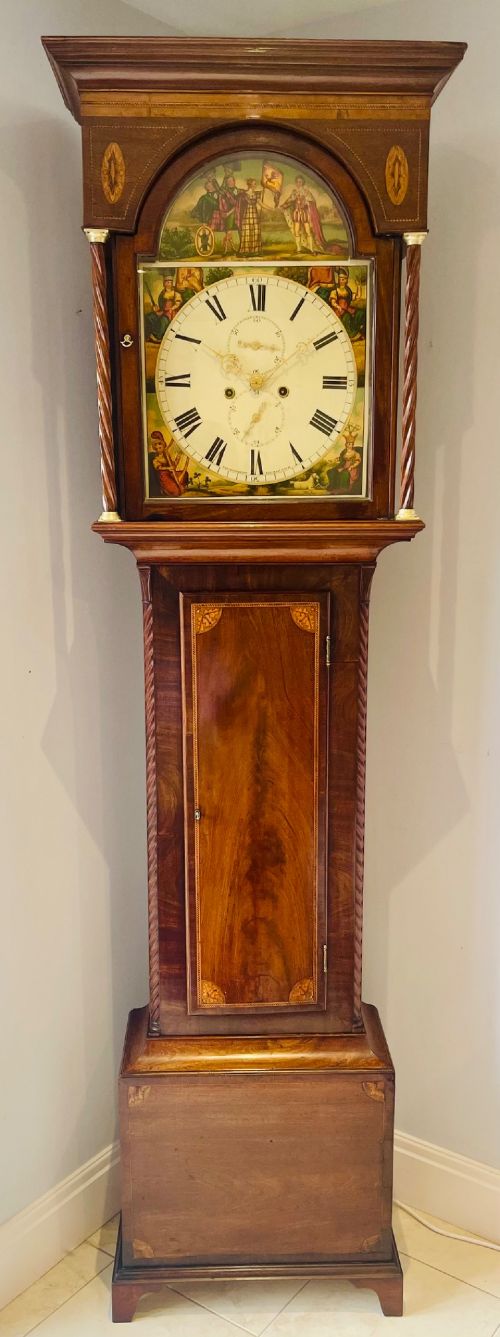
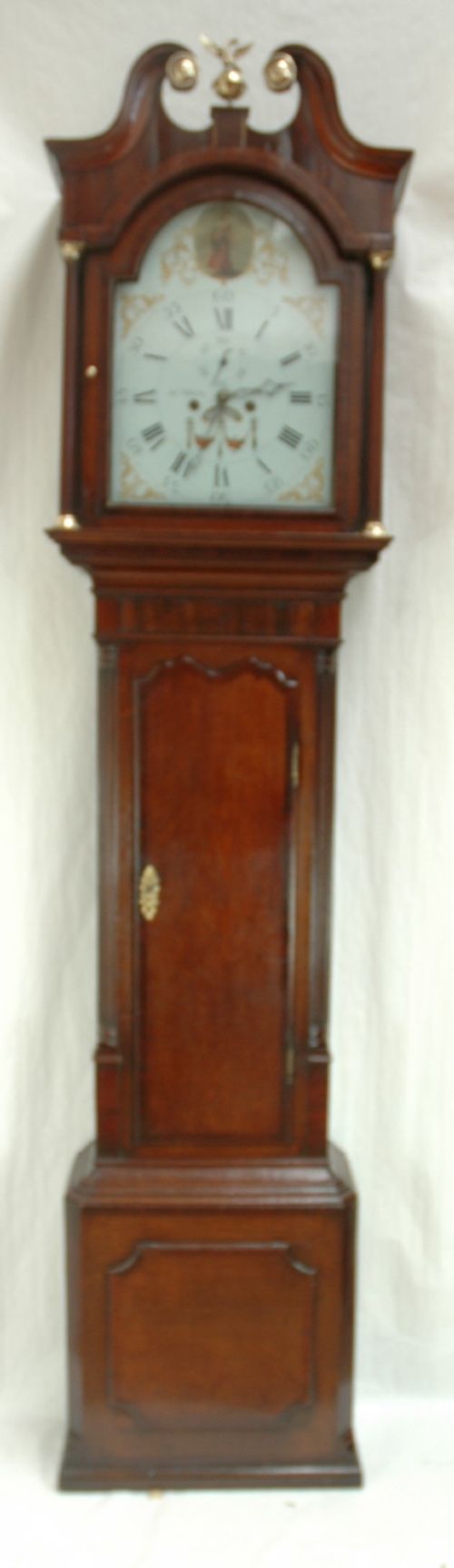
The phrase antique painting floor stand covers heavy floor-standing easels designed for artists as well as standard lamps, mirrors and tall clocks framed in wood or brass. Pieces originating from the Georgian, Victorian and Edwardian eras dominate the selection, alongside items from the 1930s.
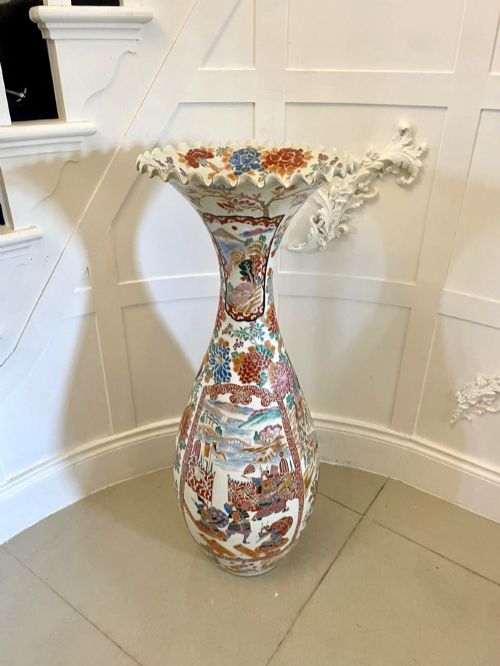
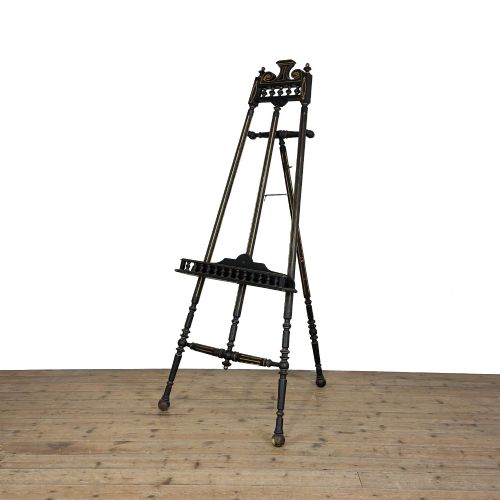
Artists' studio easels constructed from oak, mahogany and pitch pine appear frequently alongside decorated lamp standards and lacquered Chinoiserie furniture. Buyers encounter substantial pine and oak framework built for studio use, together with domestic display pieces.
Cabinet makers and joiners produced these items to support heavy canvases or illuminate rooms using brass fittings and glass elements. The selection bridges functional studio equipment and domestic furnishings from the eighteenth, nineteenth and twentieth centuries.
Materials and construction methods
Craftsmen utilised solid timbers such as mahogany, oak, walnut and pitch pine to build sturdy frames capable of withstanding daily studio or domestic use. Metal components like brass adjustments and iron brackets provided mechanical strength for movable easel mechanisms and standard lamps.
Surface treatments included hand-applied lacquer, gold leaf, paint and traditional French polishing over wood. Joinery techniques relied on pegged mortise and tenon joints for structural rigidity in large artist easels and tall clock cases.
Listings feature items from the Georgian, Victorian, and Edwardian periods, alongside 1930s pieces.
Factors determining quality
Quality rests on the selection of timber grain, the precision of carved ornamentation, and the integrity of mechanical adjustments on functional studio pieces. Dense flame mahogany or figured oak indicate superior cabinet making compared to plain utility timber.
The survival of original surface finishes, hand-painted Chinoiserie decoration, and functional brass winding or winding keys elevate a piece. Robust winding mechanisms in longcase clocks and smoothly operating winch systems on artist easels distinguish finer examples from standard workshop output.
John Fielder of Alton·Hendrie Ogg Dunfermline·Rickards Wotton Under Edge·D Williams of Crickhowell·Edward Shepley of Manchester·Thomas Webbe of New Quay
The Antique Painting Floor Stand Glossary
- Easel
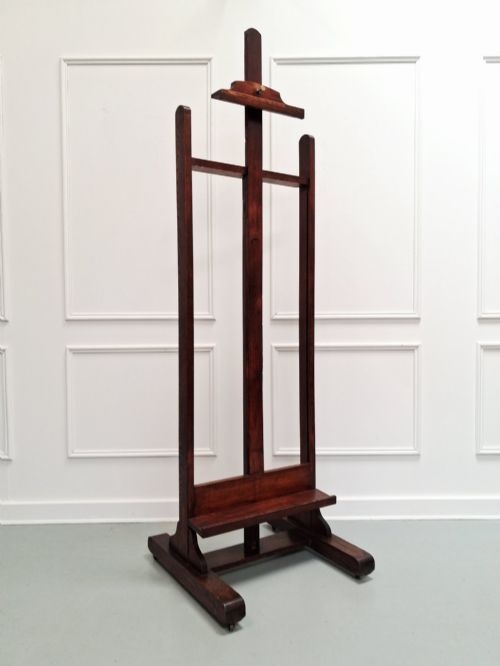
- A upright support used for holding an artist's canvas while painting or for displaying a finished work. These items range from heavy studio models with winding handles to lighter display stands.
- Chinoiserie
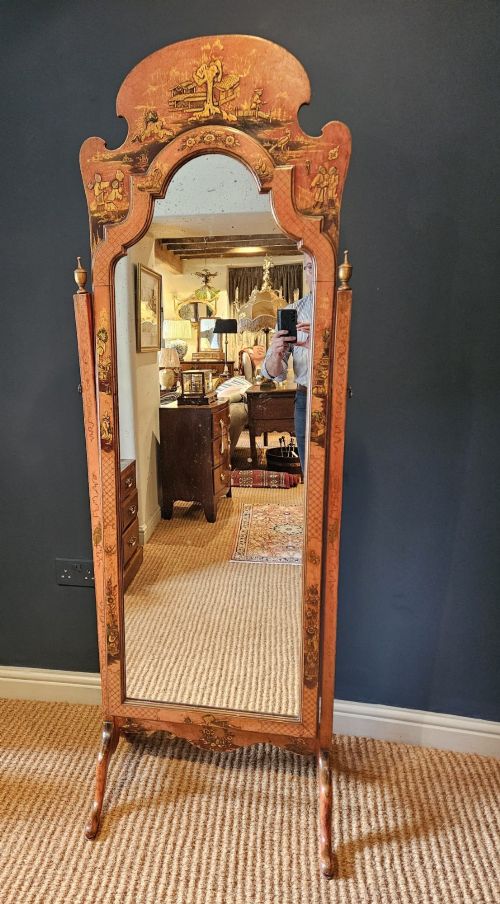
- European decorative style in the Chinese taste, typically featuring hand-painted lacquered surfaces and gilt motifs. This style appears on standard lamps, mirrors and clock cases.
- Longcase clock
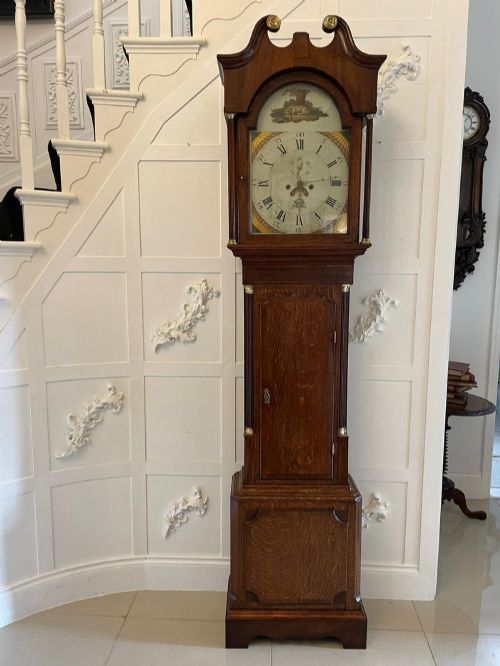
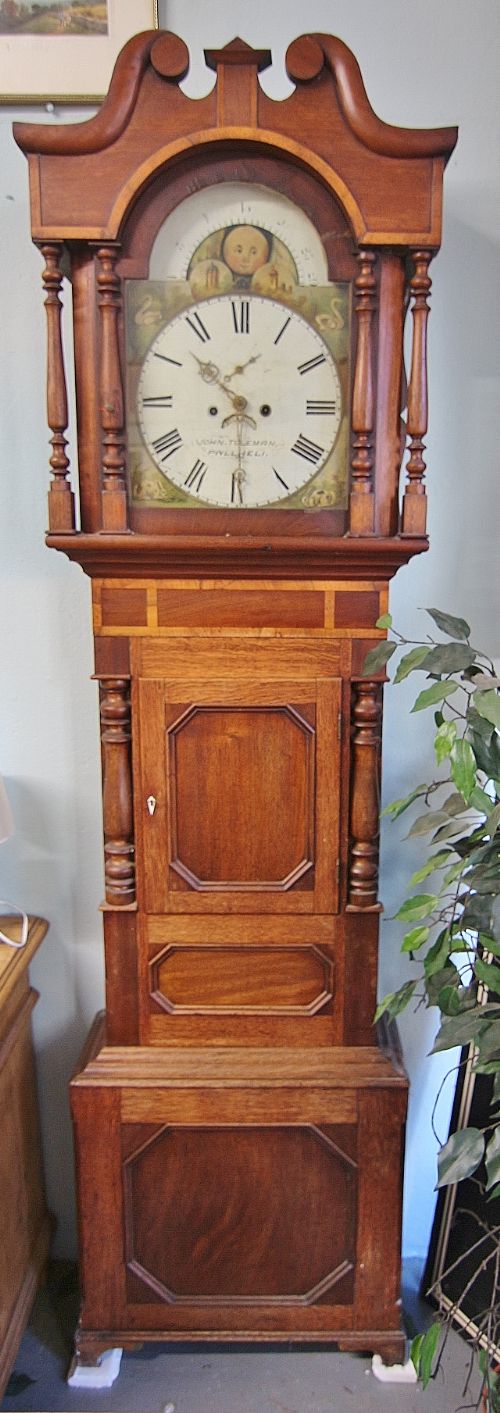
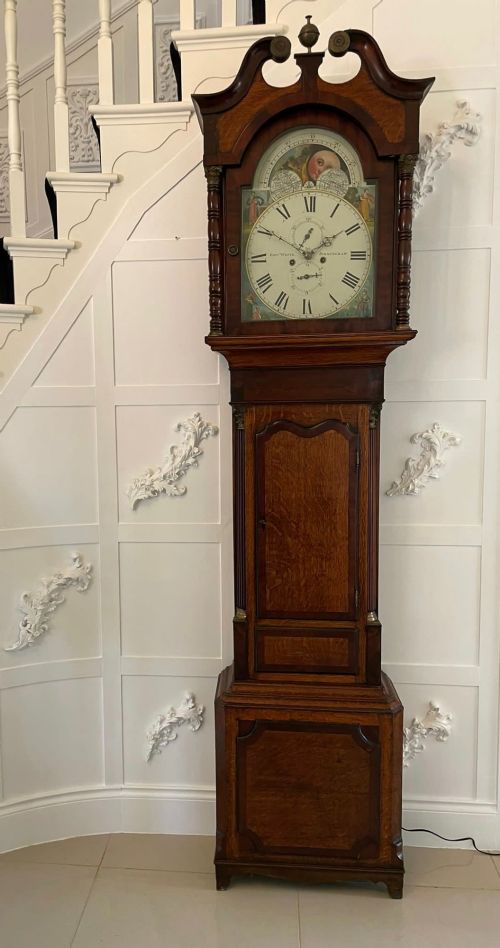
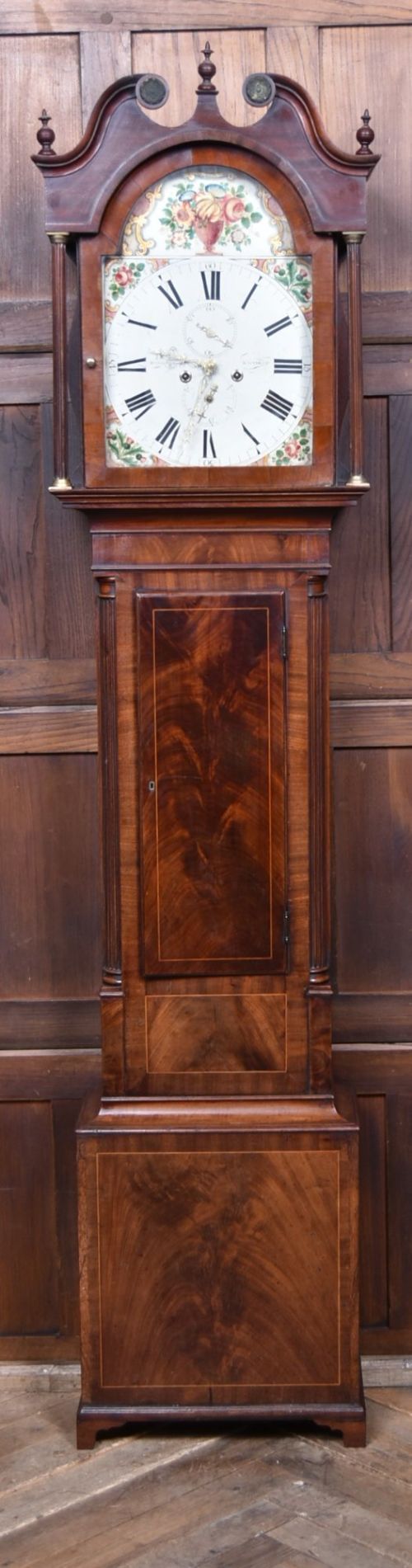
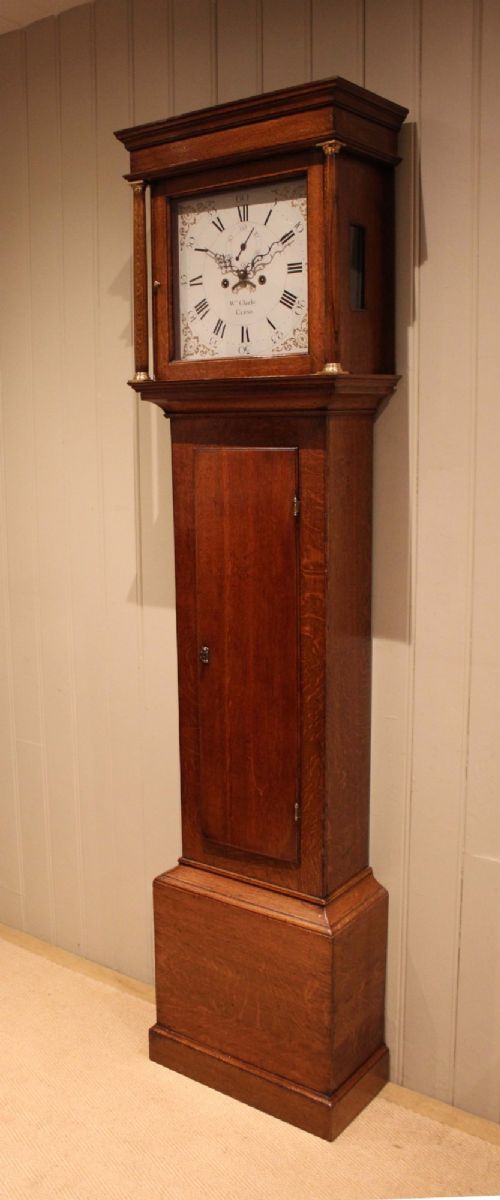
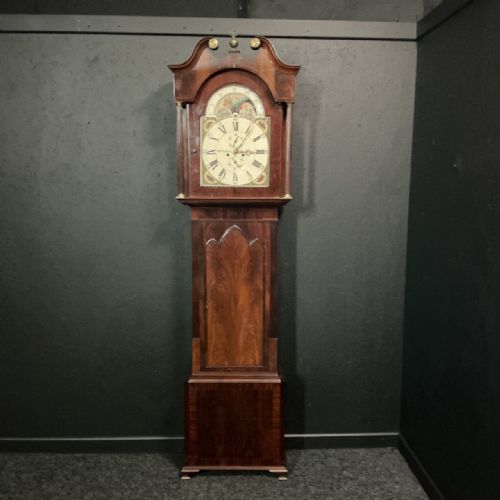
- A tall pendulum clock enclosed in a wooden case standing directly on the floor, frequently referred to as a grandfather clock. Movements are driven by weights suspended by cords or chains.
- Standard lamp
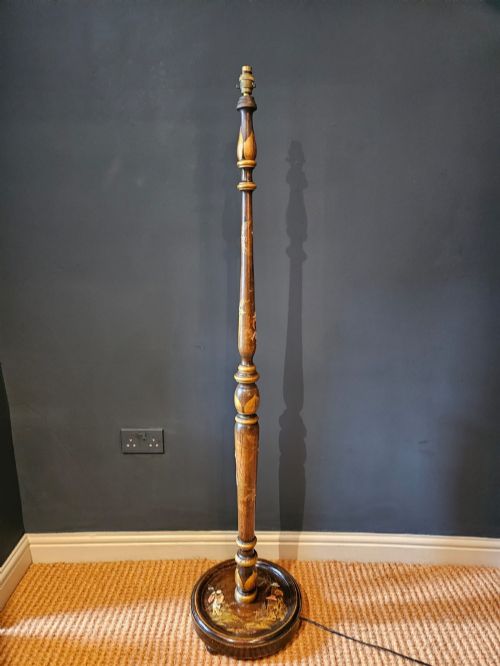
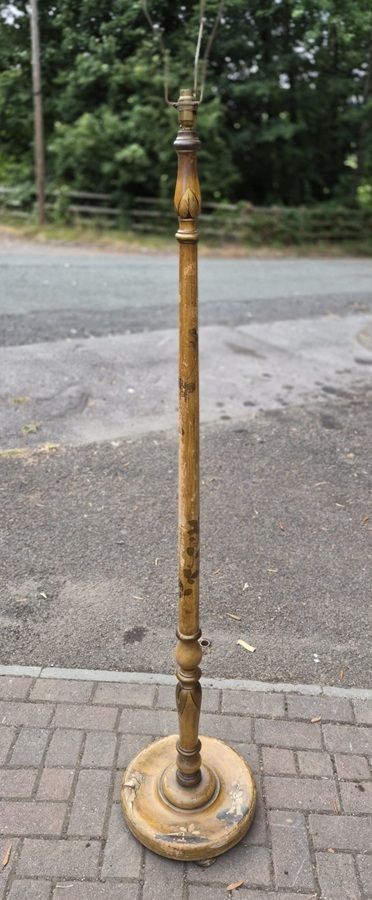
- A tall floor-standing lamp designed to illuminate a room from a vertical post resting on a weighted base. Examples often match period interior joinery.
- Cheval mirror
- A large freestanding full-length mirror hung in a frame that allows it to tilt. These swing plates permit the glass to rotate between vertical supports.
Antique Painting Floor Stand: Frequently Asked Questions
What is an artist studio easel used for?
An artist studio easel holds canvases upright at a comfortable working height for painters in a studio setting. These heavy wooden frames often include adjustable winding mechanisms to alter the height of the painting surface.
Built from robust timbers like oak and mahogany, they provide the structural stability required for large canvases. Many feature wheels or heavy bases to allow repositioning across a wooden floor.
How do I identify a Georgian longcase clock?
Georgian longcase clocks feature tall wooden cases housing brass clock movements and pendulum systems, often displaying the maker's name on the dial. Mahogany and oak dominate these eighteenth-century floor-standing timepieces.
They stand directly on the floor and frequently incorporate moon dials or calendar rings on the face. The joinery reflects the cabinet-making standards of the Georgian period.
What is a Chinoiserie standard lamp?
A Chinoiserie standard lamp is a tall floor-standing lamp decorated with painted oriental motifs on a lacquered background. These pieces reflect the European fascination with Asian art styles during the Edwardian era and the 1930s.
The vertical wooden post rests on a stable base and carries electrical fittings or candle holders at the top. The surface finish relies on hand-applied lacquer and gilt detailing.
Are these easels still adjustable?
Most antique floor standing easels retain their original wooden ratchets, pegs or metal winches for adjusting height. These mechanical parts allow the central carriage to move up and down.
Buyers should check that the mechanical components operate smoothly without excessive wear. The brass and iron fittings support the weight of heavy canvases during adjustment.
How do I care for lacquered wood?
Lacquered wood surfaces require gentle cleaning with a soft, dry cloth to remove dust without damaging the finish. Avoid harsh chemical cleaners or excessive moisture that can lift old lacquer or paint.
Keep these pieces away from direct sunlight and dramatic temperature shifts to prevent wood splitting or paint cracking. Occasional light waxing protects the underlying finish.