
Antique Painted Seating
Antique painted seating brings colour and character to a room through centuries of woodwork, iron, and applied pigments.
Antique Painted Seating
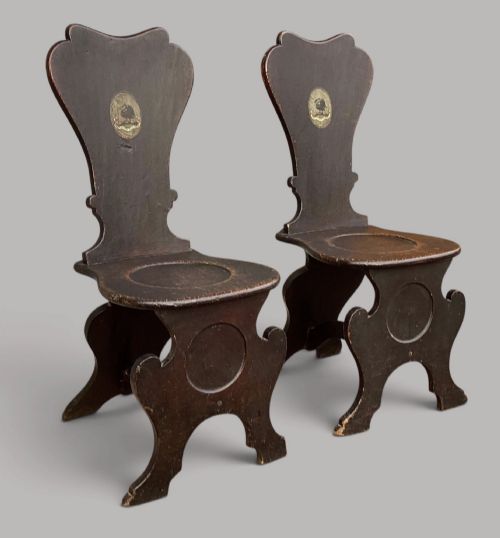
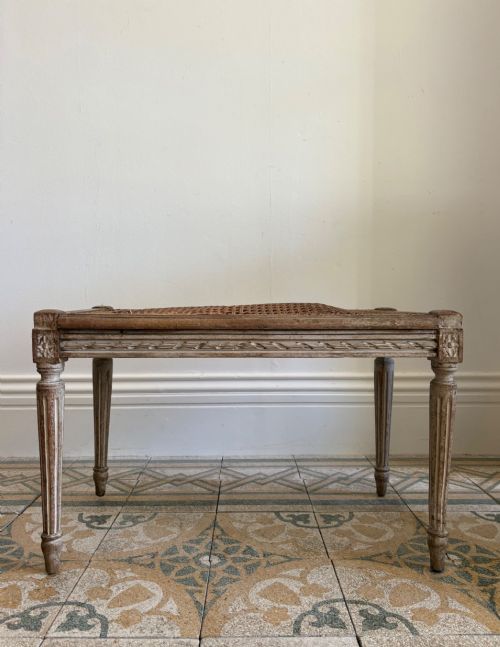
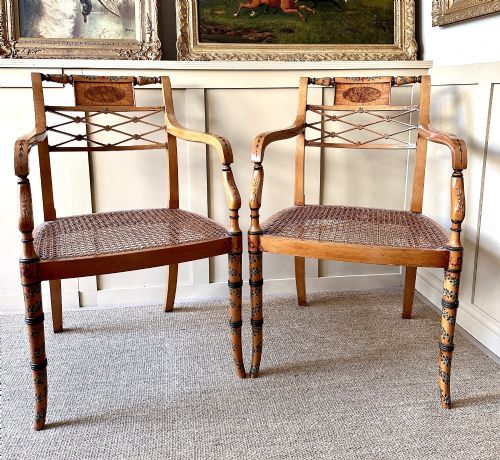
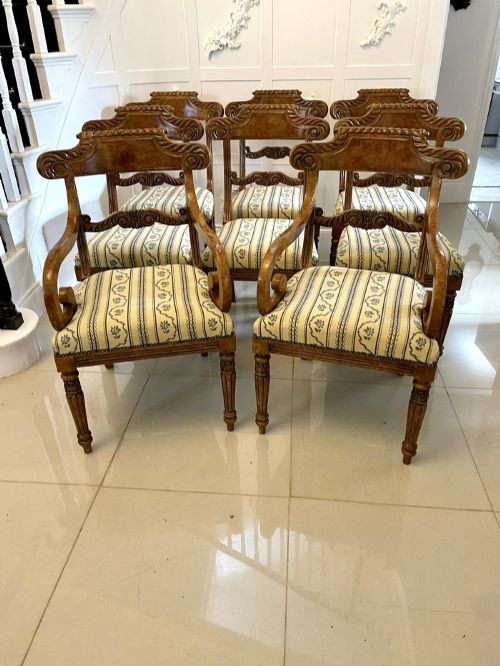
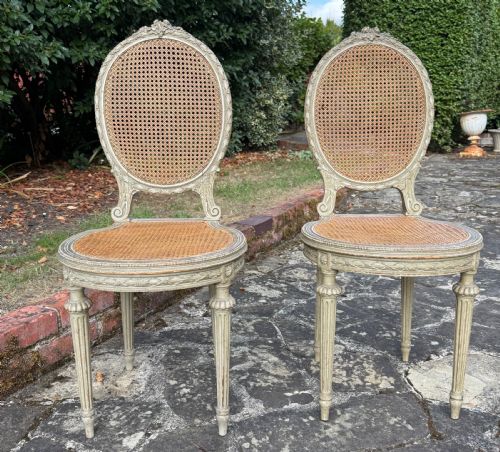
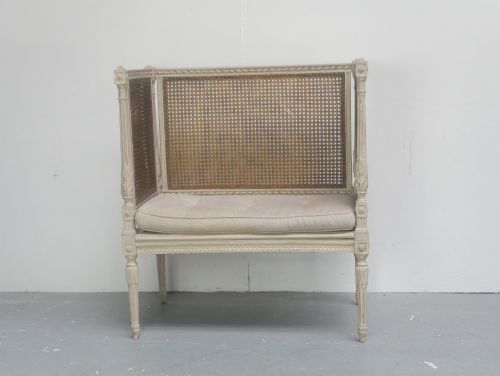
When you examine antique painted seating, you encounter a diverse range of furniture including armchairs, side chairs, benches, window seats, and stools spanning the eighteenth, nineteenth, and early twentieth centuries. These pieces cross various regional styles, from English Regency and Georgian designs to French Louis style, Swedish Gustavian, and rustic country forms.
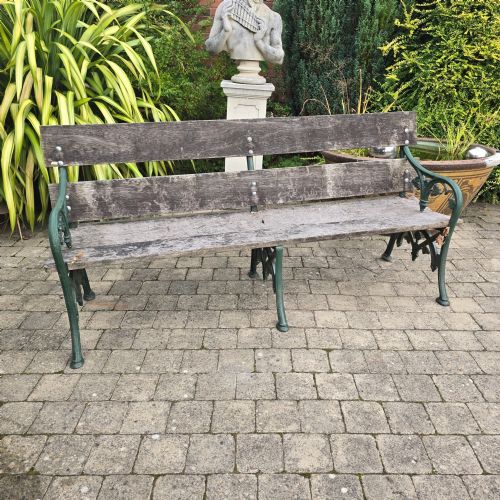
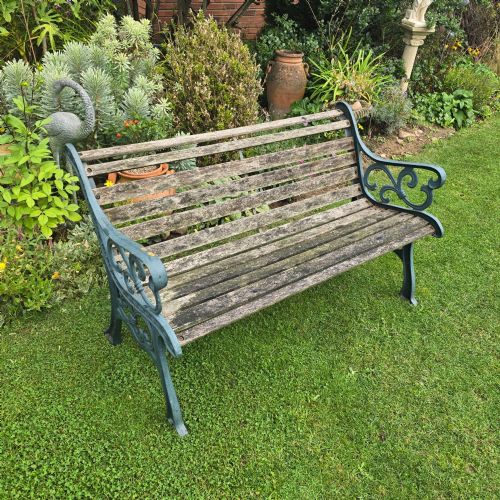
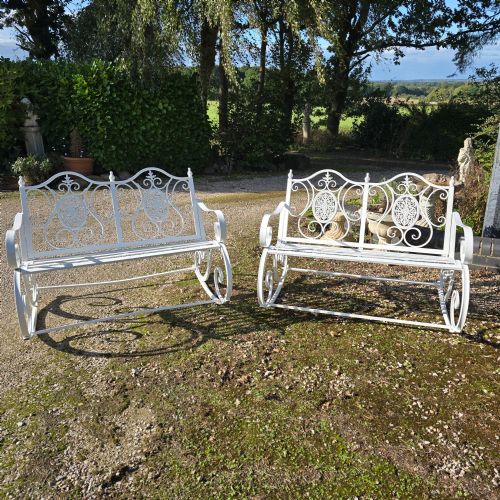
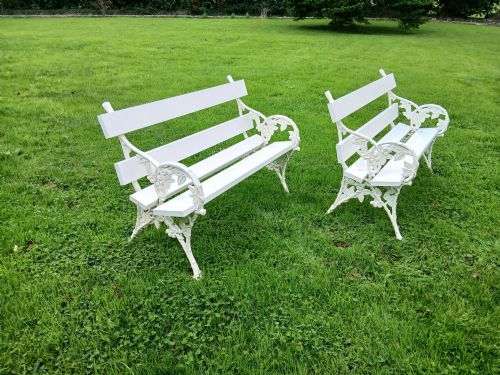
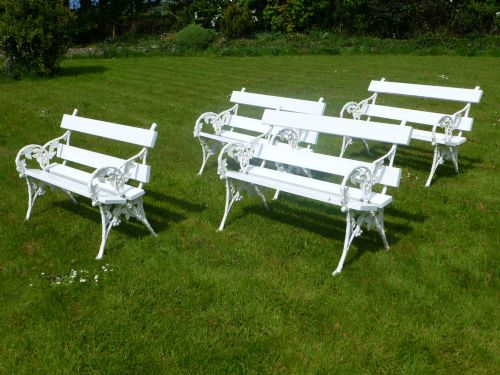
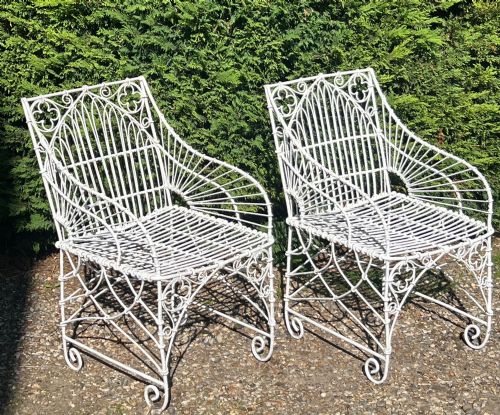
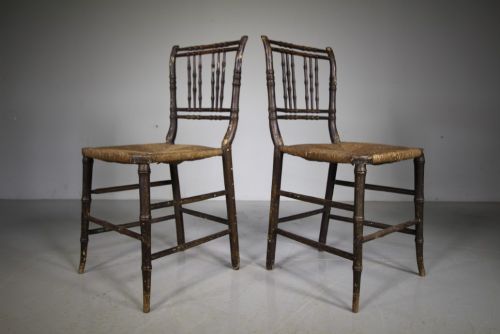
The version you are most likely to meet on this page is the nineteenth century wooden or cast iron chair, often bearing remnants of original paint, parcel gilt, or decorative surface finishes. Alongside interior chairs, the selection includes robust garden benches and sets designed for outdoor use in cast iron and painted wood.
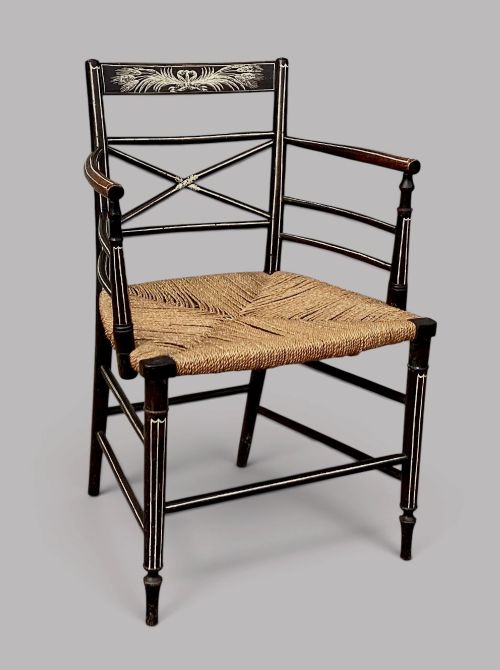
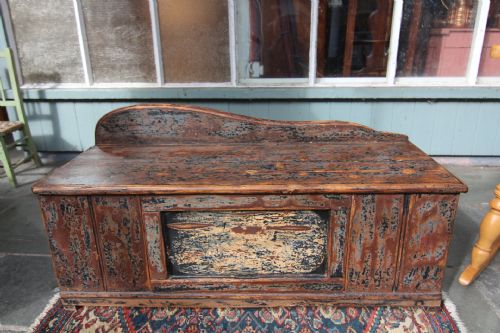
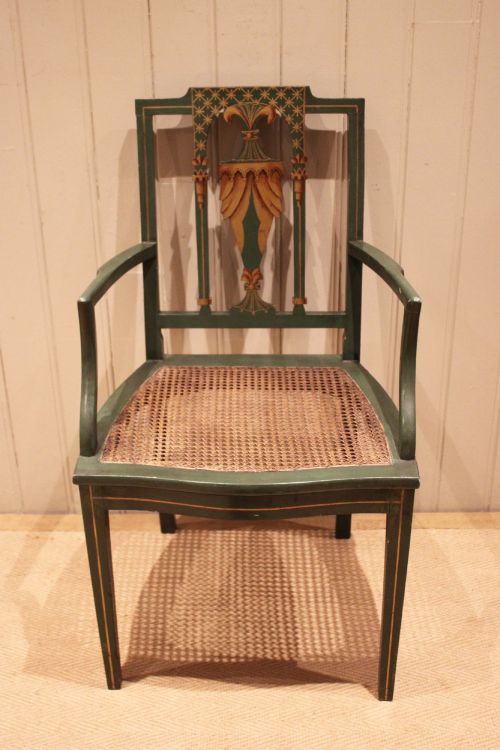
Makers and foundries such as Carron Foundry appear among the listings, alongside specific regional pieces like English pine window seats and continental stools. The forms range from simple farmhouse benches to elaborate caned armchairs and parcel-gilt seating.
Materials and construction methods
Construction relies heavily on traditional timber framing in pine, satinwood, and oak, alongside cast iron for durable outdoor garden seating. Wood components are joined using period techniques to support caned panels, upholstered silk or tapestry seats, and fabric pads.
Surface decoration involves direct application of paint, gold leaf, and parcel gilding over wood or metal bases. Many items preserve original painted finishes that show patination and wear accumulated over decades of use.
Several iron garden benches incorporate blackberry and leaf patterns directly into their cast metal frames.
Distinctions in quality and finish
Quality rests on the survival of original surface finishes and the integrity of the underlying structure, whether carved timber or moulded cast iron. Pieces retaining untouched period paintwork and authentic gilding hold greater decorative presence than later or heavily restored surfaces.
Refinement in design - such as the crisp detailing on cast iron botanical benches or the balanced proportions of Regency caned chairs - separates standard utility furniture from sophisticated examples.
Carron Foundry·Miles and Edwards·Franz Bergman
The Antique Painted Seating Glossary
- Parcel Gilt
- Partial gilding applied to highlights of carved wood or metalwork. This technique emphasises specific decorative motifs like framing lines or foliage.
- Caned
- Woven rattan or split cane used for seats and back panels. It provides a lightweight, flexible surface common in period chairs.
- Gustavian
- The Swedish interpretation of neoclassical style, characterised by pale painted finishes and restrained symmetry. It dates predominantly to the late eighteenth and nineteenth centuries.
- Strapwork
- Flat ornamental bands arranged in geometric patterns. It appears frequently on metal garden benches and Regency furniture.
- Bergere
- A closed-arm upholstered armchair with wooden framing. The sides are typically filled with cane or upholstery.
Antique Painted Seating: Frequently Asked Questions
How do I clean antique painted chairs?
Dust surfaces gently with a soft, dry cloth to protect the underlying painted finish from damage.
Avoid liquid cleaners or abrasive materials that might lift or dissolve aged pigments and original binders.
Can cast iron garden benches stay outside?
Cast iron benches tolerate outdoor placement well due to their heavy metal construction.
Monitor for weathering and rust spots, moving delicate pieces under cover during harsh winter months.
Are caned seats durable for daily use?
Caned seating offers flexibility and strength when the woven material remains tight and intact.
Protect the cane from sharp objects and excessive weight to prevent snapping or sagging over time.
What does original paint signify?
Original paint indicates that the surface coating has not been stripped or repainted in a later era.
This preservation retains the authentic colour palette and historical character intended by the maker.