

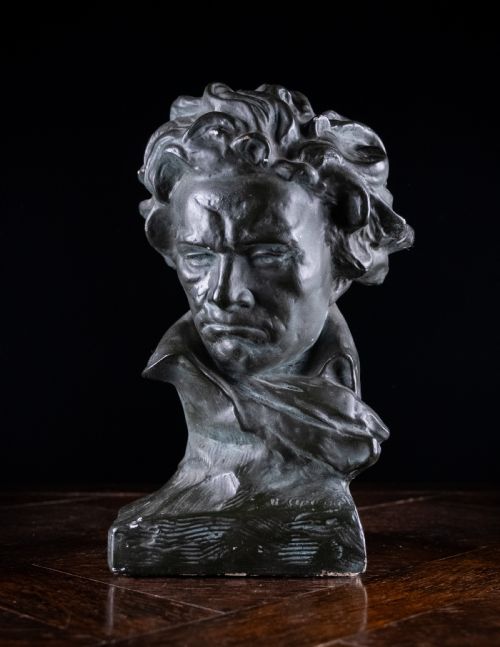


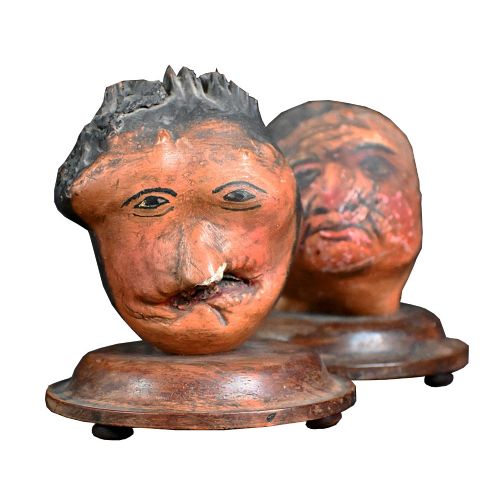

Antique Painted Portrait Bust
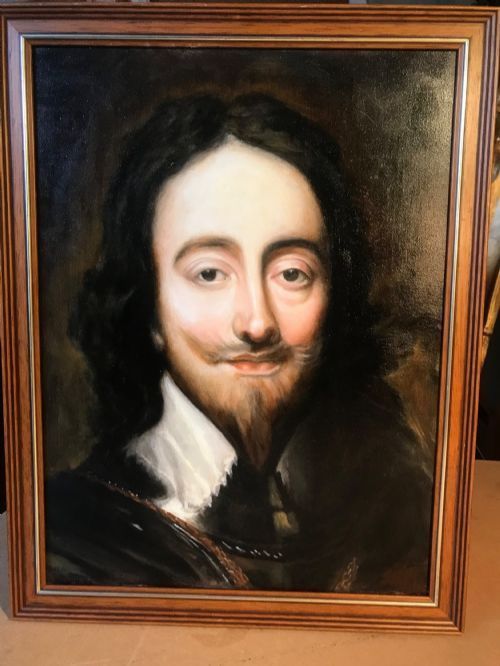
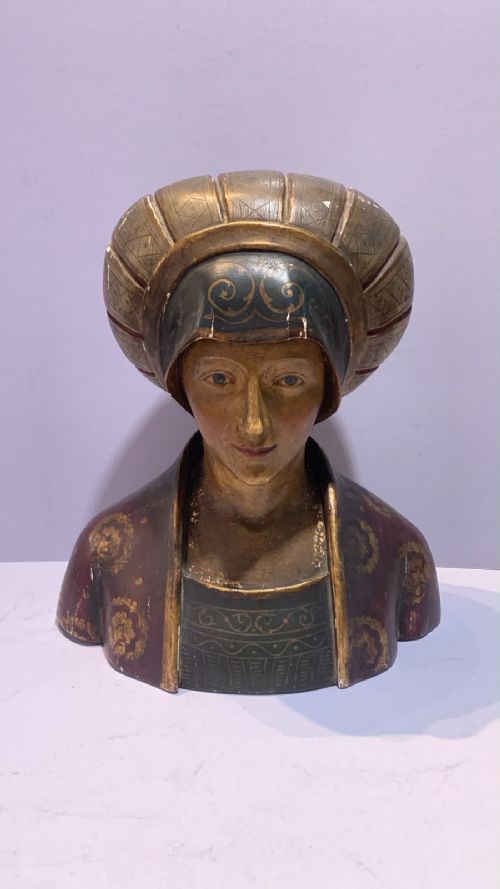
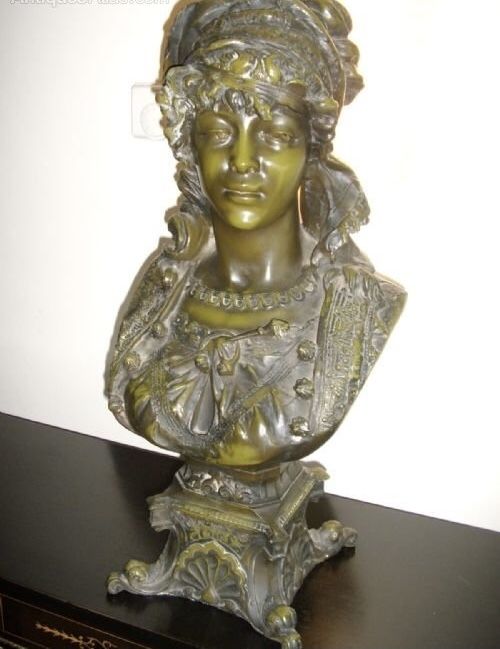
An antique painted portrait bust captures personality in three dimensions, bringing historic subjects into a room with striking presence.
Antique Painted Portrait Bust
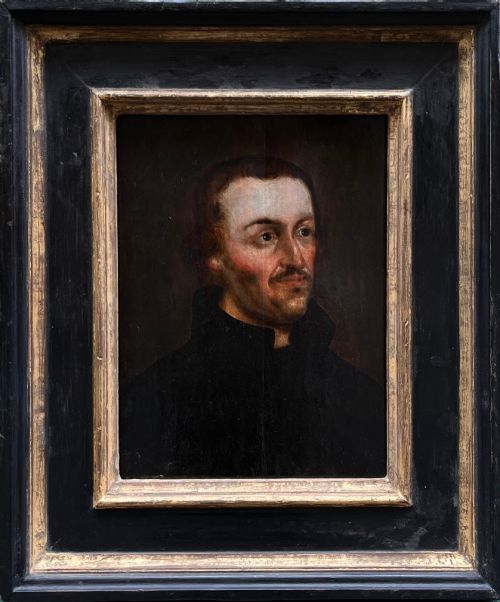
When you search for an antique painted portrait bust, you encounter sculptural likenesses rendered in plaster, terracotta, and ceramic, alongside flat oil paintings depicting head and shoulder subjects. The most frequent examples span the seventeenth century through the early twentieth century, encompassing grand tour subjects, classical women, historical figures, and named individuals.
The selection ranges from neoclassical and baroque interpretations to nineteenth-century folk art heads and art nouveau ceramic pieces. These works bridge painting and sculpture, utilising pigments to bring depth and character to moulded or carved forms.
Materials and construction
Plaster and terracotta form the structural core of many sculptural examples, shaped into moulds or modelled by hand before receiving layers of surface paint. Oil paint on canvas or panel provides the medium for two-dimensional portrait counterparts recorded across the inventory.
Listings include works executed in oil paint, plaster, terracotta, and gold leaf, spanning the seventeenth to the twentieth century.
Assessing quality
The degree of anatomical precision and the sensitivity of the facial modelling dictate the visual success of a sculptural bust. Painted surfaces demonstrate skill through the careful rendering of skin tones, expression, and ageing without appearing flat.
Provenance and attribution elevate certain pieces, particularly those linked to known European schools or circles of prominent portraitists. The preservation of original surface paint without heavy modern restoration remains central to the integrity of each piece.
Anthony Van Dyck·Ernst Whaliss·Lemuel Francis Abbott·Sir Joshua Reynolds
The Antique Painted Portrait Bust Glossary
- Grand tour
- A cultural journey undertaken by wealthy young Europeans through France and Italy, which inspired the acquisition of classical portrait busts. These souvenirs often replicated notable antique sculptures.
- Polychrome
- The practice of decorating sculptural works in a variety of colours. This technique enhances the lifelike quality of plaster and terracotta portraits.
- Terracotta
- Fired clay used for sculptural modelling, valued for its ability to retain fine details before being painted or patinated. It offers a warm, earthy undertone beneath surface pigments.
- Baroque
- An artistic style characterised by drama, rich detail, and movement, visible in seventeenth-century portraiture. It emphasises strong emotion and theatrical lighting.
Antique Painted Portrait Bust: Frequently Asked Questions
How should I display a plaster bust?
Place the piece on a stable mantelpiece, console, or dedicated column away from direct sunlight and excessive moisture. Plaster benefits from stable indoor climates to prevent surface cracking.
Ensure the supporting surface balances the weight securely, as materials like terracotta and plaster are heavy and vulnerable to tipping.
What periods do these busts represent?
The pieces span from the seventeenth century through the Victorian era and into the early twentieth century. Styles range from baroque and neoclassical to art nouveau.
Earlier examples often reference classical antiquity or historical figures, while later nineteenth and twentieth-century works include named sitters and decorative subjects.
How do I clean a painted surface?
Dust the surface gently with a soft, dry brush or a microfiber cloth without applying pressure. Avoid using water, solvents, or household cleaning sprays on painted plaster or canvas.
Professional conservators should handle any stubborn grime to prevent removing historic oil paint or polychrome layers.
Are these pieces signed by the artist?
Some sculptures and paintings bear signatures, foundry stamps, or inscriptions noting the sitter and date. Others remain attributed to specific schools or circles based on style.
Unsigned works are common, particularly among grand tour pieces and nineteenth-century folk art creations.