




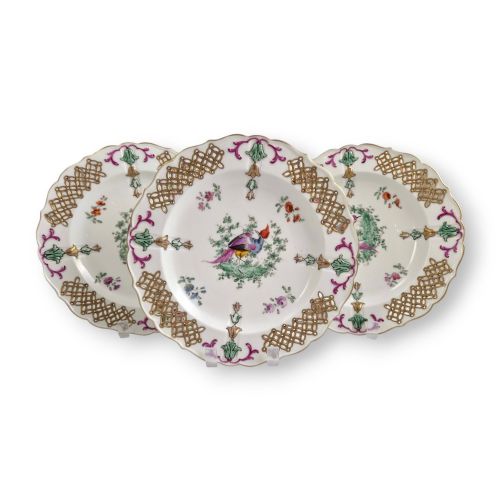
Antique Painted Porcelain
When seeking antique painted porcelain, collectors encounter delicate wares adorned with hand-applied pigments, gilding, and intricate glazes across centuries of production.
Antique Painted Porcelain
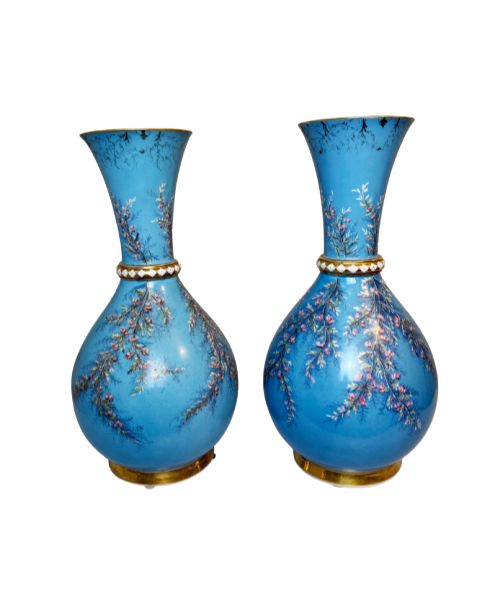
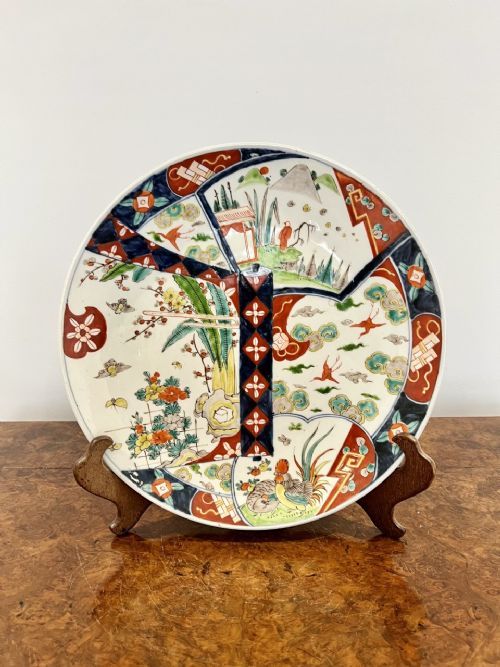
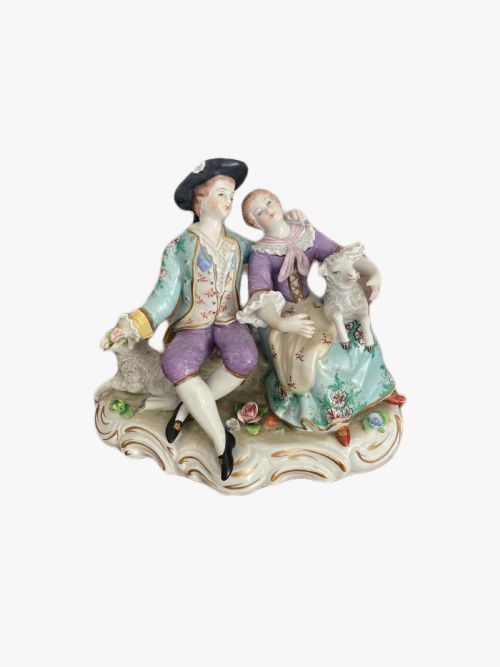
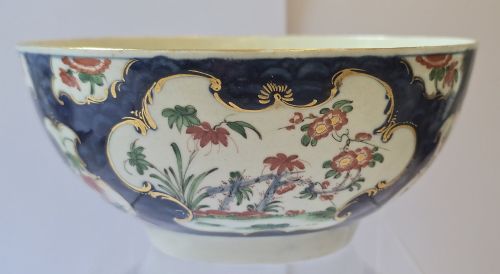
Antique painted porcelain encompasses a diverse array of decorative and utilitarian objects, ranging from Georgian teacups and Regency vases to Victorian plaques and Chinese export dishes.
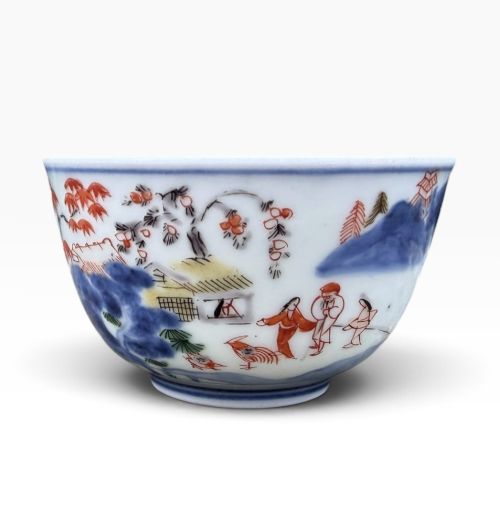
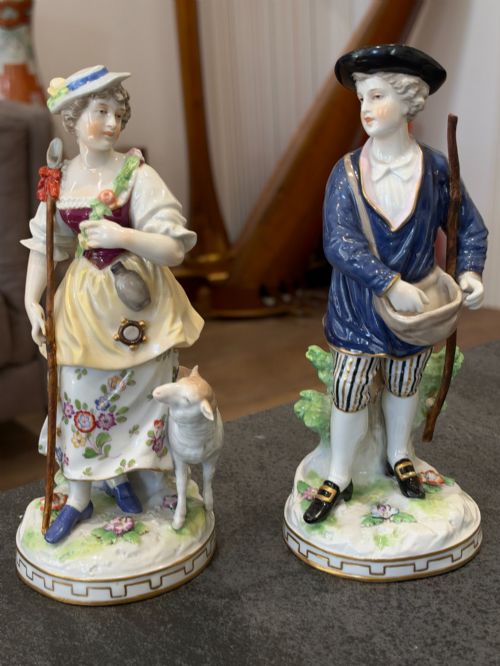
The pieces appearing on this page span several centuries, with prominent representation from English factories such as Worcester, Derby, and Spode, alongside continental European makers and East Asian workshops.
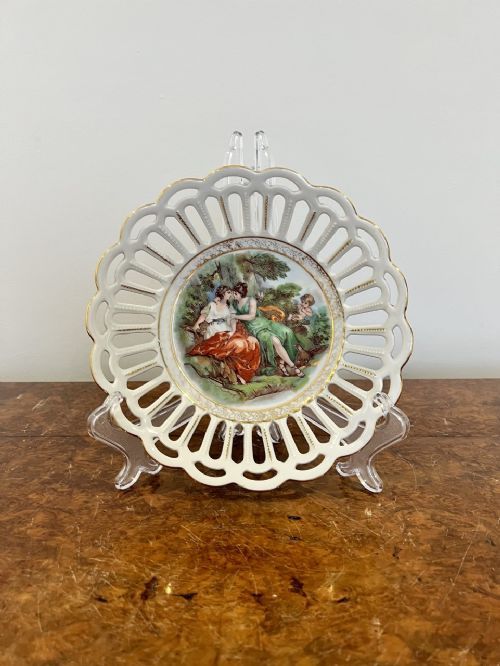
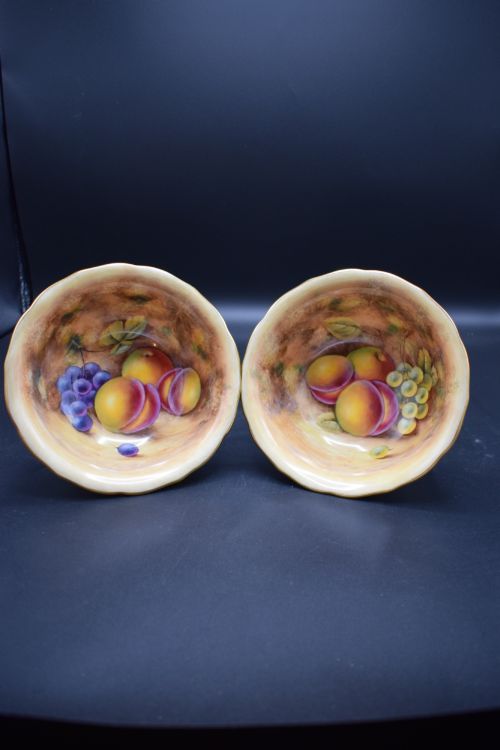
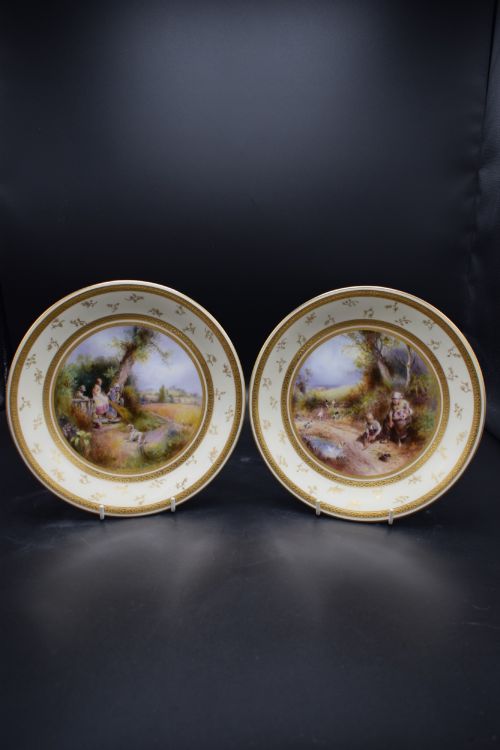
Forms include vases, plates, dishes, chocolate cups, inkstands, and plaques, reflecting the varied domestic and decorative uses of porcelain through the eighteenth, nineteenth, and early twentieth centuries.
How they were made
Makers formed porcelain bodies from fine ceramic paste before firing, applying underglaze pigments or overglaze enamels by hand to build up detailed figurative, floral, or abstract designs.
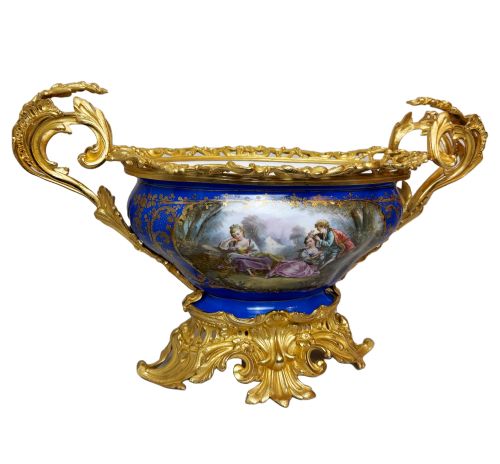
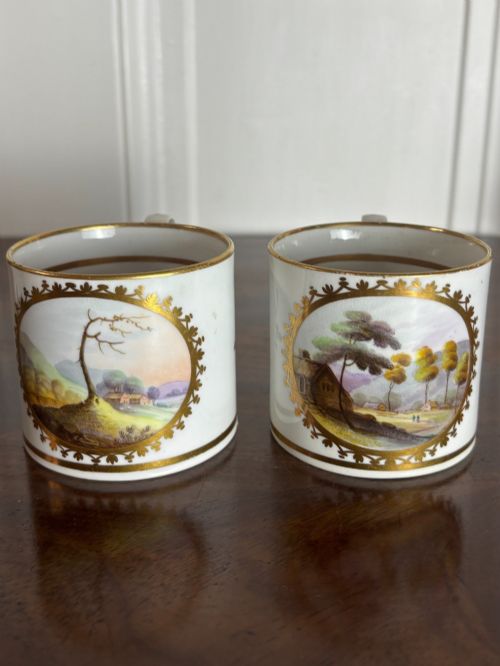
Many items incorporate gold leaf, gilding, or gilt accents to highlight rims, handles, and panel borders, often requiring secondary kiln firings to fix the metallic elements to the glaze.
Antique Painted Porcelain Retail Price Guide 2026
Typical asking prices for painted porcelain among the pieces listed under this phrase on Sellingantiques today, from the lower quarter to the upper quarter. They describe what is for sale here now, not the wider market.
One cheerful Japanese dish takes the literal form of a leaf, bringing a touch of the garden directly to the table.
What varies in quality
The standard of antique painted porcelain depends heavily on the skill of the ceramic painter, with professional studio artists and named decorators achieving finer brushwork and more harmonious colour palettes than anonymous factory workers.
The crispness of the porcelain moulding, the stability of the glaze during firing, and the richness of the applied overglaze enamels and gilding distinguish standard production pieces from exceptional works.
James Giles·Flight Barr and Barr·Derby Porcelain·New Hall Porcelain·Minton Porcelain·KPM Berlin·Edme Samson
The Antique Painted Porcelain Glossary
- Overglaze enamel
- Pigments applied on top of the fired glaze and subjected to a lower temperature kiln firing to fuse the colours.
- Gilding
- The application of gold leaf or powdered gold onto the porcelain surface for decorative enrichment.
- Campana
- A classical bell-shaped vessel form frequently utilised for Regency and Victorian porcelain vases.
- Famille rose
- A palette of Chinese porcelain enamels dominated by opaque pink or rose colours, introduced during the eighteenth century.
- Pâte-sur-pâte
- A method where successive layers of liquid ceramic slip are built up on a coloured body to create a low relief cameo effect.
Antique Painted Porcelain: Frequently Asked Questions
How do I clean antique painted porcelain?
Wash pieces by hand in warm water using a mild, non-abrasive detergent.
Avoid soaking items with metallic gilding or overglaze enamels to prevent surface degradation.
What is the difference between hard-paste and soft-paste porcelain?
Soft-paste porcelain contains glass frit and white clay, resulting in a warmer tone and a softer glaze that was common in early English factories.
Hard-paste porcelain uses true petuntse stone and kaolin clay, producing a denser, vitrified body that resists scratching.
How can I identify the date of a porcelain piece?
Examine factory base marks, pattern numbers, and stylistic cues such as Regency shapes or Victorian plaque mounts.
Comparing the painting technique to documented examples from specific ceramic studios helps narrow down the production period.
Can I use antique porcelain for serving food?
Most antique painted porcelain is intended for display or collection rather than daily culinary use.
Historical glazes and overglaze enamels can wear down or react to acidic foods over time.