
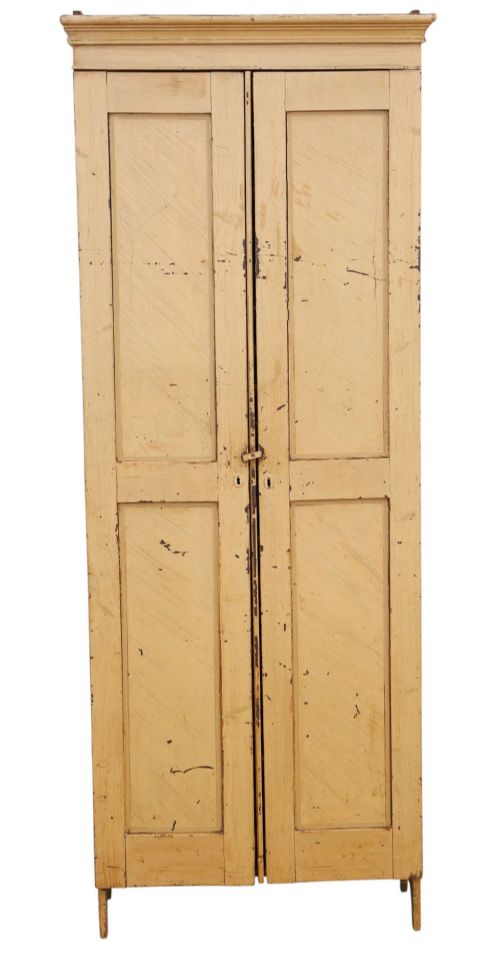
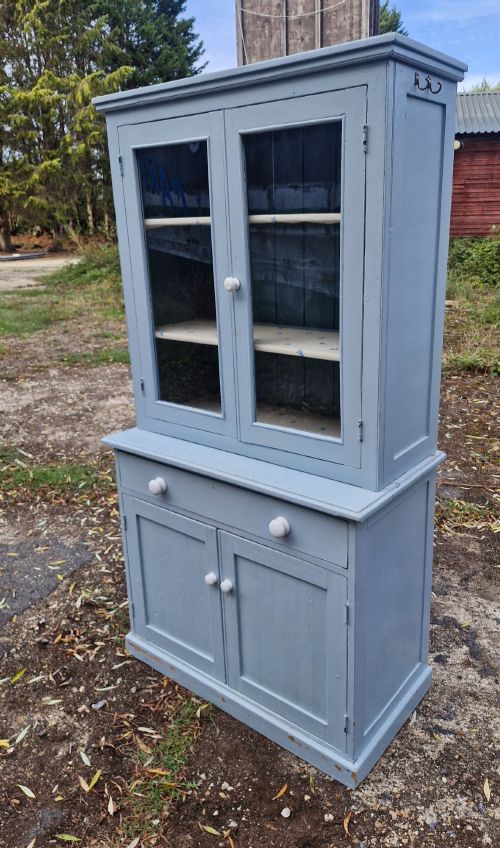
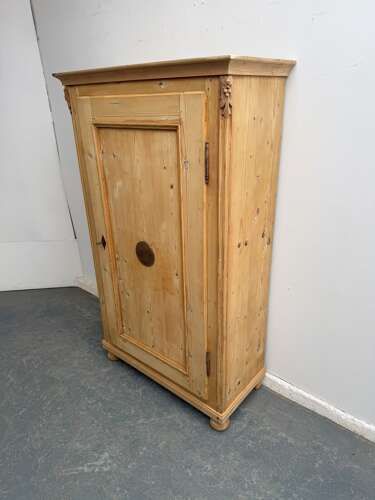
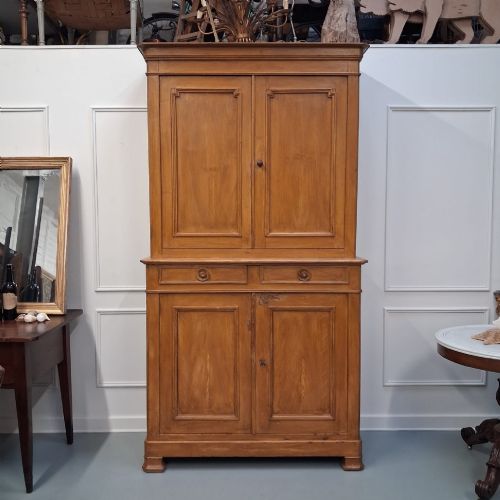
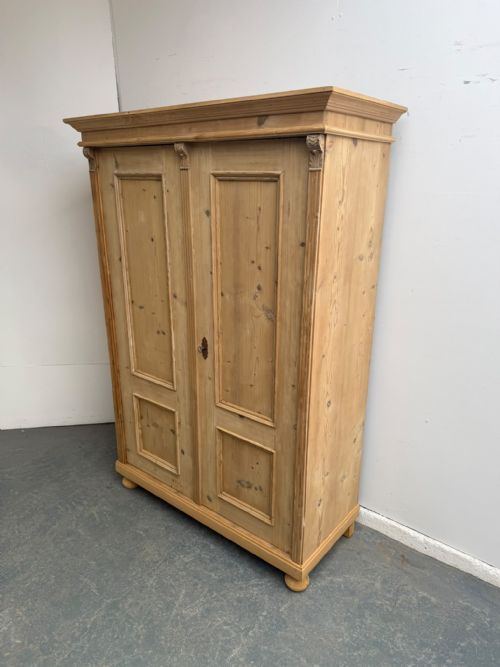

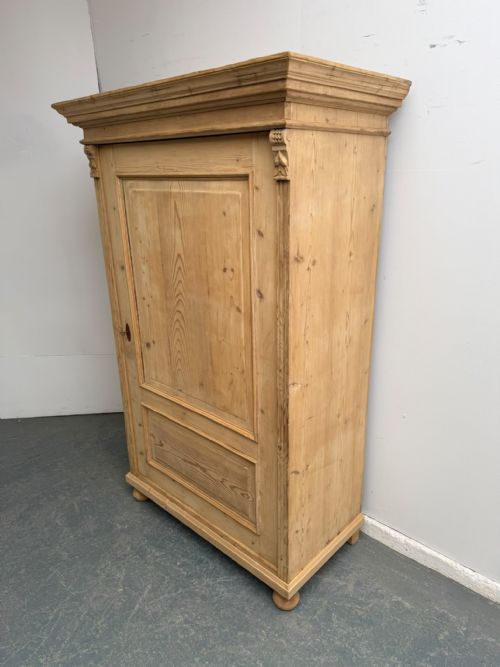
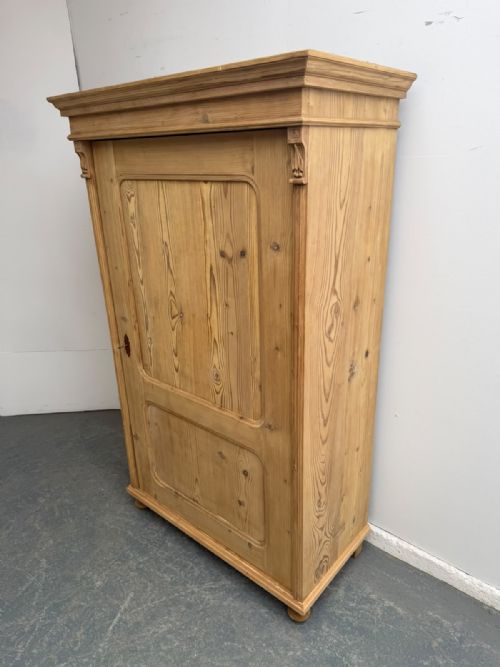
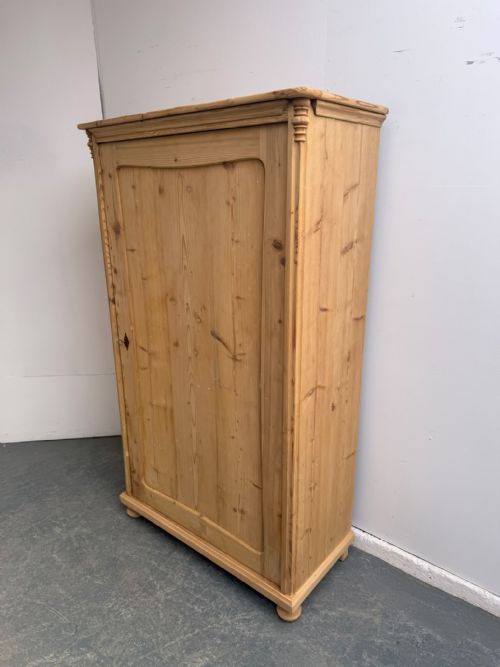
Antique Painted Pantry Cupboard
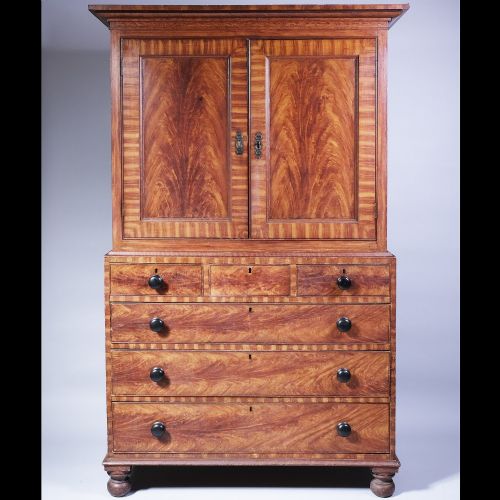
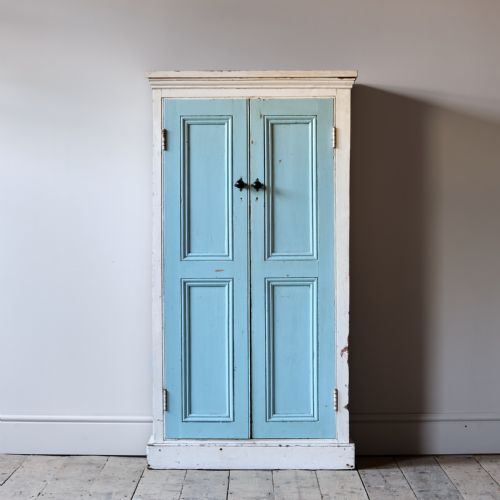
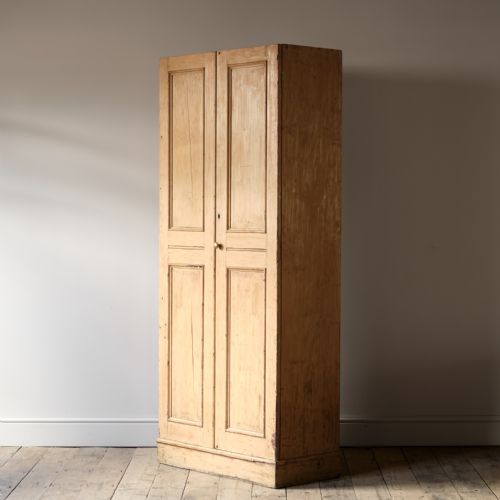
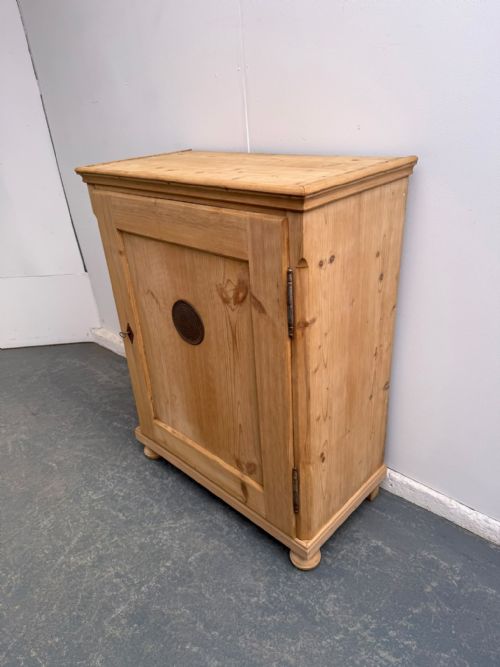
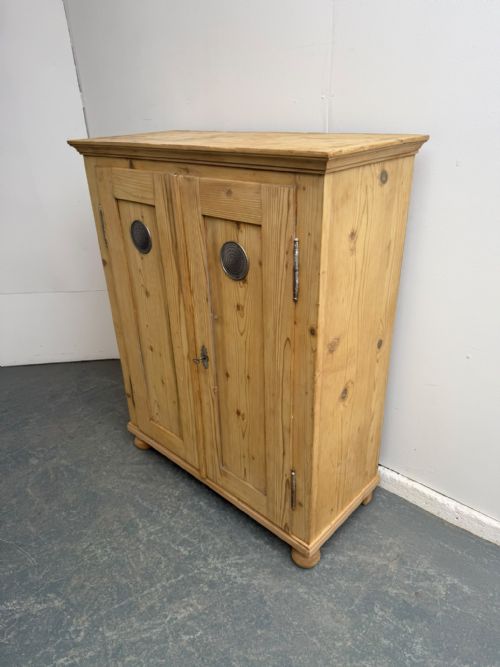
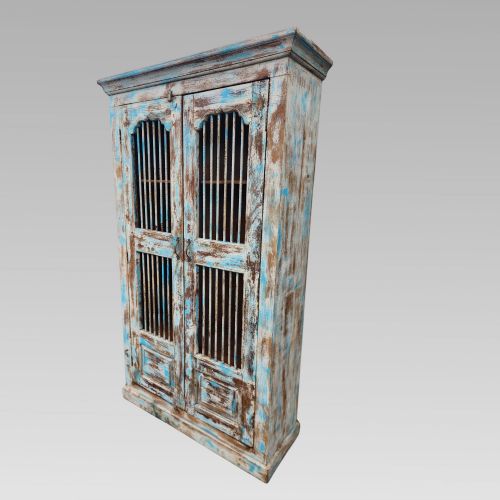
An antique painted pantry cupboard offers robust utilitarian storage in pine, carrying the charming scumble or layered finish of past domestic life.
Antique Painted Pantry Cupboard
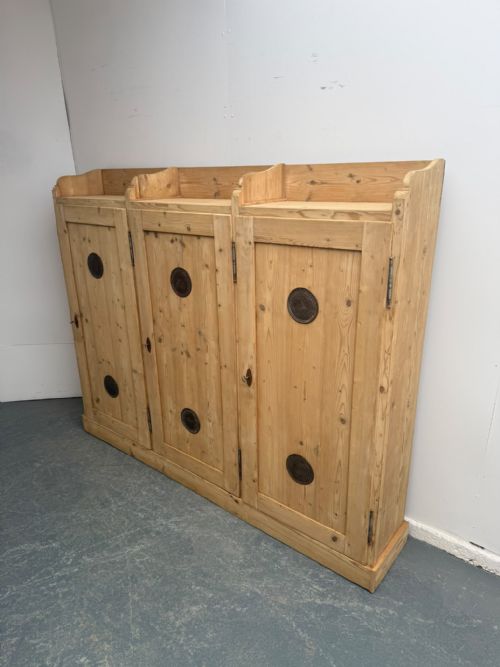
An antique painted pantry cupboard serves as a heavy-duty storage solution for provisions, linens, and kitchen goods, originating from domestic spaces across the eighteenth and nineteenth centuries. Buyers encounter forms ranging from tall narrow housekeepers cupboards to low wide storage cabinets and vented food cupboards.
Most examples hail from the Victorian and Georgian eras, alongside pieces bearing Scandinavian, French Provincial, and English country styles. These pieces arrive in pine, often finished in original paint, cream paint, or scumble paint, designed to stand neatly in a country kitchen or larder.
Makers constructed these functional units with practical shelving, doors ranging from one to four in count, and occasional drawers. The forms reflect regional vernacular traditions, spanning Yorkshire, Dutch, Swedish, and Baltic origins.
Materials and construction methods
Carpenters relied principally on pine, building robust carcases with joined boards and incorporating iron or brass hardware for hinges and latches. Structural details include beaded panels, fielded doors, and vented sections meant to keep stored foods cool and aerated.
Surfaces received protective or decorative coats of paint, cream pigment, or scumble effects applied with layered glazes to mimic richer timbers. Textured glass occasionally appears in upper doors, whilst structural framing relies on solid peg and joint carpentry suited to heavy daily use.
The listings span the eighteenth, nineteenth, and early twentieth centuries, featuring pine construction finished in original paint, cream, and scumble.
Assessing quality in painted cupboards
Quality rests in the survival of original surface finishes, where untouched layers of paint or early scumble decoration elevate a piece above those stripped down or repeatedly repainted. The crispness of fielded panels, sound joinery, and intact period hardware distinguish superior rural craftsmanship from standard utility work.
Proportion and scale dictate desirability, with tall narrow profiles and shallow vented designs commanding particular interest for modern domestic spaces. The integrity of the pine carcase, minimal timber warping, and uncompromised internal shelving determine the overall standard.
The Antique Painted Pantry Cupboard Glossary
- Scumble paint
- A decorative surface technique involving translucent glazes dragged or brushed over a base coat to simulate grain. This finish was widely applied across nineteenth-century country furniture.
- Housekeeper's cupboard
- A large storage cabinet traditionally used for linens, dry goods, and provisions in large domestic households. These tall units frequently feature multiple doors and internal shelving.
- Fielded panel
- A raised central wooden panel set within a recessed frame, designed to accommodate seasonal wood movement. This construction method adds structural stability and depth to cupboard doors.
- Vented cupboard
- A storage unit featuring pierced, punched, or wire-mesh panels in the doors for air circulation. These were essential for keeping bread, cheese, and perishable foods fresh before refrigeration.
Antique Painted Pantry Cupboard: Frequently Asked Questions
How do I date an antique painted pantry cupboard?
Dating relies upon construction methods, nail types, and hinge styles visible within the pine carcase, alongside regional stylistic traits. Georgian examples typically show heavier pegged joints, whereas Victorian iterations adopt machine-sawn elements and distinct moulding profiles.
Paint analysis also assists in establishing age, as original lead-based or early oil paints exhibit specific crackle patterns and wear characteristics. Comparing the door configurations and hardware against known period exemplars narrows the era further.
Were these cupboards originally painted?
Many utility cupboards received protective coats of paint from the outset, particularly in country kitchens where softwood required sealing against grease and moisture. Regional traditions across Scandinavia, France, and Britain often favoured decorative painted finishes over exposed pine.
Later owners frequently repainted these pieces to match changing domestic interiors, meaning an original surface is a prized survival. Inspecting hidden interior surfaces helps reveal the primary colour scheme applied by the maker.
What is a bread and cheese cupboard?
A bread and cheese cupboard is a specialised ventilated storage unit designed to keep dairy and baked goods safe from pests while allowing air to circulate. The inclusion of pierced panels or slatted doors differentiates these pieces from standard linen or clothing storage.
These compact or single-door cupboards sat within farmhouse pantries to maintain food preservation before the advent of modern cooling. Their practical origins make them highly sought after for contemporary country-style kitchens.
Can I fit a tall housekeeper's cupboard in a modern home?
Tall housekeeper's cupboards require careful measurement of ceiling heights and stairway clearances before purchase, as these pieces were built for high-ceilinged period properties. Narrow and shallow variants offer a practical alternative for tighter modern kitchen spaces without sacrificing storage capacity.
Positioning these substantial pine units against stable interior walls prevents tipping and accommodates their considerable weight. Ensuring adequate room for door swings is essential when placing them in hallways or smaller pantries.