



Antique Painted Metal Urn
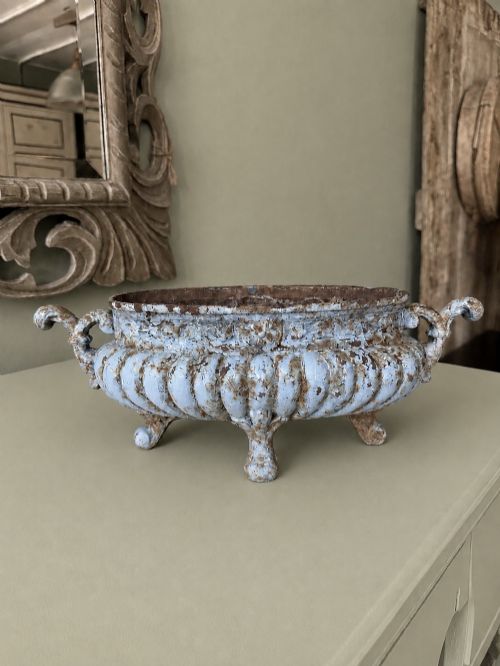
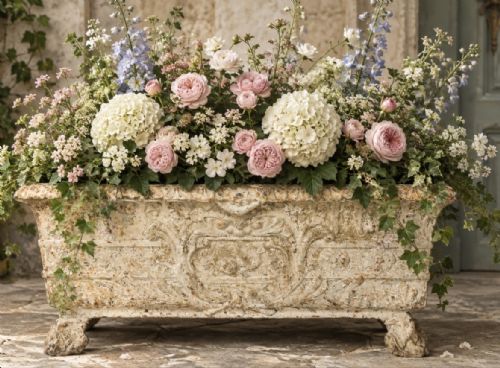
An antique painted metal urn brings classical proportion and weathered patination to a garden or room.
Antique Painted Metal Urn
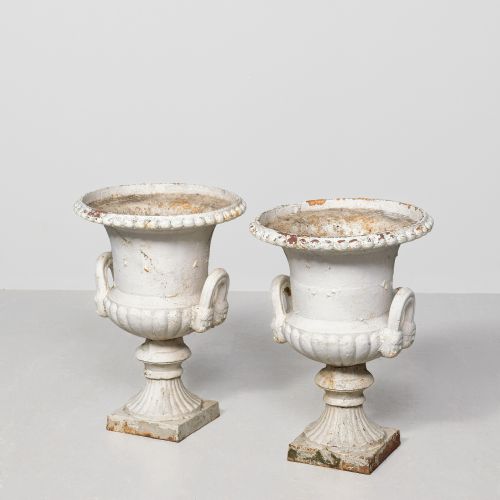
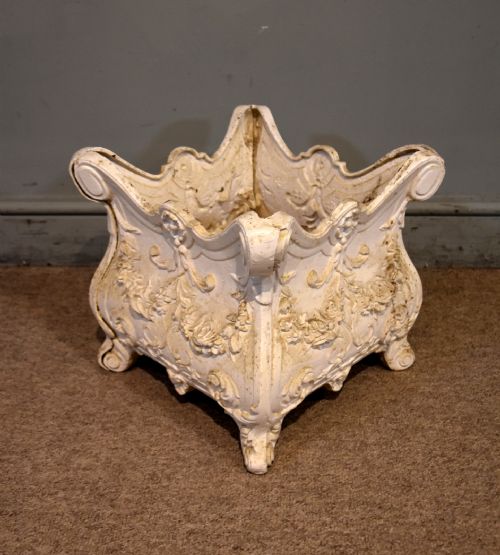
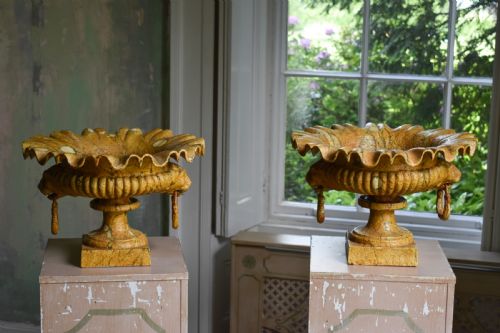
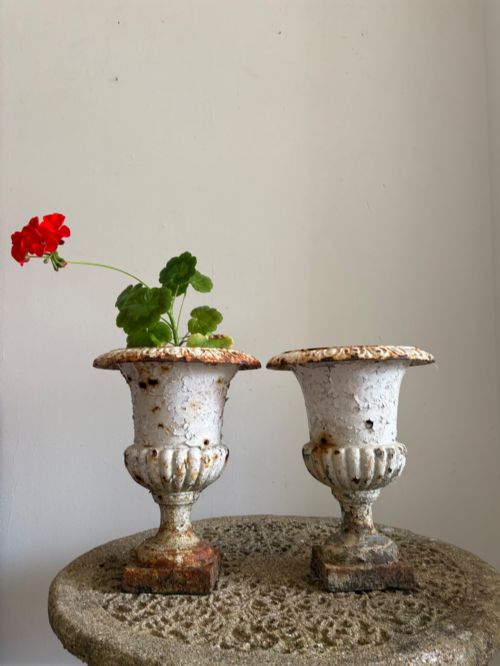
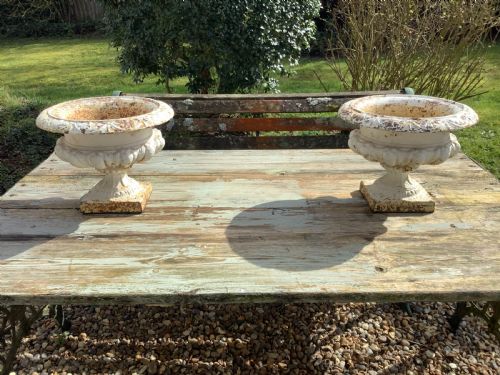
An antique painted metal urn spans robust garden vessels and decorative indoor pieces designed to hold plants, flowers or light. The selection centres heavily on nineteenth-century examples shaped by classical, Victorian and French design idioms.
Buyers will encounter heavy garden planters and campana forms alongside table lamps, garniture sets and coffee urns. Many originate from nineteenth-century French workshops or British foundries, carrying layers of original painted surface or distressed lacquer.
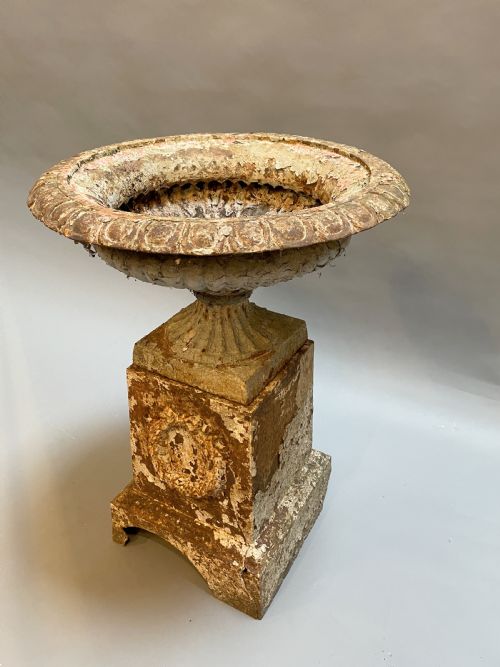
The objects serve as focal points in landscaping or interior settings, merging utilitarian function with sculptural ornament. Cast iron and toleware dominate the forms, frequently paired with plinths, pedestals or strapwork bases.
Materials and construction methods
Foundries produced the heavy garden vessels through sand casting in iron, yielding robust walls capable of withstanding outdoor elements. Lighter indoor pieces utilised sheet metal, tin-ware and toleware built up through forming and soldering.
Decoration relied upon hand-applied oil paint, japanning, lacquer and gilt highlights over prepared metal bases. Artisans employed classical motifs such as acanthus leaves, handles and pedestal feet cast or soldered directly to the main body.
Listings feature nineteenth-century cast iron, toleware, porcelain and ormolu spanning garden urns, table lamps and garnitures.
Distinctions in execution and survival
Quality rests upon the crispness of the cast ornamentation and the integrity of the original surface paint or japanning. Superior examples retain untouched layers of historical pigment and stable structural junctions without modern repairs.
The refinement of proportion separates standard utilitarian vessels from sculptural works styled after French empire or neoclassical models. Depth of detail in foliate casting and the weight of the metal distinguish fine foundry work from simpler production.
Coalbrookdale
The Antique Painted Metal Urn Glossary
- Campana
- A bell-shaped vessel form associated with classical antiquity and revived extensively during the nineteenth century. These urns typically feature flared rims and mounted pedestals.
- Toleware
- Painted or lacquered sheet metalware produced in Britain, France and the Netherlands. The technique involves layers of varnish applied to tin-plated steel or iron.
- Japanning
- A type of European finish that emulates East Asian lacquerwork using dark grounds and gilt decoration. It appears frequently on nineteenth-century tin-ware and metal accessories.
- Ormolu
- Gilt-bronze mountings applied to decorative objects and porcelain vessels. The technique involves mercury gilding cast bronze components.
- Garniture
- A set of three or more matching decorative objects designed for display on a mantelpiece or sideboard. They often comprise urns, vases or clocks in unified materials.
Antique Painted Metal Urn: Frequently Asked Questions
Where should I place a heavy cast iron urn?
Cast iron garden vessels suit outdoor terraces, garden paths and formal lawns where their weight provides stability against the wind. They anchor planting schemes and endure seasonal weather changes when set upon solid stone or brick bases.
Indoors, smaller table versions and decorative toleware pieces require sturdy surfaces such as sideboards or pedestals. Their painted finishes look best away from direct moisture and harsh heat sources.
How do I care for painted metal surfaces?
Preserving the original painted or japanned surface requires gentle dusting with a dry microfibre cloth. Avoid harsh chemical cleaners, abrasive pads and water immersion, which lift historic paint layers.
Outdoor cast iron benefits from periodic checks for weathering, though many buyers prefer the natural patination and distressed paint acquired over decades. Indoor pieces simply need stable humidity and careful handling during relocation.
How do I distinguish nineteenth-century cast iron from later reproductions?
Nineteenth-century casting displays distinct surface textures, rougher interior sand-core marks and hand-finished details where seams were dressed by artisans. The weight and density of the metal often exceed modern cast reproductions.
Old painted surfaces show natural craquelure, subtle fading and wear consistent with age rather than artificial distressing. Examination of bolts, fixings and base plates reveals period manufacturing methods.
What is the difference between toleware and standard painted iron?
Toleware specifically denotes painted or lacquered sheet metal, usually tin-plated steel or iron, shaped into decorative vessels, trays and lamps. The technique involves multiple baked varnish layers producing a glossy, hard-wearing finish.
Standard painted iron generally refers to heavier cast pieces finished with oil-based exterior paints. These objects prioritize structural mass and garden utility over the refined sheet-metal forming seen in toleware.