



Antique Painted Iron Decor
Antique painted iron decor brings industrial strength and folk charm into a room, spanning advertising signs and heavy hearth ornaments.
Antique Painted Iron Decor
These pieces encompass functional utilitarian items and decorative objects made from cast iron, often carrying surface paint, enamel, or gold leaf. You encounter heavy advertising signs, printers stamps, armorial plaques, and fireplace ornaments from the Victorian era alongside folk art teeter-totters.
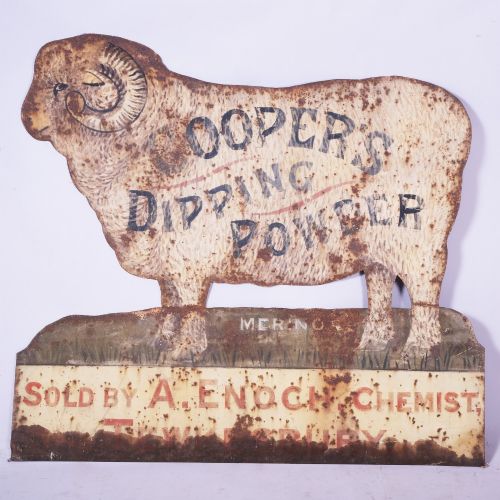
Many examples lean towards utilitarian origins turned decorative, such as heavy cart wheels combining cast iron and wood, or sheep dip advertising signs. The selection on this page balances industrial survivals with decorative household items from the nineteenth century.
How these pieces were made
Makers utilised cast iron to form sturdy bodies for stamps, plaques, and fireplace ornaments, pouring molten metal into moulds to achieve crisp relief details. Surface decoration relied on applied paint, enamel, or gilding directly onto the iron substrate.
Other items combine iron components with wood, as seen in cart wheels and cart doors, merging structural metalwork with traditional carpentry. Surface finishes range from simple dark paint to multi-coloured heraldic pigments.
Cast iron printers stamps double quite nicely as miniature doorstops when they are not busy pressing ink onto paper.
What varies in quality
Quality rests in the crispness of the cast relief on plaques and stamps, and the preservation of original surface paint or gilt. Items with clean lettering and well-defined armorial details stand above worn or heavily retouched examples.
Proportion and scale also separate pieces, particularly when dealing with large industrial survivals like cart wheels or advertising signs. The survival of original surfaces without modern overpainting dictates collector interest.
The Antique Painted Iron Decor Glossary
- Cast iron
- A hard, relatively brittle alloy of iron and carbon that can be readily cast in a mould. It forms the heavy base material for many nineteenth-century plaques, signs, and hearth ornaments.
- Gold leaf
- Gold beaten into extremely thin sheets utilised for gilding surfaces. It appears on armorial plaques and decorative ironwork to highlight relief details.
- Enamel
- A glassy substance applied to metal surfaces and fused by firing. It provides a durable, glossy coloured finish seen on advertising signs.
- Printers stamp
- A heavy metal block carrying raised lettering or imagery used in printing. These survive as dense, sculptural desk accessories.
- Armorial plaque
- A decorative panel displaying a coat of arms or heraldic insignia. These items were cast in iron during the Victorian period for architectural or domestic display.
Antique Painted Iron Decor: Frequently Asked Questions
What is antique painted iron decor?
It comprises nineteenth-century items made from cast iron that feature applied paint, enamel, or gilt decoration. Examples range from heavy advertising signs and printers stamps to fireplace ornaments and armorial plaques.
These pieces reflect both industrial utility and domestic display, often bearing the marks of their working origins alongside decorative surface work.
How do I care for painted iron?
Keep pieces in a stable environment away from dampness to prevent active rust formation on exposed iron surfaces. Dust gently with a dry cloth and avoid harsh chemical cleaners that might strip original paint or gilt.
Preserving the existing surface patina is essential for maintaining the character of nineteenth-century metalwork.
How do I identify Victorian pieces?
Victorian ironwork often displays specific stylistic markers such as heraldic motifs, heavy casting, and utilitarian lettering styles. The manufacturing techniques of the nineteenth century left distinct surface textures from sand moulds.
Comparing the weight, typography, and wear patterns helps distinguish these nineteenth-century items from later reproductions.